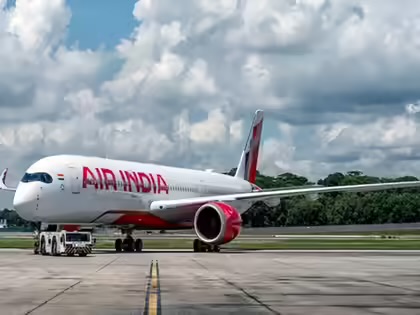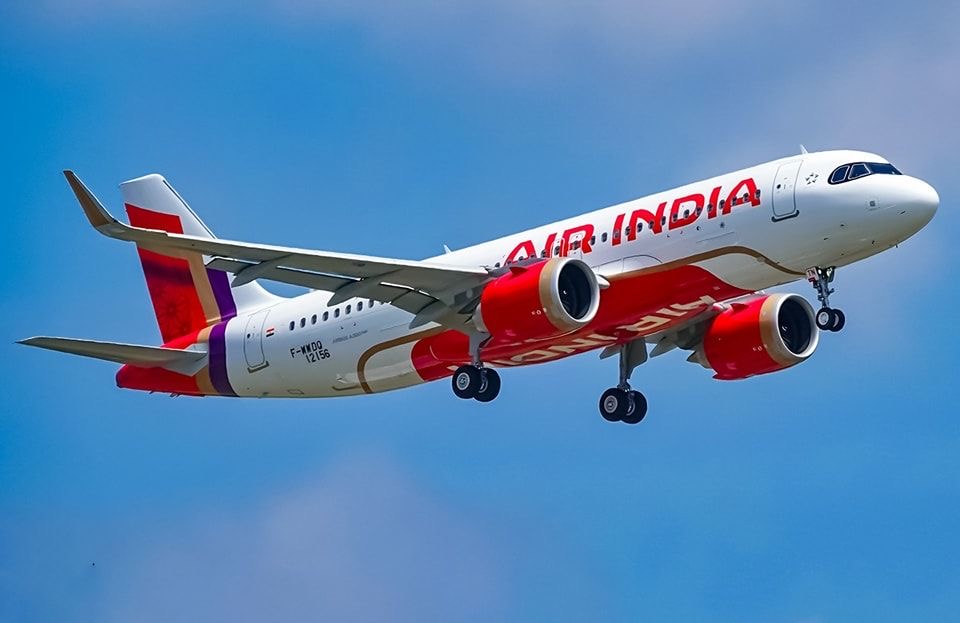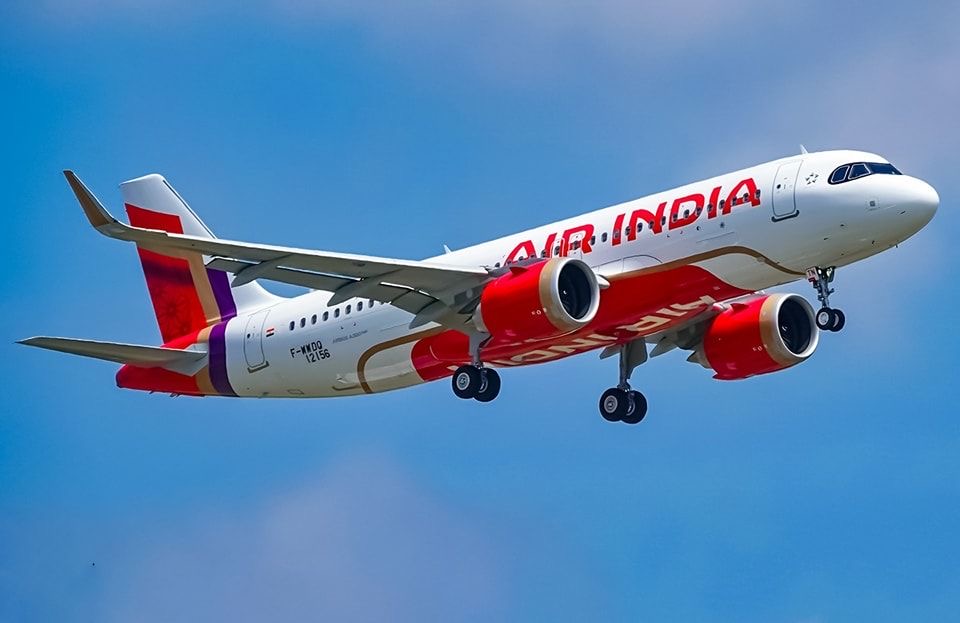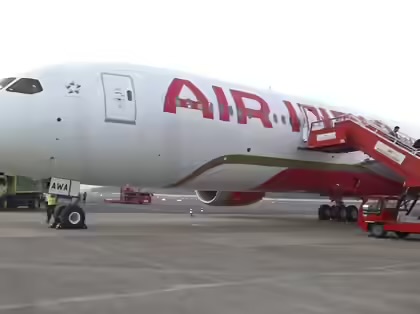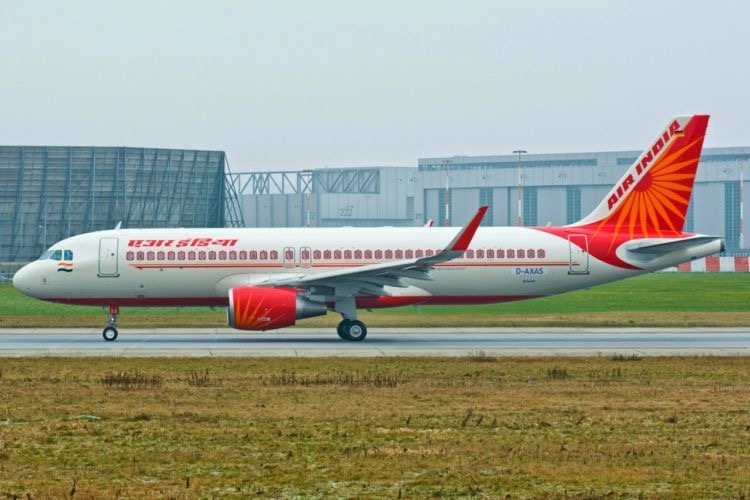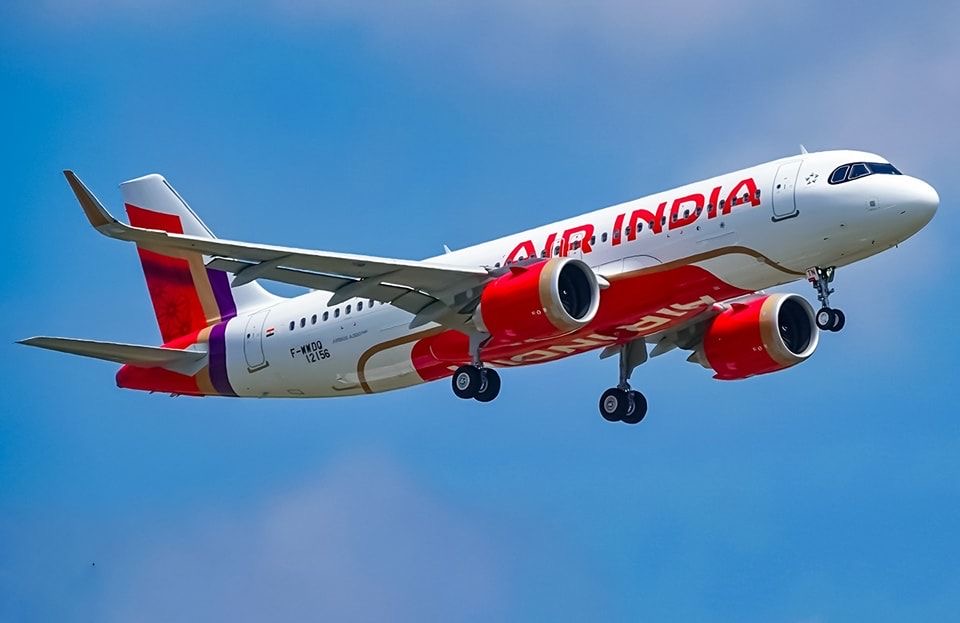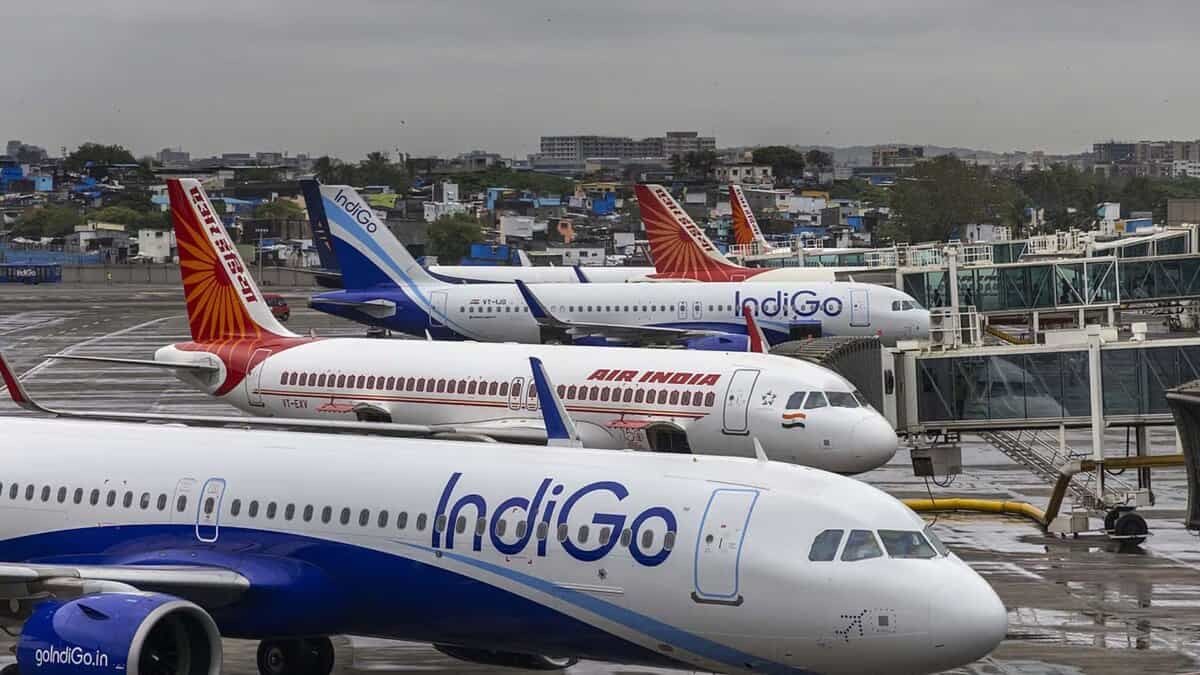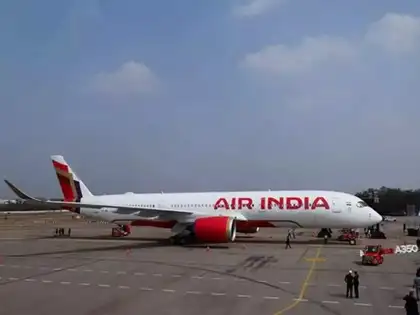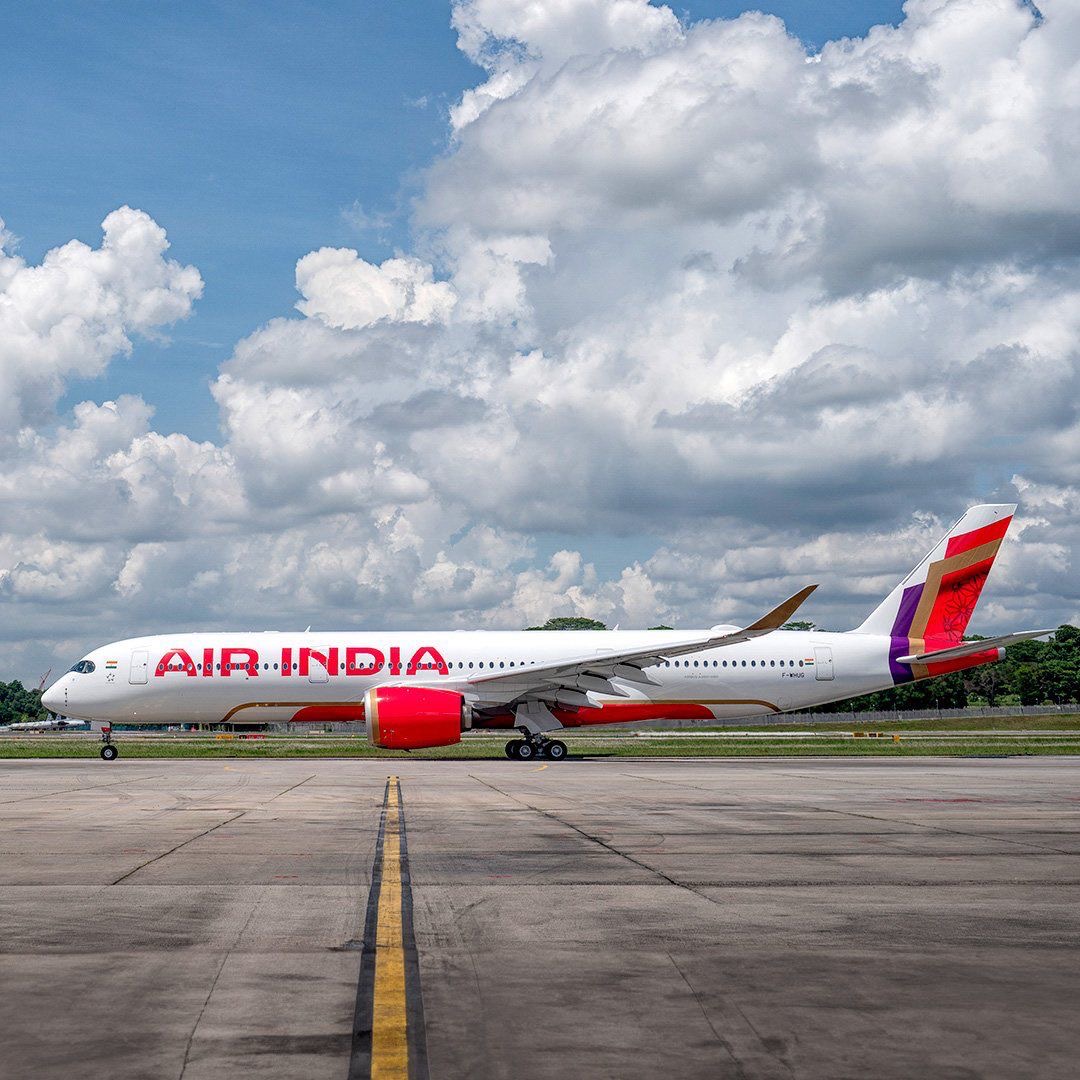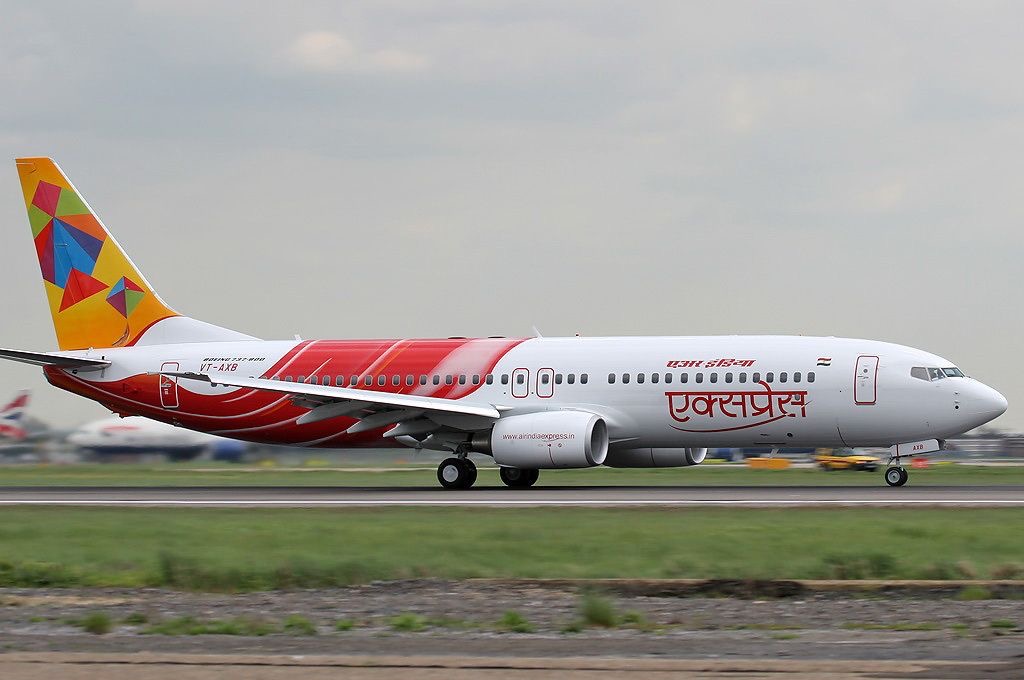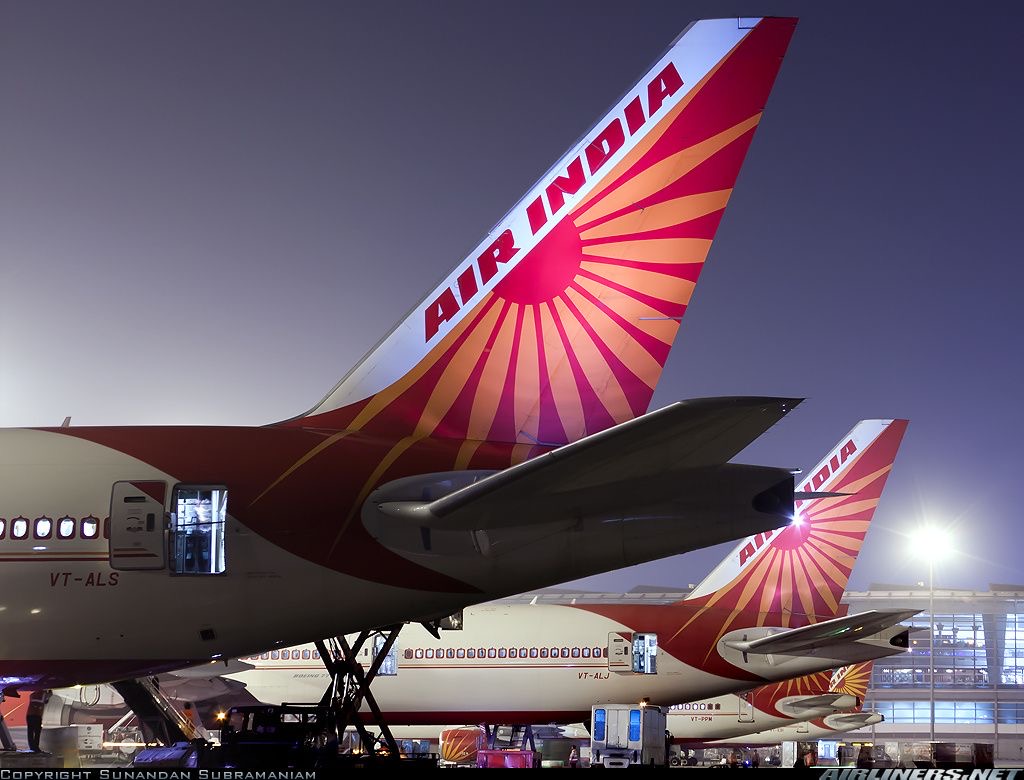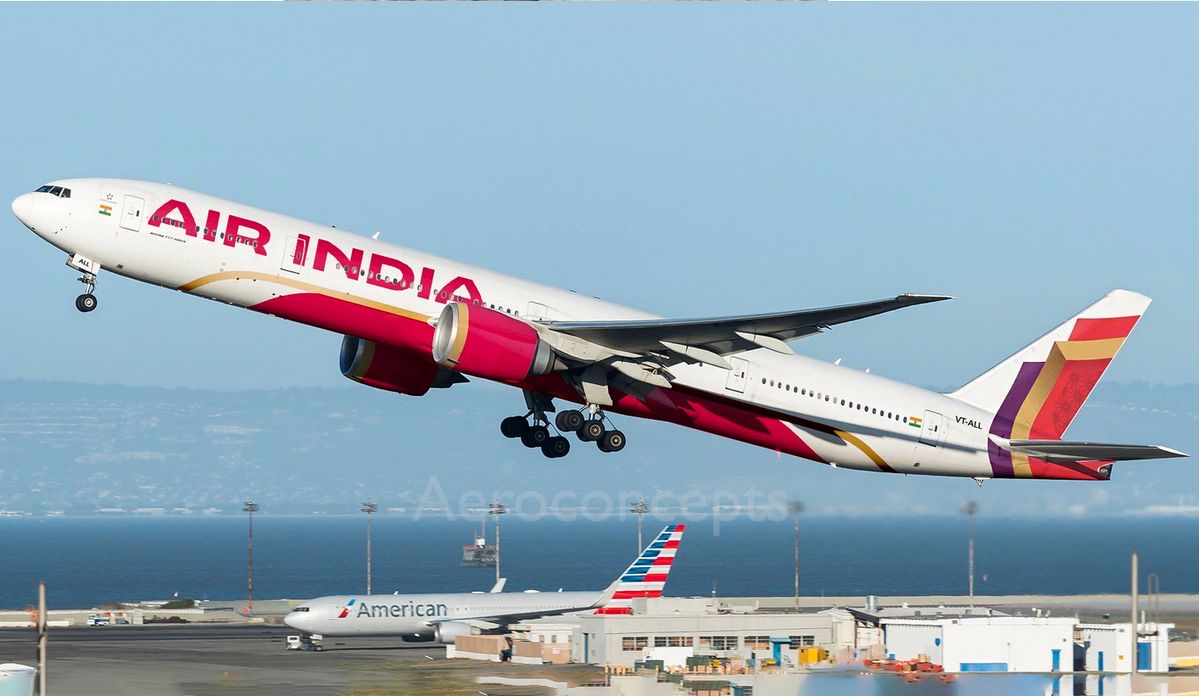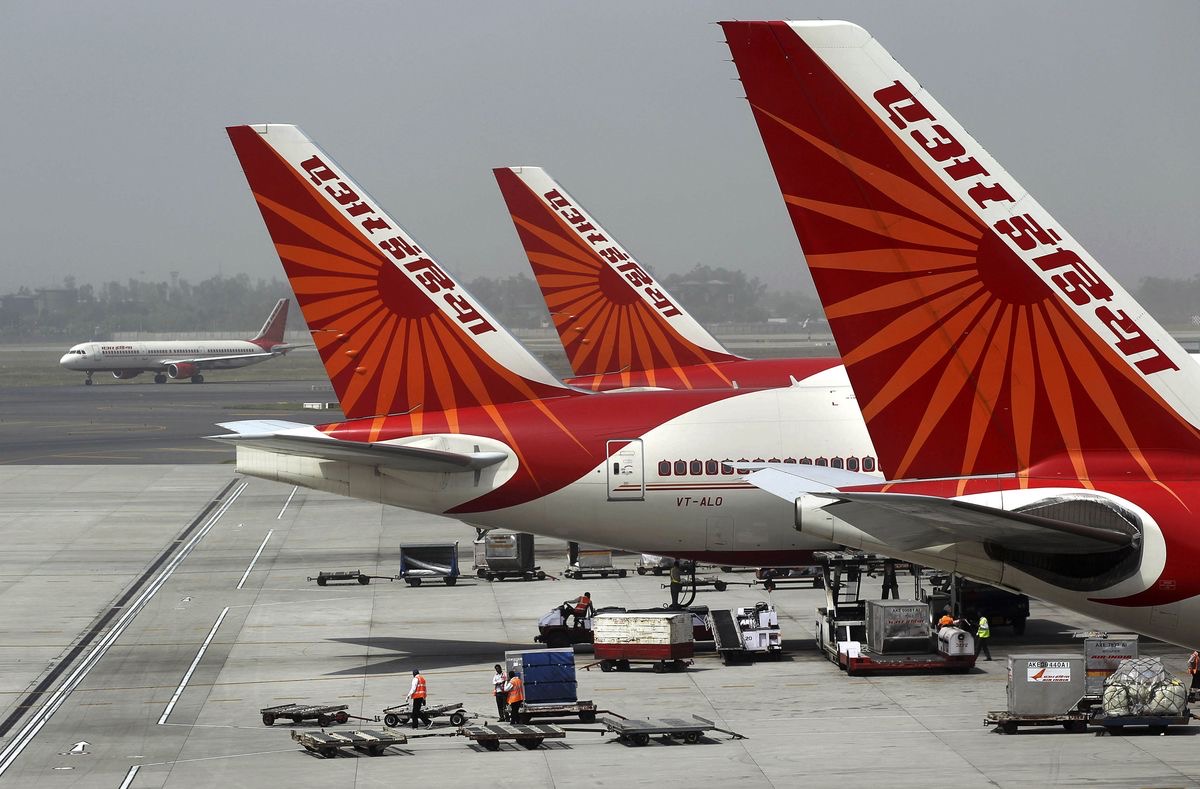
Government aviation safety data indicates that nearly three-quarters of the Air India Group’s 267-aircraft fleet which includes Air India, Air India Express and AIX Connect have been identified with repetitive defects in the period since January 2025. The disclosure highlights ongoing patterns of recurring technical issues within the group’s fleet that regulators and the airline are tracking closely under established maintenance and safety protocols.
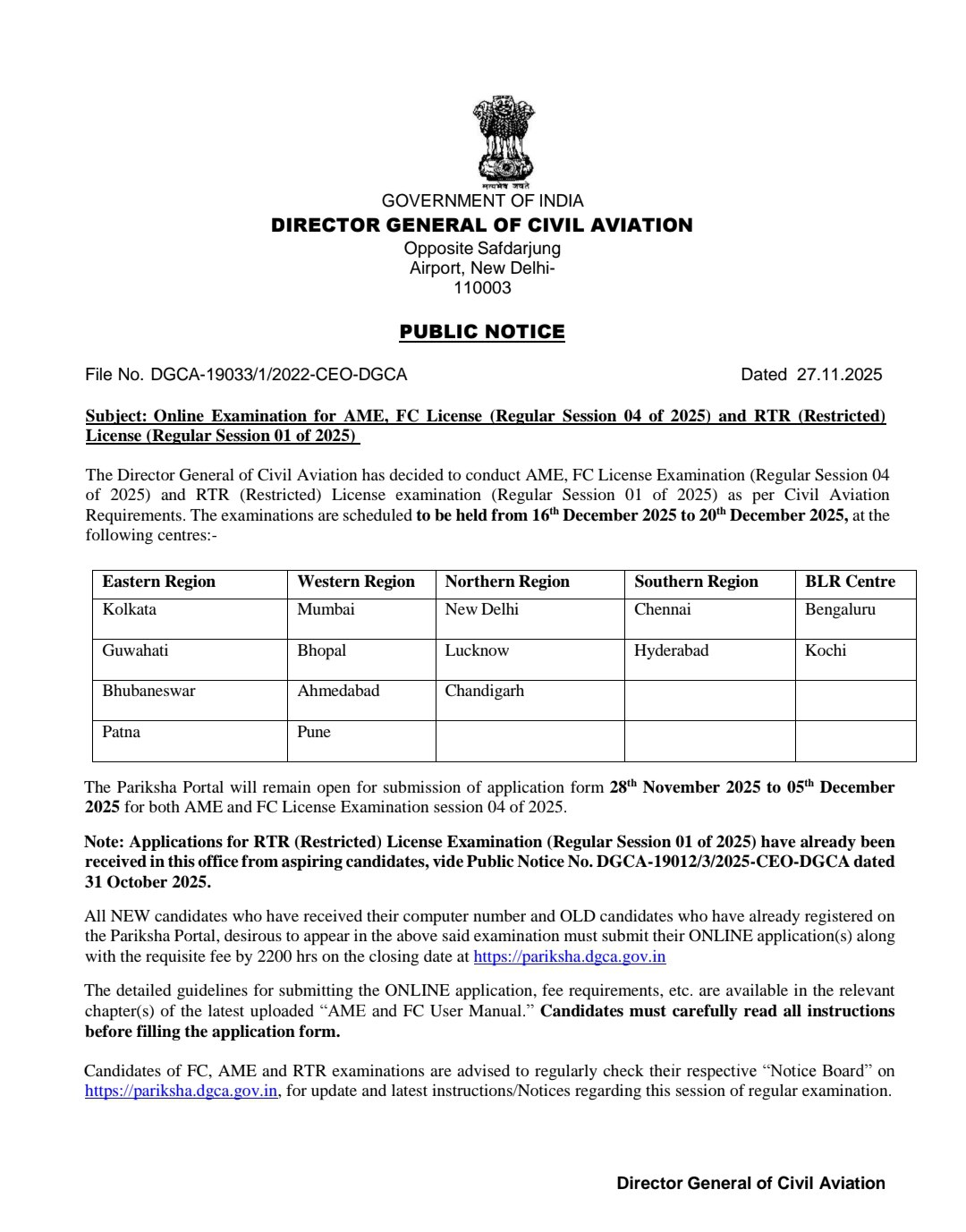
Repetitive defects are defined as faults or malfunctions that recur on the same aircraft or across multiple aircraft of similar type over time. Such patterns can point to underlying maintenance, operational or design factors that require heightened scrutiny. The Directorate General of Civil Aviation (DGCA), India’s civil aviation regulator, monitors these recurring issues through mandatory reporting mechanisms and technical audits, so that corrective and preventive actions can be taken before issues escalate into more serious concerns.
According to the government data, a significant proportion of the airline group’s wider aircraft base has shown repeat entries in defect logs over the past year. While the figures may attract attention due to the large share of aircraft involved, officials emphasise that a repetitive defect does not necessarily mean that an aircraft is unsafe for flight. Many such faults involve secondary systems or components whose malfunction can be addressed through stringent maintenance procedures, part replacement or revised inspection criteria.
In aviation safety practice, identifying repetitive defects is a proactive measure. Airlines are required to report all defects to the DGCA, which then analyses trends and may issue directives, enhanced inspection requirements or service bulletins in collaboration with manufacturers and original equipment makers. The goal of this system is to detect patterns early, refine technical guidance and ensure that aircraft reliability is maintained at the highest standards.
Industry experts say that the higher rate of repetitive defects in a large fleet operation can reflect several factors, including the intensive utilisation of aircraft in a busy network, variations in environmental conditions across sectors and rigour in defect reporting. Higher utilisation means aircraft complete more cycles of landing and takeoff, which can accelerate wear in certain components. Operators with robust reporting cultures can also appear to have more repeat defects simply because they maintain thorough logs and detailed fault records.
For the Air India Group, the prevalence of repetitive defect reports has underscored the importance of rigorous maintenance planning, technical oversight and regulatory engagement. The airline group has historically operated a mixed fleet with multiple aircraft types, each with its own maintenance schedules and technical characteristics, adding complexity to defect tracking and corrective action.
The DGCA’s approach to such data includes close coordination with maintenance, repair and overhaul providers, airline technical teams and aircraft manufacturers. When patterns of recurring faults emerge, regulators and operators may agree on updated maintenance intervals, revised inspection methods or targeted component replacements to address the root cause and prevent future repetition.
Aviation safety professionals note that iterative defect tracking is a cornerstone of airworthiness management. Identifying and resolving patterns of repeat faults helps maintain operational reliability and passenger safety. These processes work in tandem with scheduled heavy maintenance checks, crew training on recognition of fault precursors, and continuous improvement in maintenance practices.
The government’s public disclosure of such defect data is part of broader efforts to maintain transparency in aviation safety oversight. By analysing fleet-wide trends, regulators and industry stakeholders can calibrate responses to emerging technical patterns and reinforce confidence in the management of aircraft systems.
While discussions around repetitive defects can attract scrutiny, there is broad consensus in the aviation community that systematic identification, reporting and corrective action are essential to sustaining safe operations, especially in high utilisation environments with large and diverse fleets.
As airlines manage growth and fleet complexity while maintaining safety standards, ongoing collaboration between operators, regulators and manufacturers remains key to ensuring technical issues are addressed promptly and effectively. The DGCA’s data underscores the importance of robust airworthiness processes in India’s rapidly expanding aviation market.