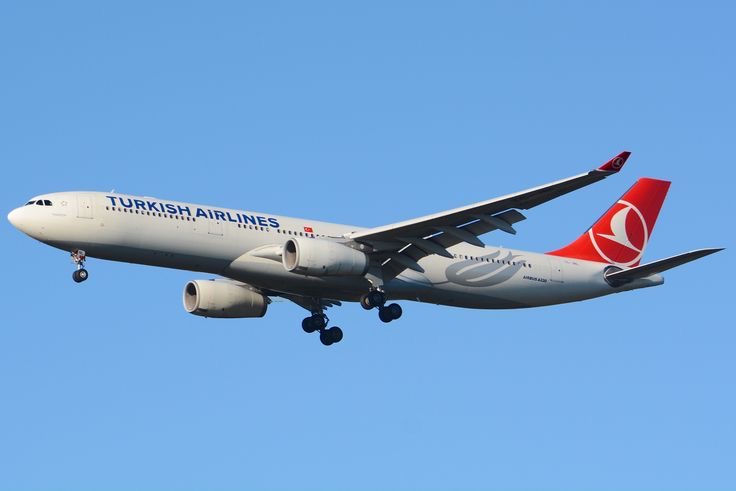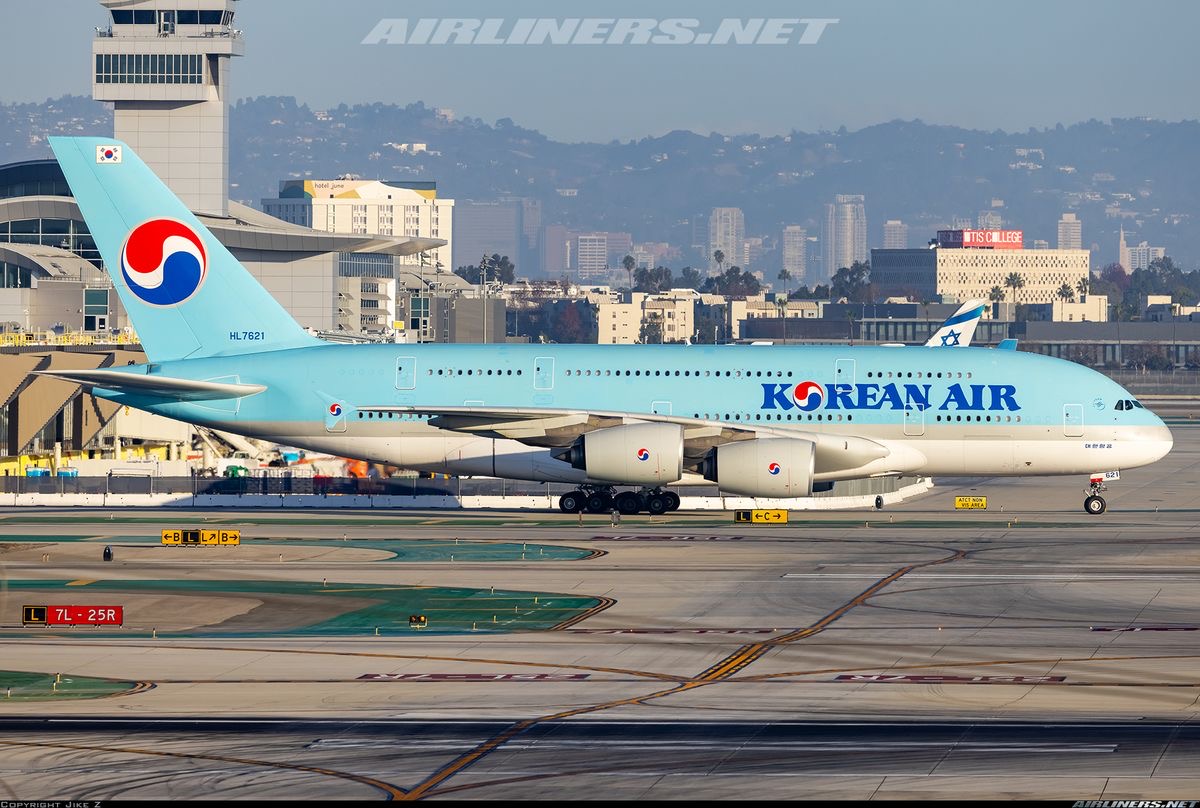
A Korean Air Airbus A380 was forced to make a precautionary landing at New York’s John F. Kennedy International Airport after a hydraulic system alert prompted the flight crew to divert shortly into its trans-Atlantic journey. The widebody aircraft, one of the flagship jets in the airline’s global fleet, touched down safely under priority clearance as ground emergency teams prepared to support the unplanned arrival.
The flight was en route from Seoul to its scheduled North American destination when cockpit instruments indicated an abnormality in one of the aircraft’s hydraulic systems. Hydraulic systems are critical for controlling flight surfaces, brakes and steering, and any irregular reading triggers immediate attention and risk assessment by flight crews trained to manage such scenarios.
Upon detection of the alert, the captain elected to divert to JFK, a major international airport equipped with full emergency services and ground support infrastructure. Air traffic control cleared the aircraft for descent and priority landing, with emergency response teams positioned on standby along the arrival path and runway.
Passengers reported that the cabin remained calm throughout the diversion. The crew made routine announcements to keep travellers informed as the aircraft descended toward New York, reminding everyone to remain seated with seat belts fastened until the situation was fully resolved on the ground.
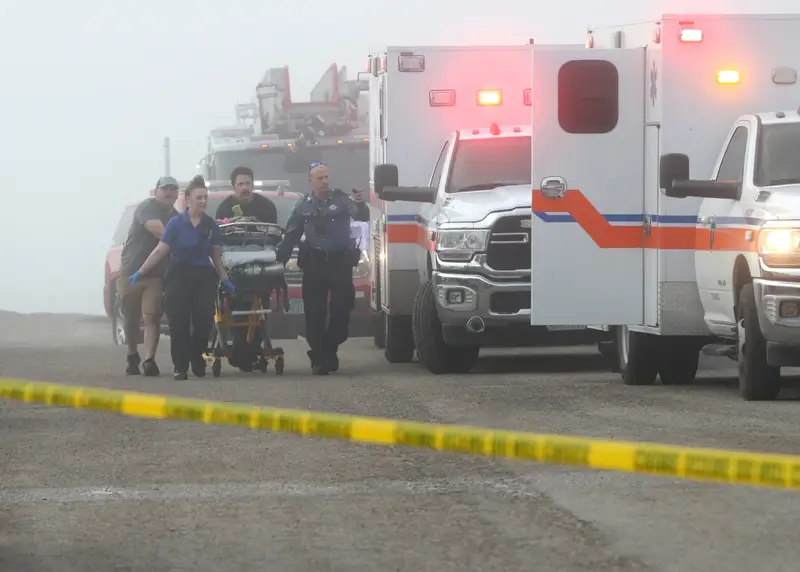
Once on the runway, the Airbus A380 came to a smooth stop and was met by airport fire and rescue units as a precautionary measure. No injuries or onboard emergencies were reported, and all passengers were able to deplane normally once ground inspections were underway.
Korean Air confirmed that the aircraft diverted as a precaution after the hydraulic alert was received in flight. The airline emphasised that the safety of passengers and crew is the top priority and that the decision to divert followed established international procedures. Engineers and technical teams were dispatched to inspect the aircraft’s systems and determine the nature of the hydraulic issue before the jet can be returned to service.
Hydraulic suspicions in flight can stem from sensor discrepancies, fluid pressure irregularities or early signs of component wear. Modern commercial jets like the A380 carry multiple redundant systems to ensure continued control even when a primary system indicates trouble, but pilots are trained to land at the nearest suitable airport whenever there is any uncertainty about system performance.
Officials at JFK said that the diversion and landing had minimal impact on overall airport operations, with controllers and ground staff managing available runway capacity and gate space to accommodate the unscheduled arrival. Normal traffic flow resumed quickly once the aircraft was safely parked and emergency teams cleared the runway for routine flights.
Travellers affected by the diversion were assisted by airline customer service representatives to coordinate onward travel arrangements, meals and accommodation where necessary. Korean Air offered support through its local ground operations to ensure that passengers had updates and options for completing their journeys.
Aviation safety experts note that precautionary diversions, while uncommon, are an important part of flight risk management. They highlight the importance of erring on the side of caution, particularly on long haul flights over large bodies of water and remote airspace, where immediate diversion options may be limited.
As technical teams investigate the hydraulic alert further, Korean Air reiterated its commitment to transparency and rigorous safety standards. Passengers scheduled on subsequent flights were advised to check flight status updates as operations return to normal.