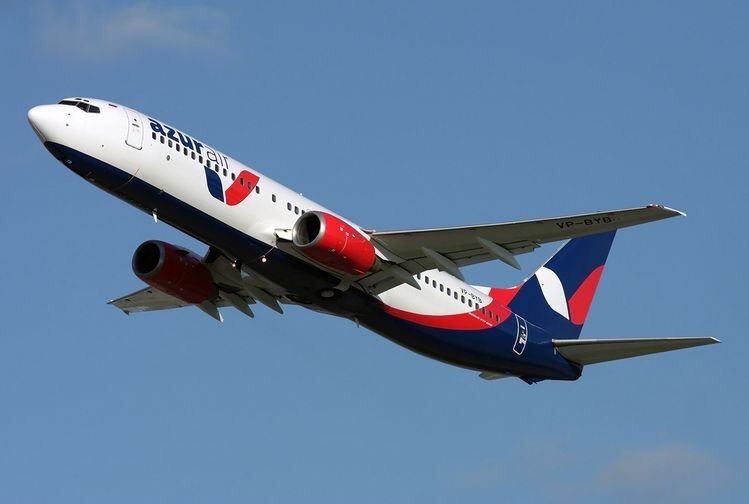
Airbus is bracing for a challenging end to the year as it prepares to inspect hundreds of its best-selling A320neo jets for a manufacturing defect, a setback that has forced the European planemaker to slash its annual delivery targets.
Engineers have identified a quality flaw involving the thickness of metal fuselage panels supplied by a Spanish manufacturer. The discovery comes just days after a separate, massive software recall affected thousands of A320s, dealing a "double whammy" to the aviation giant as it races to meet year-end goals.
The "Hidden" Flaw
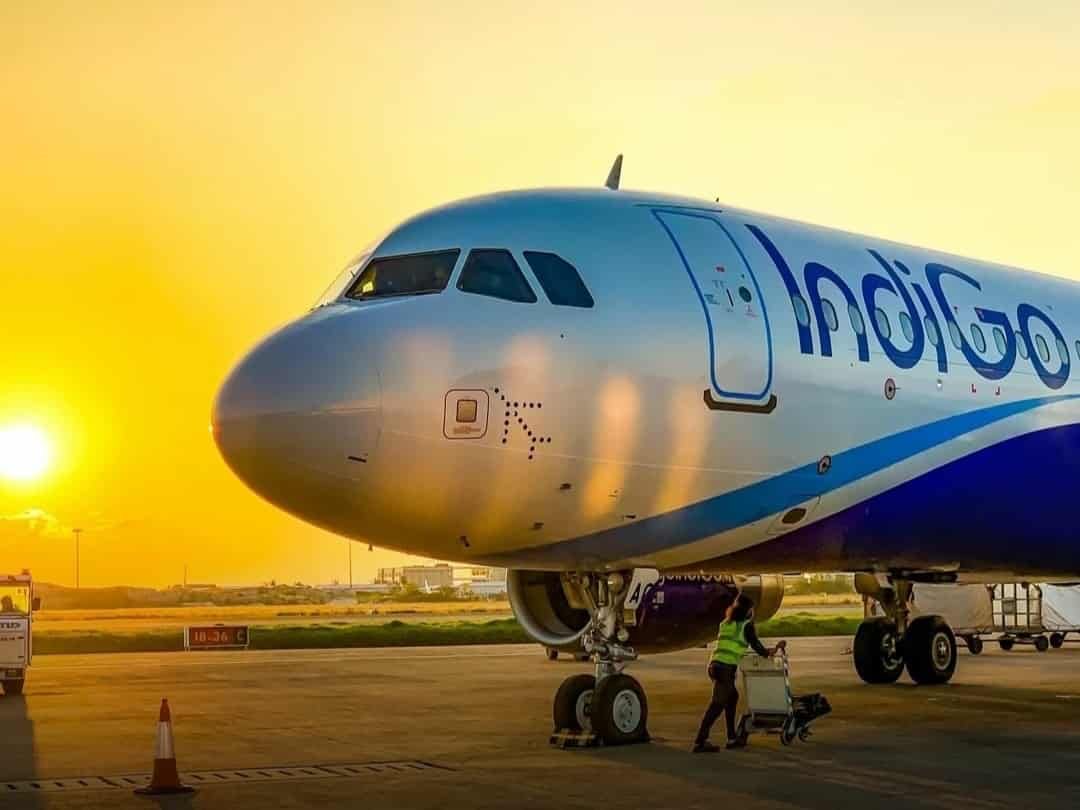
According to internal presentations to airlines, the defect involves metal skin panels located behind the cockpit and around the forward doors. These components, supplied by Seville-based Sofitec Aero, were found to deviate from strict thickness specifications due to an error in the "stretching and milling" production process.
While the issue is not classified as an immediate flight safety risk, the scale of the required inspections is significant. Approximately 628 aircraft are flagged for checks. Of these, 168 are already in service with airlines, while the majority—roughly 460 jets—are stuck in various stages of production or assembly.
"We confirm the population of aircraft potentially impacted is both in production and in service," an Airbus spokesperson stated, emphasizing that the source of the defect has been "identified and contained."
Supply Chain Strains
The operational headache is severe. While inspections themselves may only take a few hours, any necessary repairs could sideline a jet for three to five weeks. This delay is critical for an assembly line that operates on tight, synchronized schedules.
As a direct result, Airbus has formally lowered its delivery forecast for 2024. The company now expects to hand over approximately 790 commercial aircraft this year, down from its previous target of 820.
"We are assessing the situation and trying to understand the nature of the impact it has on our operations," Airbus CEO Guillaume Faury told reporters earlier this week, acknowledging that November deliveries had already come in "weak" at just 72 units.
A Week of Turbulence
The fuselage news lands at a particularly sensitive time. It follows a weekend of scramble where Airbus had to issue an emergency alert for over 6,000 A320 jets due to a software vulnerability linked to solar radiation—a glitch that could theoretically interfere with flight controls.
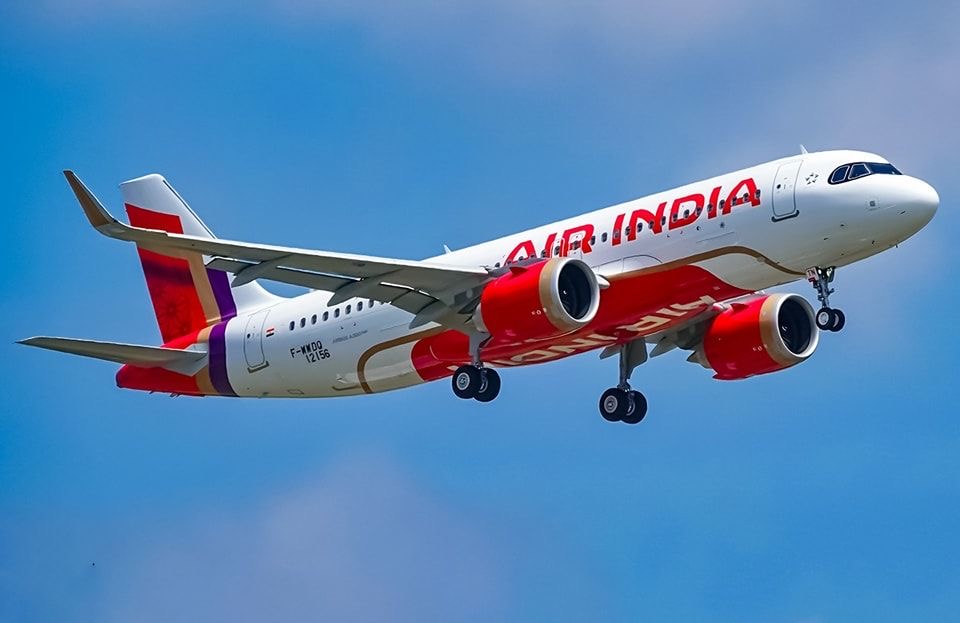
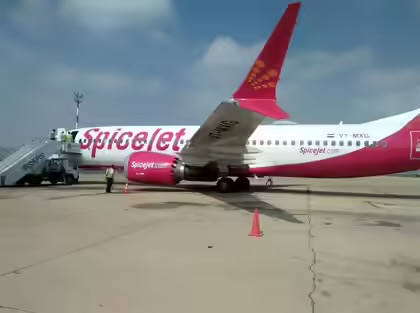
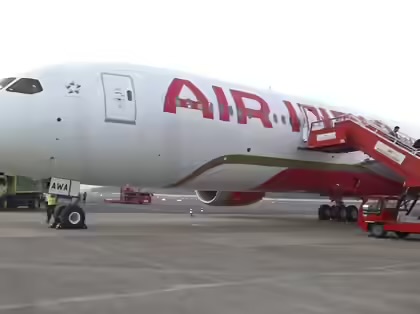
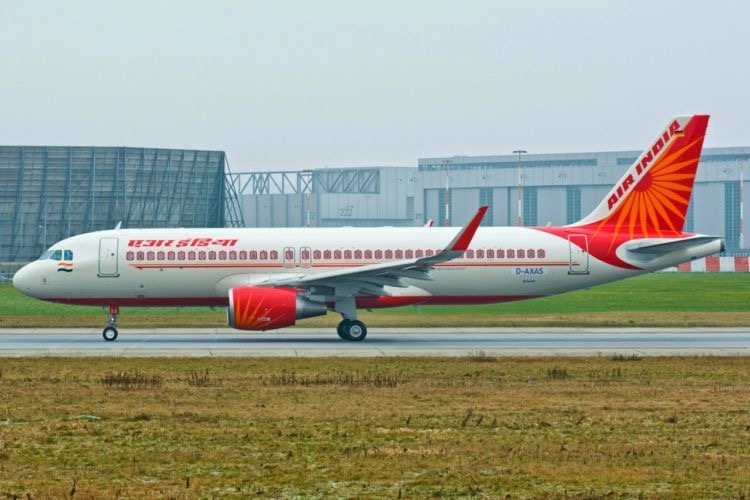
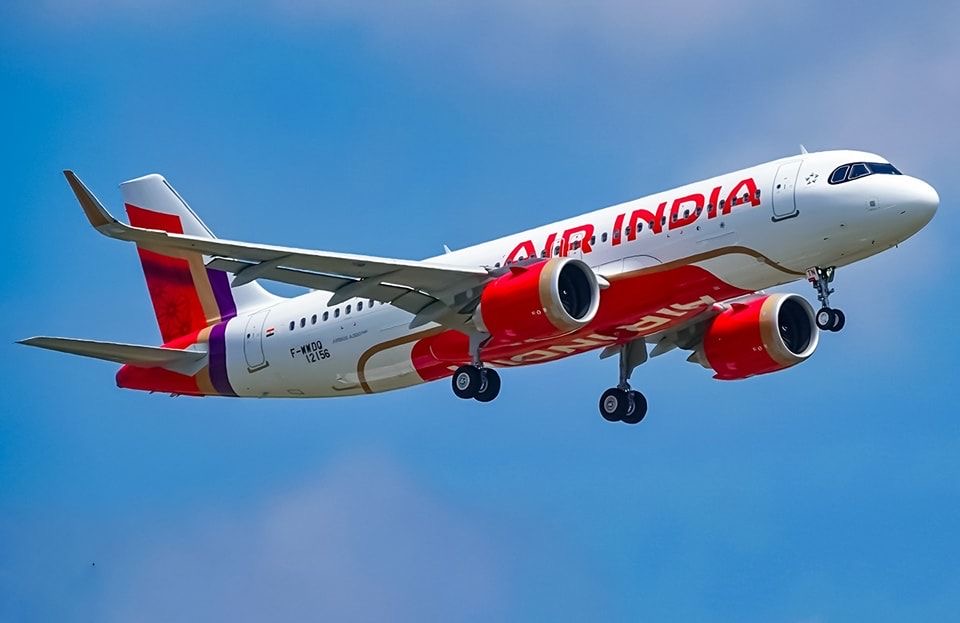
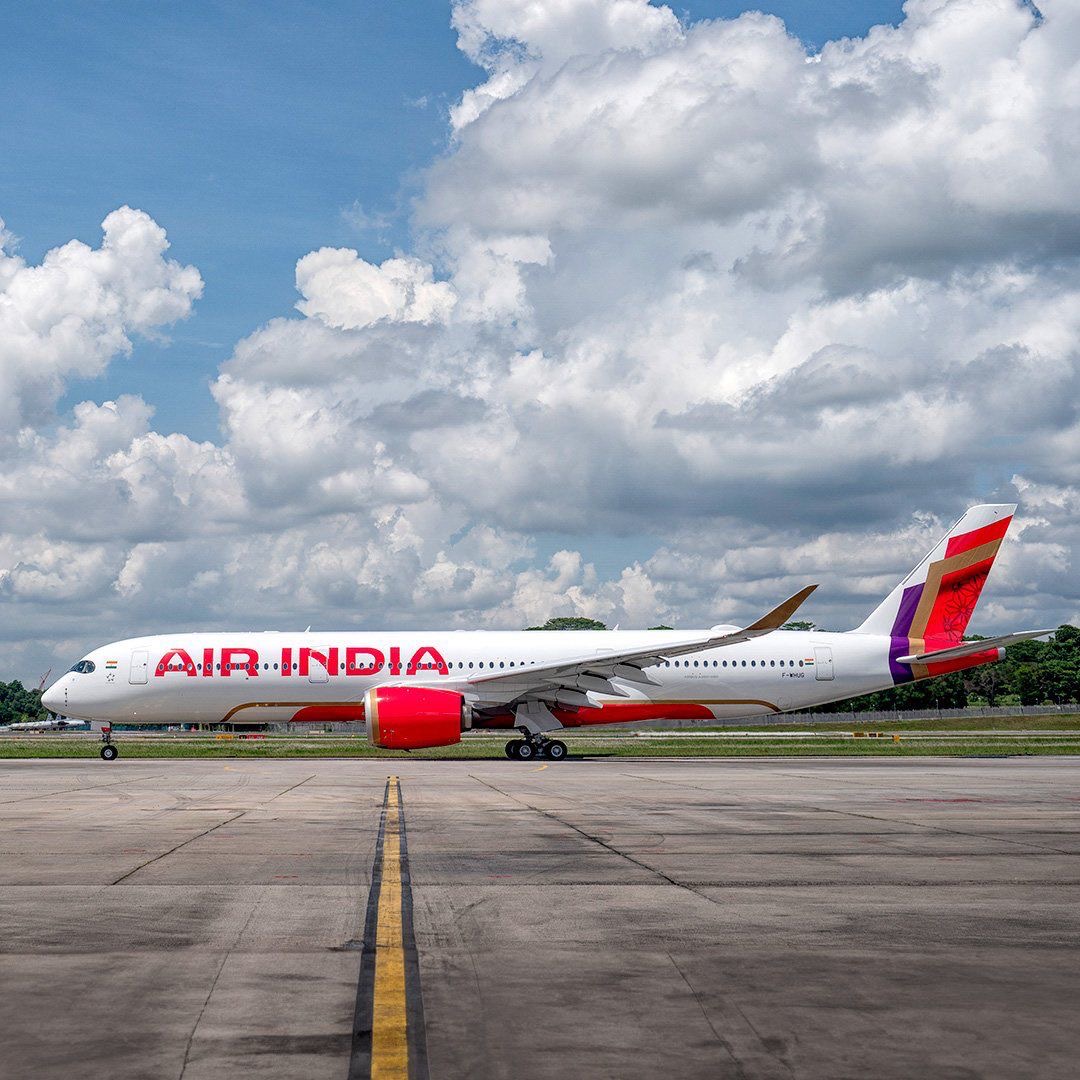
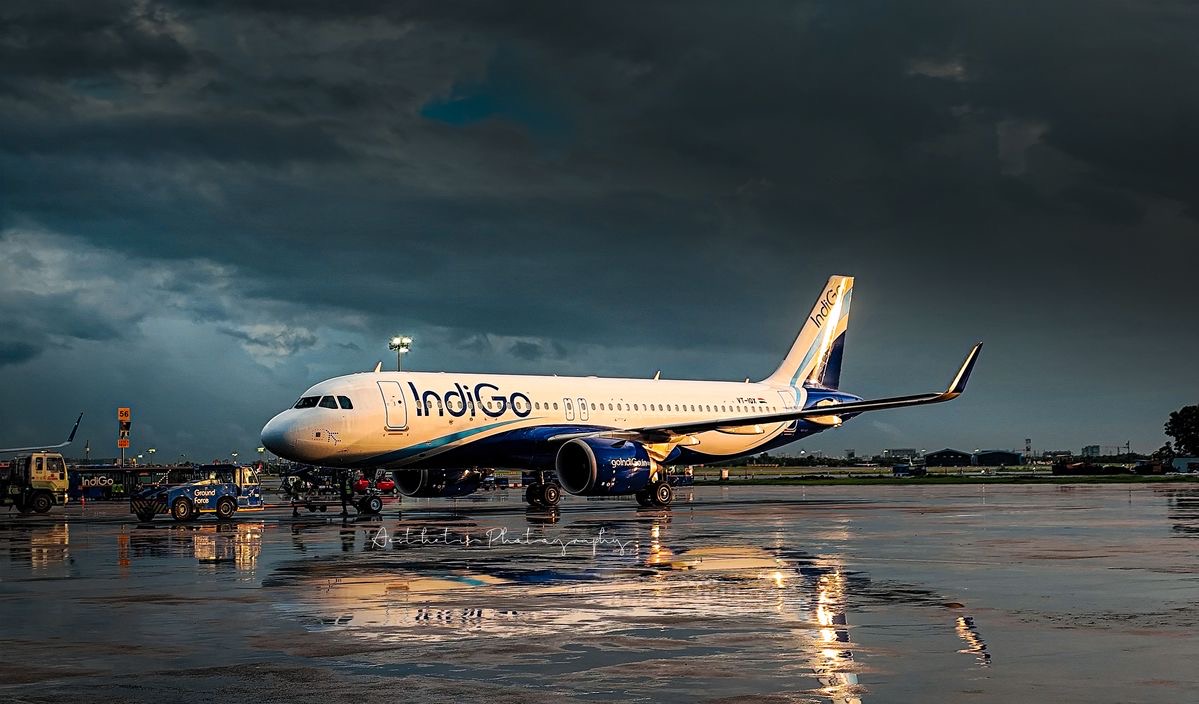
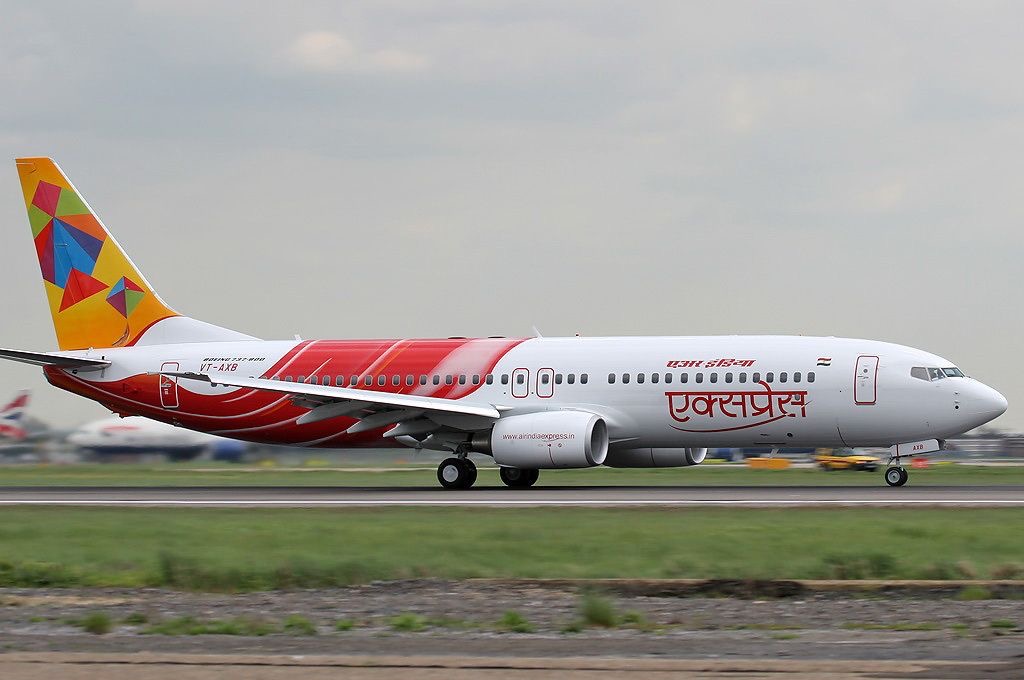
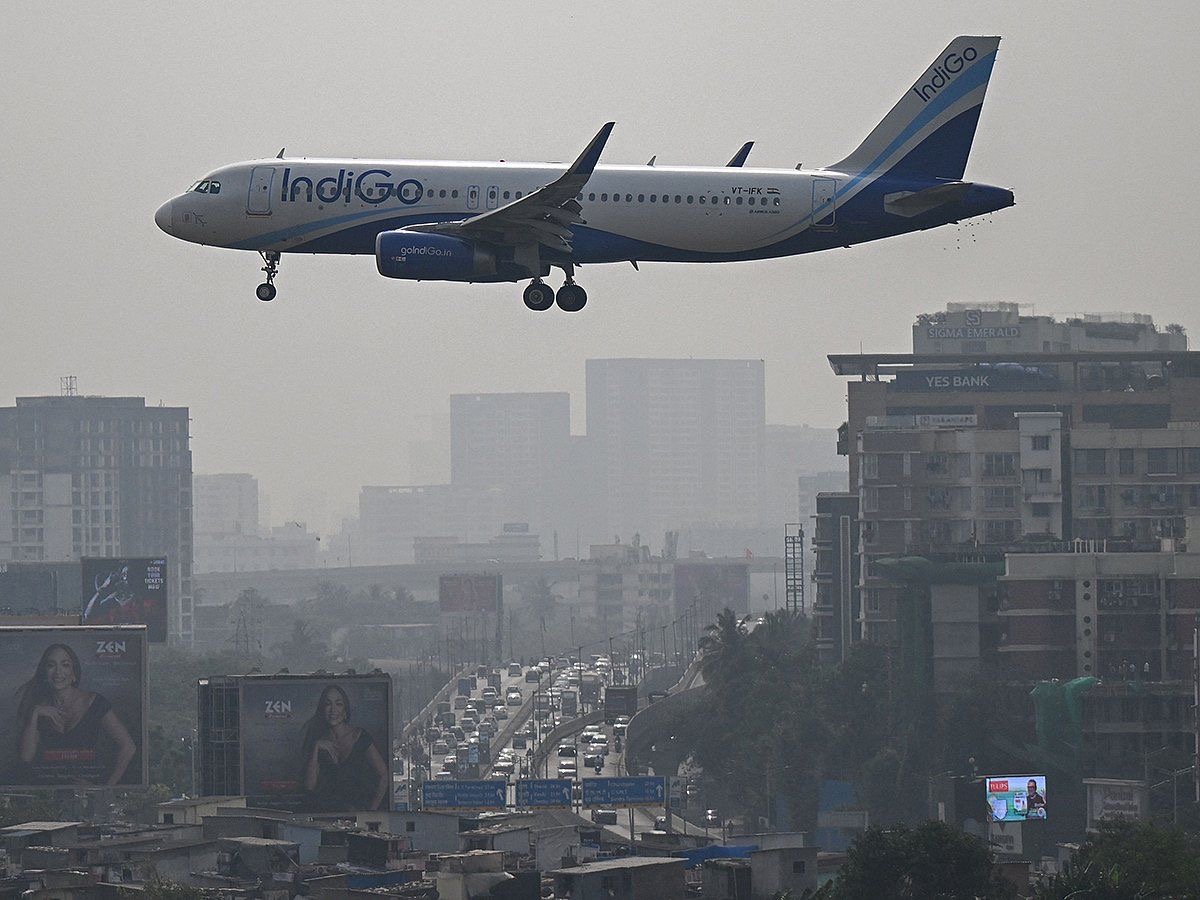
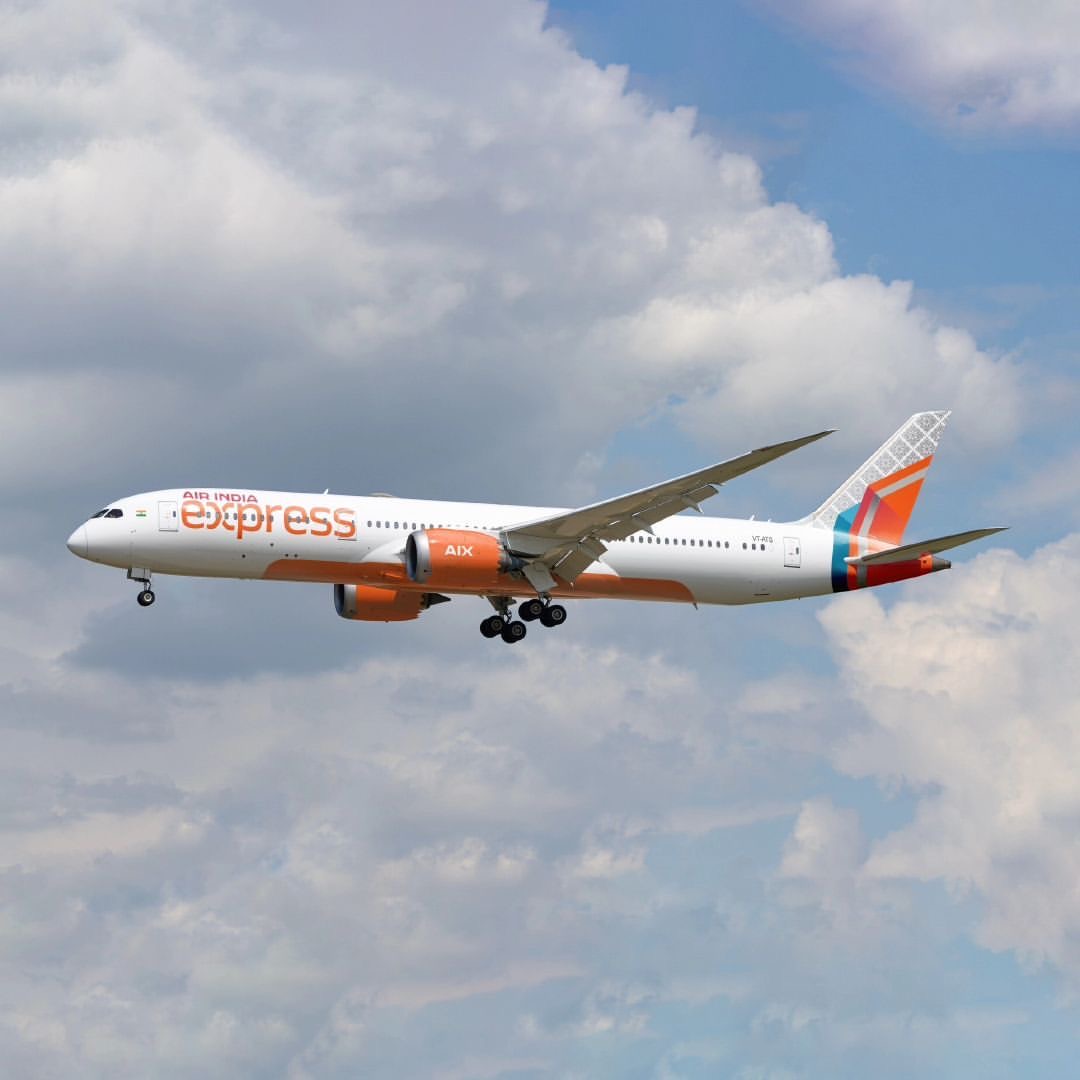
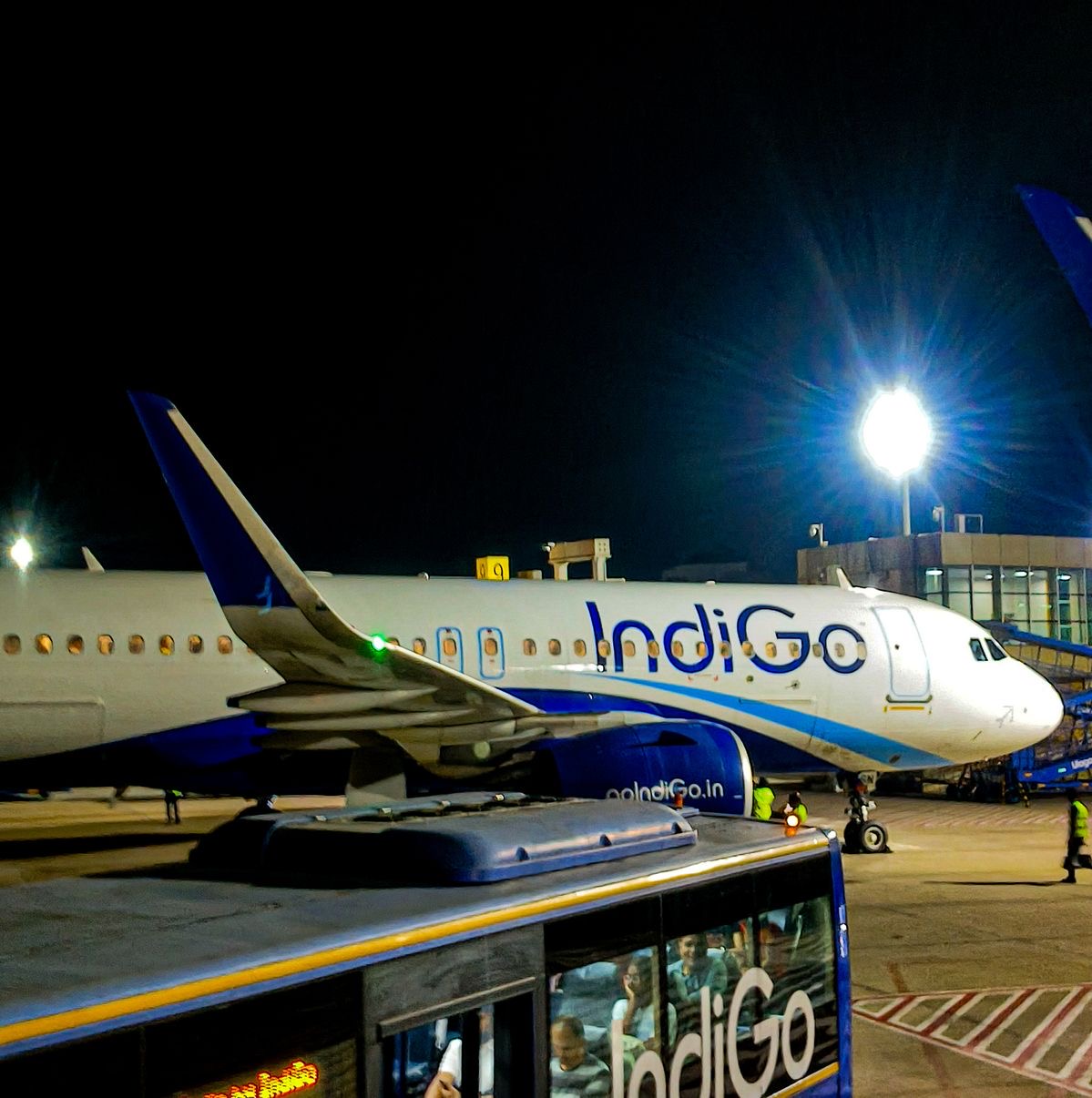
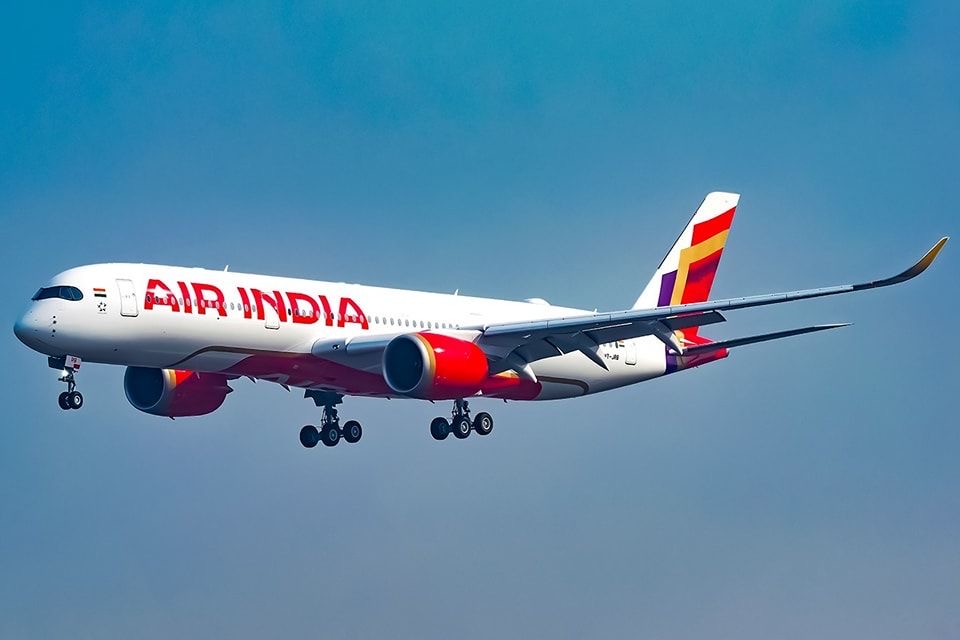
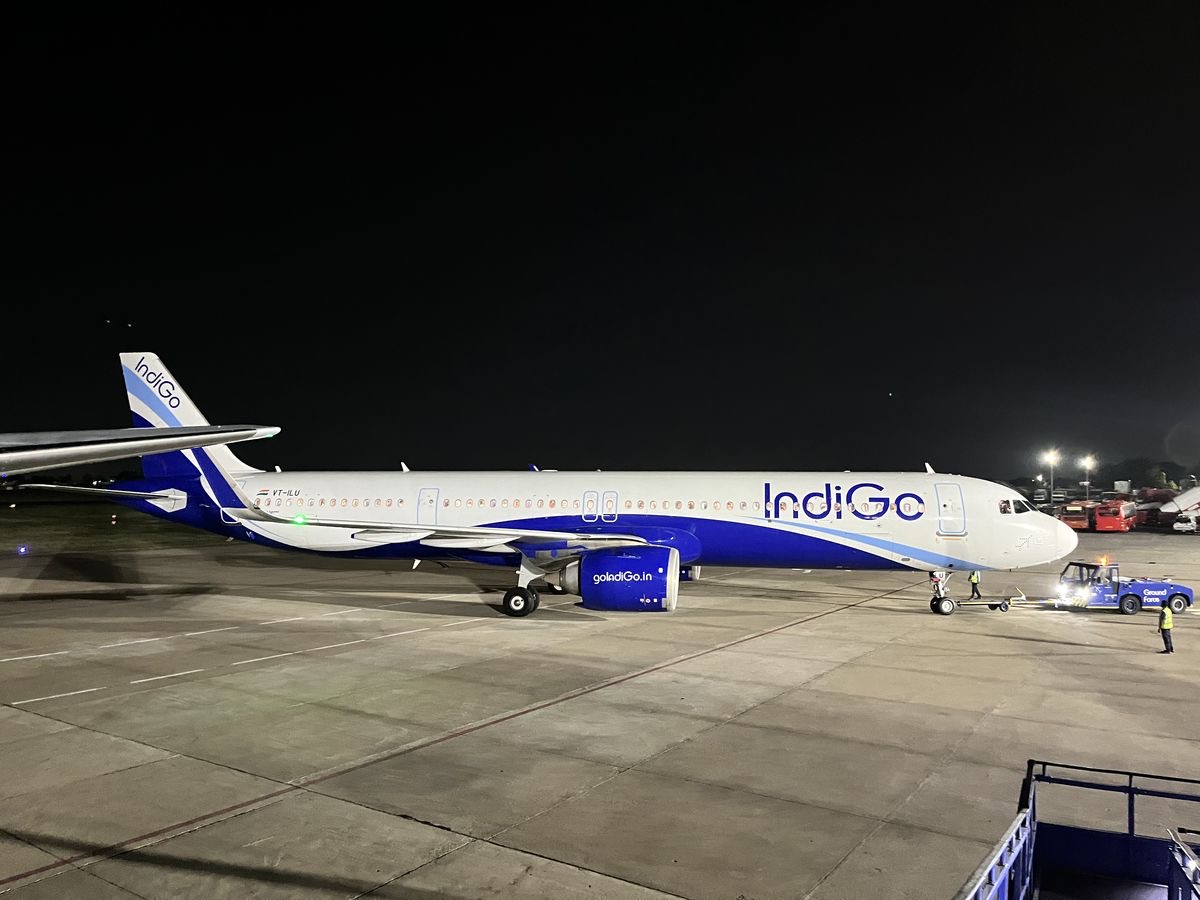
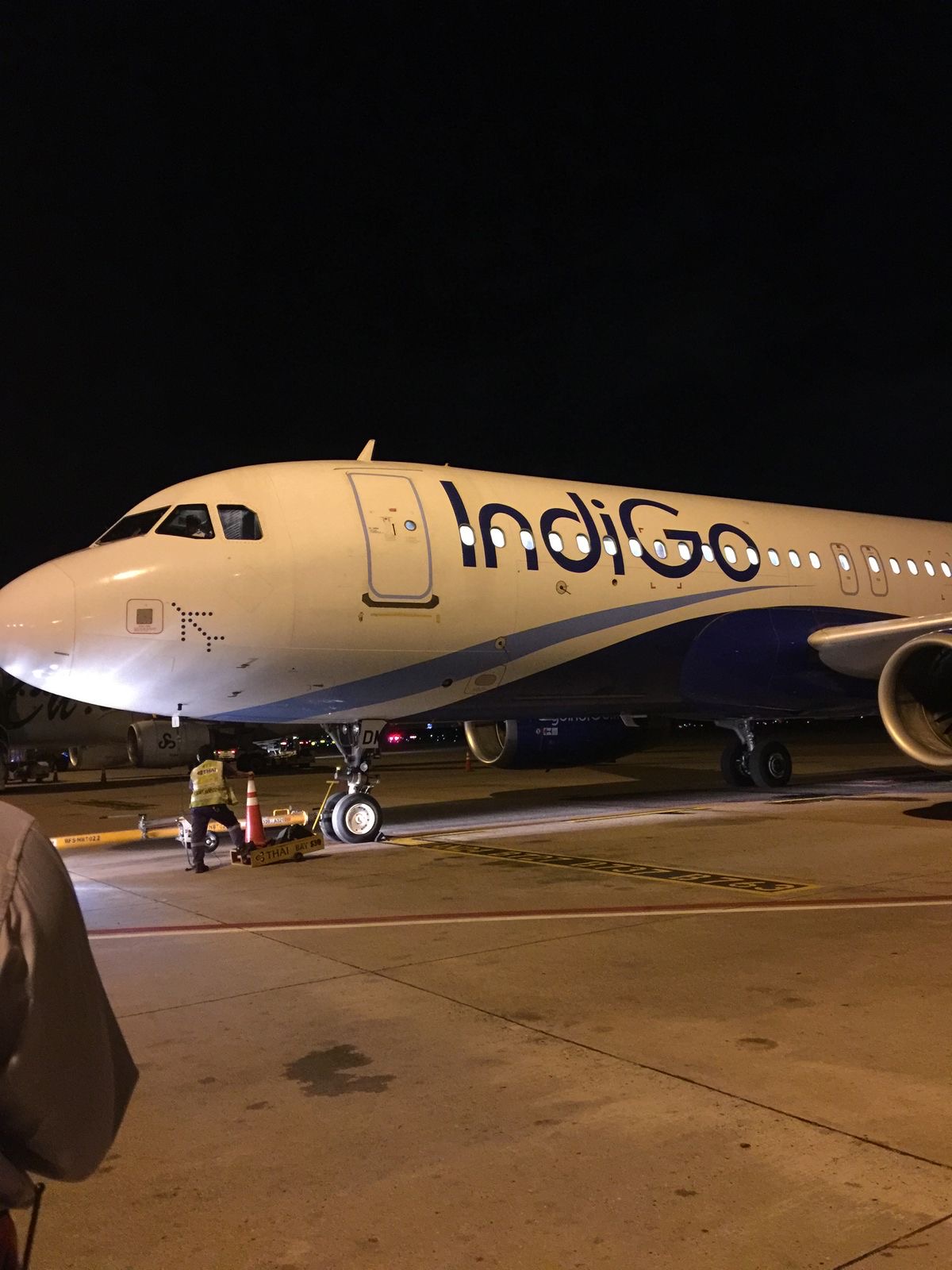
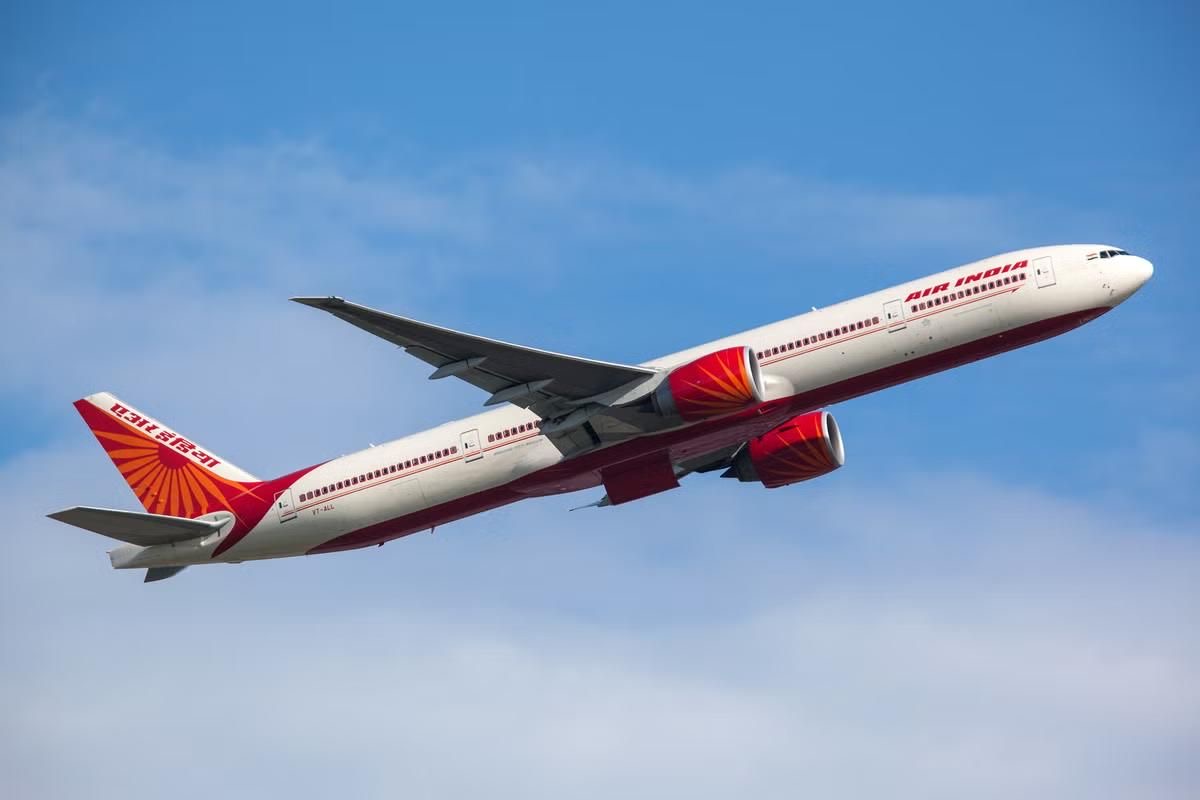
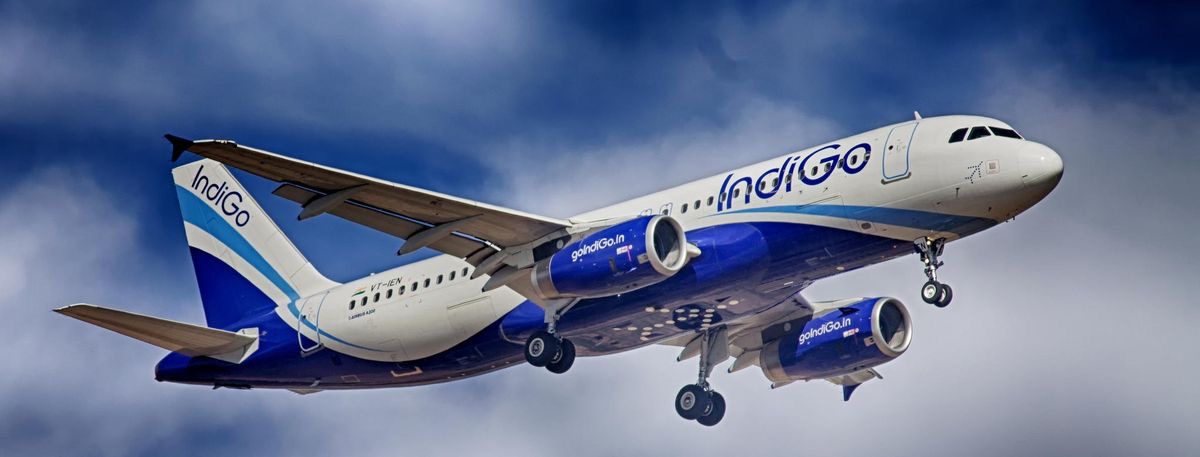
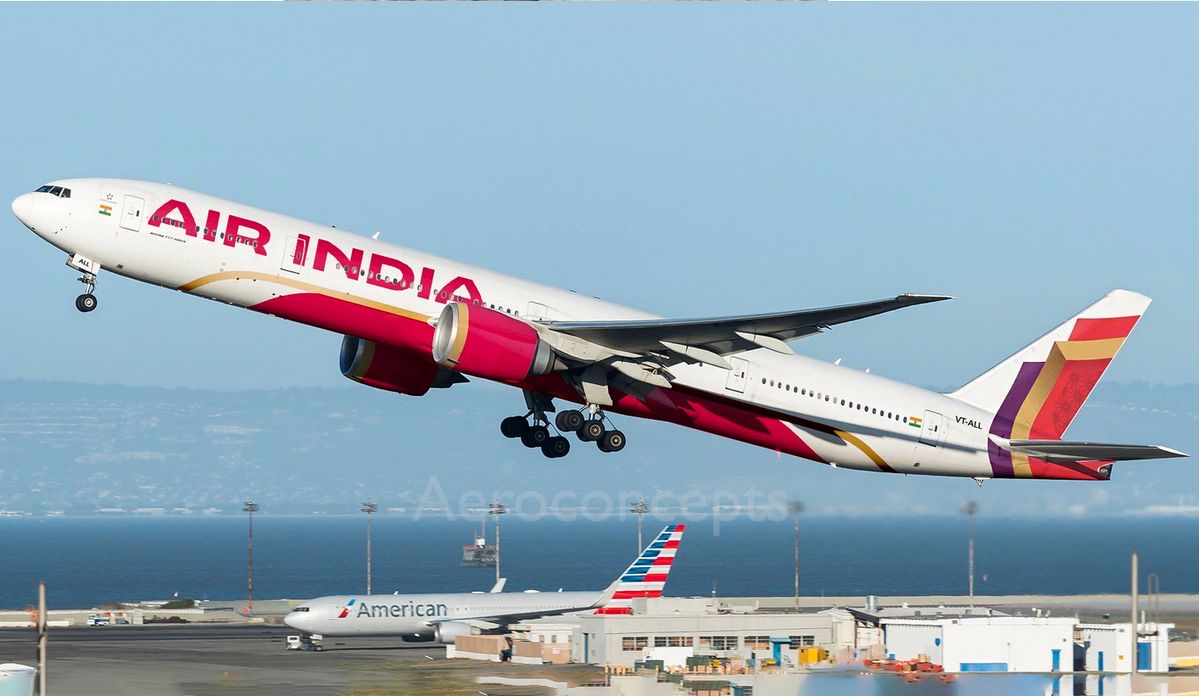
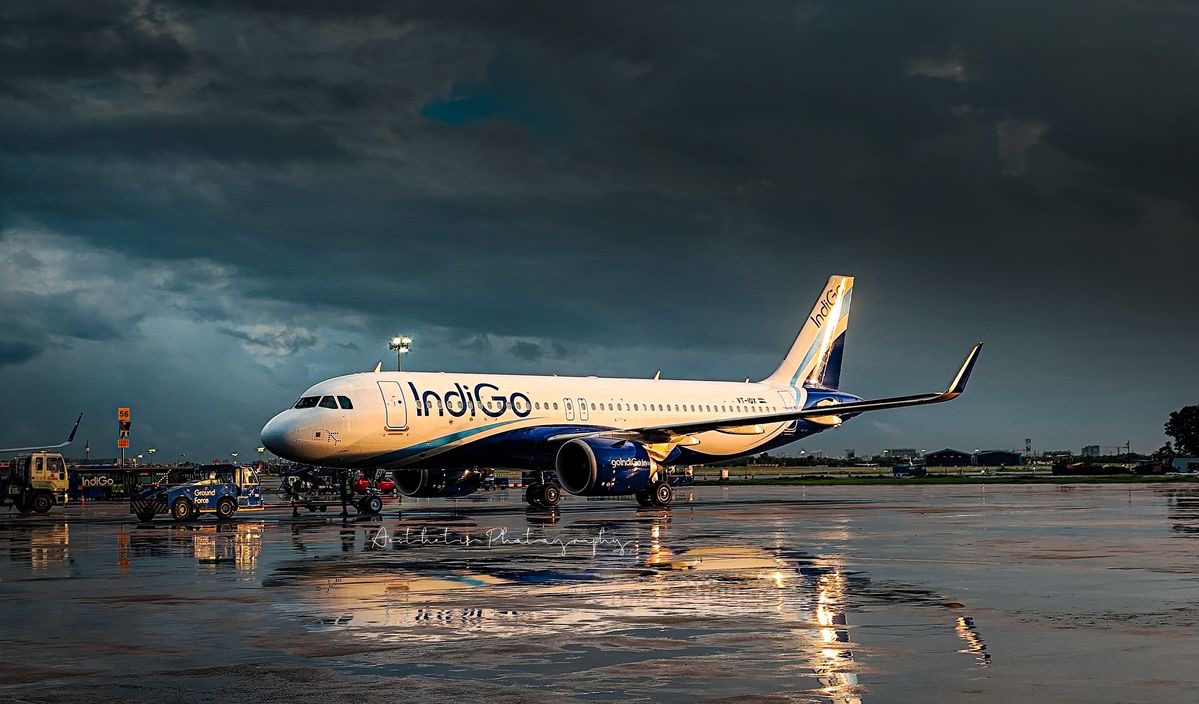
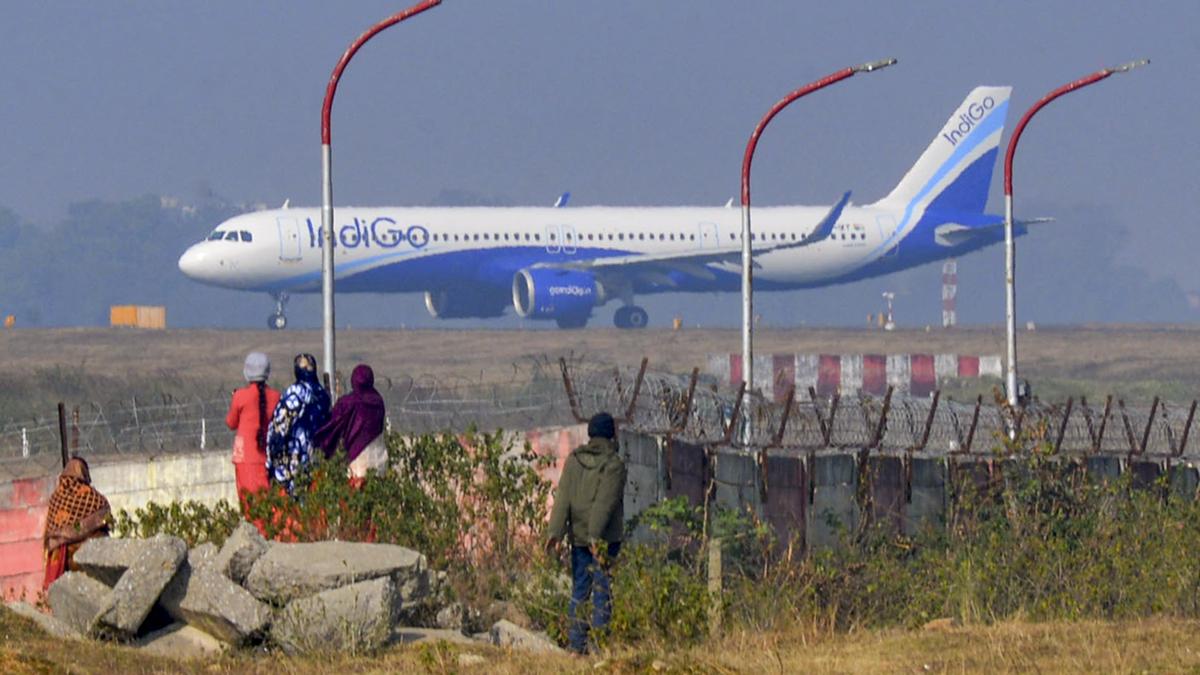
For airlines like IndiGo and Air India, which operate massive A320 fleets, these successive technical bulletins add layers of complexity to fleet management during the busy winter travel season.
Market reaction was swift, with Airbus shares taking a hit as investors digested the reality of slowed deliveries. Analysts caution that while the financial guidance for the year remains unchanged, the logistical logjam could bleed into early 2025, testing the patience of airlines already starving for new planes.