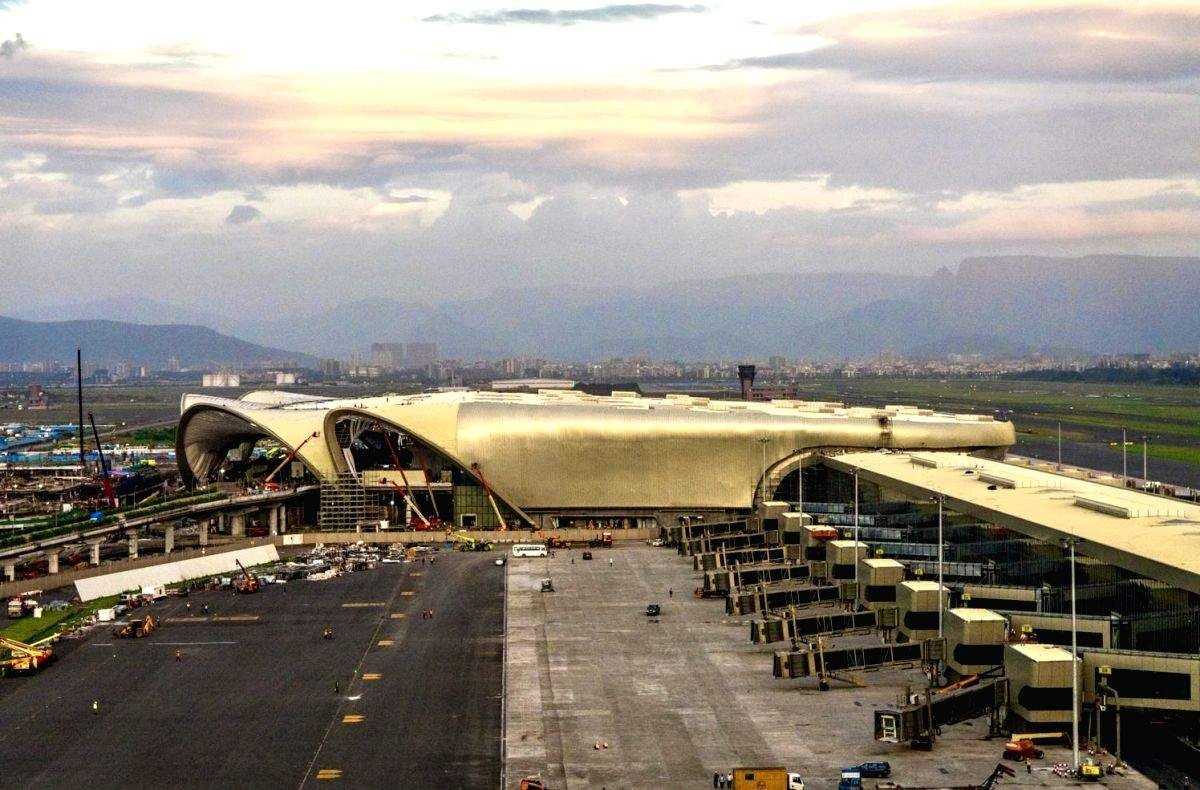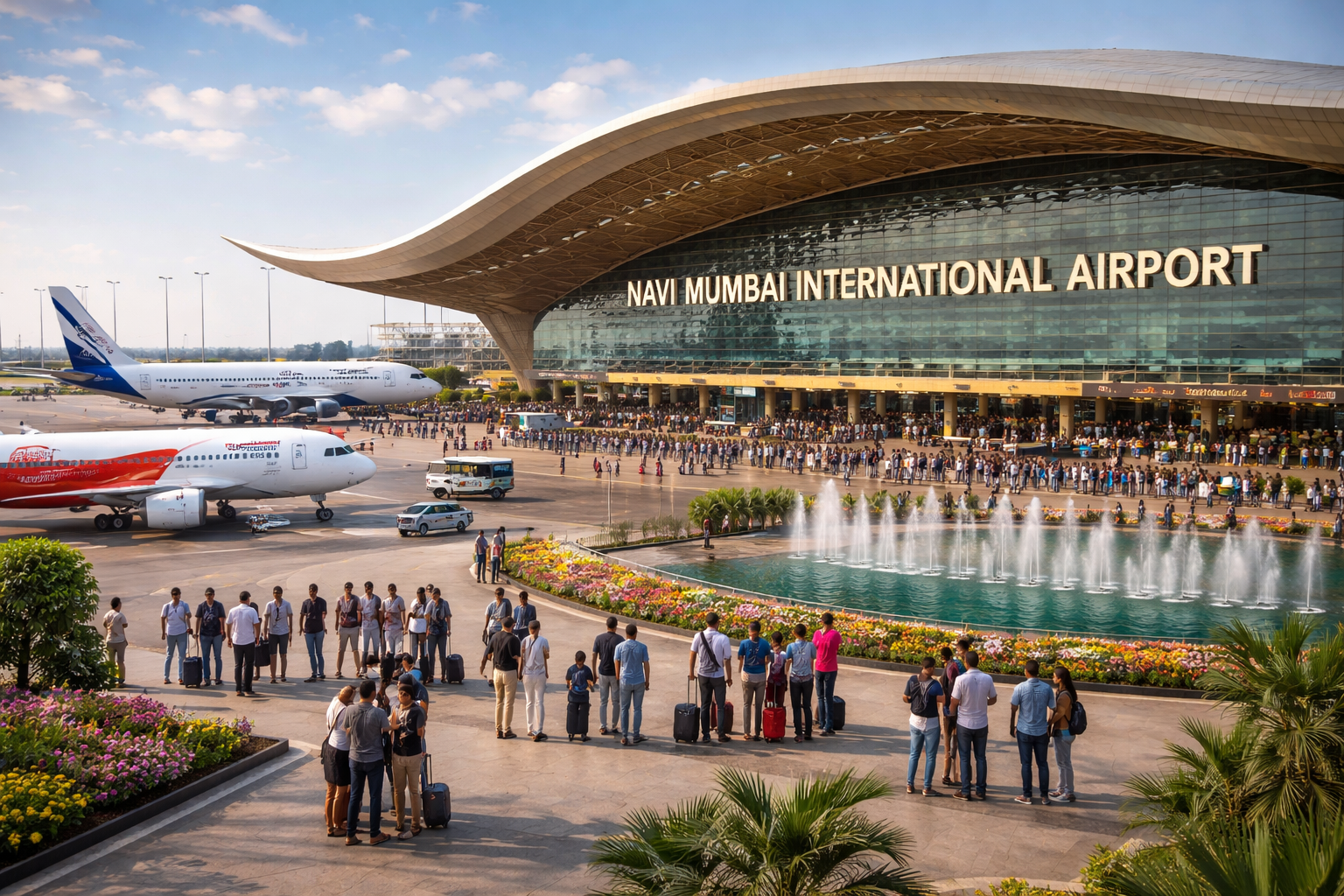
Navi Mumbai International Airport has introduced the DigiYatra facility, a biometric boarding system that allows passengers to move through airport entry and security using facial recognition technology, airport officials announced. The rollout of DigiYatra services is part of the airport’s drive to enhance passenger experience, improve processing efficiency and reduce queue times at key touchpoints such as entry gates and security checkpoints.
DigiYatra is a government-backed initiative that enables citizens to enrol once and then use face authentication for multiple stages of their airport journey, replacing the need for repeated passport and boarding pass checks. Passengers who opt in and complete a one-time verification process can access the airport terminal and security zones seamlessly, making the process faster and more convenient than traditional paper-based or document-based screening.
At the newly operational Navi Mumbai facility, passengers can register for DigiYatra through the official app or kiosk at the airport, linking their boarding pass details with facial biometrics. Once enrolled, travellers can move through designated DigiYatra lanes where cameras match their live image against the registered profile, allowing them to enter the terminal and security without stopping for manual checks. Airport management said the system supports both domestic and international travellers, subject to regulatory clearances and airline participation.
Airport leaders emphasised that DigiYatra is designed to enhance both convenience and safety. By reducing physical document handling and allowing touchless processing, the system helps streamline passenger flows and reduce crowding at peak periods. This reflects broader trends across global aviation to digitise passenger processing, improve throughput and align with health protocols that prioritise contactless interactions.
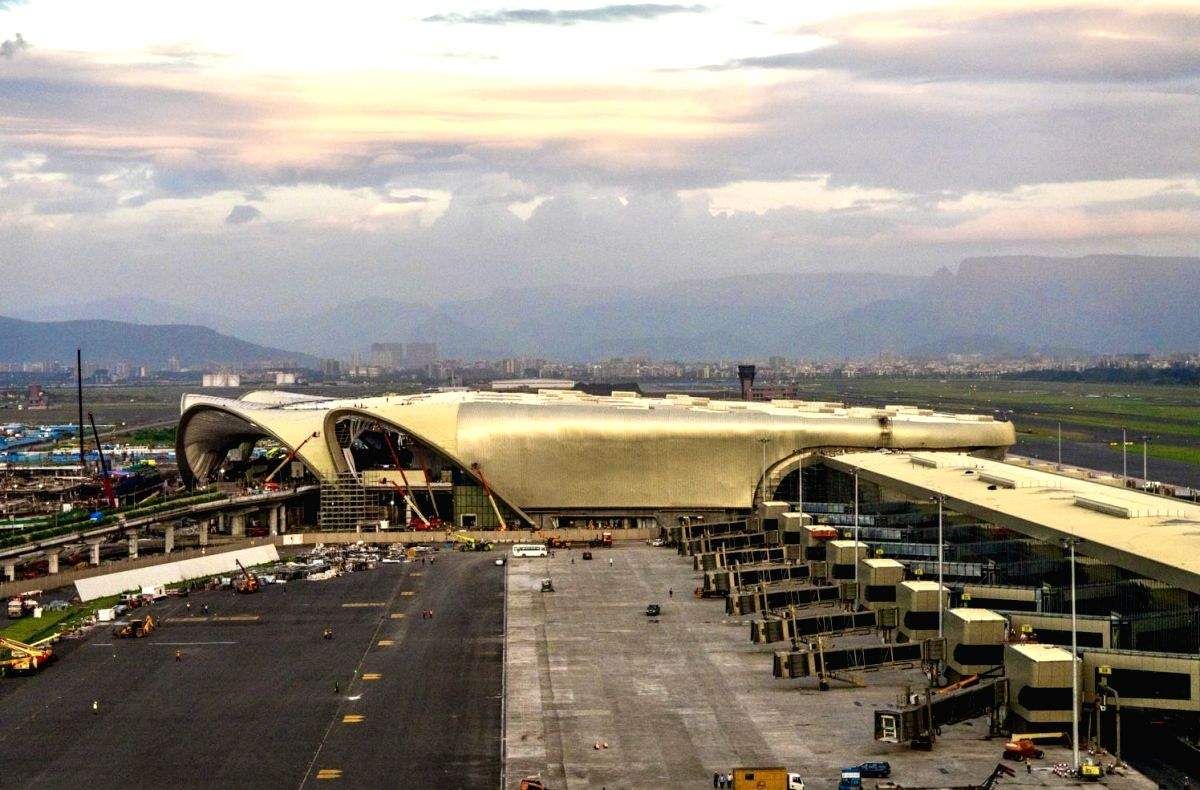
The introduction of DigiYatra at Navi Mumbai comes as the airport prepares for its full commercial launch and anticipates high passenger volumes, with airlines planning to expand services from the new facility. Officials said that biometric boarding and touchless entry lines are expected to significantly reduce wait times at busy terminals, particularly for frequent flyers and those travelling during peak hours.
Passengers using DigiYatra still undergo standard security screening and must comply with all aviation safety procedures, but the document checks that normally occur at terminal entrances and security document counters are diminished or eliminated for registered users. This helps redistribute staffing resources and improves overall operational efficiency, freeing security and check-in personnel to focus on other core airport functions.
The technology has been rolled out in phases at several major Indian airports and is part of the Ministry of Civil Aviation’s vision to transform passenger experience across the country. By integrating biometric boarding with airport access control, DigiYatra aims to reduce manual intervention, speed up wait times and support a frictionless journey from drop-off to boarding gate.
Early users of DigiYatra at Navi Mumbai reported shorter processing times and a more intuitive travel experience. The airport’s customer service teams are on hand to assist first-time users and ensure that registration and authentication steps proceed smoothly. Training for staff and technical support systems have been put in place ahead of the official launch to help passengers familiarise themselves with the new process.
Airlines operating from Navi Mumbai are also collaborating with airport authorities to ensure that boarding passes are linked correctly with DigiYatra profiles and that system interoperability is maintained. This cooperation is critical because biometric boarding requires coordination between airline check-in systems, passenger lists and airport access control networks.
Observers say that technology initiatives like DigiYatra help position Navi Mumbai Airport as a modern, digitally enabled aviation gateway capable of delivering efficient service at scale. As airlines prepare to launch routes and expand capacity at the new airport, handling systems that reduce friction and improve passenger experience will play a key role in attracting travellers and enhancing airport reputation.
The introduction of DigiYatra technology aligns with India’s broader push toward digital transformation in travel infrastructure, where biometric processing, automated baggage handling, digital identity management and real time data flows are becoming core to competitive airport operations.
With passenger enrolment underway and services operational, Navi Mumbai Airport is expected to refine its biometric services based on traveller feedback and usage patterns, potentially expanding DigiYatra lanes and features as volumes grow. The airport’s leadership said that this step demonstrates a commitment to innovation, efficiency and world-class passenger convenience as operations ramp up in the coming months.