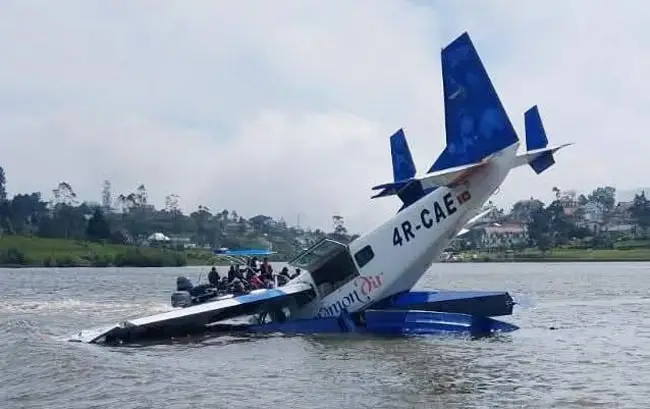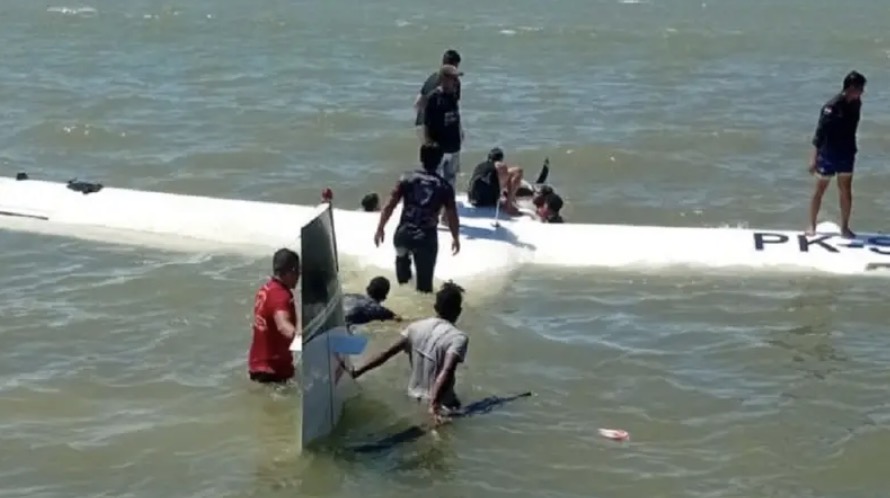
A Smart Air Cessna aircraft was forced to ditch in the waters off the coast of Nabire, Indonesia, after the flight crew reported a technical issue that made continued flight unsafe. The lightweight twin-engine aircraft, carrying 13 people including passengers and crew, descended to the sea in a controlled emergency water landing, and everyone on board was reported safe following the incident.
The flight was on a short sector between regional ports when the pilots recognised a mechanical irregularity that warranted immediate action. As is standard in aviation emergency procedures, the captain evaluated the available options and determined that a water landing in a calm coastal area presented the safest course of action given the circumstances. The crew maintained control throughout the descent, keeping the aircraft’s wings level and preparing passengers for impact in coordination with cabin announcements.
Rescue vessels and support teams were activated as soon as the emergency declaration was transmitted, with local maritime authorities, search and rescue units and coastal patrol craft converging on the aircraft’s last known position. The relatively calm sea state and favourable weather conditions helped rescuers reach the scene quickly, where passengers and crew were already clear of the aircraft and standing in life vests or on the aircraft’s floats.
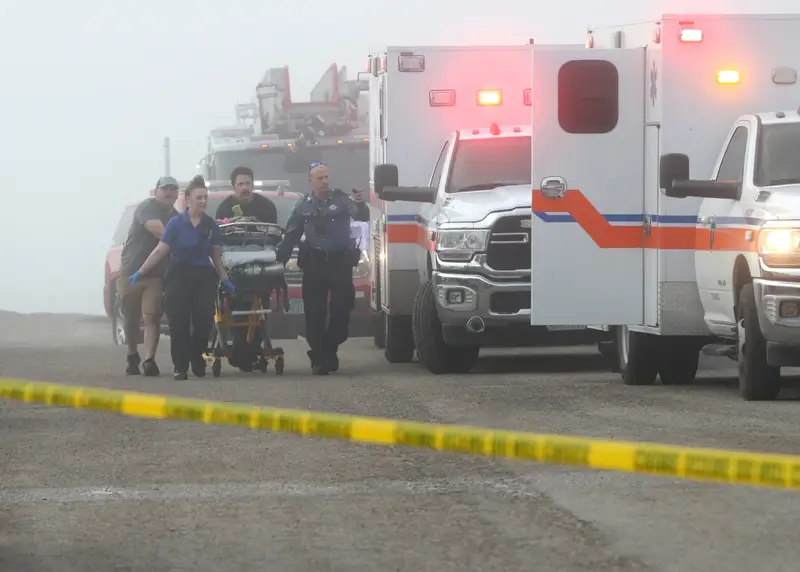
Emergency responders transferred all 13 people from the water to awaiting boats, then to shore for medical evaluation and support. Initial checks indicated that none of the occupants suffered serious injuries, although some received precautionary treatment for mild shock and exposure following the water landing. Local health officials said that all evacuees were conscious and responsive, praising the skill of the flight crew and the rapid coordination of rescue units.
Smart Air issued a statement confirming the successful water landing and the safety of everyone involved, noting that the decision to ditch was taken strictly as a precaution. The airline emphasised that its pilots are trained extensively for emergency procedures, including water landings, and that the category of aircraft involved is certified for such operations when necessary.
Investigators are expected to examine the aircraft’s systems and maintenance history to determine what technical issue triggered the diversion. In modern aviation, engines and critical flight systems are constantly monitored, and any significant deviation from expected performance often leads pilots to divert or seek the closest suitable landing area. In this case, the coastal waters near Nabire offered a wide, open area that reduced risk to people on the ground.
The aircraft’s occupants were assisted by airline staff and medical teams on shore, where they spoke about the incident with relief and gratitude for the crew’s professionalism. Many passengers noted that the flight attendants remained calm and clear in their instructions, helping everyone prepare for the unexpected landing and bringing them together for safety briefings before impact.
Smart Air has cooperated with local authorities in the initial phase of the post-incident review, providing flight data, maintenance logs and crew statements to the investigative team. The focus of the ongoing inquiry will be to uncover any mechanical or procedural factors that led to the emergency, and to recommend measures that can further enhance safety even beyond current protocols.
Aviation safety experts say that successful emergency water landings, while rare, demonstrate the strength of pilot training and aircraft design redundancies in mitigating risk. When executed properly, water ditchings can preserve life despite the unexpected loss of altitude or systems in flight. They emphasise that calm conditions, quick recognition of a developing issue and disciplined execution by the flight crew are key to such positive outcomes.
For now, attention has shifted to the wellbeing of those involved and the technical analysis that will follow. Families and friends of the passengers and crew have expressed relief at the outcome, and the event stands as a testament to the effectiveness of emergency preparedness and coordination among pilots, rescue teams and aviation authorities.