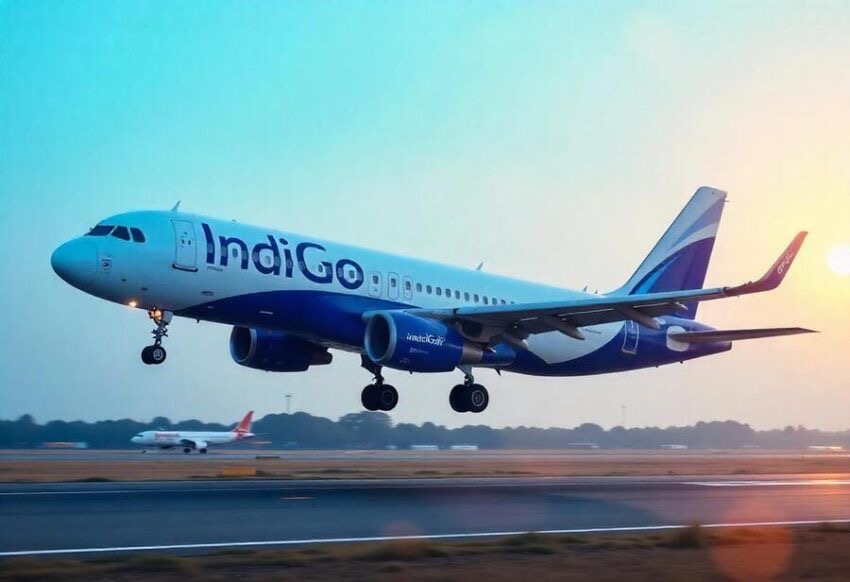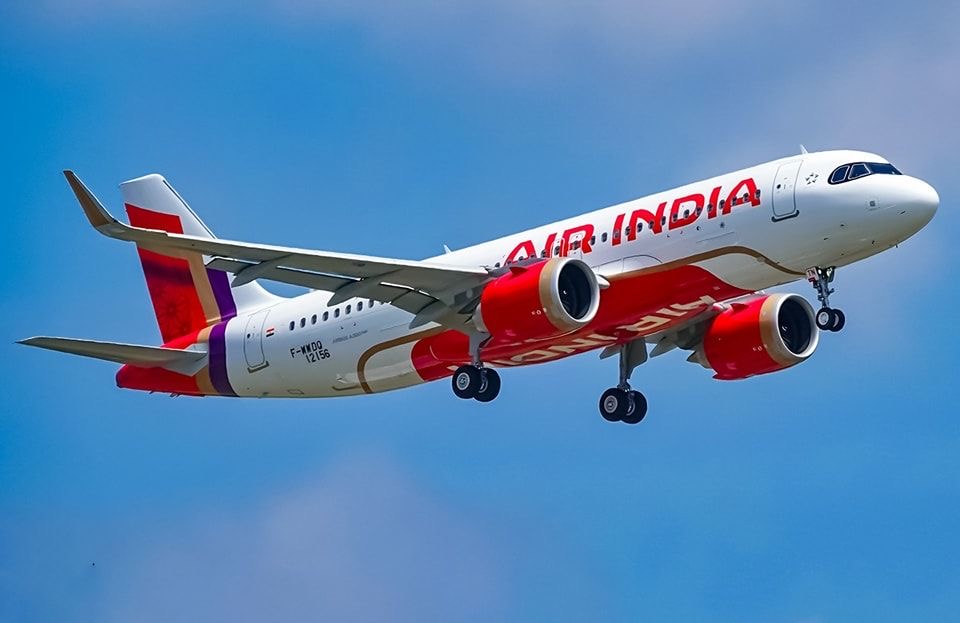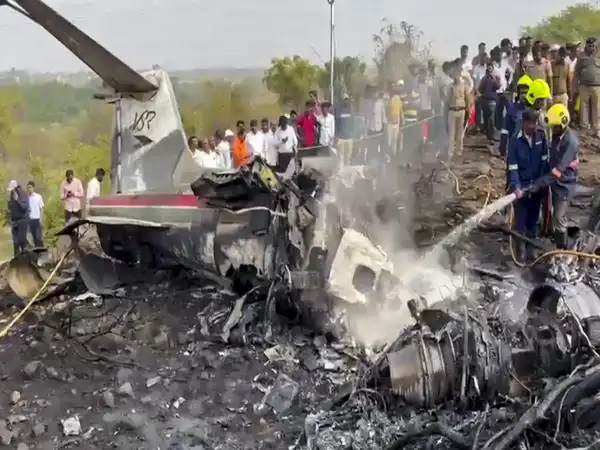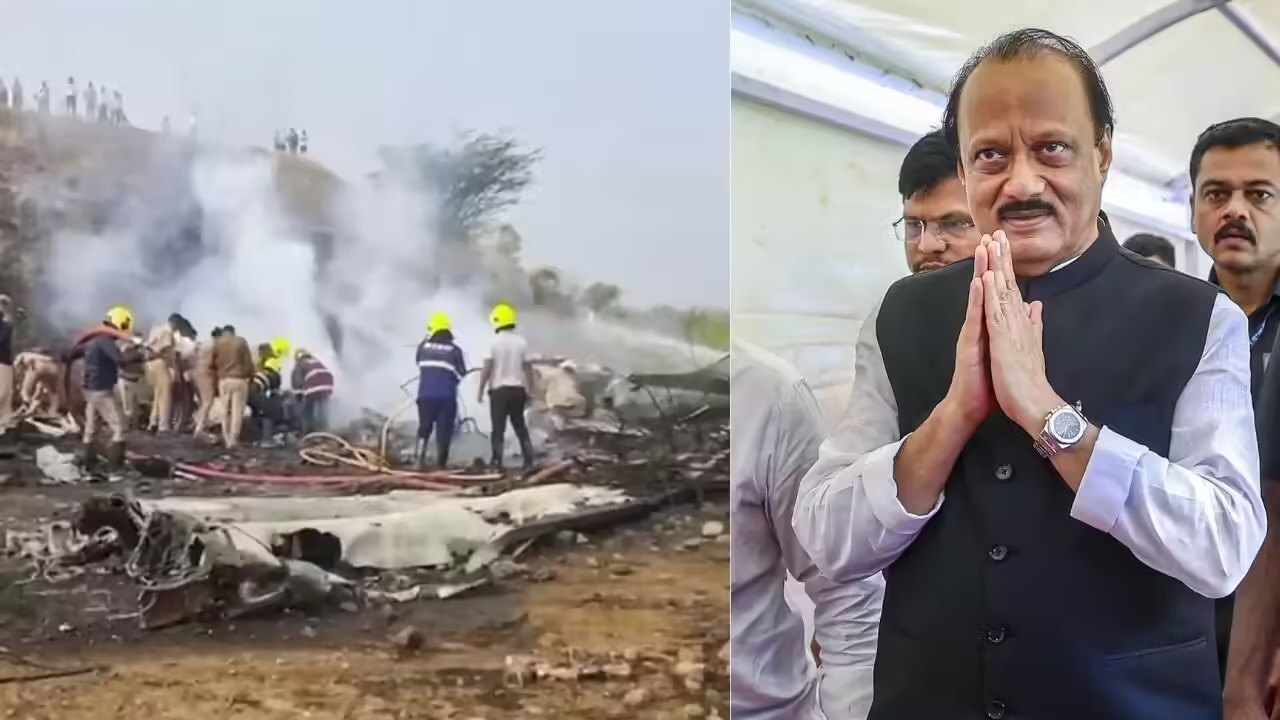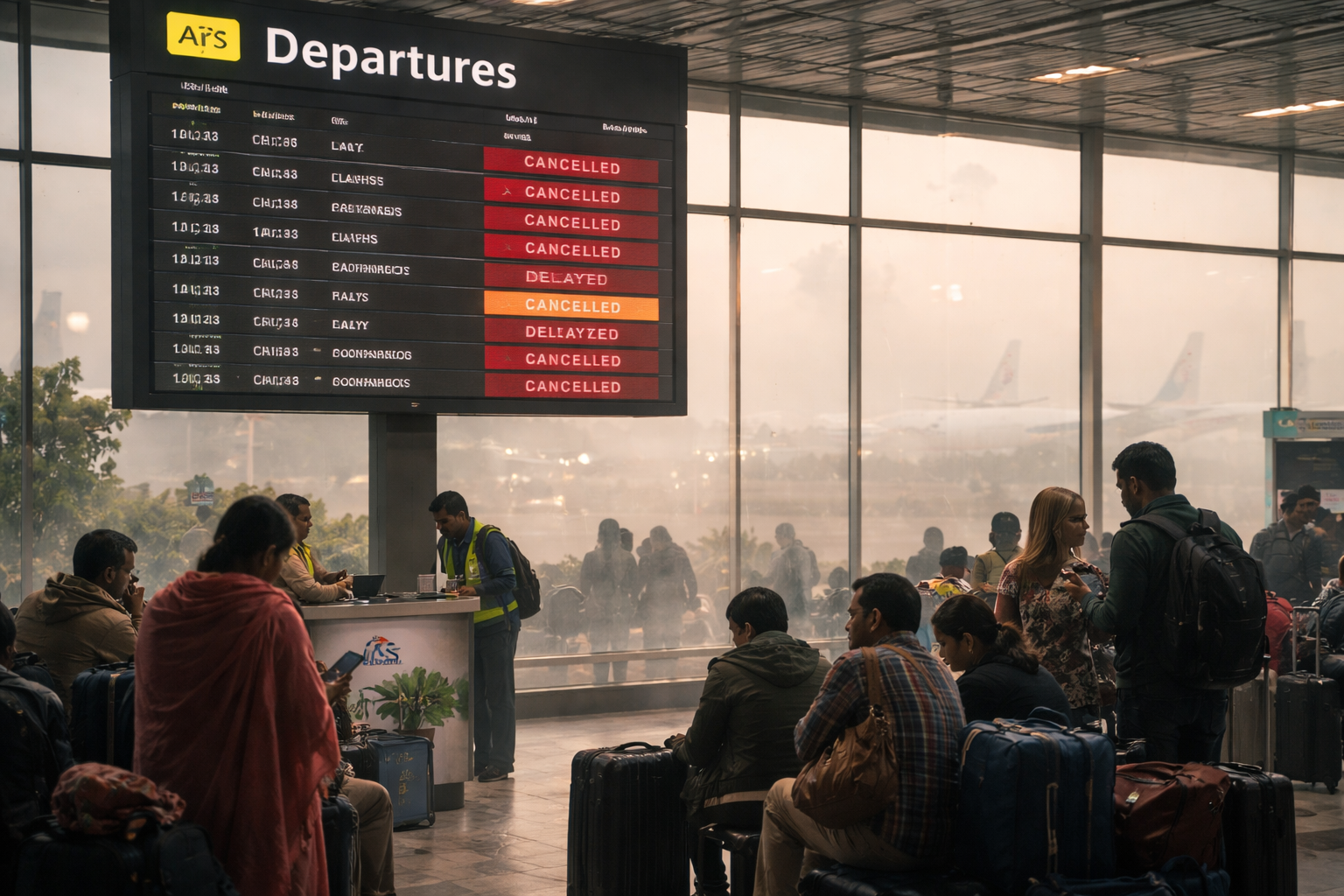
India’s civil aviation sector has weathered a challenging period marked by rapid growth, operational pressures, and heightened public scrutiny. Yet, according to senior government officials, these very challenges have acted as a catalyst, strengthening the industry’s determination to improve safety standards and reinforce confidence among air travellers. Rather than weakening the system, recent setbacks have underscored the importance of resilience, accountability, and continuous improvement in one of the country’s most dynamic sectors.
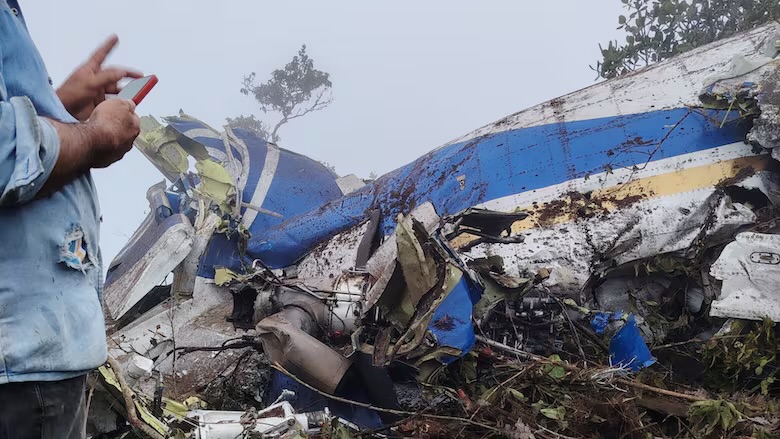
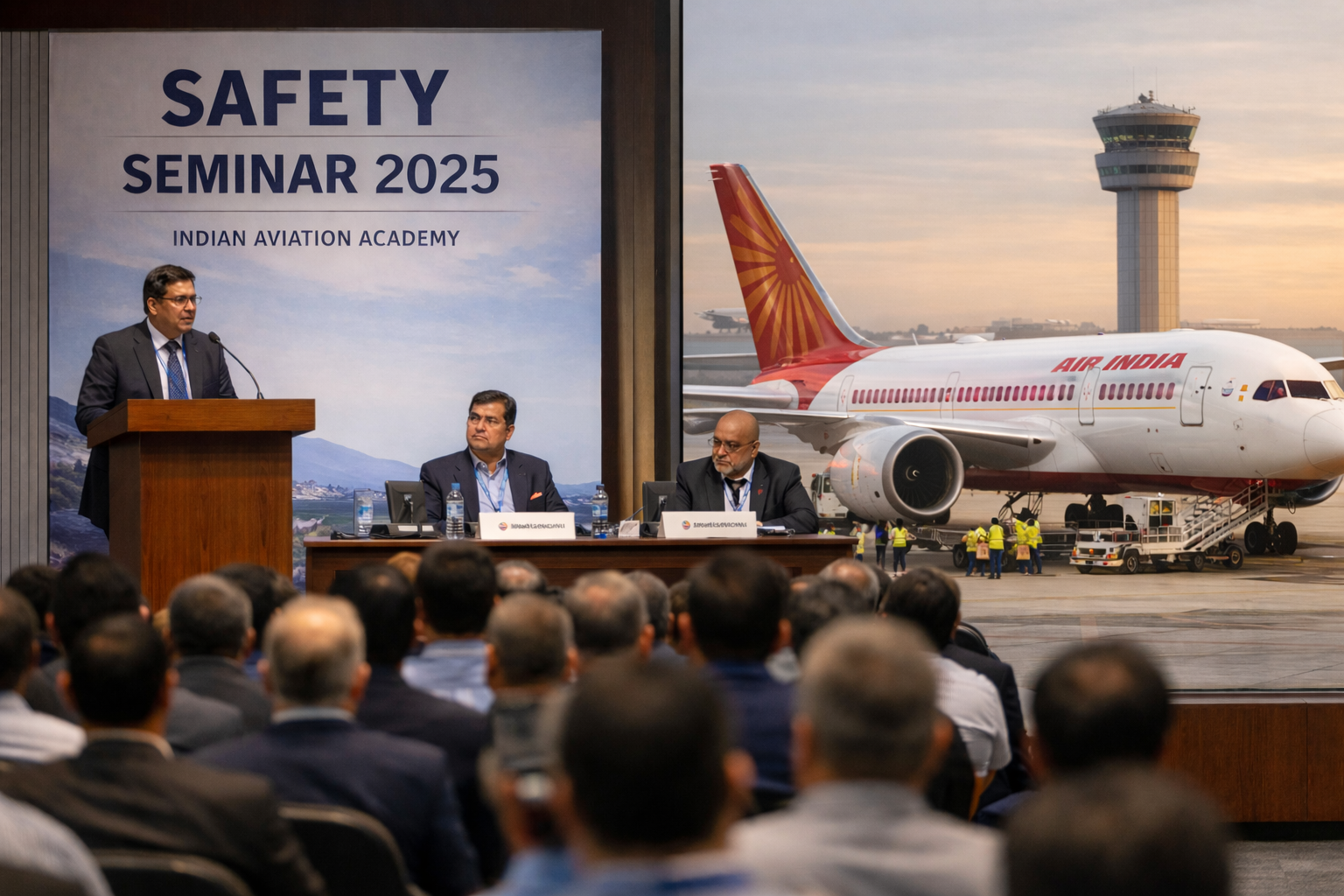
Addressing a gathering of industry stakeholders, regulators, and aviation professionals at a safety seminar in New Delhi, Civil Aviation Secretary Samir Kumar Sinha acknowledged that the past year had tested the sector in multiple ways. He noted that incidents and operational difficulties serve as powerful reminders that aviation safety cannot be taken for granted, especially at a time when passenger numbers and fleet sizes are expanding at an unprecedented pace. According to Sinha, the experiences of the last year have reinforced the collective responsibility of everyone involved in aviation to remain vigilant and proactive.
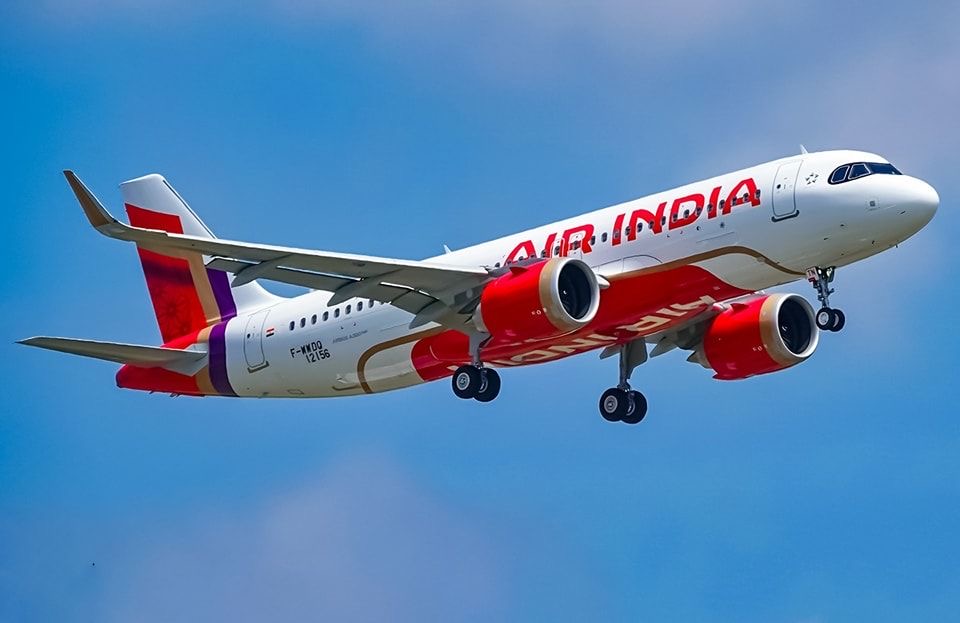
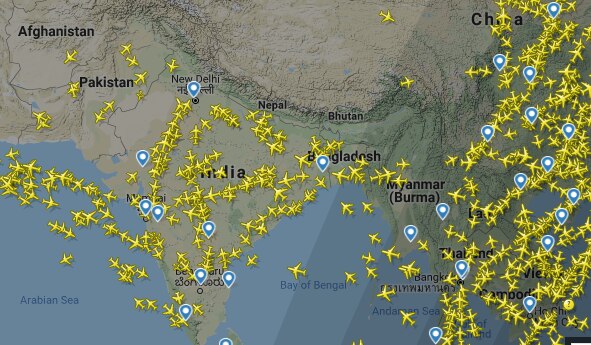
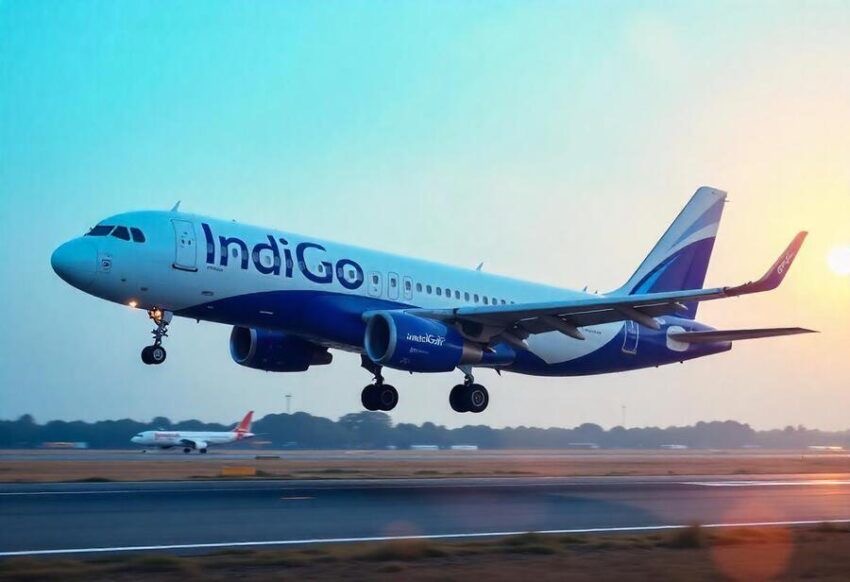
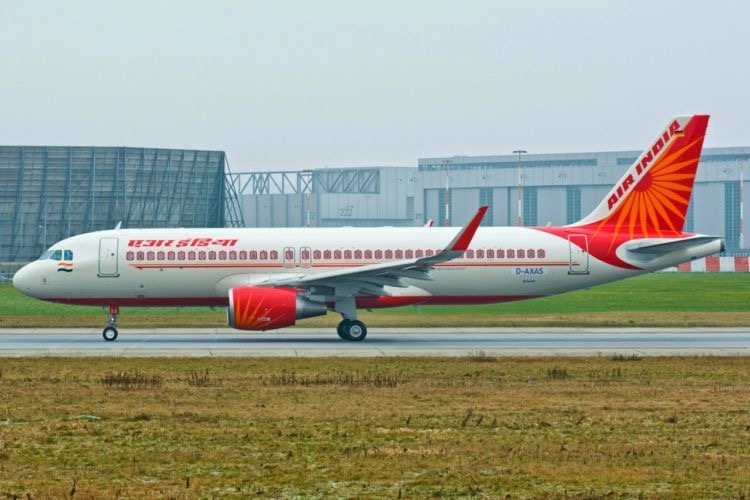
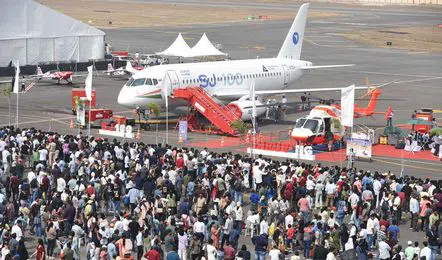
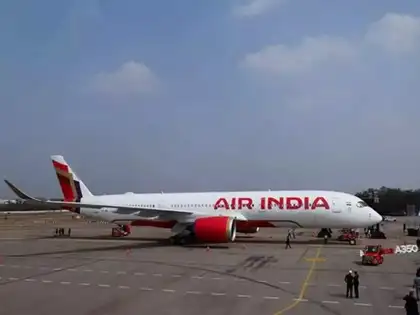
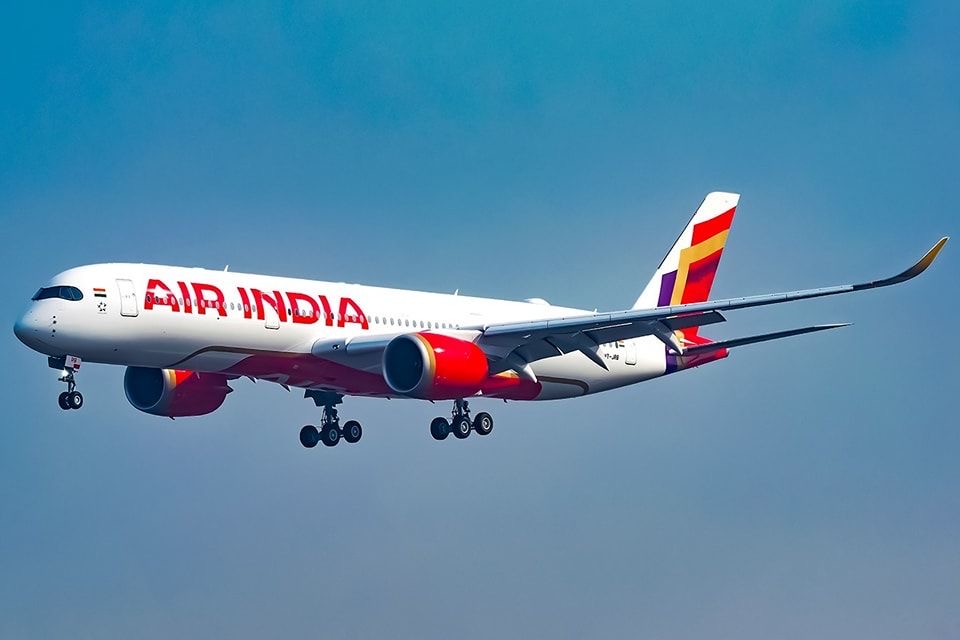
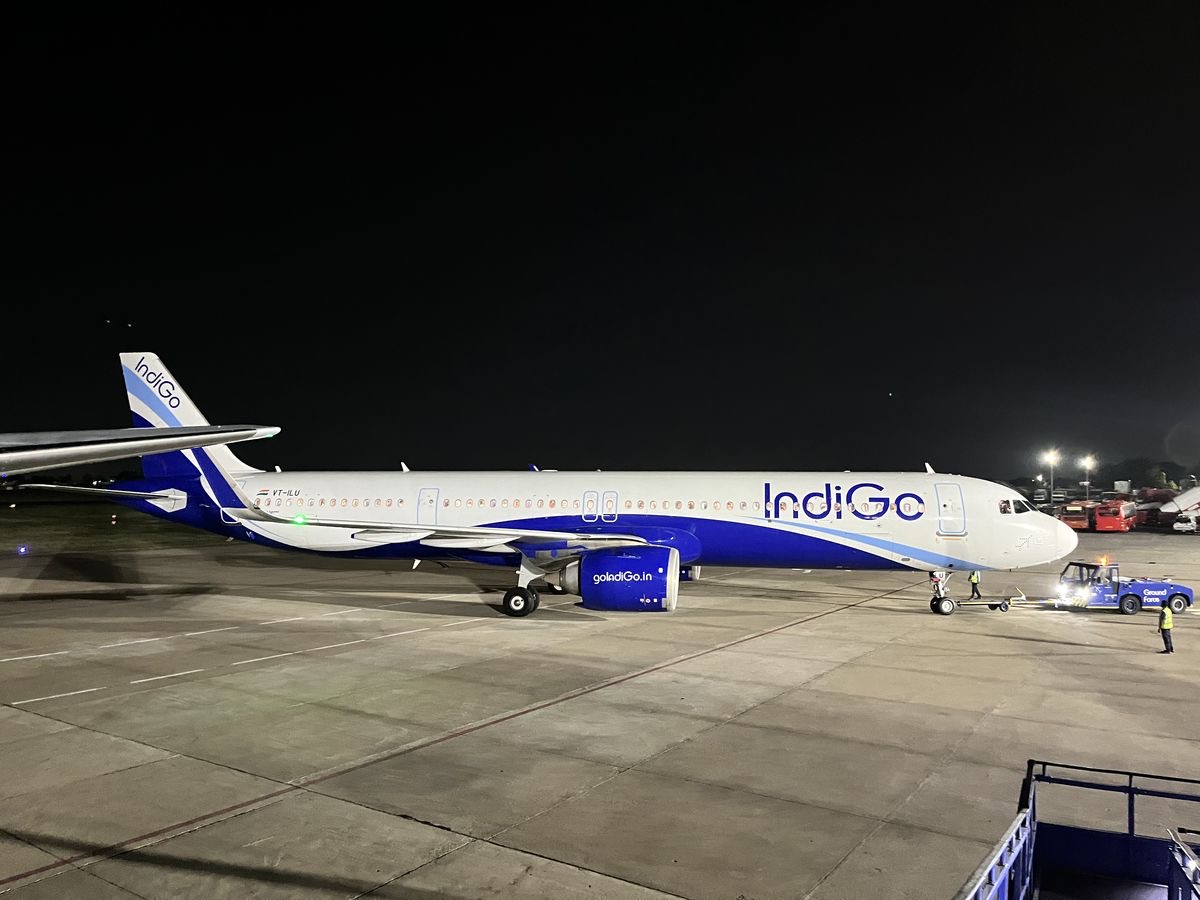
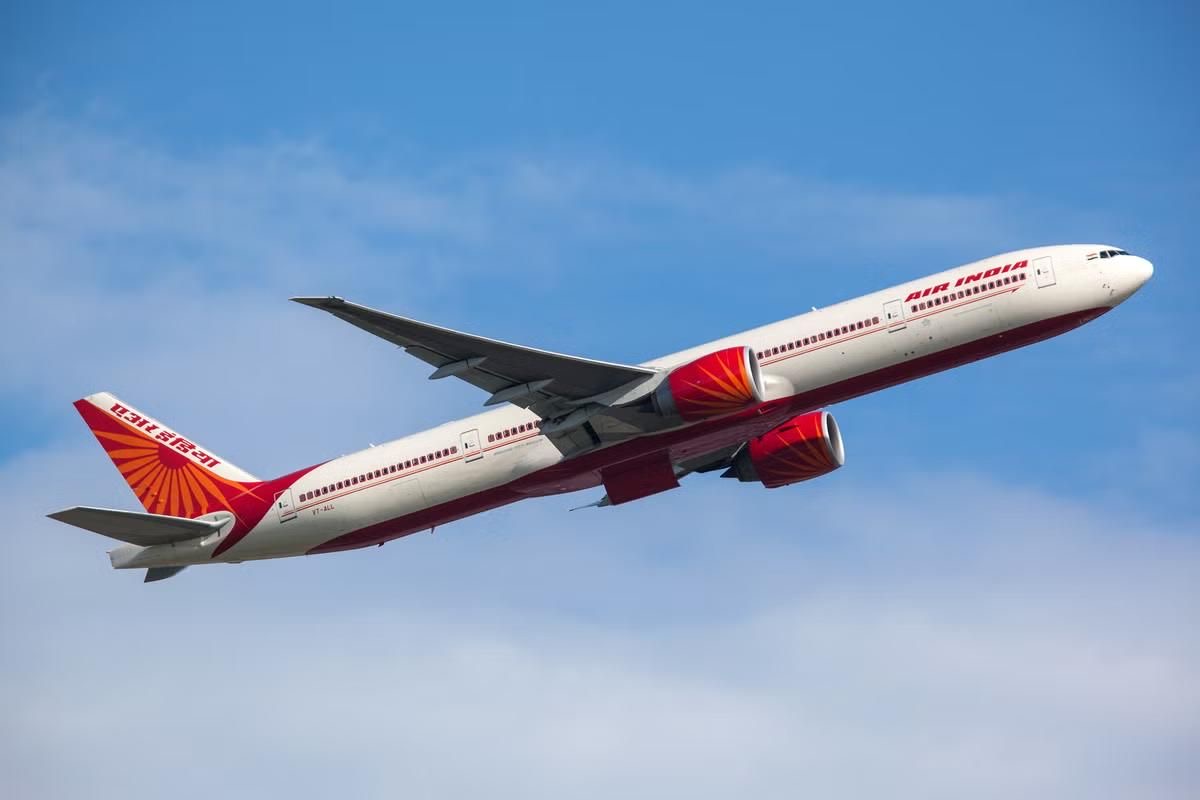
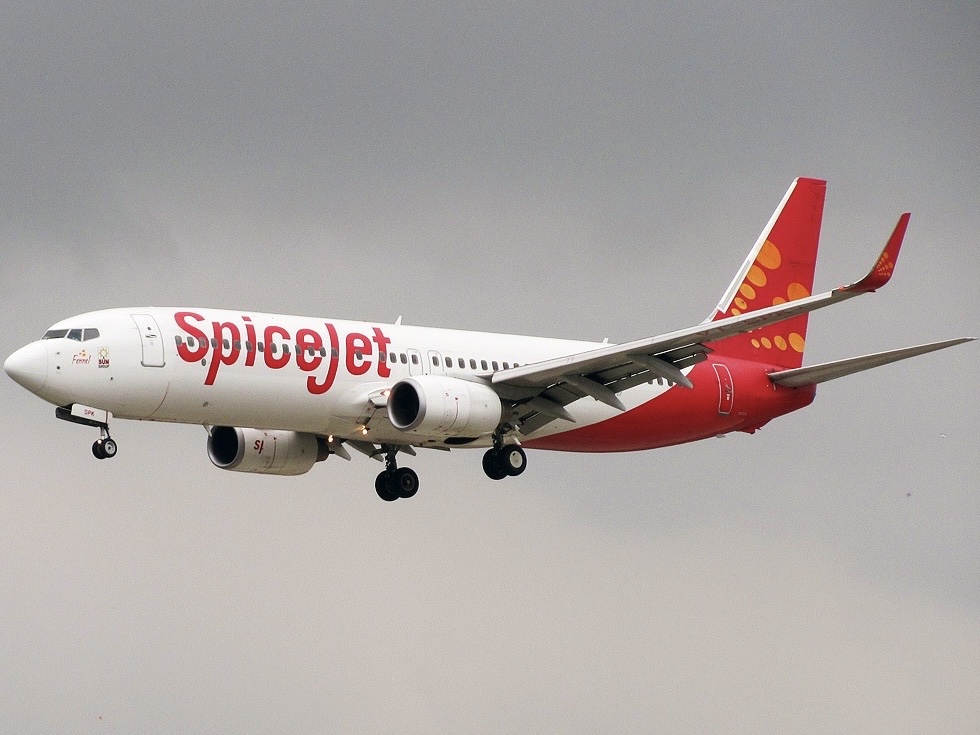
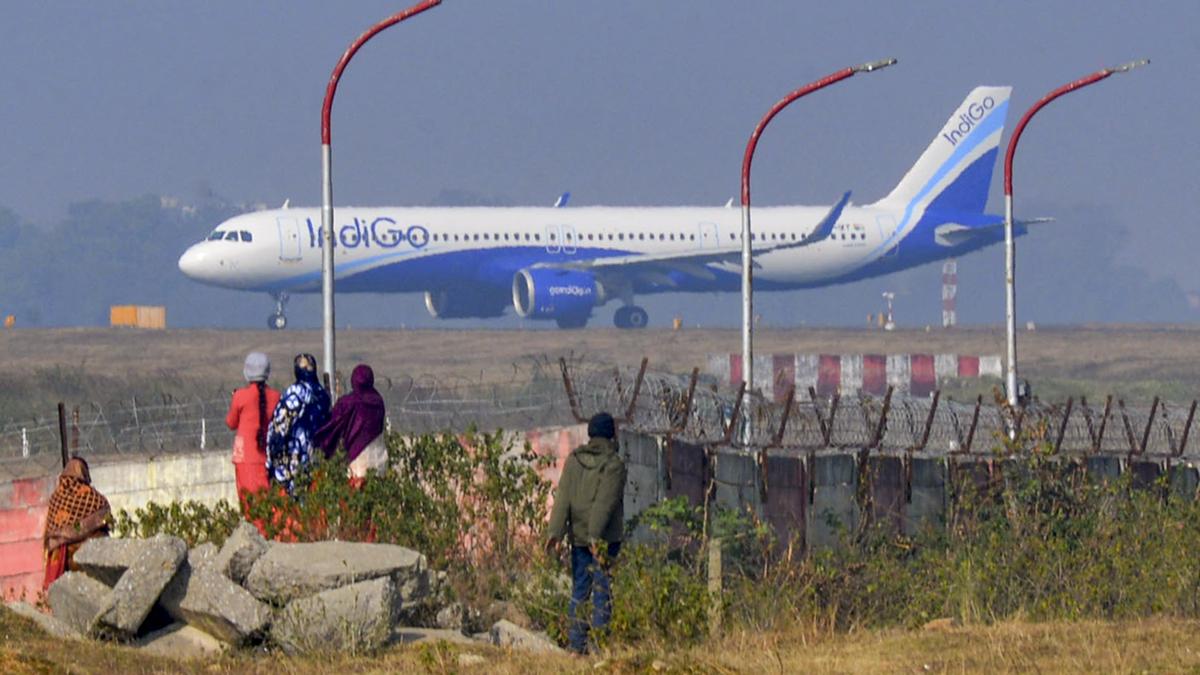
Sinha highlighted the remarkable transformation of India’s aviation landscape over the past decade. Domestic air passenger traffic has grown steadily at an average annual rate of about nine percent, reflecting the increasing affordability and accessibility of air travel for millions of Indians. At the same time, the country’s commercial aircraft fleet has more than doubled since 2014, growing from fewer than four hundred aircraft to well over eight hundred today. While this expansion reflects strong demand and economic momentum, it also places greater responsibility on regulators and operators to ensure that growth does not come at the cost of safety.
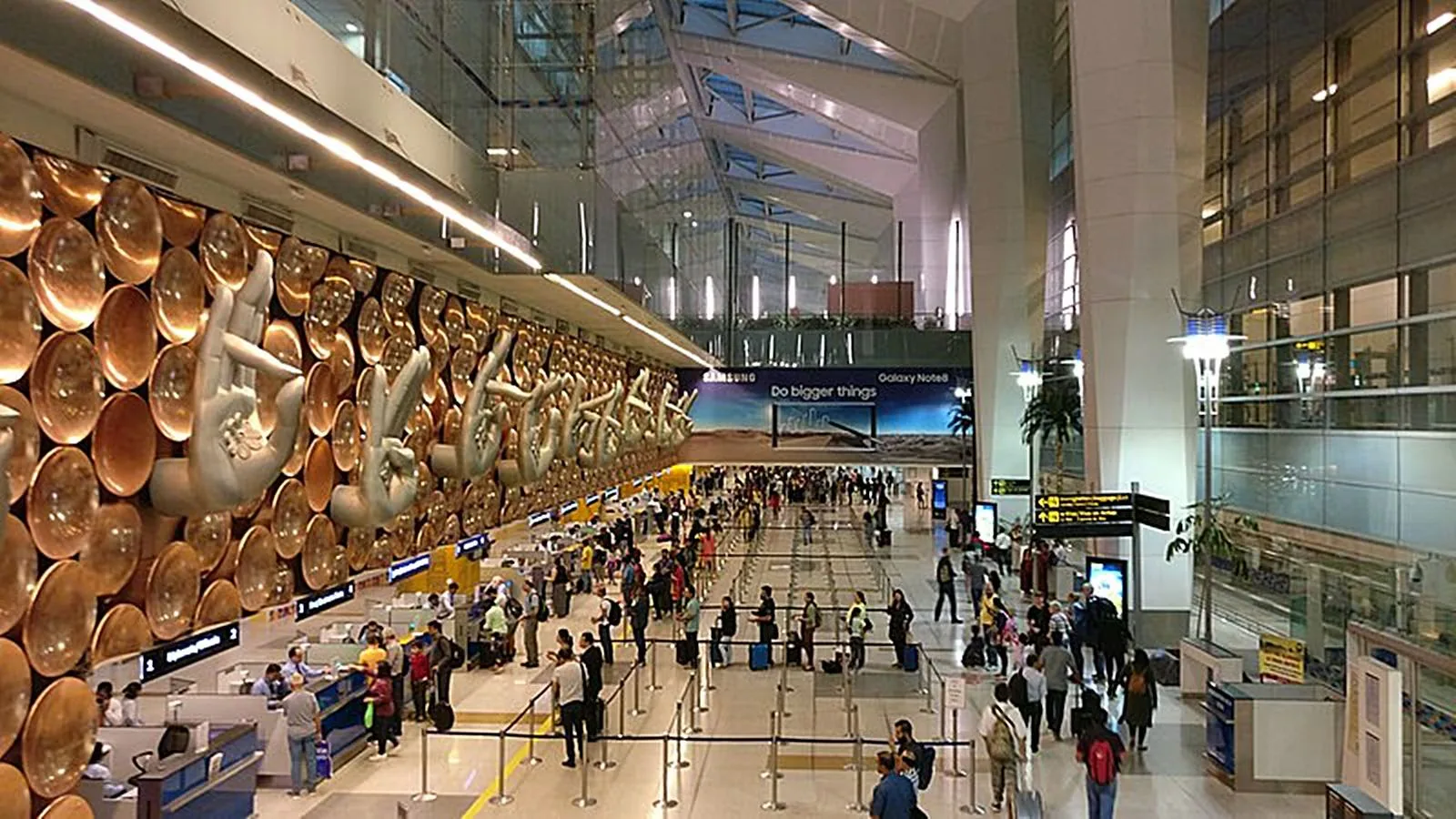
He stressed that maintaining public confidence is critical for the long-term health of the aviation industry. Passengers, he said, must feel assured that every flight they board meets the highest safety standards, regardless of how busy airports become or how quickly airlines expand their operations. Building and sustaining that trust requires consistent adherence to rules, transparent communication during disruptions, and a willingness to learn from mistakes.
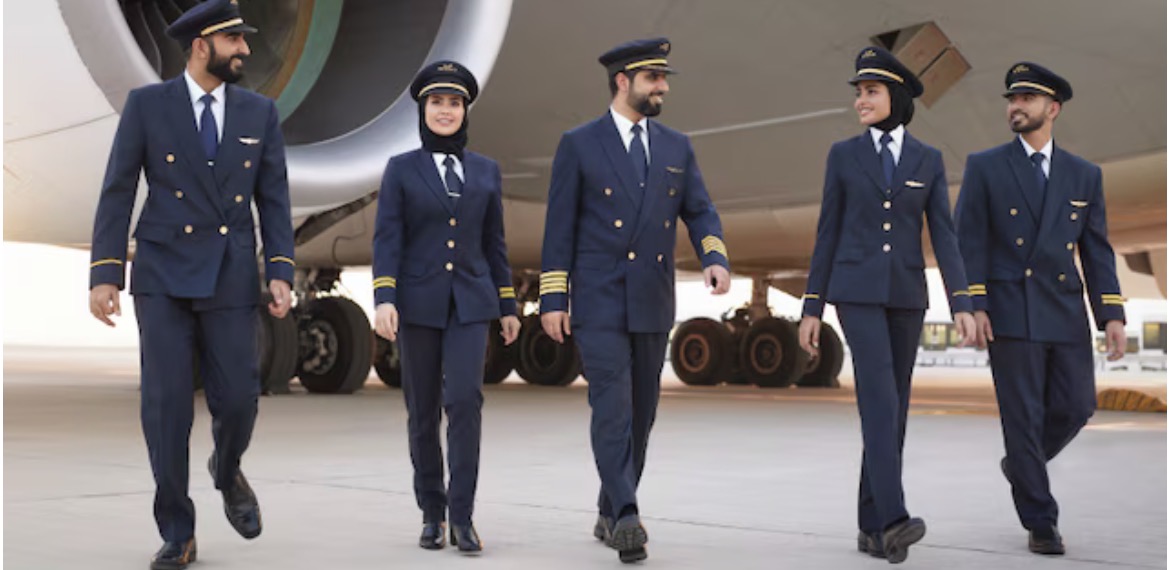
Adding to the discussion, Director General of Civil Aviation Faiz Ahmed Kidwai spoke about the structural strengths that position India’s aviation sector well for the future. He pointed out that the country has a large pool of skilled and experienced aviation professionals, including engineers, technicians, and pilots, who form the backbone of safe flight operations. In addition, operational costs in India remain comparatively lower than in several developed aviation markets such as the United States, the United Kingdom, and France, offering the industry a competitive advantage.
However, Kidwai emphasised that these advantages must be matched with strong oversight and robust safety culture. He noted that safety is not a destination but an ongoing journey that requires constant monitoring, regular audits, training, and collaboration between regulators and industry players. Every incident, he said, must be treated as an opportunity to identify gaps and strengthen systems rather than assign blame.
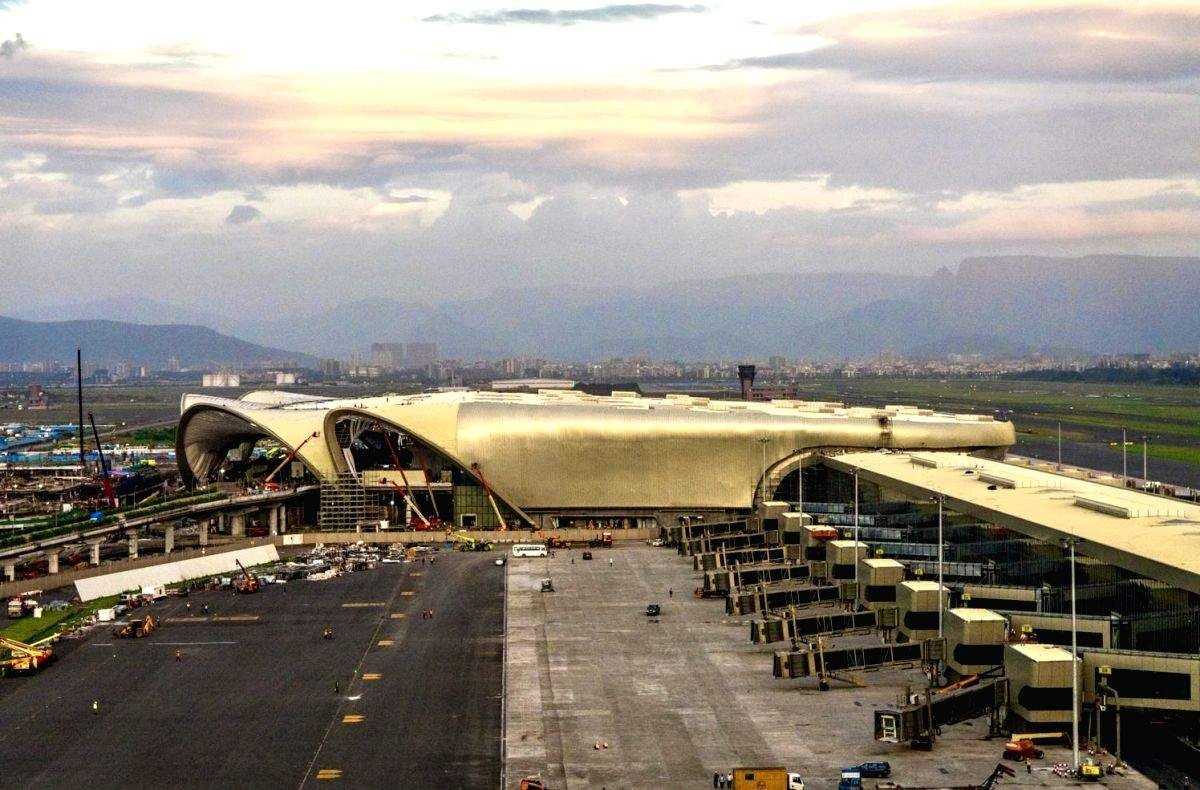
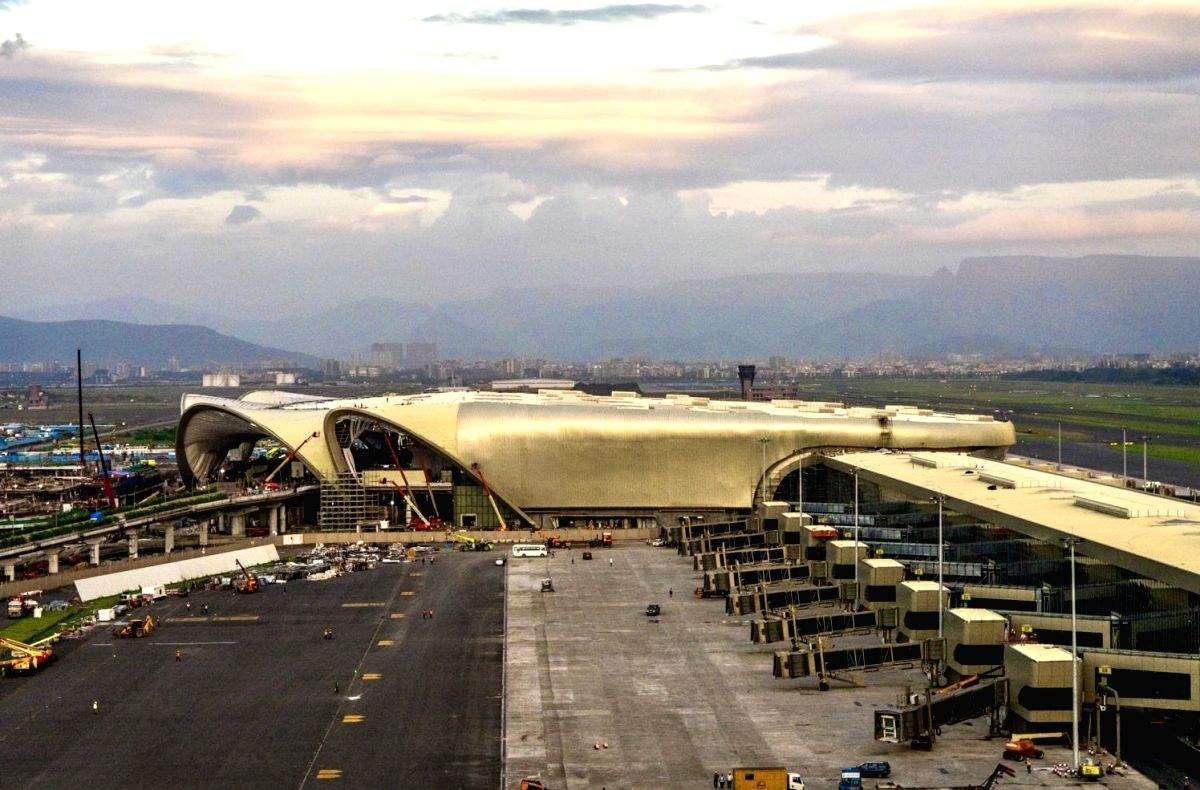
The seminar also highlighted the importance of coordination among airlines, airport operators, maintenance organisations, and regulatory bodies. Officials stressed that as India moves toward becoming one of the world’s largest aviation markets, the complexity of operations will only increase. Managing this complexity safely will require smarter regulations, better use of technology, and a shared commitment to upholding global best practices.
Overall, the discussions reflected a clear and reassuring message. While the civil aviation sector has faced moments of strain and challenge, those experiences have sharpened its focus on safety and accountability. By learning from recent difficulties and reinforcing regulatory and operational frameworks, the industry aims to deliver safer skies and restore confidence among passengers.
For millions of travellers who rely on air travel for work, family, and opportunity, this renewed emphasis on safety and trust serves as an important assurance. The message from officials was unambiguous: growth will continue, but not at the expense of safety, and every challenge faced today is shaping a stronger and more resilient aviation sector for the future.