The Aircraft Accident Investigation Bureau (AAIB) has launched a formal inquiry into the air ambulance crash in Jharkhand that occurred recently, with officials confirming that the Beechcraft C90 aircraft involved was not equipped with a flight data recorder or cockpit voice recorder, commonly referred to as black boxes. The absence of black box systems adds complexity to the investigation, meaning that investigators will need to rely more heavily on physical evidence from the wreckage, radar logs, air traffic control recordings and other data sources to piece together what happened.
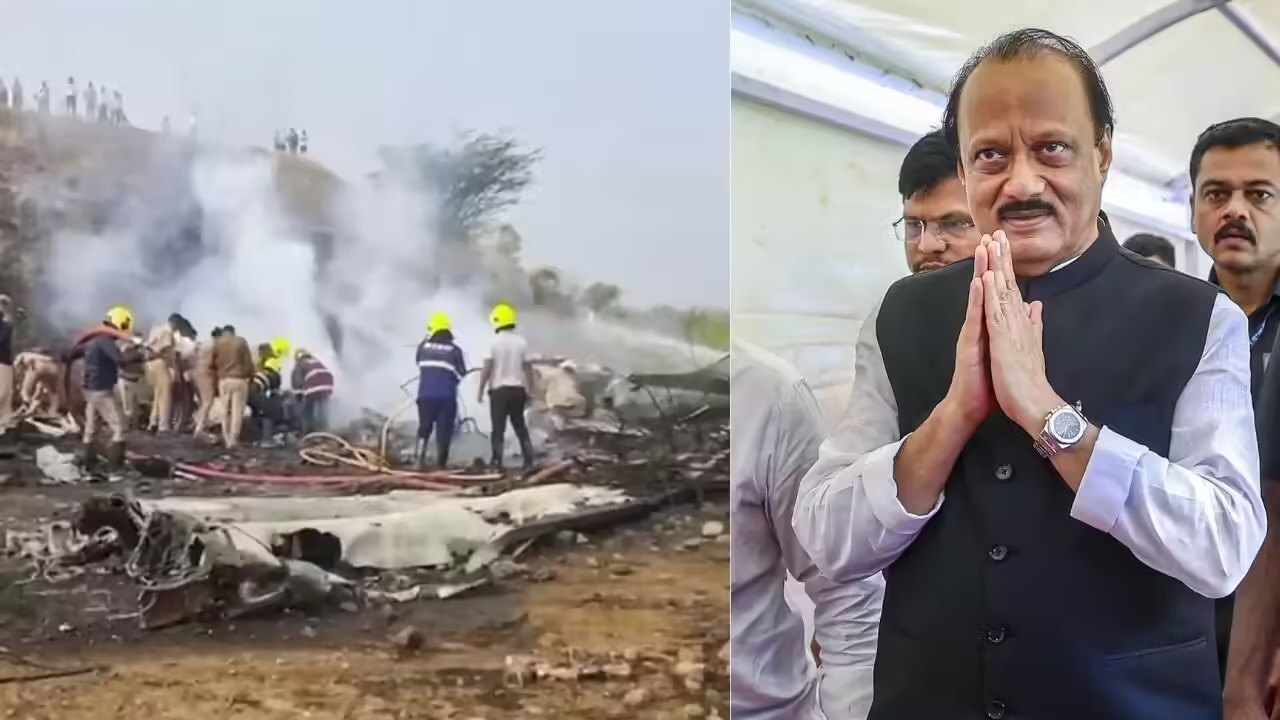
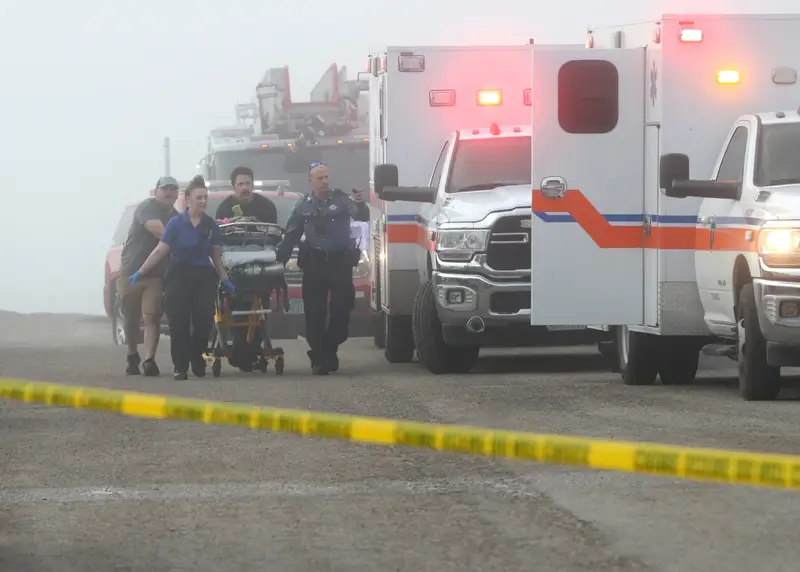
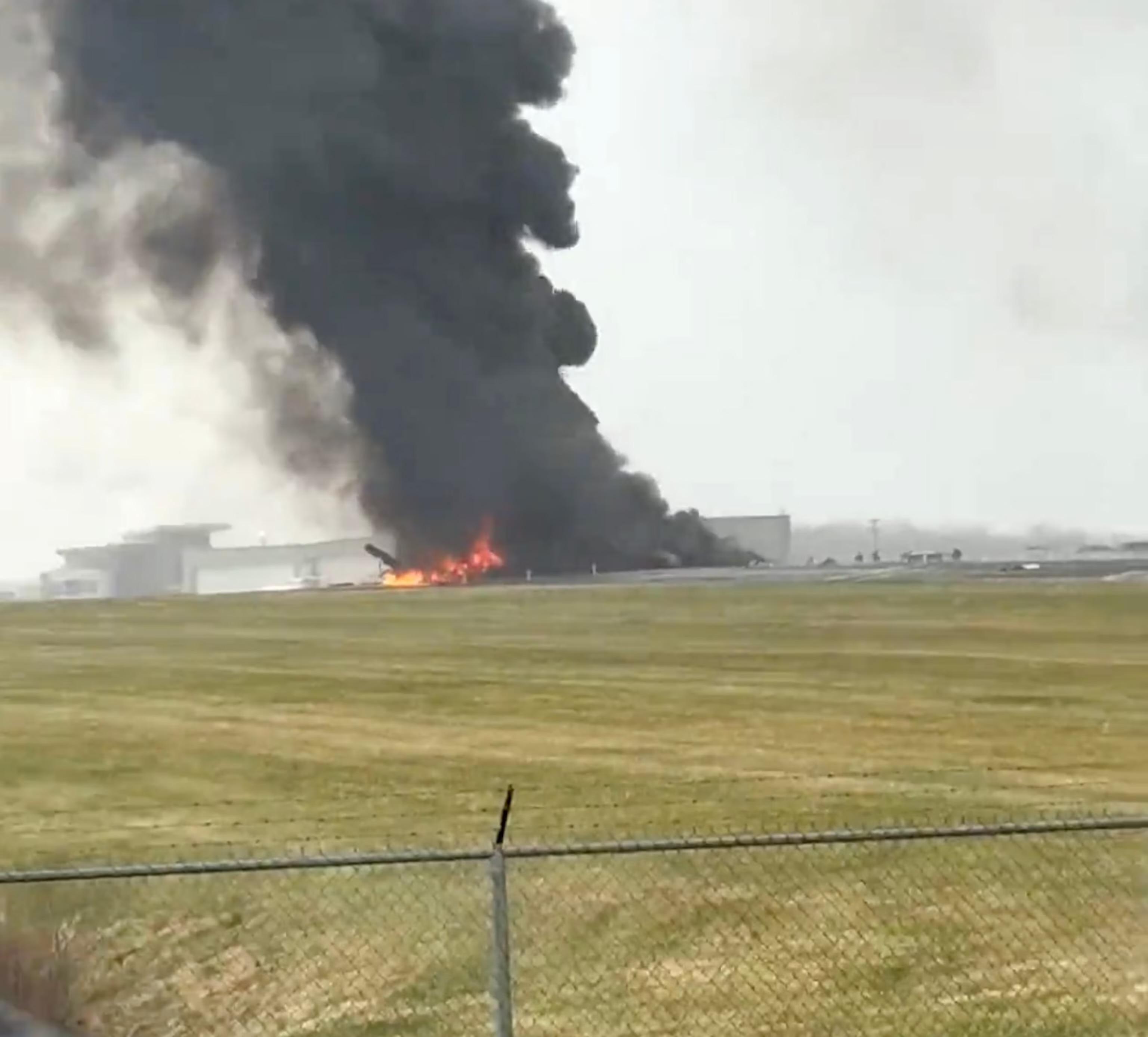
The air ambulance had taken off on a medical evacuation flight when it lost contact with air traffic control and crashed in a wooded area, prompting search and rescue efforts by local authorities and emergency responders. The aircraft was carrying medical crew, support personnel and patients at the time of the accident, and local officials coordinated recovery operations once the site was located.
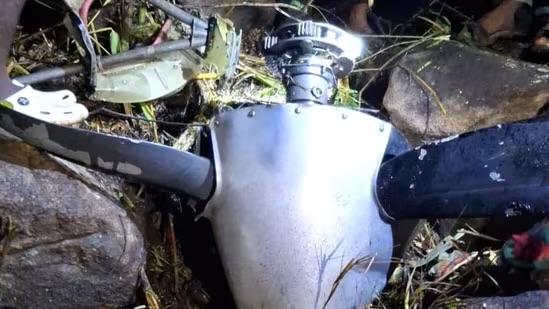
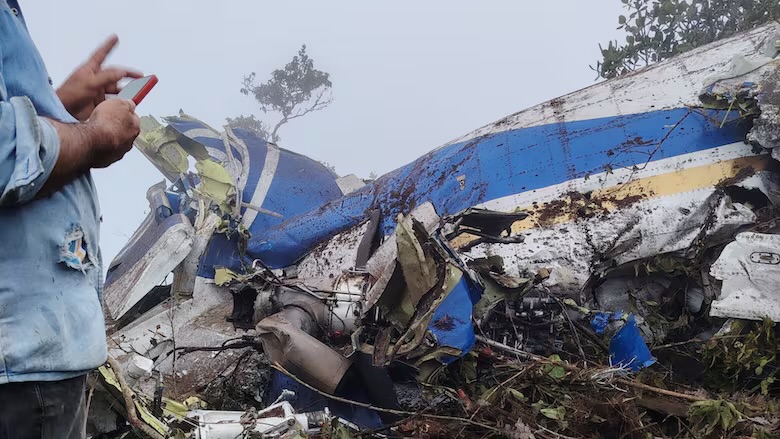
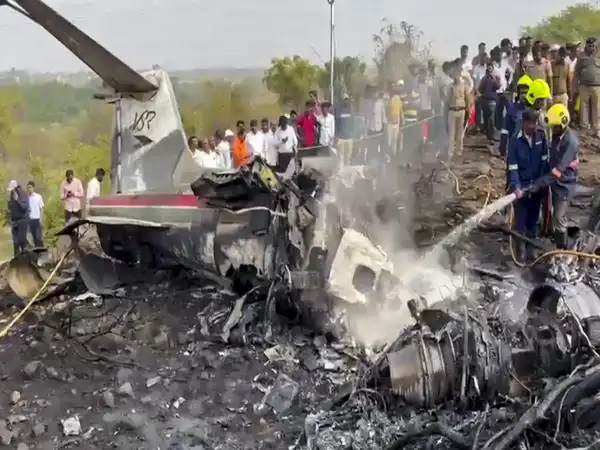
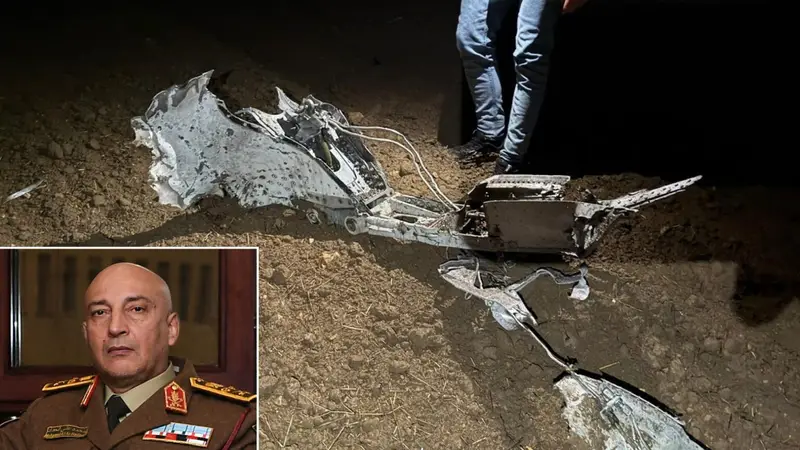
Investigators from the AAIB have reached the crash site and begun documenting wreckage, impact signatures and debris distribution. Detailed mapping of the scene, photographic evidence and collection of key airframe components are all part of the initial investigative phase. Without black box data, the AAIB’s focus will be on reconstructing the aircraft’s final flight path, assessing structural damage, examining control surfaces and engines, and reviewing air traffic communications for clues about how the flight progressed before the crash.
The Beechcraft C90 is a small, twin-engine turboprop commonly used for executive transport, air ambulance missions and other specialised operations. Unlike larger commercial airliners, many smaller aircraft particularly those in general aviation or non-scheduled operations are not always fitted with mandated flight recorders unless specific conditions apply. In this case, the operator’s configuration meant that data from onboard recorders was not available to guide investigators.
In the absence of recorded flight data, other key sources such as air traffic control radar tracks, Automated Dependent Surveillance-Broadcast (ADS-B) logs, transponder data and witness observations may provide valuable information about the aircraft’s altitude changes, speed, direction and timing in the moments leading up to the crash. Engineers and accident specialists will also inspect engines, propellers, fuel systems and control linkages to identify any evidence of mechanical irregularities.
The AAIB’s investigation will include a review of aircraft maintenance history, recent inspections, pilot training and currency records, operational dispatch documentation and weather conditions at the time of the flight. Understanding how these variables interacted on the day of the accident is central to determining whether the cause was mechanical, environmental or related to human factors such as decision making or procedural execution.
Officials have noted that air ambulance operations often involve time-sensitive missions with high workloads for flight crews. While urgency is a hallmark of medical evacuation flights, safety oversight remains a priority, and investigators will consider whether operational pressures, flight planning decisions or other mission-specific factors influenced the outcome.
Authorities coordinating the response are also assisting affected families and are providing information updates to the public as the investigation progresses. Support services for families of patients and crew members continue to be active, with local agencies offering counselling and logistical assistance while recovery and investigative work continues.
The AAIB’s findings may take weeks or months to emerge fully, as the process involves careful analysis of multiple data points, expert consultations and reconstruction of physical evidence. Interim reports may be released to share early observations, but final conclusions will await thorough evaluation and cross-verification of all collected information.
In aviation safety practice, crashes involving smaller aircraft with limited onboard recording equipment require meticulous work by investigators, who often draw on satellite data, radar plots, recorded ATC communications and forensic examination of wreckage. This approach helps compensate for the lack of black box insights and can still yield definitive conclusions about causes and contributing factors.
As the probe unfolds, stakeholders across the aviation community will look to the AAIB’s work for insights that could inform safety recommendations, operational improvements and enhanced guidance for air ambulance and other specialised flight operations. The goal remains to prevent future accidents by identifying root causes and sharing lessons learned with operators, regulators and flight crews alike.