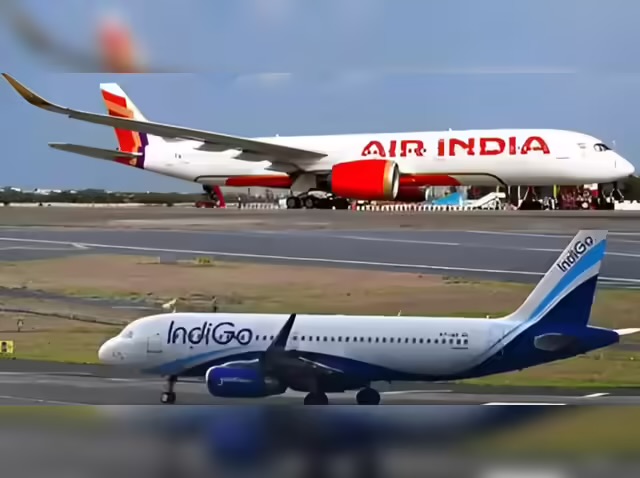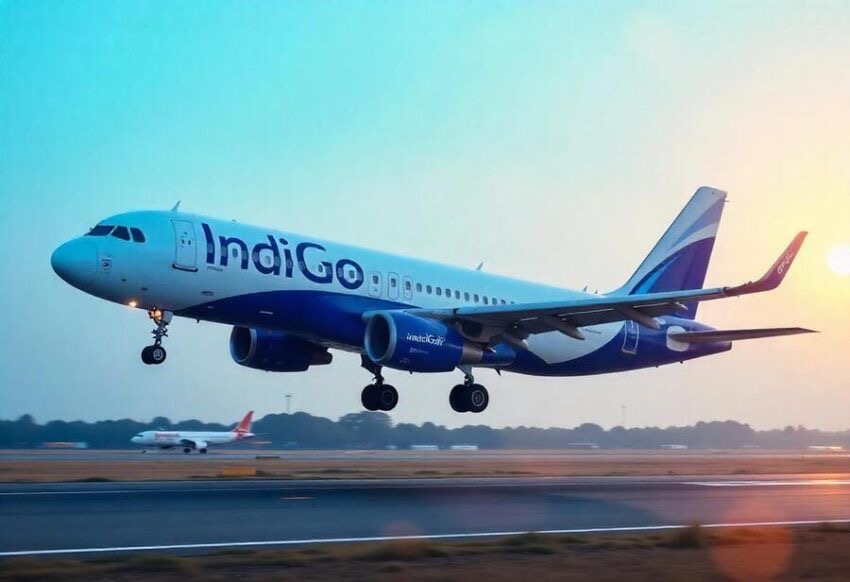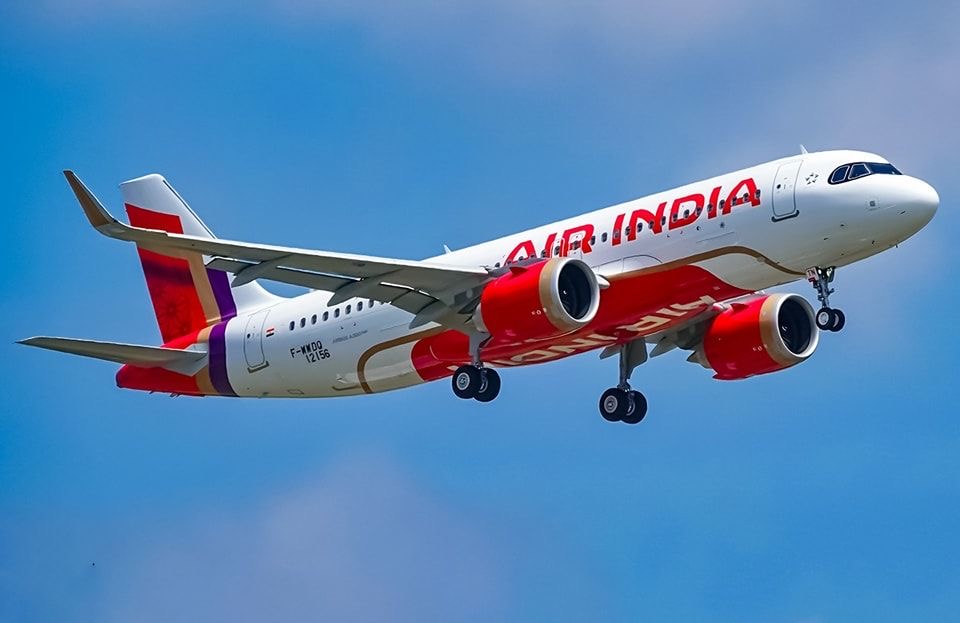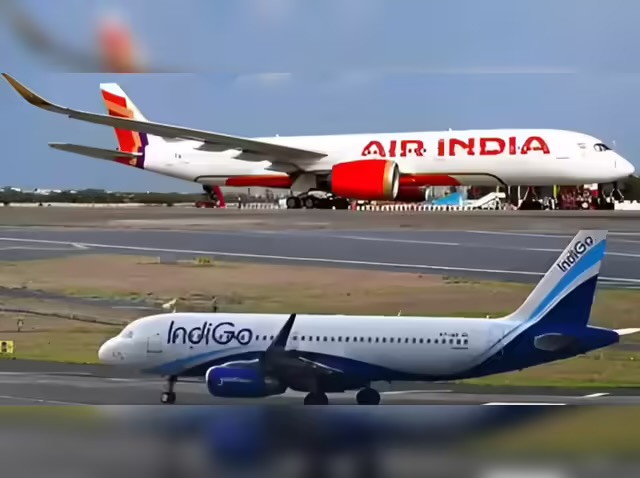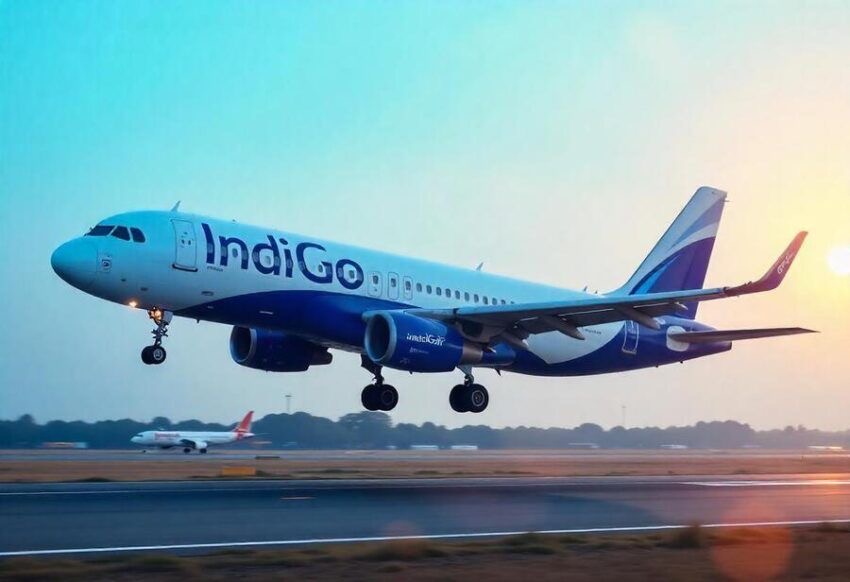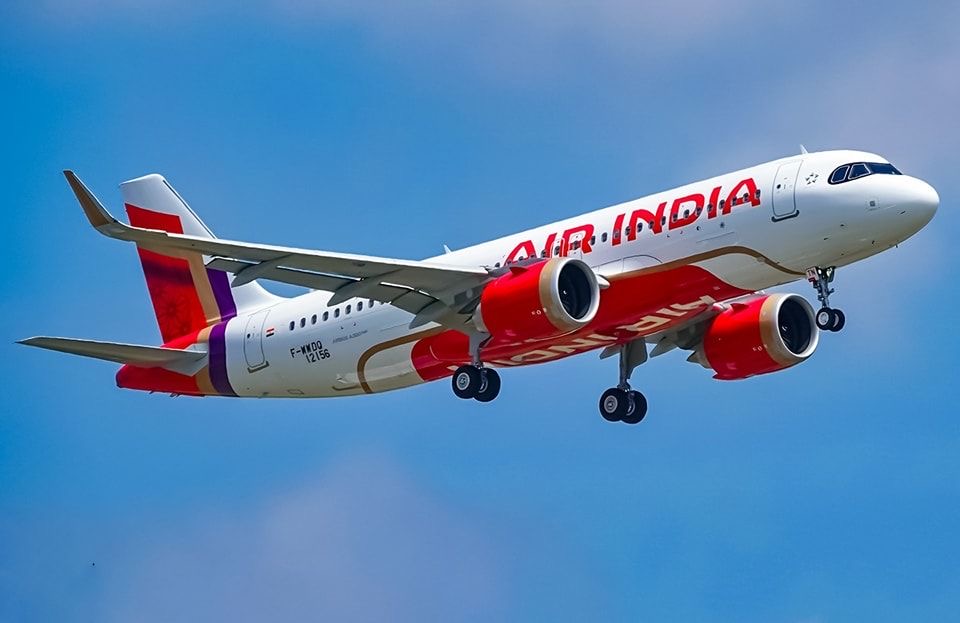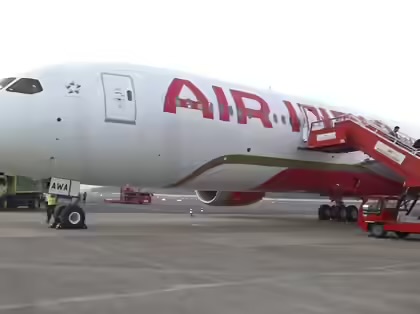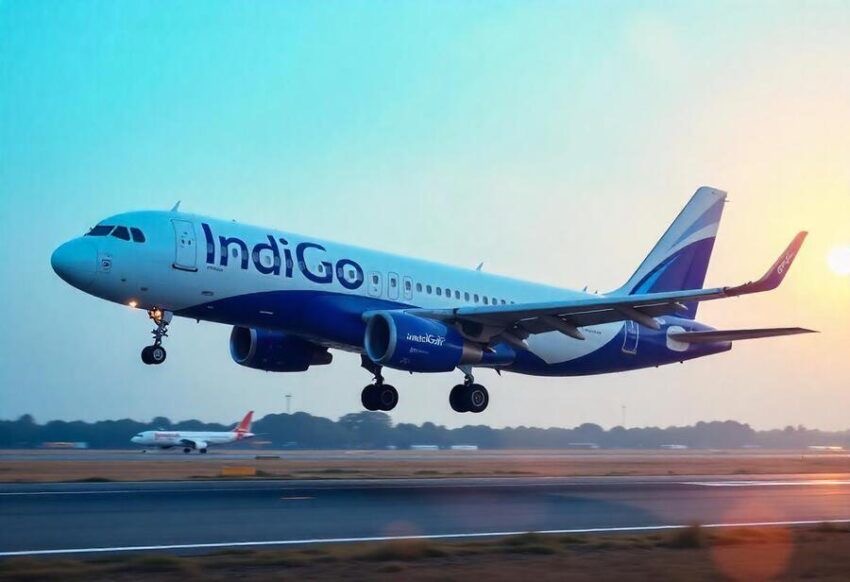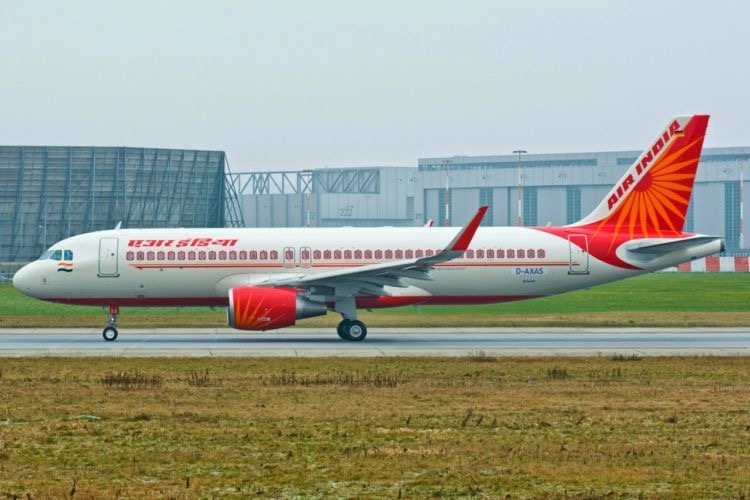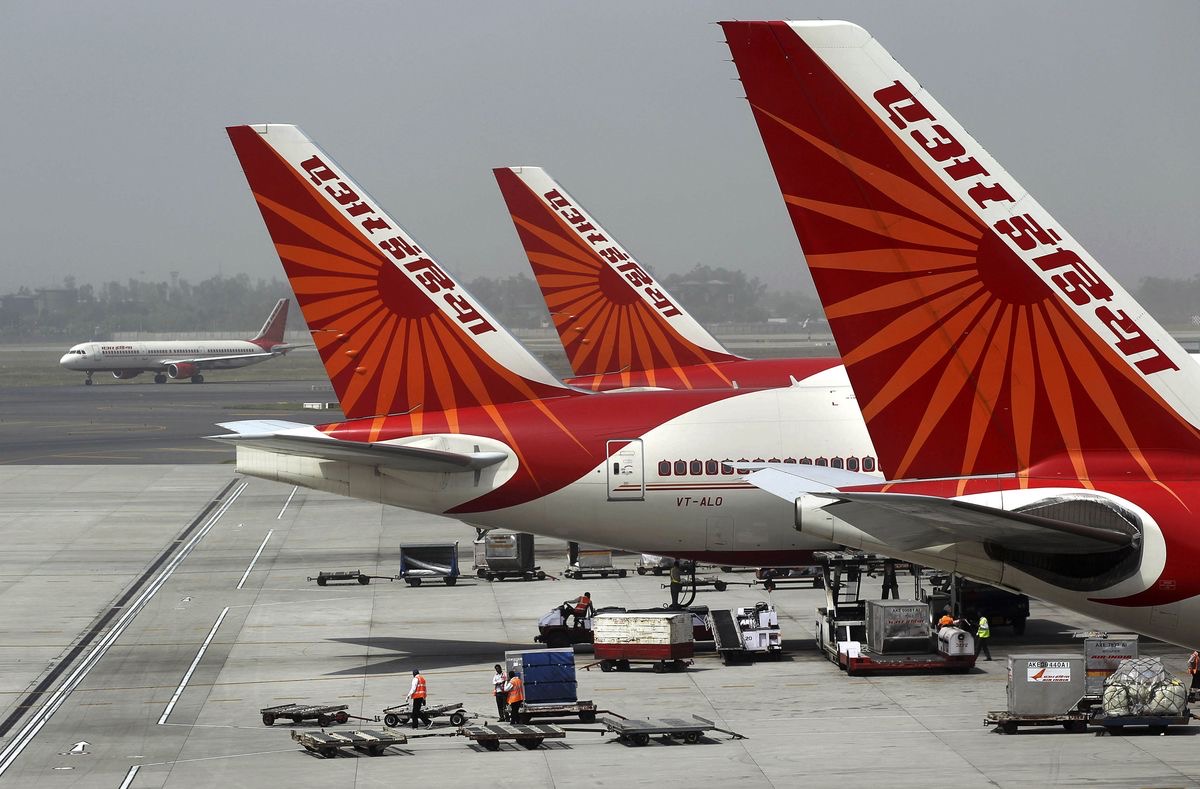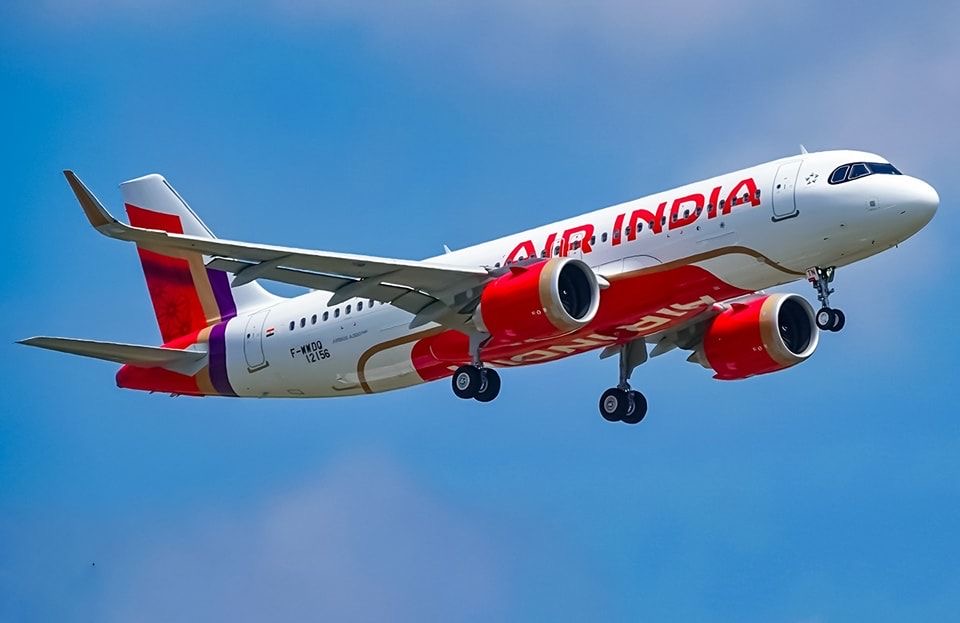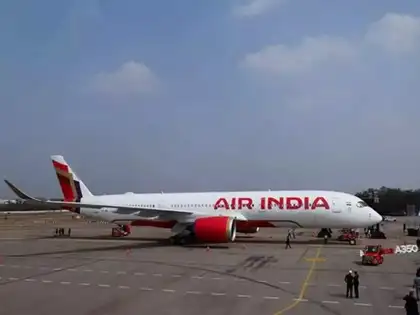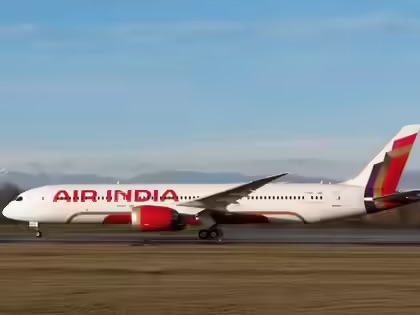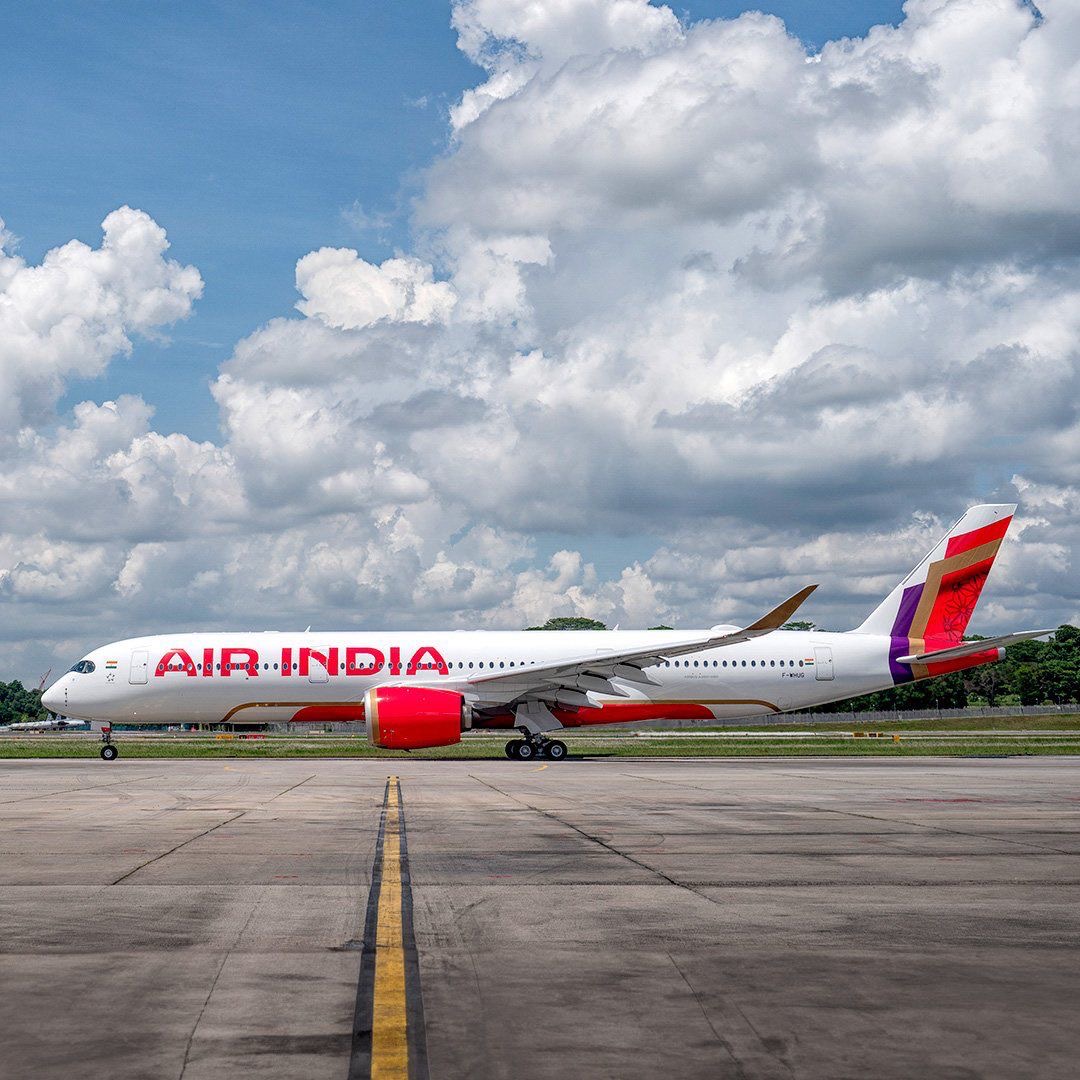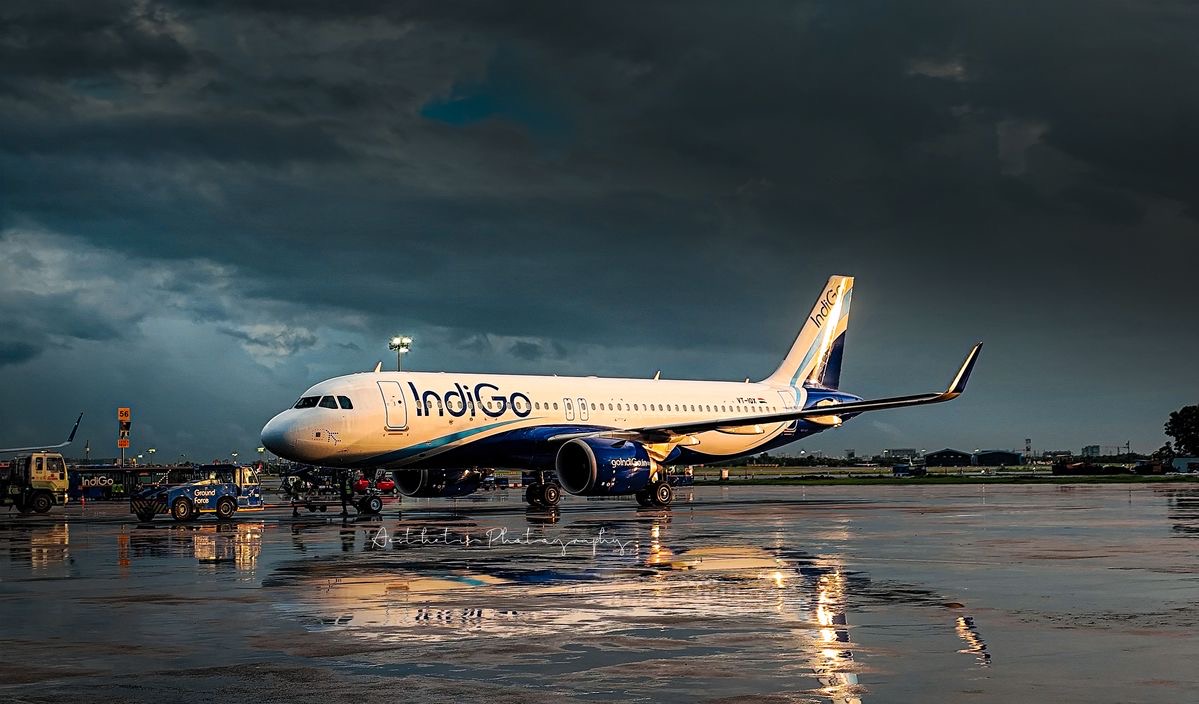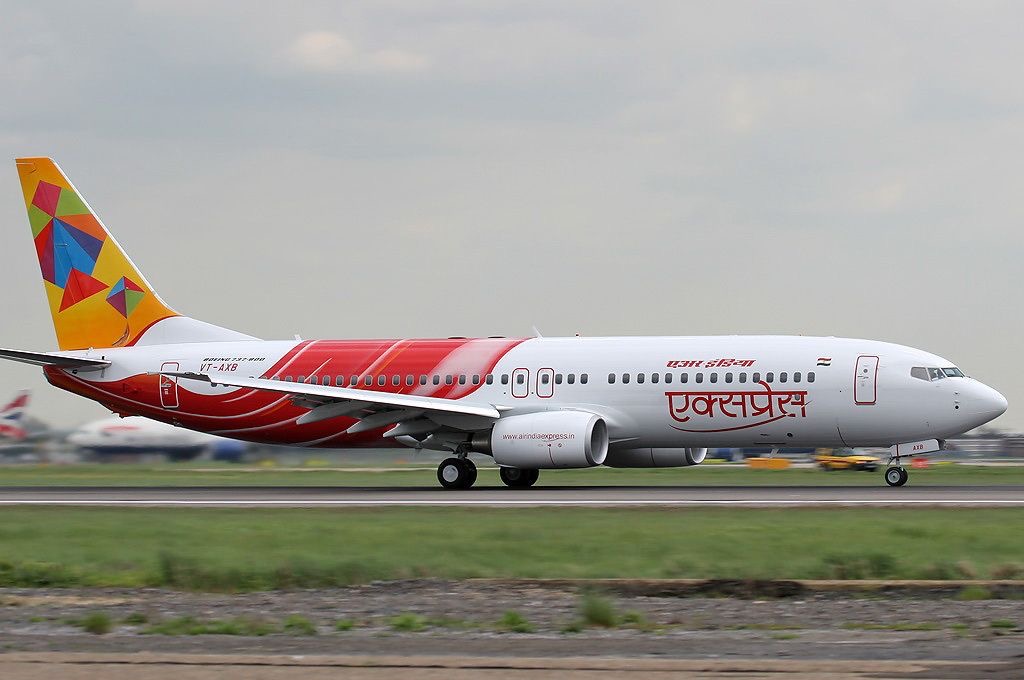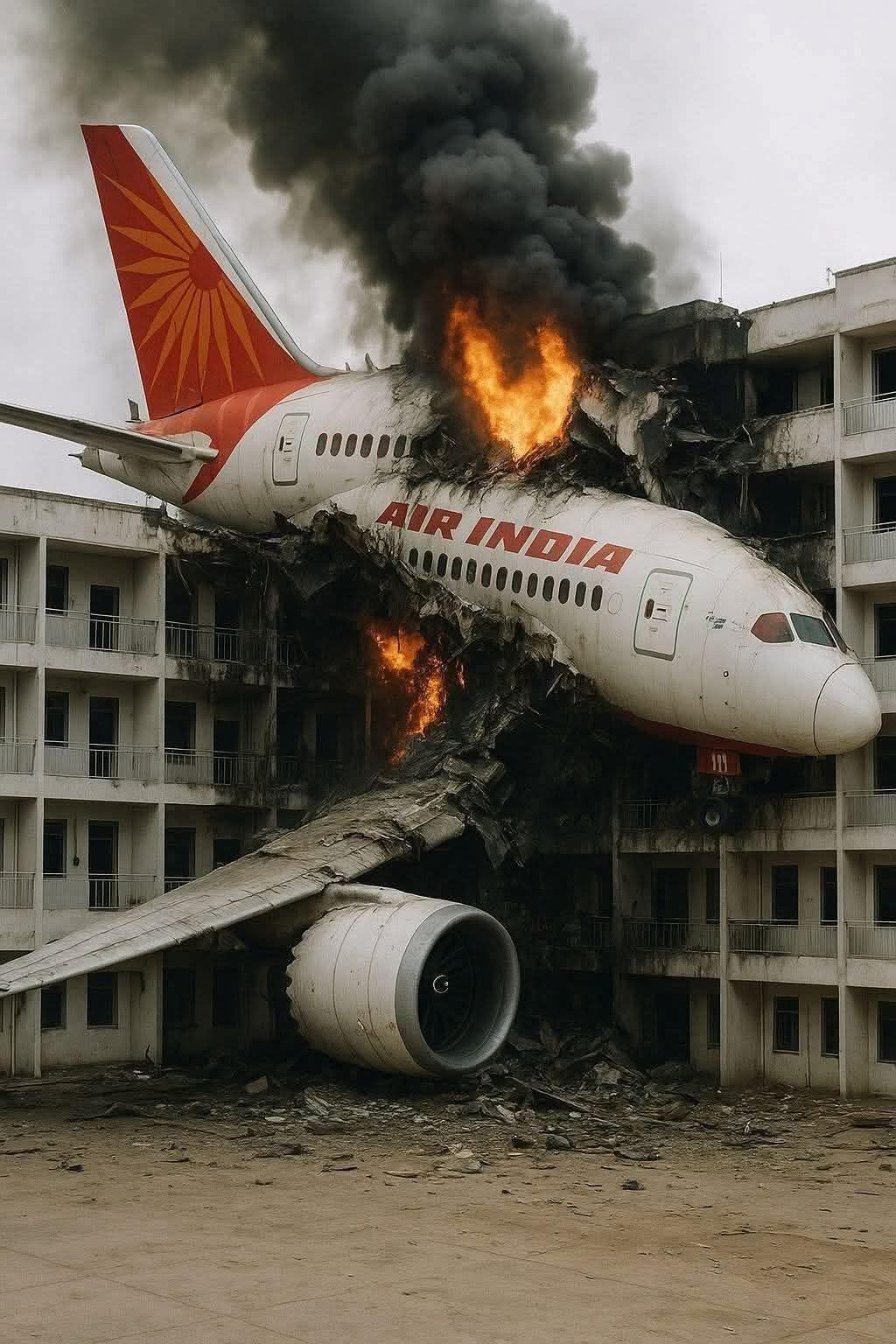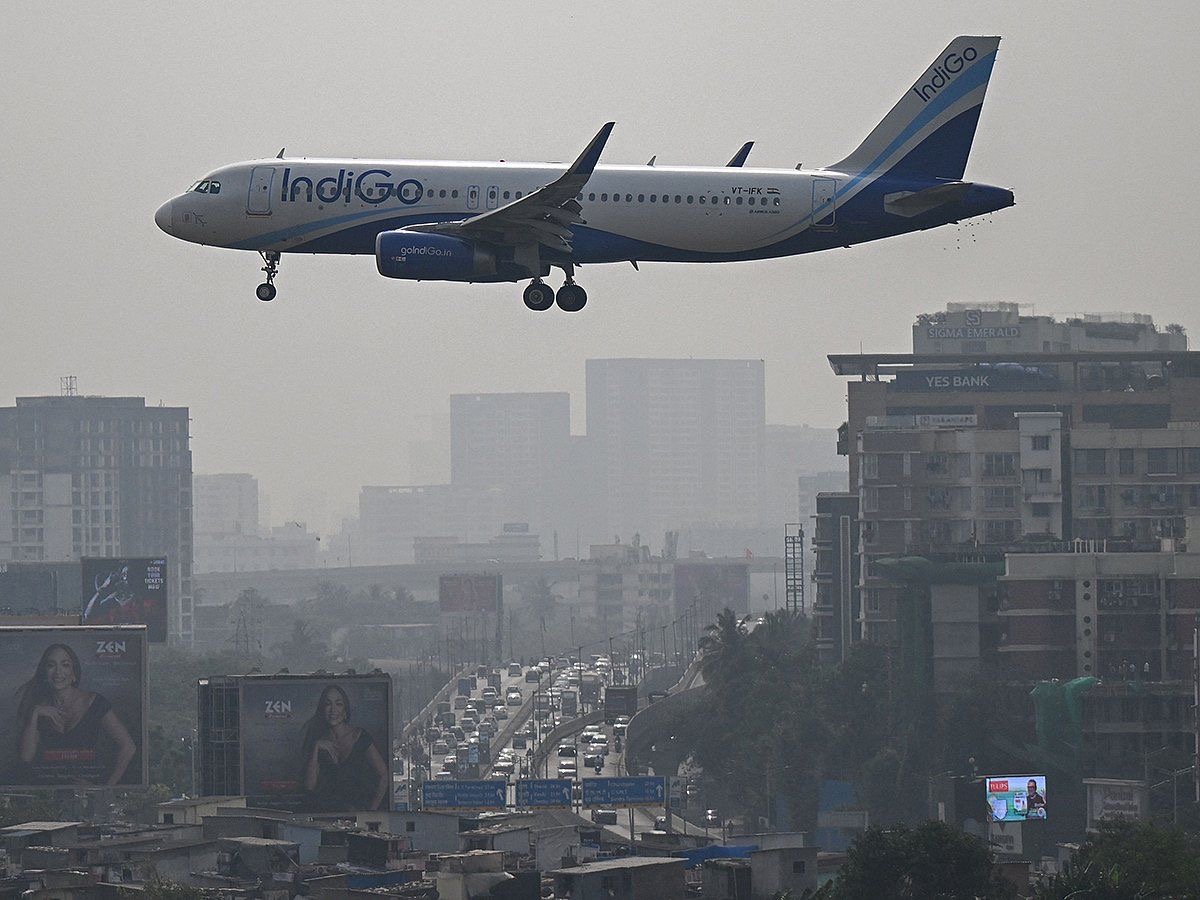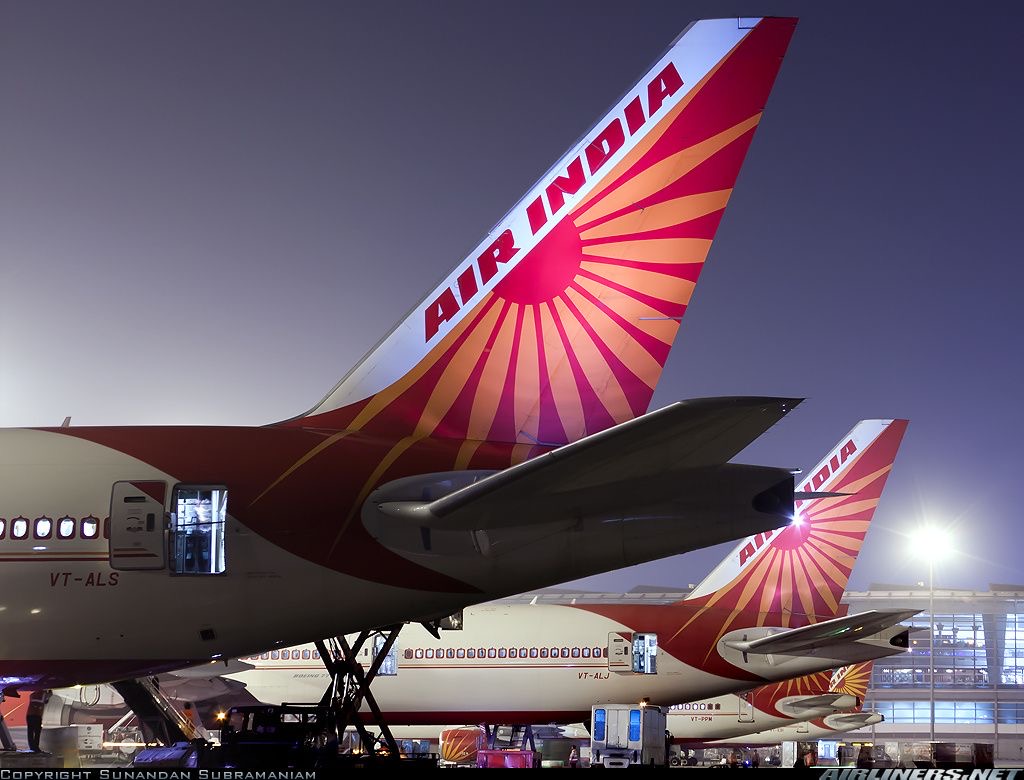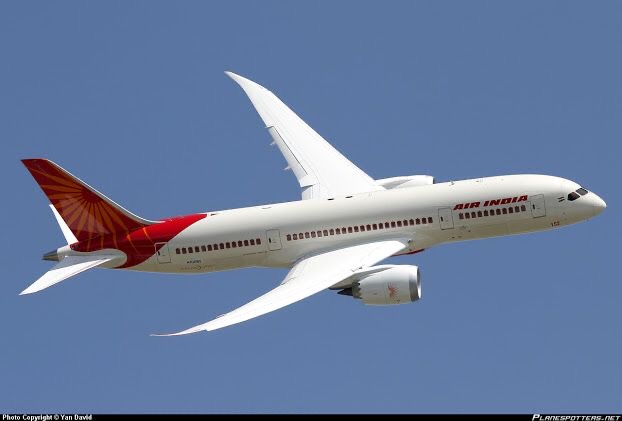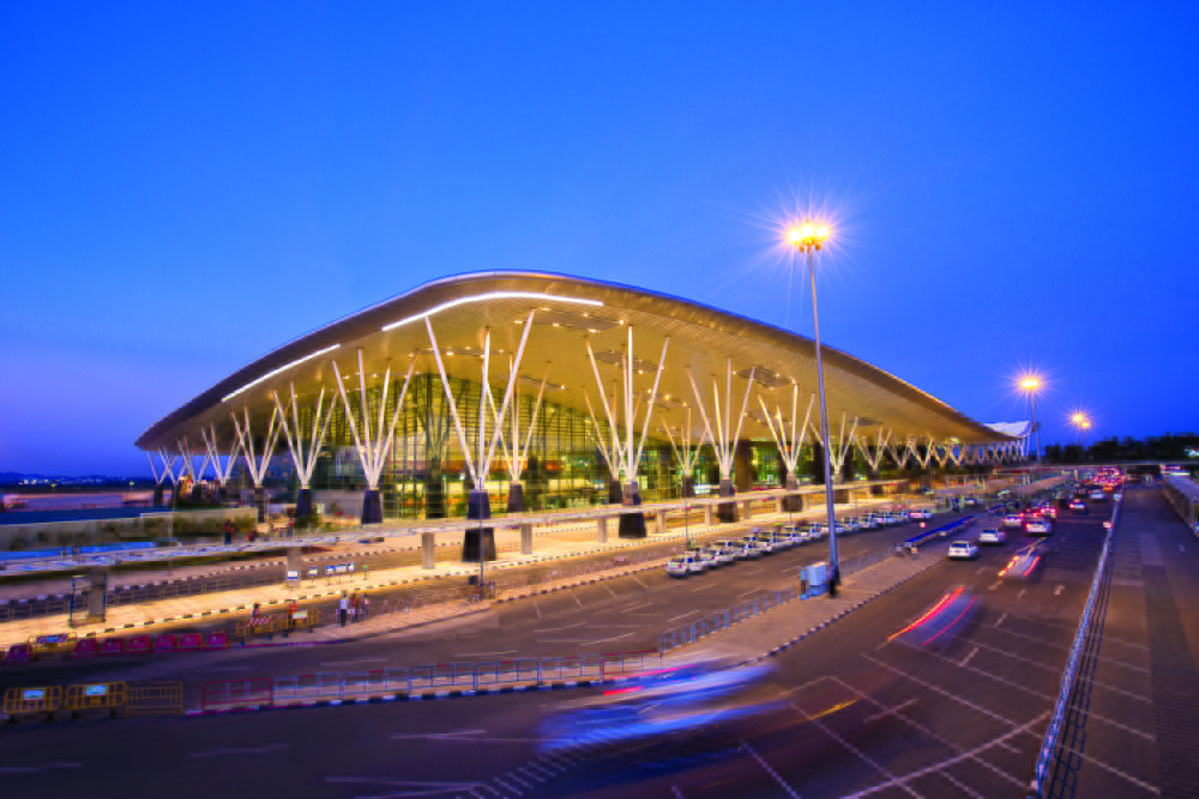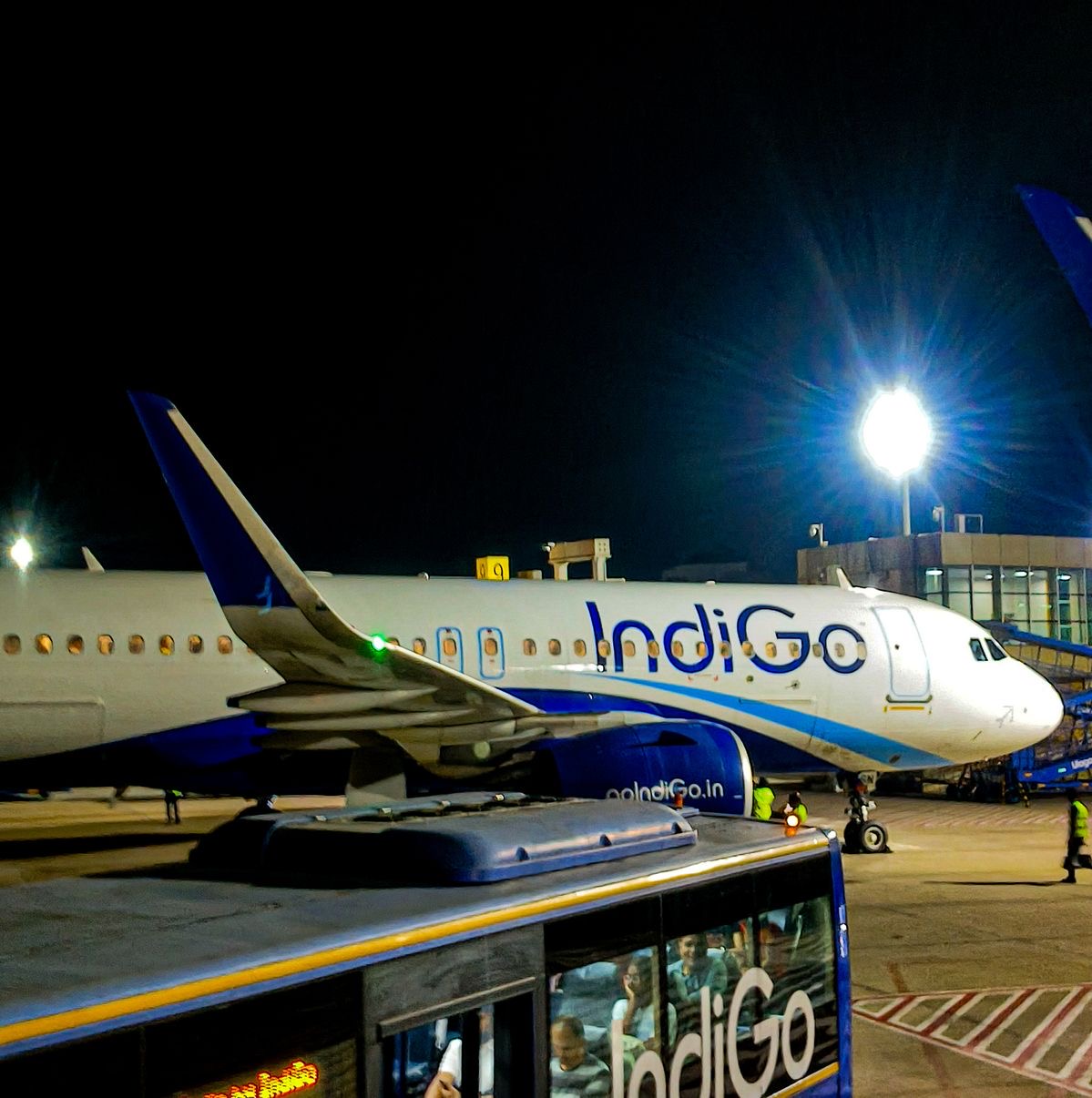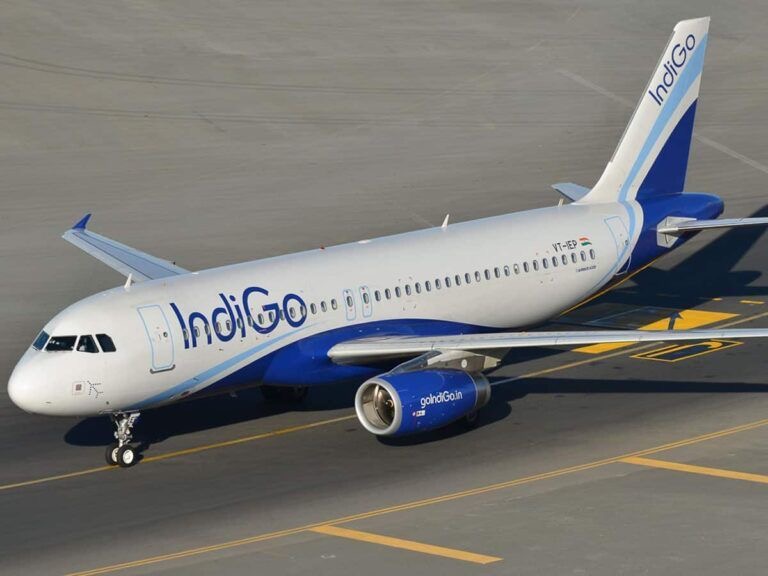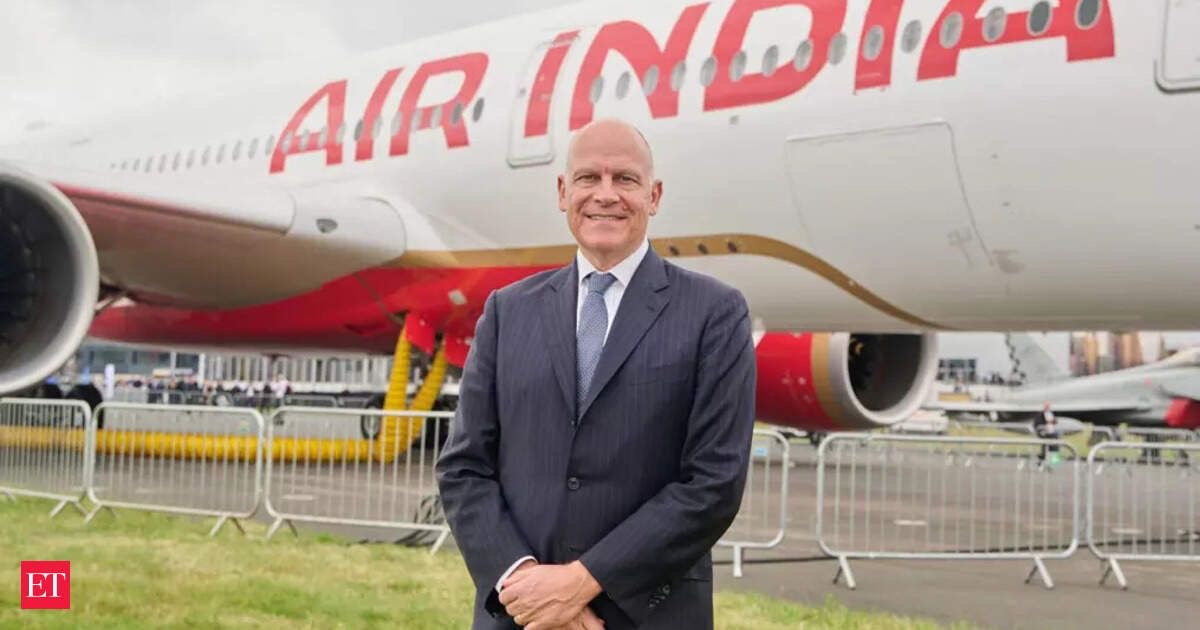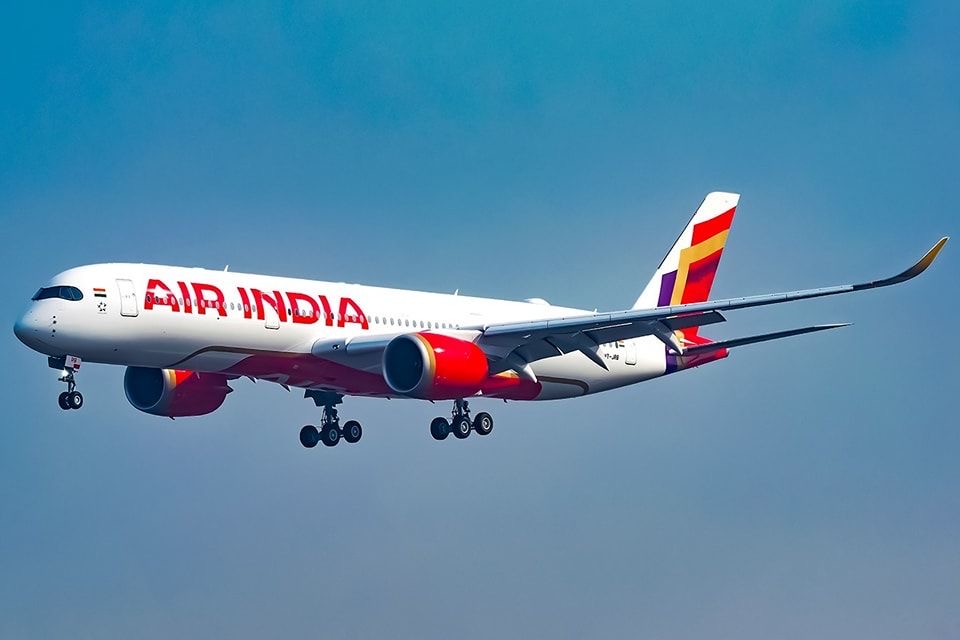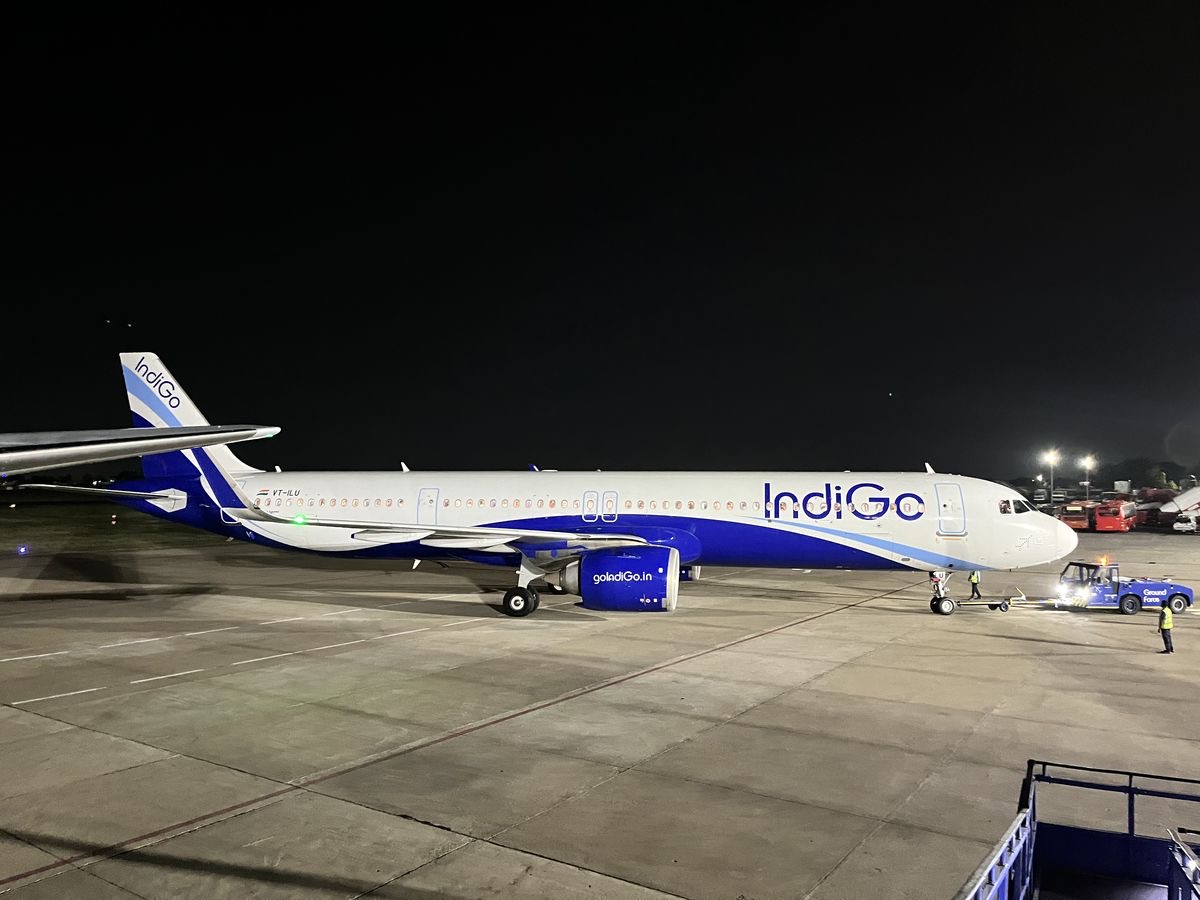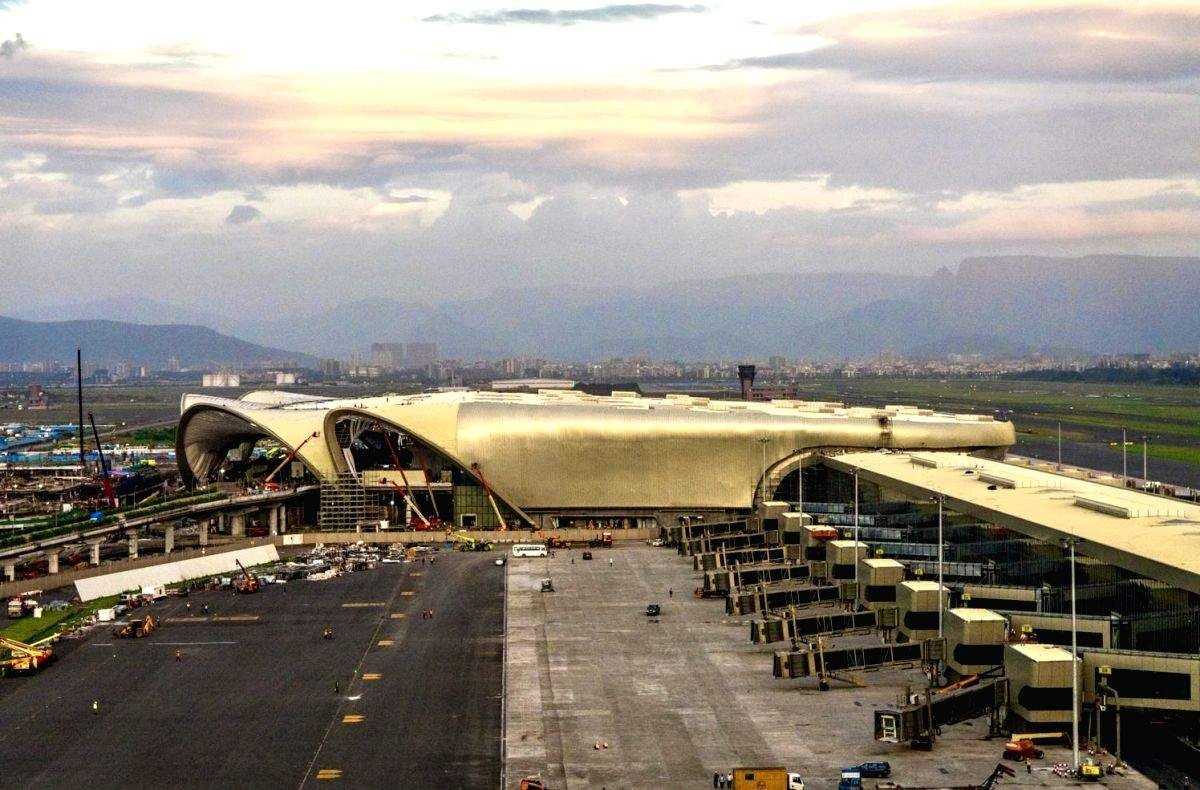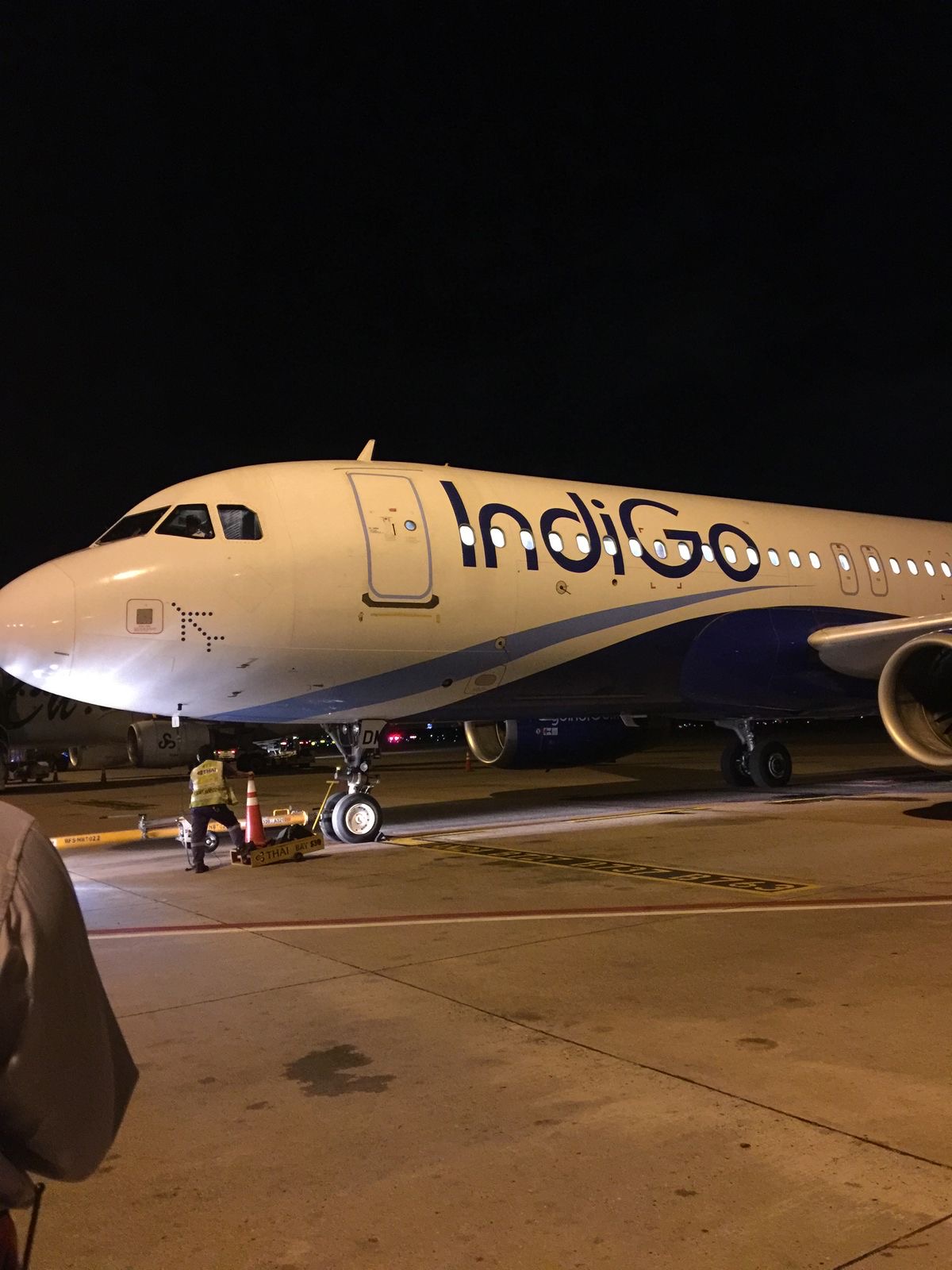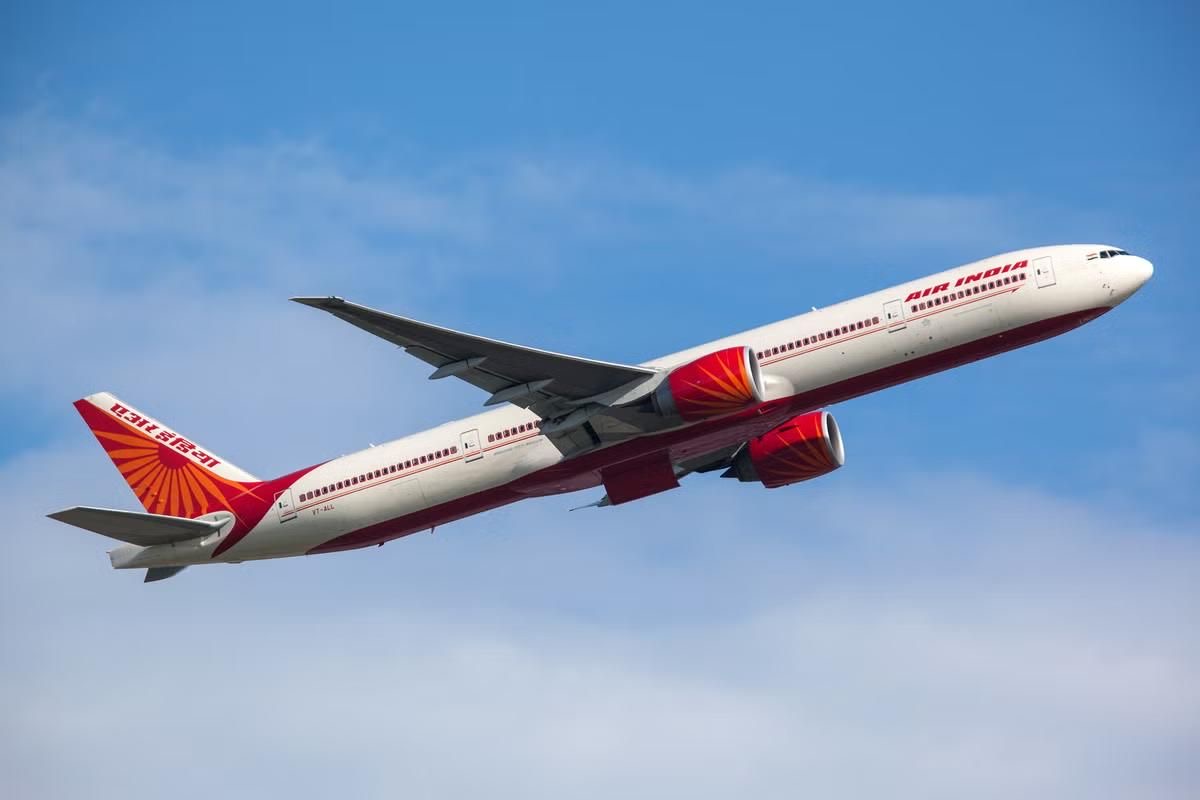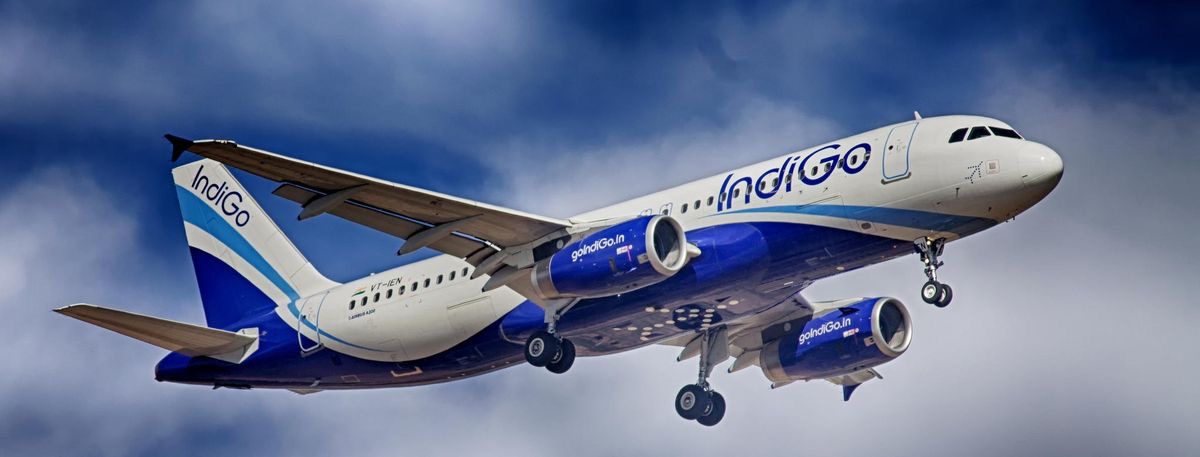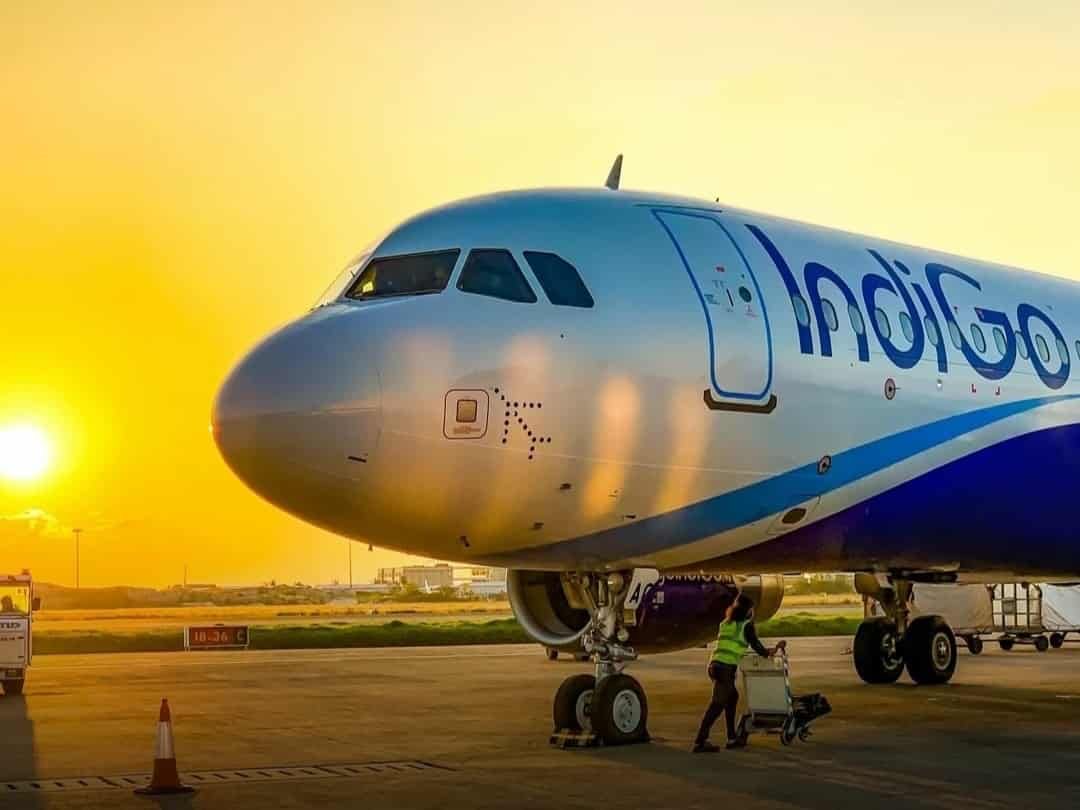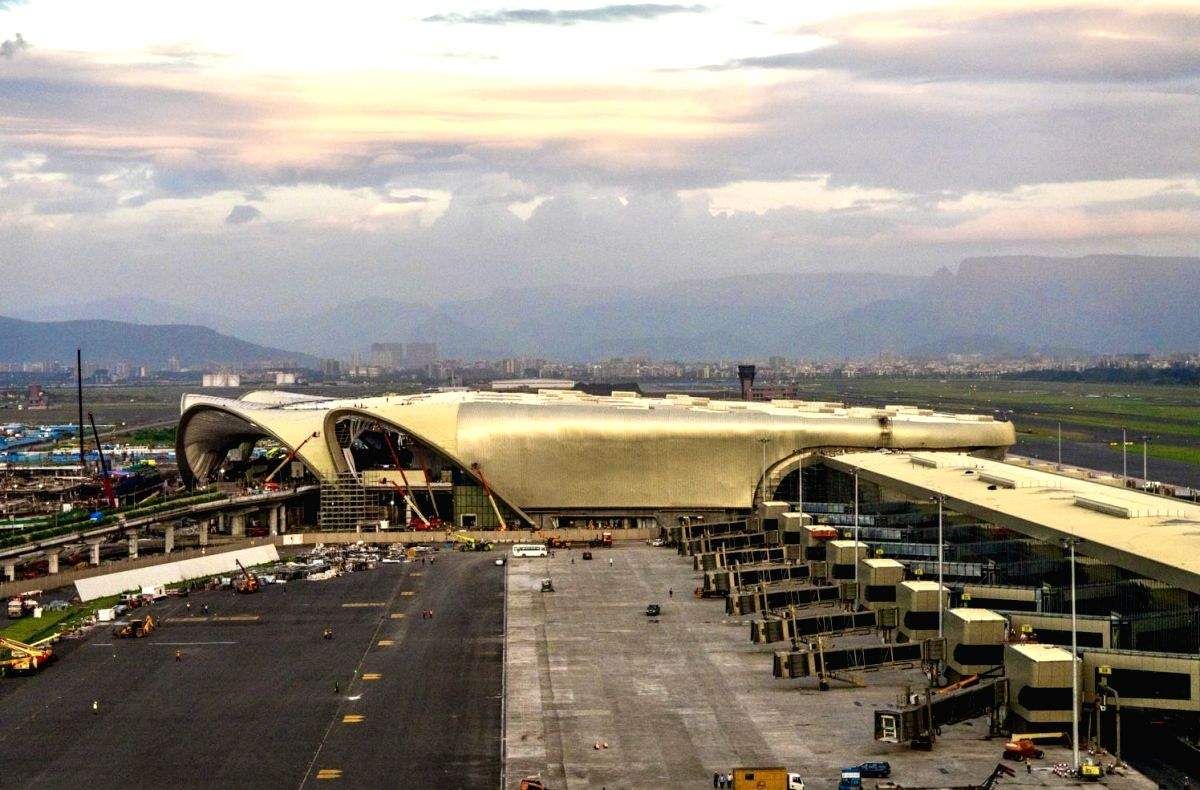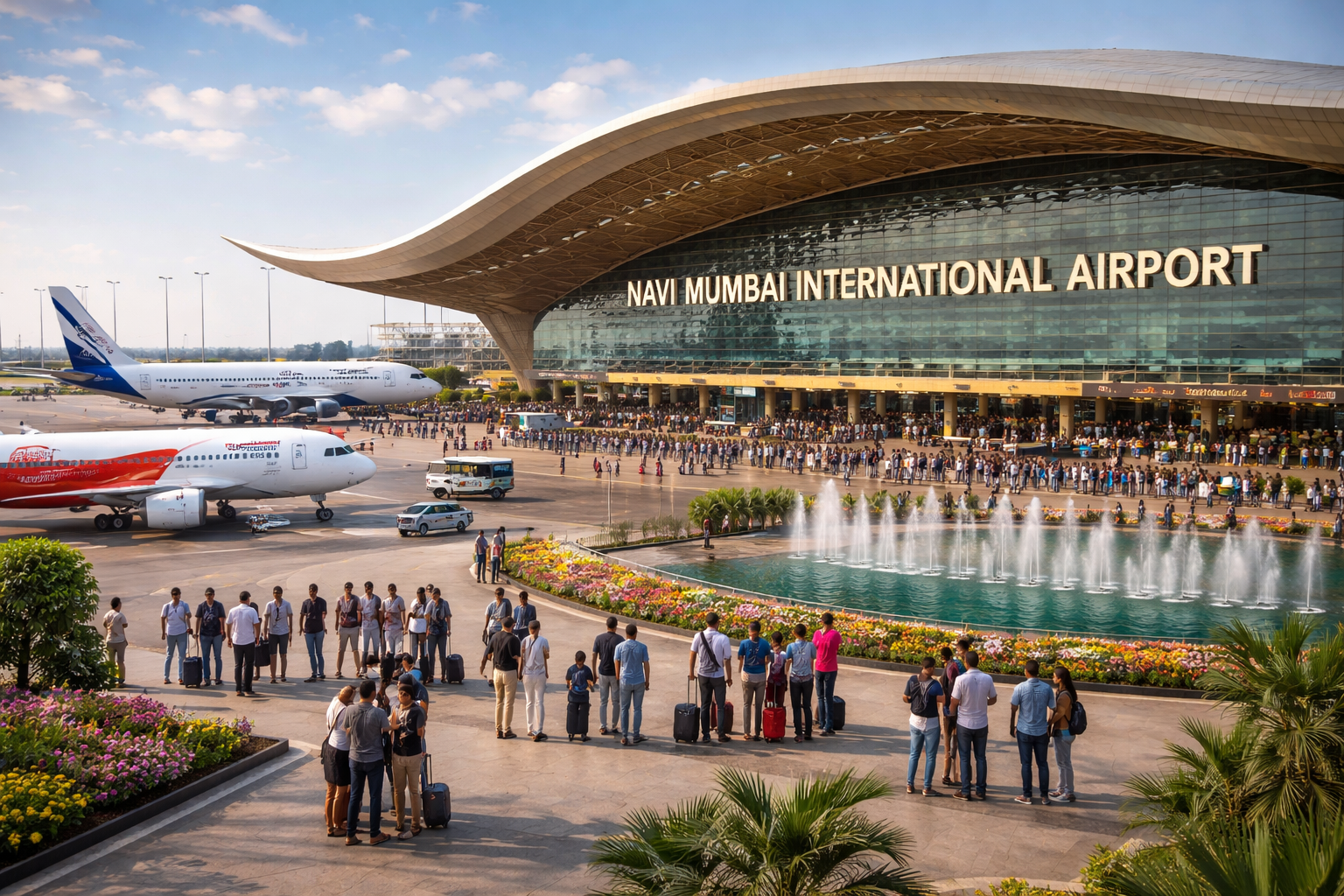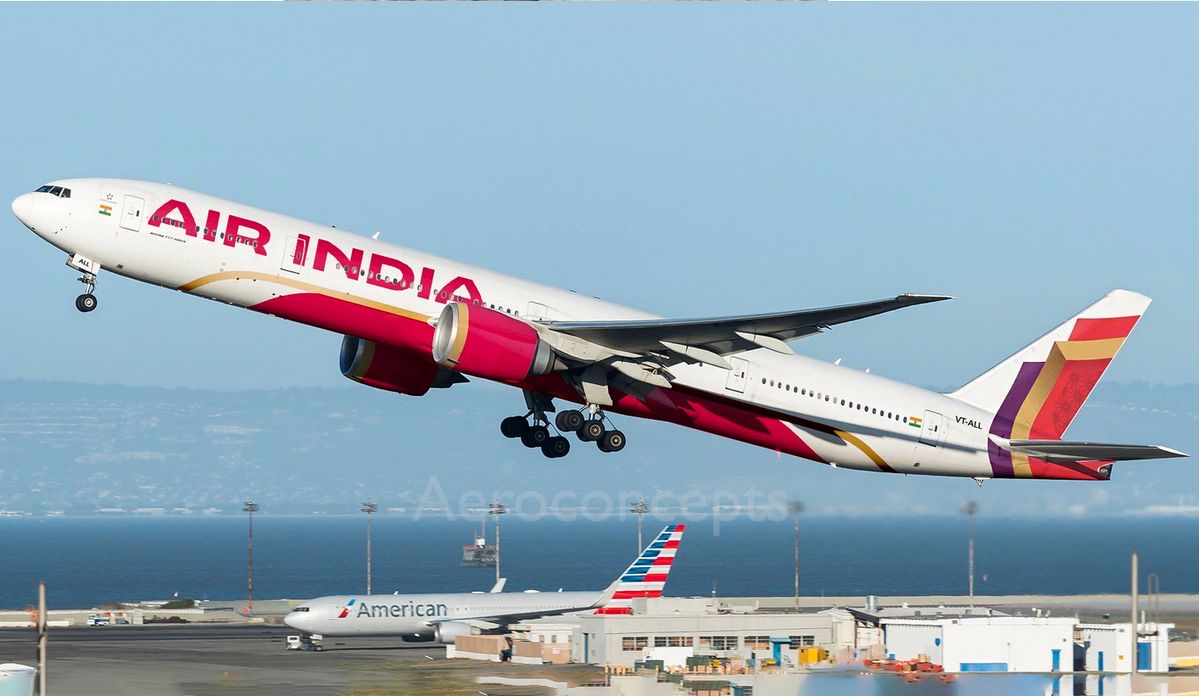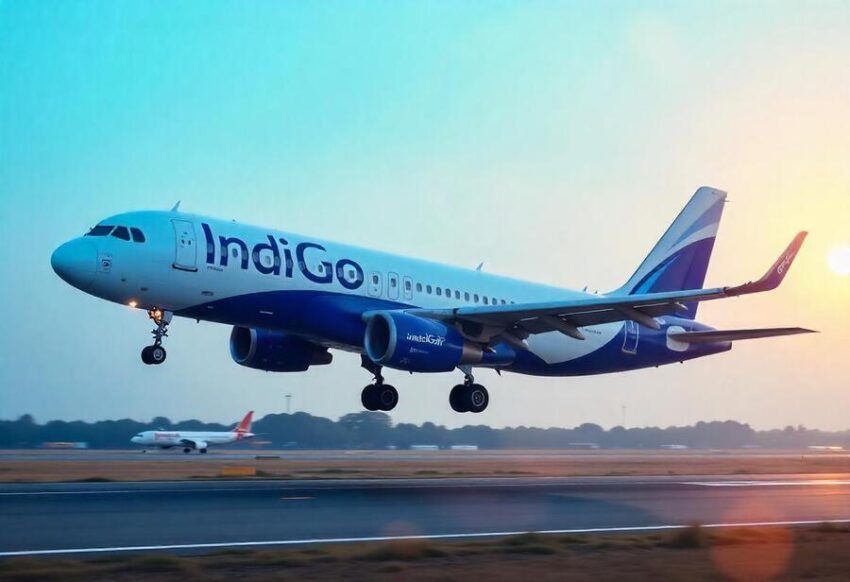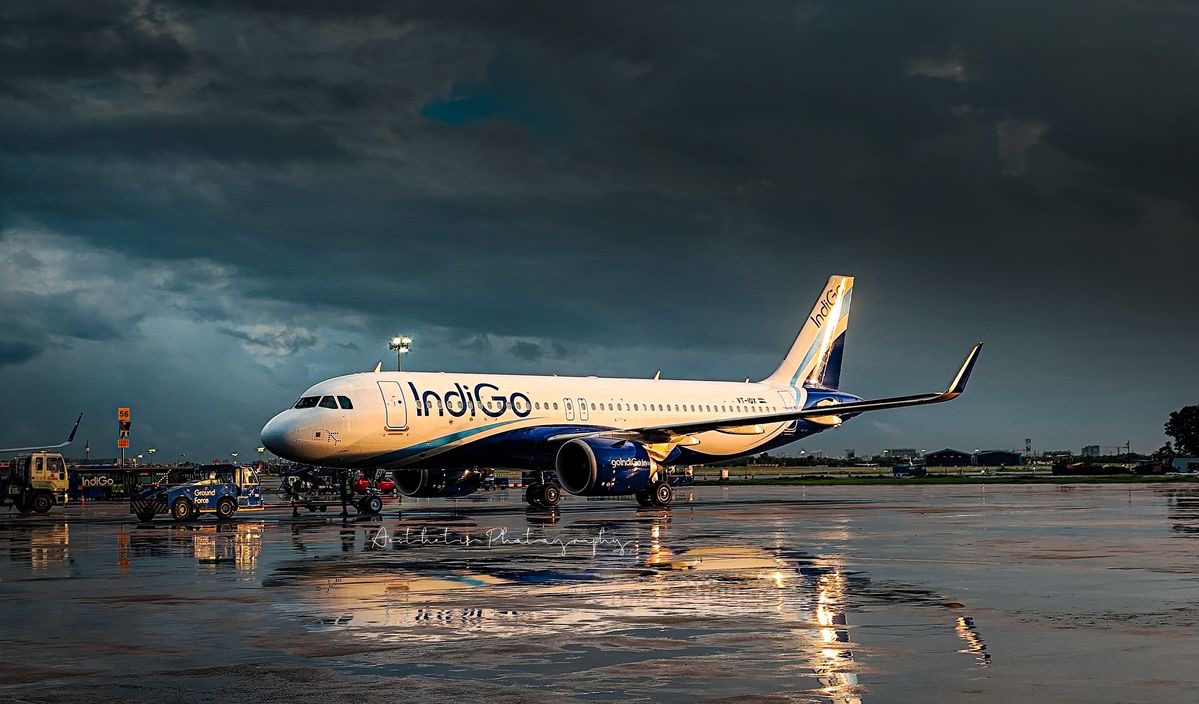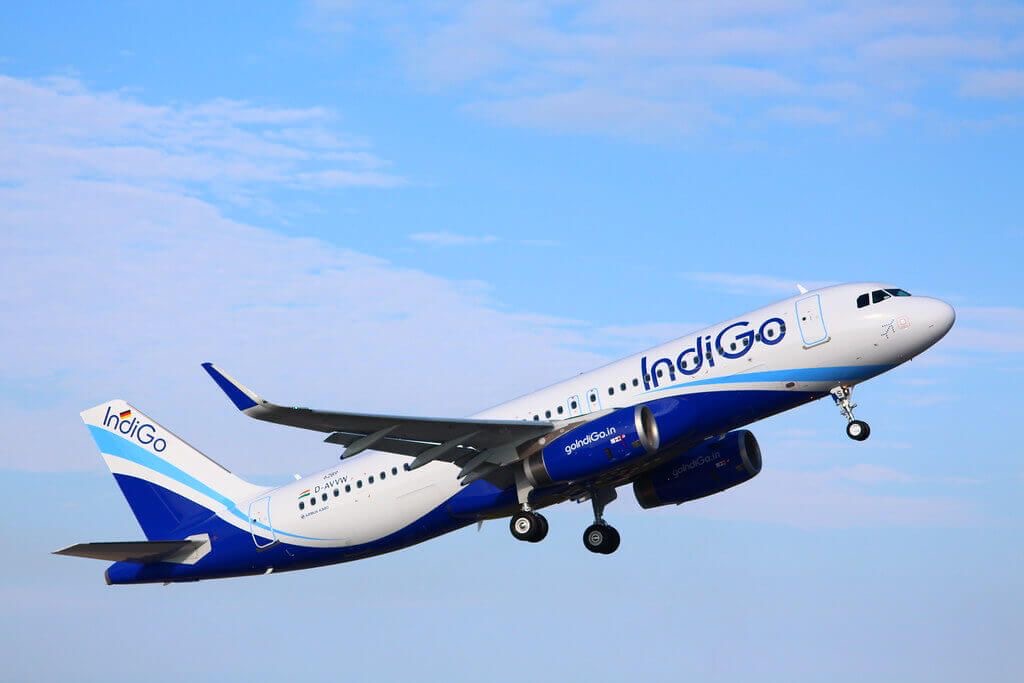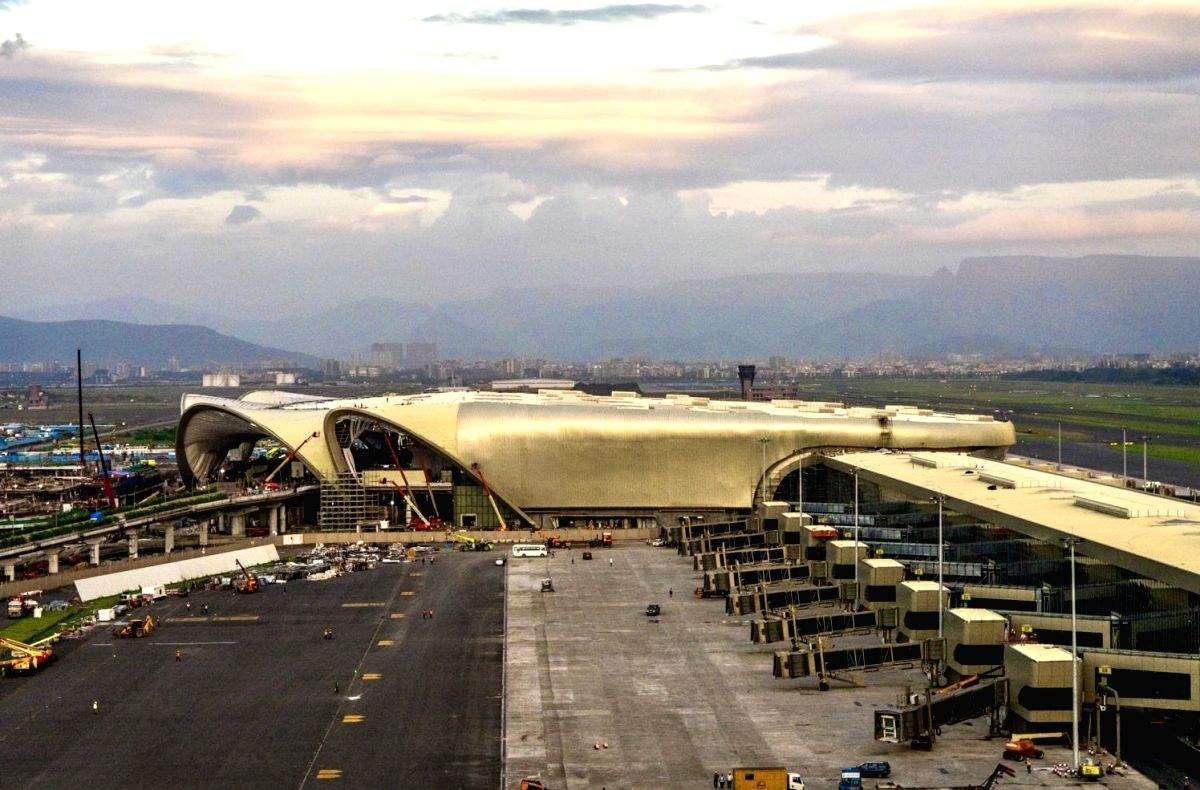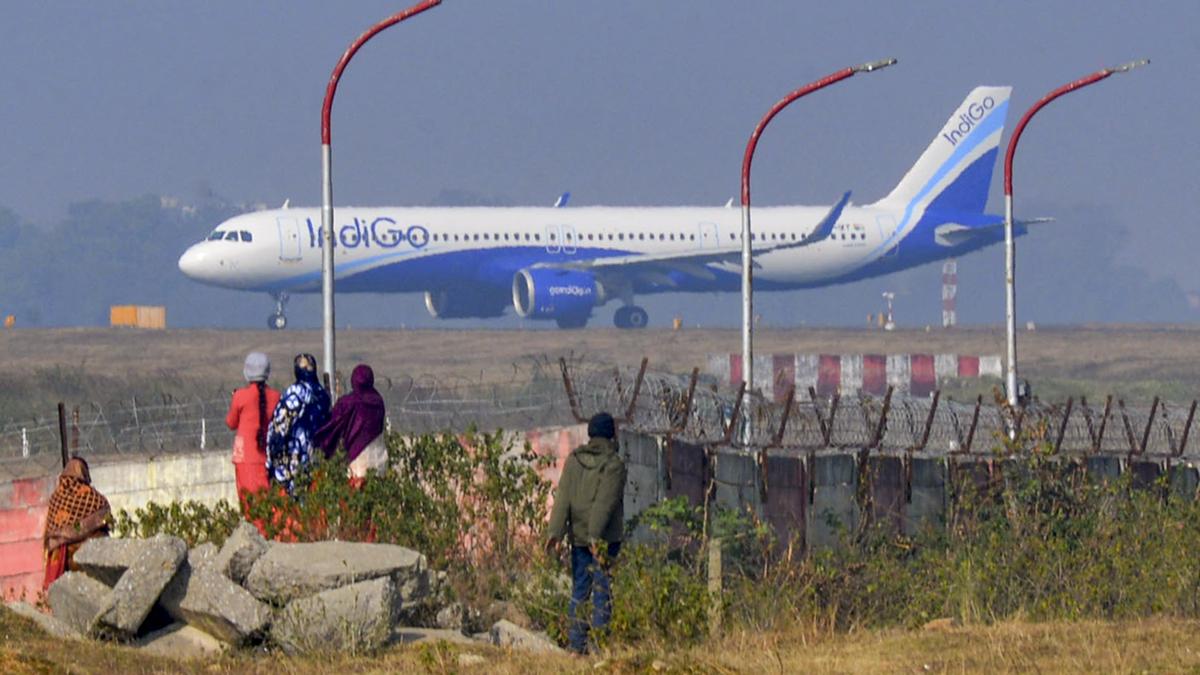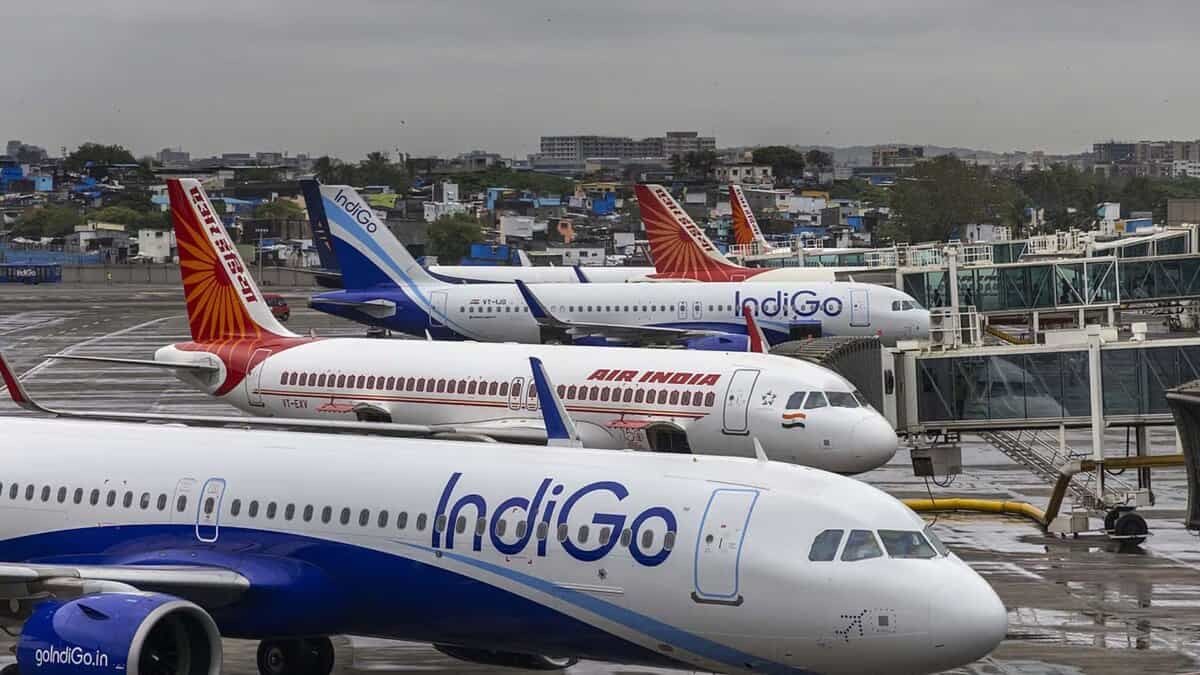
An Air India aircraft and an IndiGo aircraft were involved in a ground collision at Mumbai’s Chhatrapati Shivaji Maharaj International Airport while passengers were still aboard, airport officials said. The incident, which occurred during taxi operations, prompted an immediate safety response but fortunately did not result in any injuries to passengers or crew.
The two planes came into contact on the apron area as one aircraft was taxiing toward its departure gate and the other was manoeuvring in a ground movement zone. Both carriers confirmed that the impact was at low speed and occurred while the aircraft were under ground handling control, with no signs of abrupt braking or adverse weather cited as contributing factors at the time.
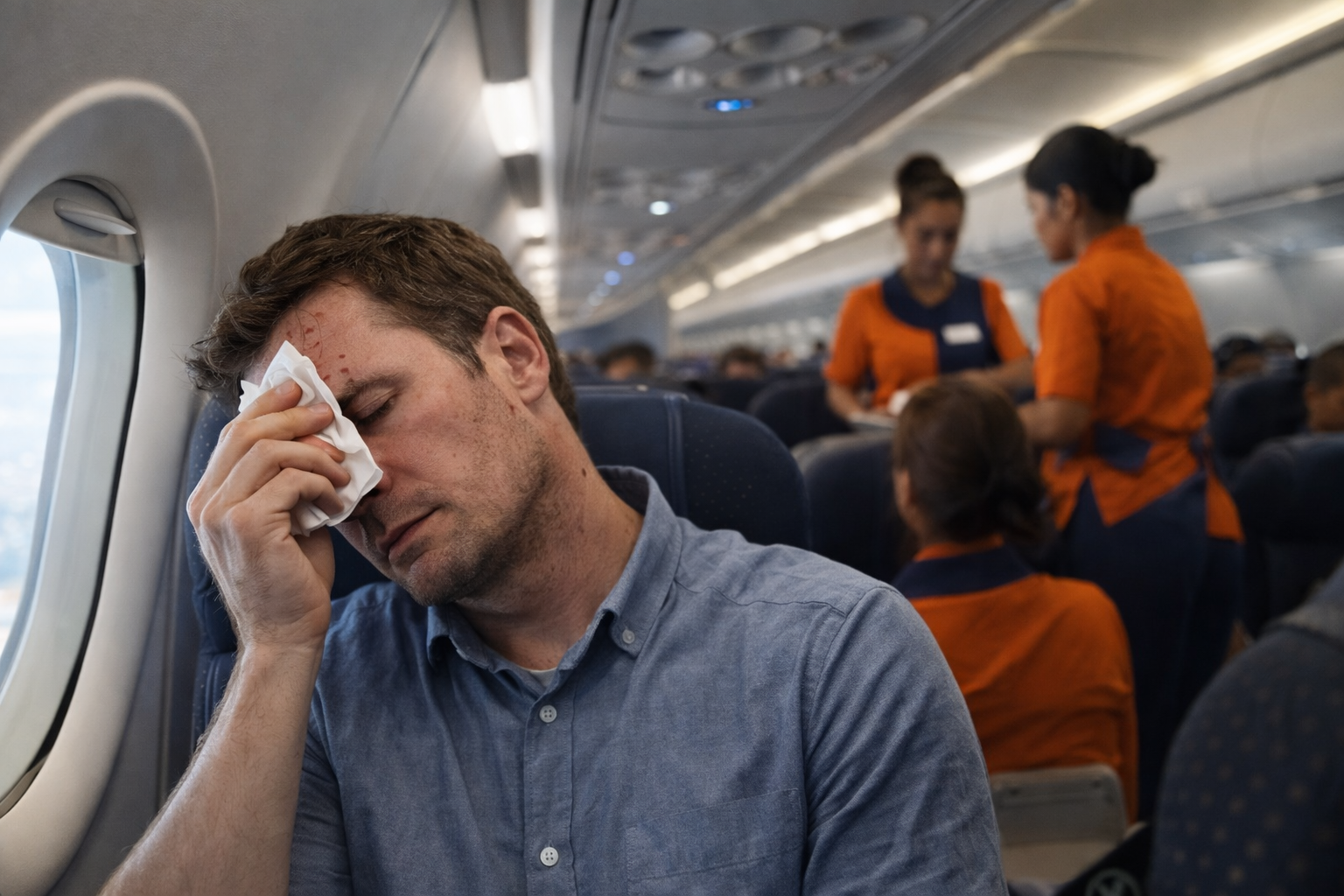
Airport ground crews and airline operations staff responded promptly, securing the area and ensuring that passengers remained safely inside the cabin until the situation was assessed. Passengers on both aircraft were kept informed by cabin crews while ground safety teams conducted initial checks to determine the extent of the damage and whether any operational systems were affected.
Air India and IndiGo representatives said that both flights were temporarily held while the airport’s safety and operations teams carried out detailed inspections. Passengers were provided updates and were later disembarked in an orderly manner once it was confirmed that no immediate risk remained. Both airlines emphasised that passenger wellbeing was their top priority throughout the event.
Airport authorities stressed that Mumbai Airport’s safety protocols functioned as designed, with multiple layers of oversight and response readiness being activated as soon as the collision was reported. Fire and rescue units were placed on standby, and ground controllers quickly re-established normal apron operations after clearing the scene and verifying that no hazards such as fuel leaks were present.
The Directorate General of Civil Aviation (DGCA) has been notified and is expected to launch a formal inquiry to determine the root cause of the ground collision. Investigators typically look at factors such as ground traffic management, communication between flight crews and ground control, vehicle movements in the apron area, signage clarity and adherence to taxi procedures.
Although there were no injuries, both aircraft sustained minor structural damage to external components such as wingtips and fuselage panels. Technicians from each airline’s engineering departments were deployed to conduct in-depth assessments before granting clearance for either aircraft to return to service. In similar past incidents, damage to non-critical parts during low-speed ground contact has been manageable, though investigations help refine safety procedures to prevent recurrence.
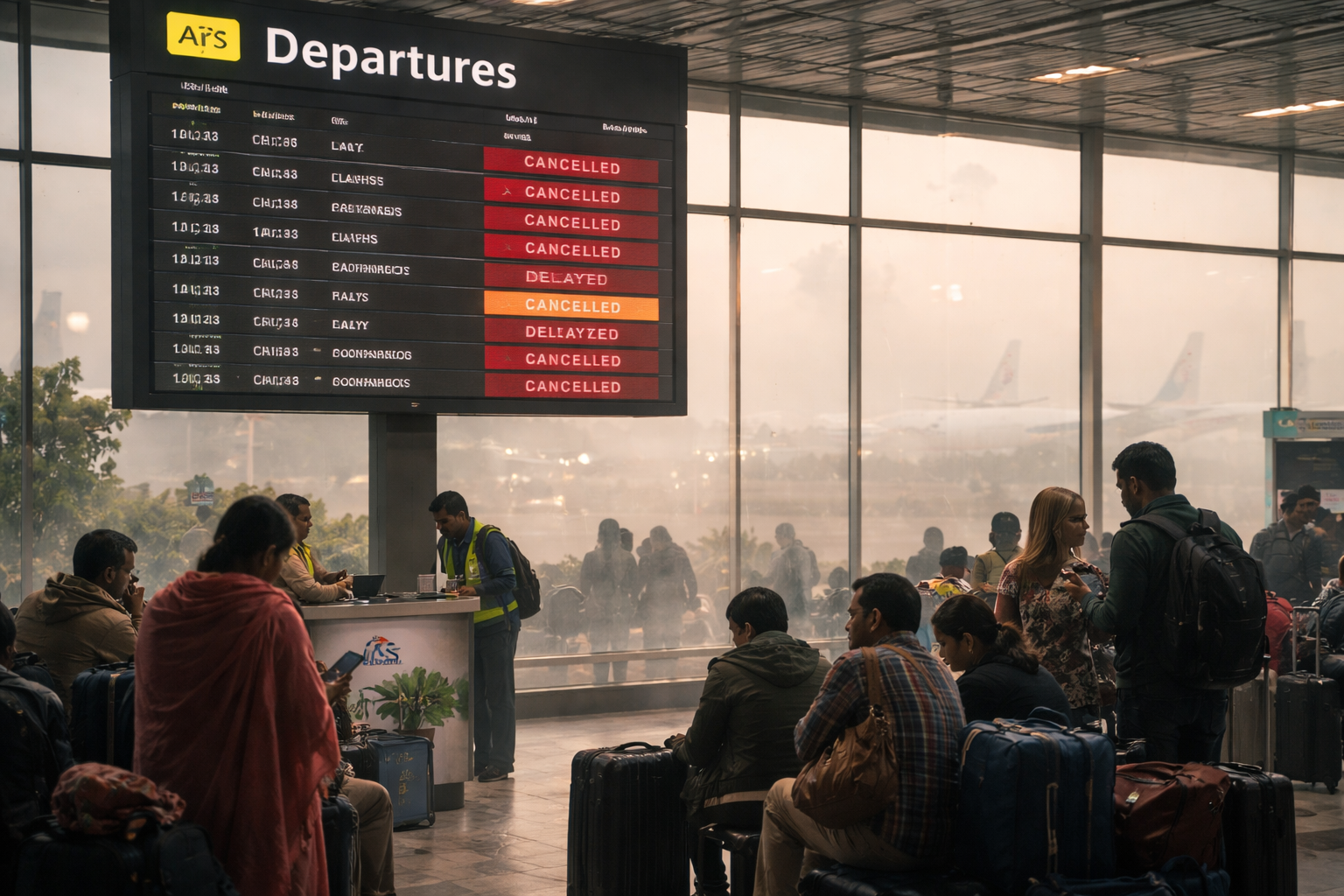
Passengers affected by the disruption were assisted by airline staff with rebooking, alternate connections and refreshment arrangements where necessary, particularly for those originally scheduled to depart on the affected flights. Frequent flyers and travel agents noted that while such incidents are rare, rapid communication and clear guidance from airline crews helped maintain calm among travellers.
Experts in aviation safety underscore that ground movement areas at busy airports like Mumbai require precise coordination; taxiway congestion, vehicle traffic, varied aircraft types and tight ramp spaces introduce complexity that must be carefully managed. Post-incident analyses often lead to enhanced crew training, updated ground control procedures or technical changes to communication protocols.
Air India and IndiGo both stated that they will fully cooperate with the DGCA and airport authorities as the investigation proceeds. Outcomes may include recommendations on ground handling practices, apron signage, coordination between flight crews and control towers, and reinforcement of safety margins during taxi operations.
For now, the absence of injuries and the measured response by airline and airport staff have been highlighted as key factors in preventing escalation. As the inquiry progresses, stakeholders across the Indian aviation sector will watch closely to see how lessons from this ground collision help strengthen safety across one of the busiest airport environments in the country.