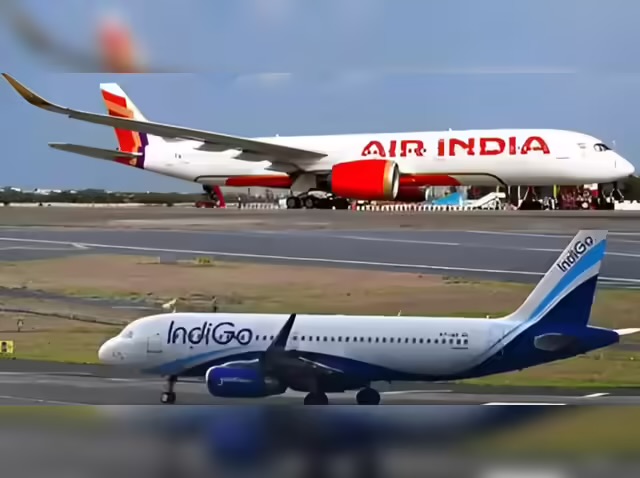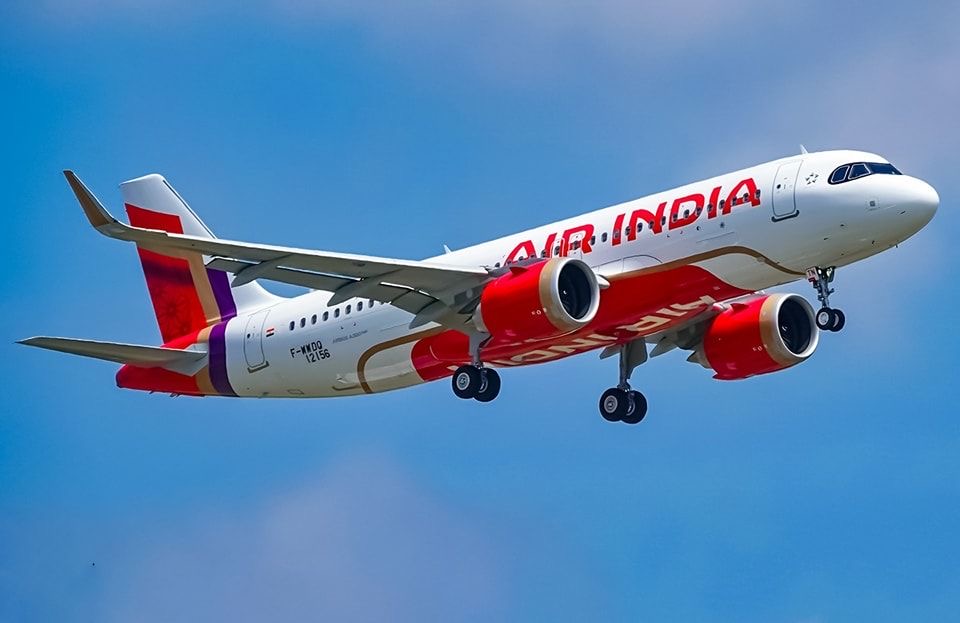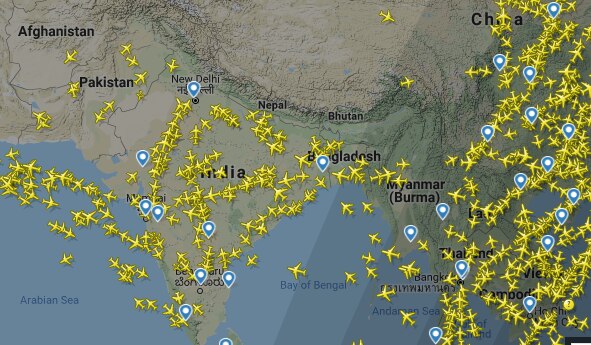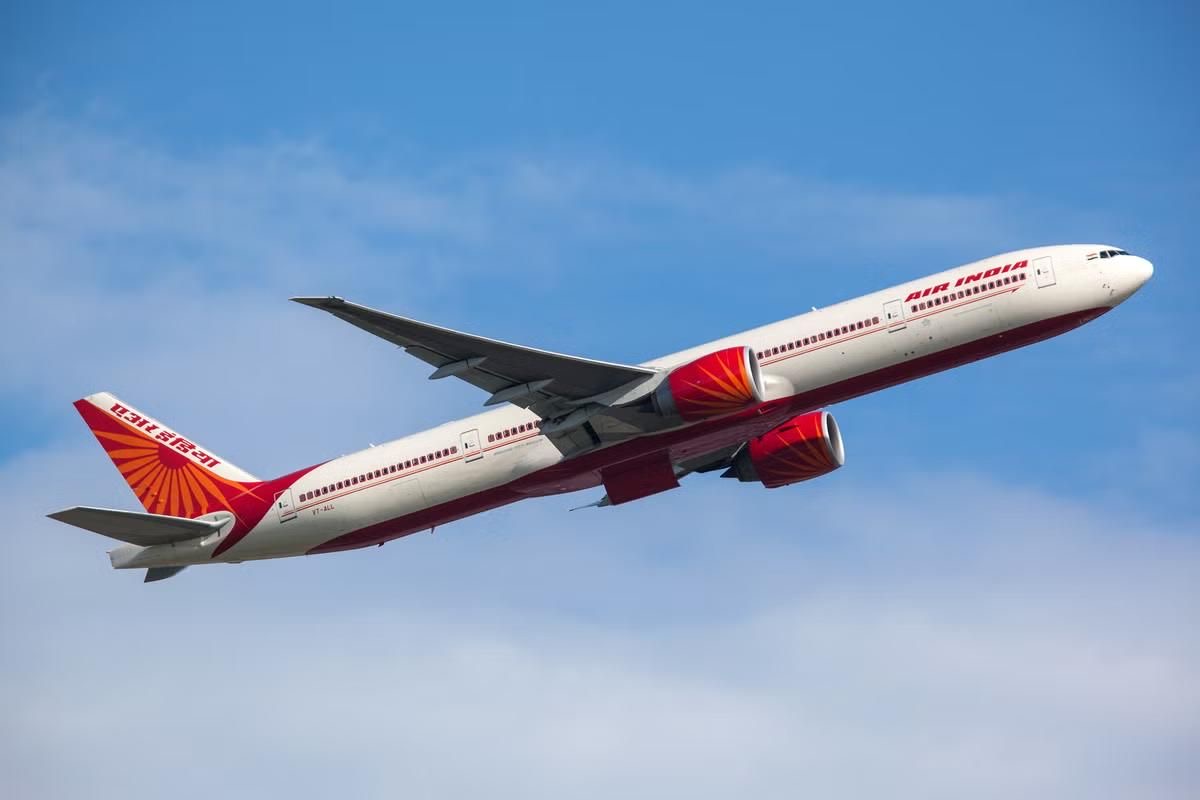
India’s aviation ministry has said it is actively examining concerns about sharp increases in airfares during major festival seasons, acknowledging that travellers often face unusually high ticket prices when demand spikes during holidays. Officials said the government is reviewing market behaviour, airline pricing practices and regulatory frameworks to identify factors that contribute to the surge and explore ways to ensure fairer pricing for passengers.
The statement came after growing complaints from flyers who said fares jumped significantly around major festivals and holiday periods, sometimes placing travel beyond the reach of many families. For years, airlines have maintained that airfare increases reflect normal supply and demand economics, where limited seat availability during peak travel dates leads to higher prices. However, the volume and intensity of public concerns have prompted the aviation ministry to take a closer look at how airlines set prices and whether existing policies adequately protect consumer interests during seasonal demand bursts.
In outlining the government’s approach, aviation officials said they are engaging with airlines, industry bodies and consumer rights groups to gather perspectives on fare structures, dynamic pricing algorithms, capacity planning and the role of advance booking behaviors. The ministry noted that understanding the mechanics of seasonal pricing requires dialogue with carriers, data analysis and assessment of how market forces interact with capacity constraints and consumer choices.
Airlines typically use dynamic pricing models that adjust fares in real-time based on remaining seat availability, historical booking patterns and anticipated demand. During festivals such as Diwali, Eid and Christmas, demand surges sharply as millions of passengers book tickets to travel home, visit relatives or take holiday trips. With a finite number of seats on each flight, automatic pricing systems often increase fares as lower fare buckets close out, leading to wide variations in ticket costs even on the same route.
Consumer advocates have argued that such sharp increases, especially when published only shortly before departure, can disadvantage many travellers who plan late or cannot book far in advance. They say the impact is felt most acutely on popular holiday travel corridors and in peak windows when demand far outstrips available seats.
The aviation ministry’s engagement is expected to focus on ways to enhance transparency in fare pricing, improve consumer awareness about booking patterns and potentially encourage carriers to offer more capacity or alternative fare options during peak periods. Some industry stakeholders have suggested that better forecasting, early release of seat inventory and more flexible pricing strategies could help moderate extreme price spikes.
At the same time, the ministry has indicated it must balance consumer protection with the commercial realities faced by airlines. Operating costs, fluctuating fuel prices, crew scheduling constraints and airport capacity limits all influence how airlines price seats. Regulatory overreach, critics warn, could stifle competition or create unintended distortions that affect service quality or route viability.
Experts in aviation economics say that fare volatility during busy travel seasons is common globally and that price signals are a key tool for airlines to manage capacity and maximise revenue. However, they also note that markets with concentrated demand and limited competition on certain routes can see disproportionately high fares when capacity is tight, underscoring the need for robust competition and strategic capacity planning.
The ministry’s review process may include analysis of historical fare data, discussions on competitive dynamics, assessment of demand forecasting and exploration of policy options that might improve passenger outcomes without undermining market efficiency. Transparent reporting and public consultation could form part of the process, allowing travellers and industry players to contribute insights ahead of any potential regulatory changes.
In the longer term, initiatives such as increased airport capacity, expanded route networks, better regional connectivity and more aircraft entering service could help mitigate extreme fare spikes by adding capacity where demand is highest. Policies that encourage fair competition and lower barriers to entry for new carriers can also contribute to more balanced pricing environments over time.
For now, flyers affected by recent fare hikes are being encouraged to book early, remain flexible with travel dates and explore alternate airports or routes where possible, while the ministry continues its engagement with airlines and stakeholders on potential ways to address the issue.