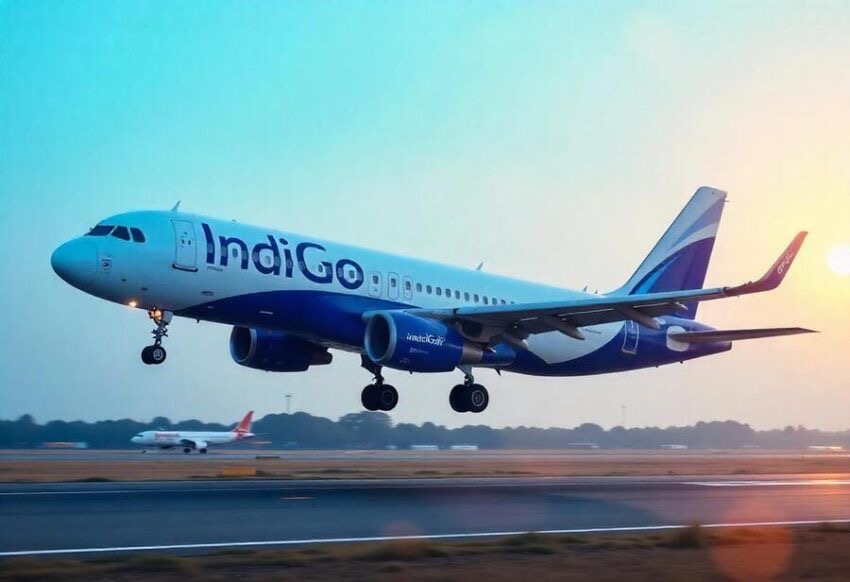
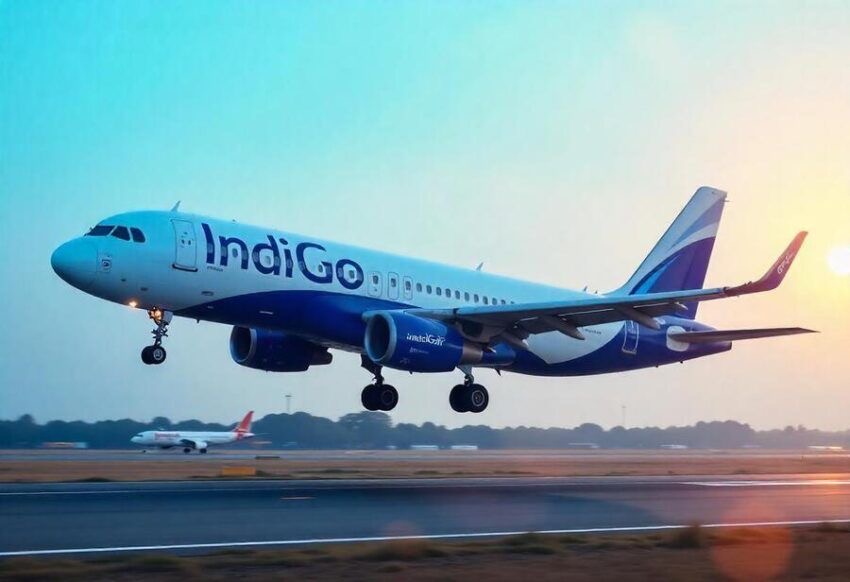
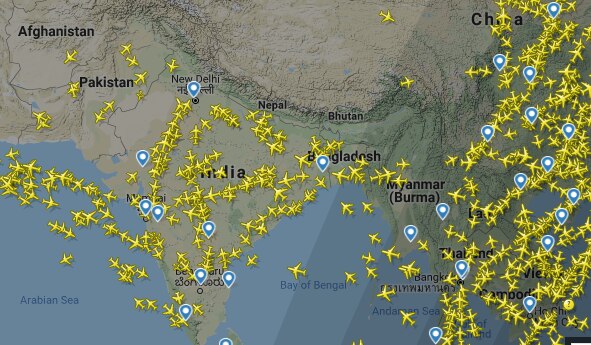
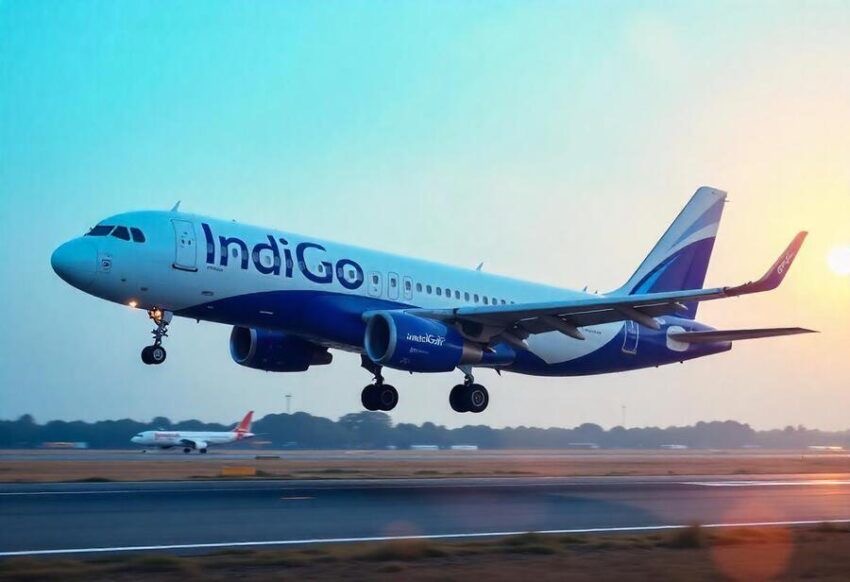
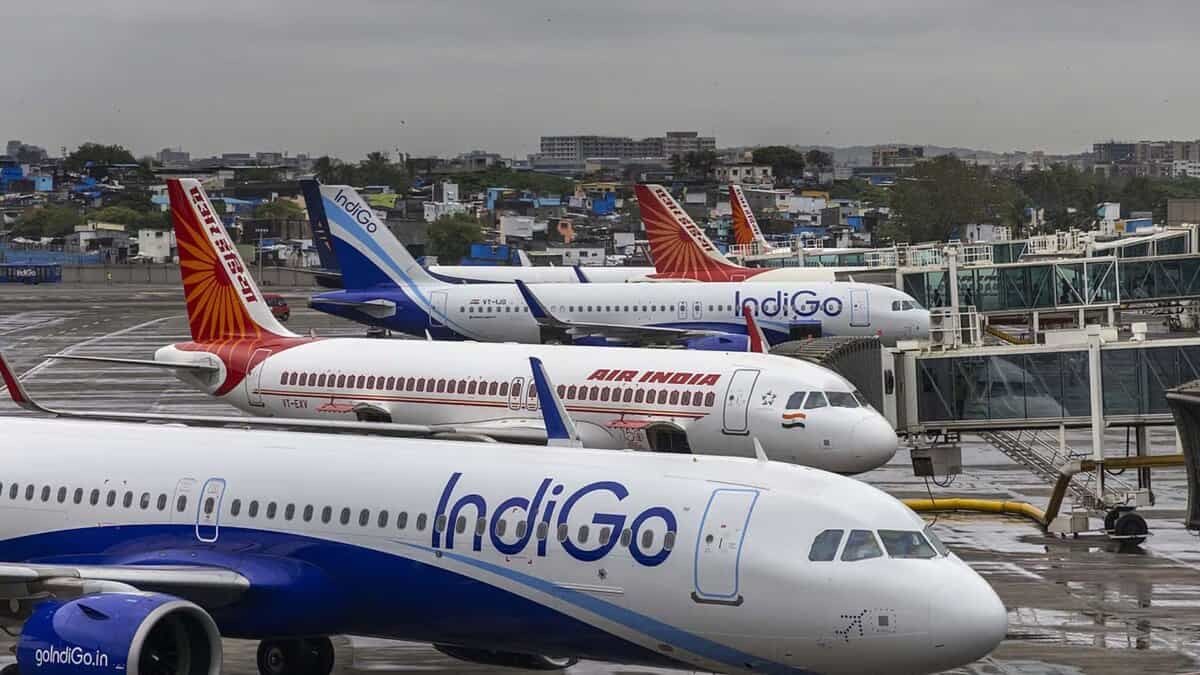
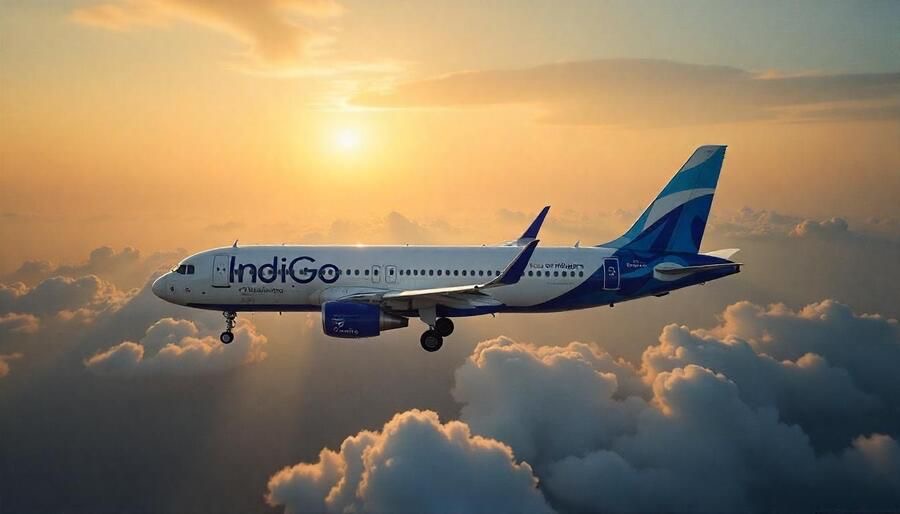
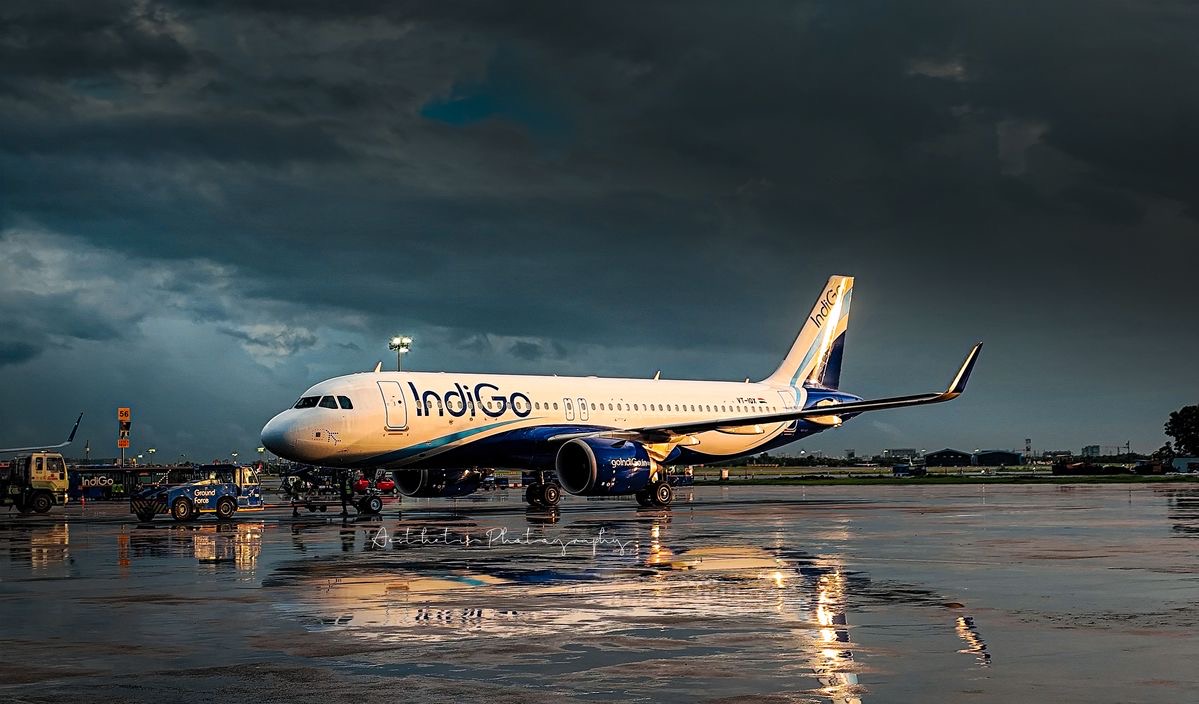
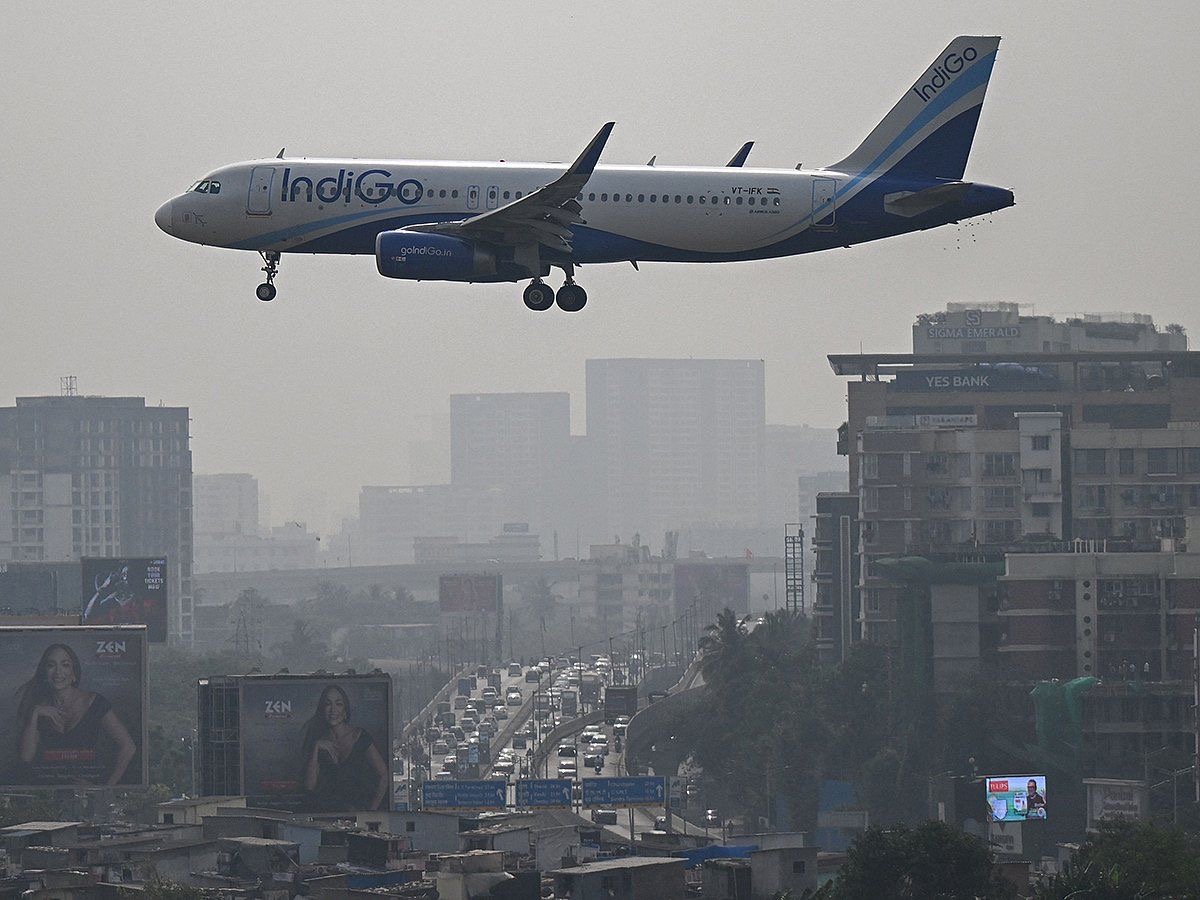
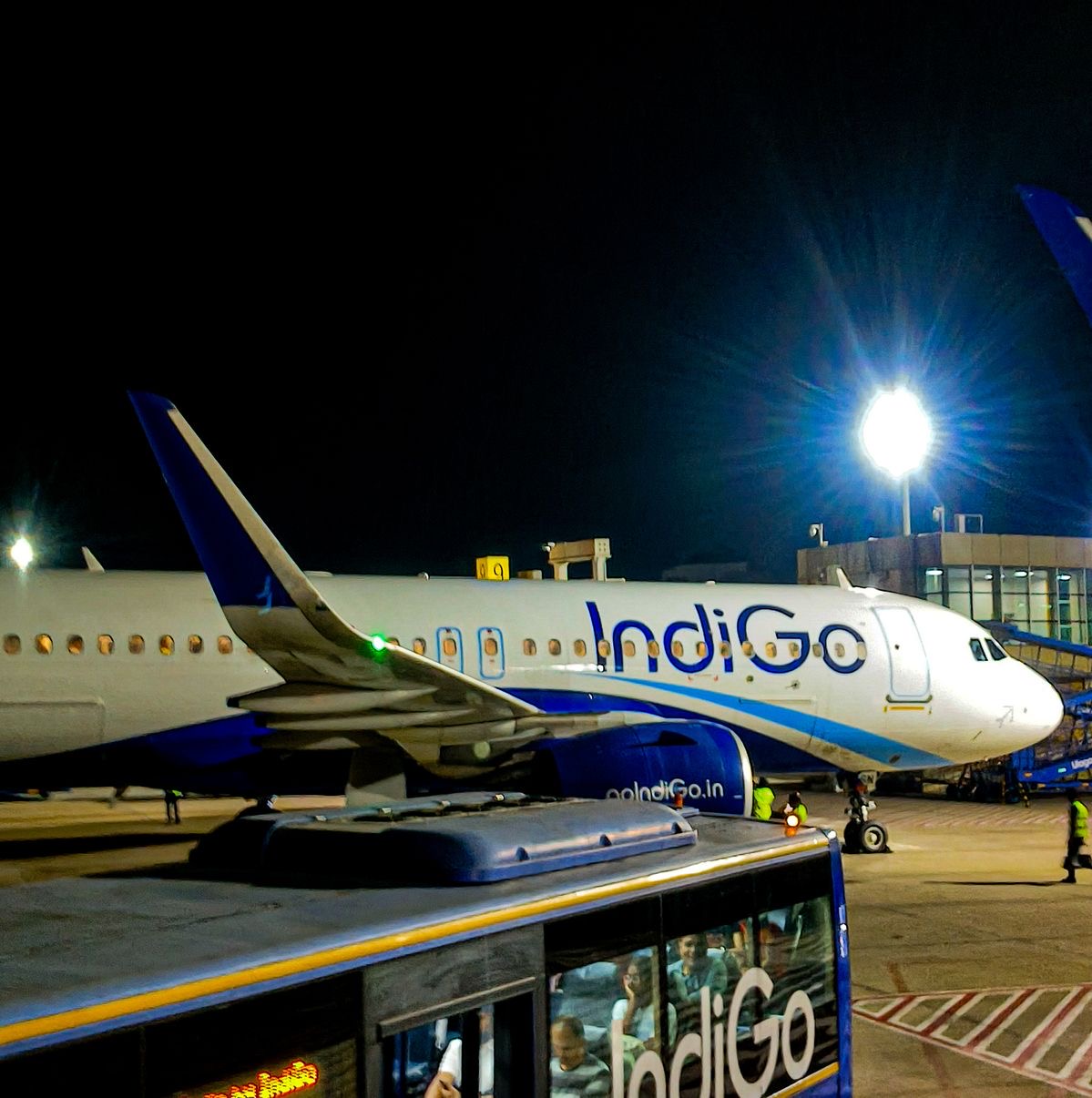
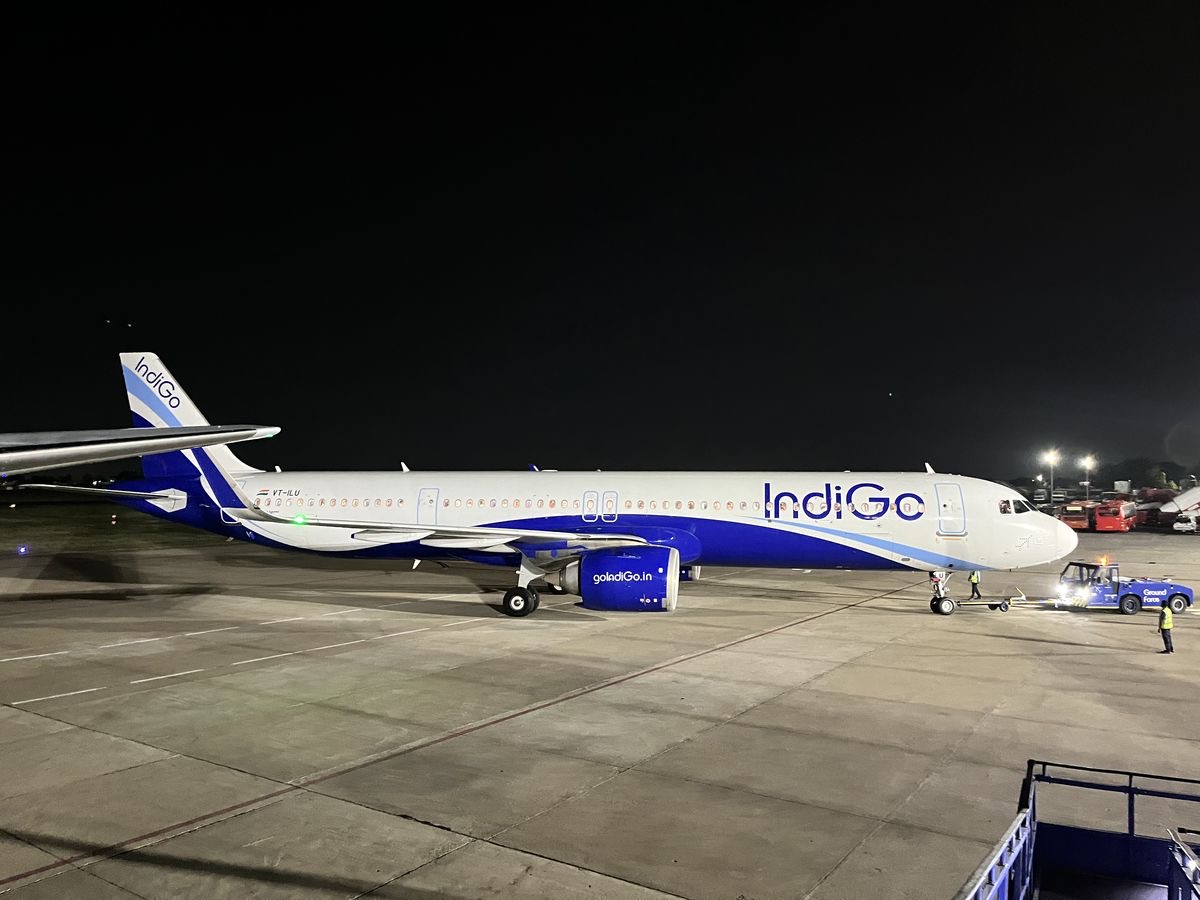
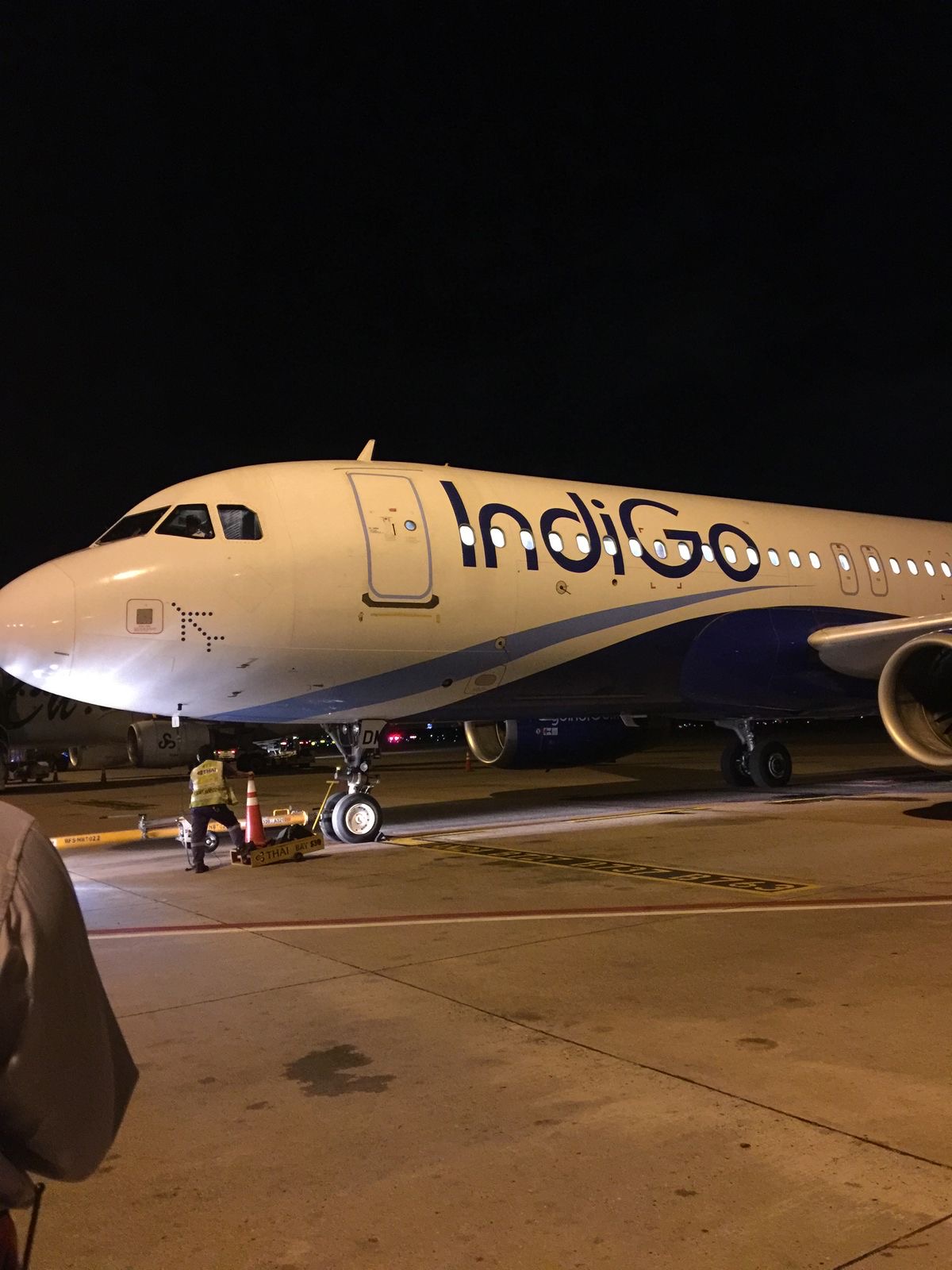
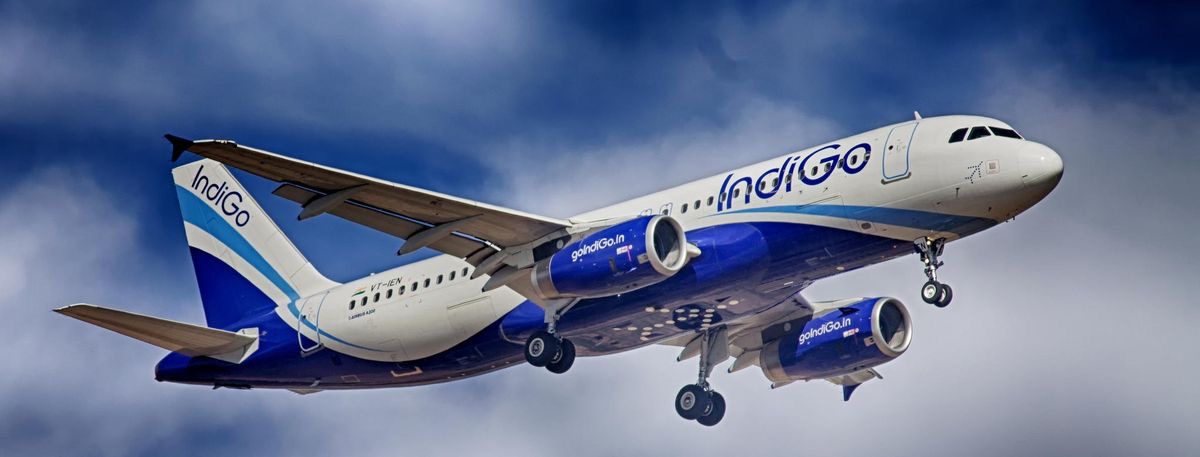
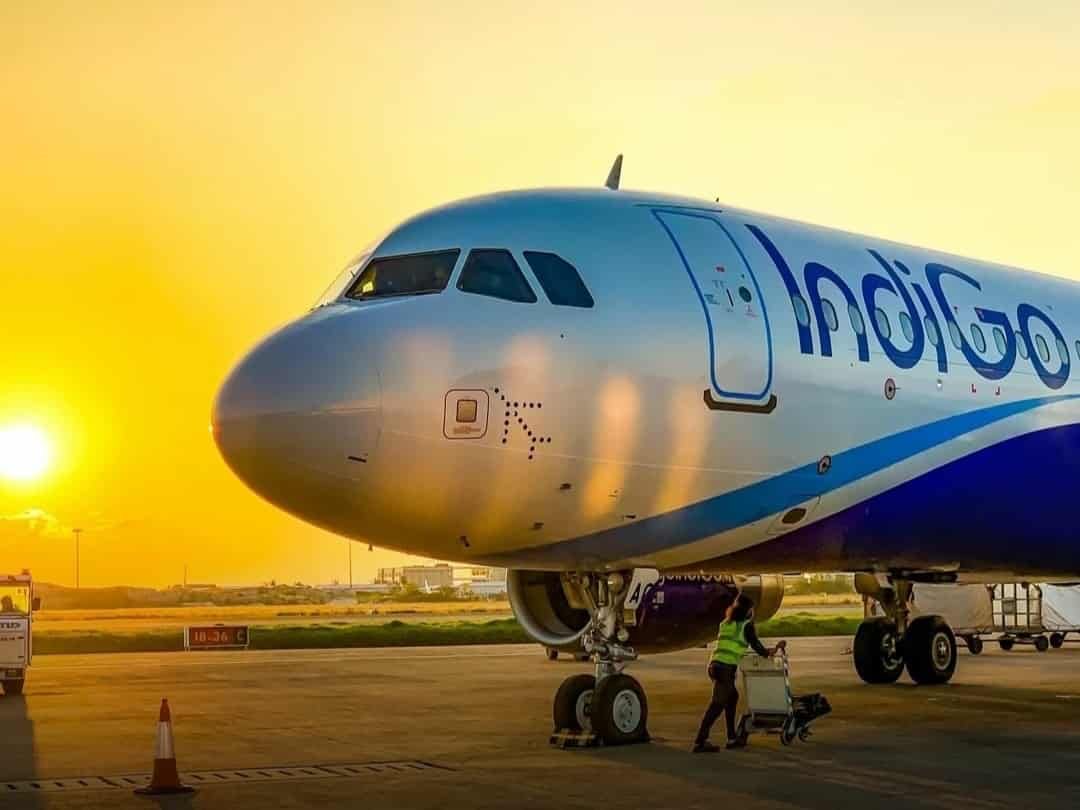
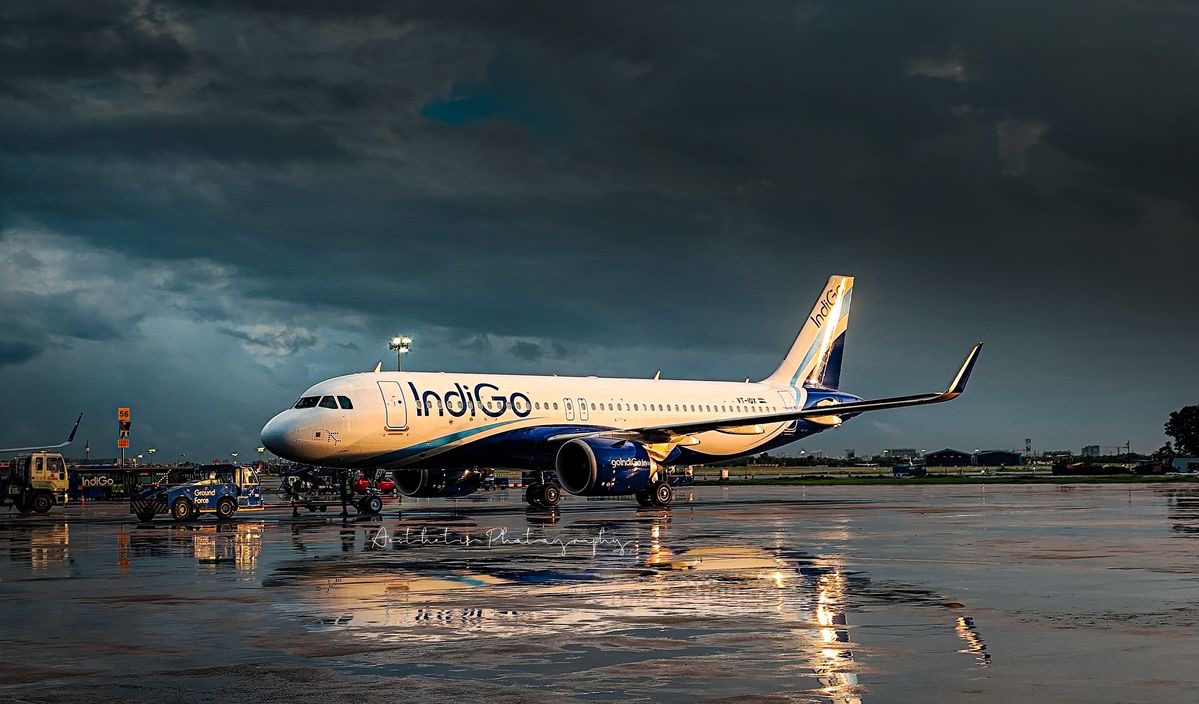
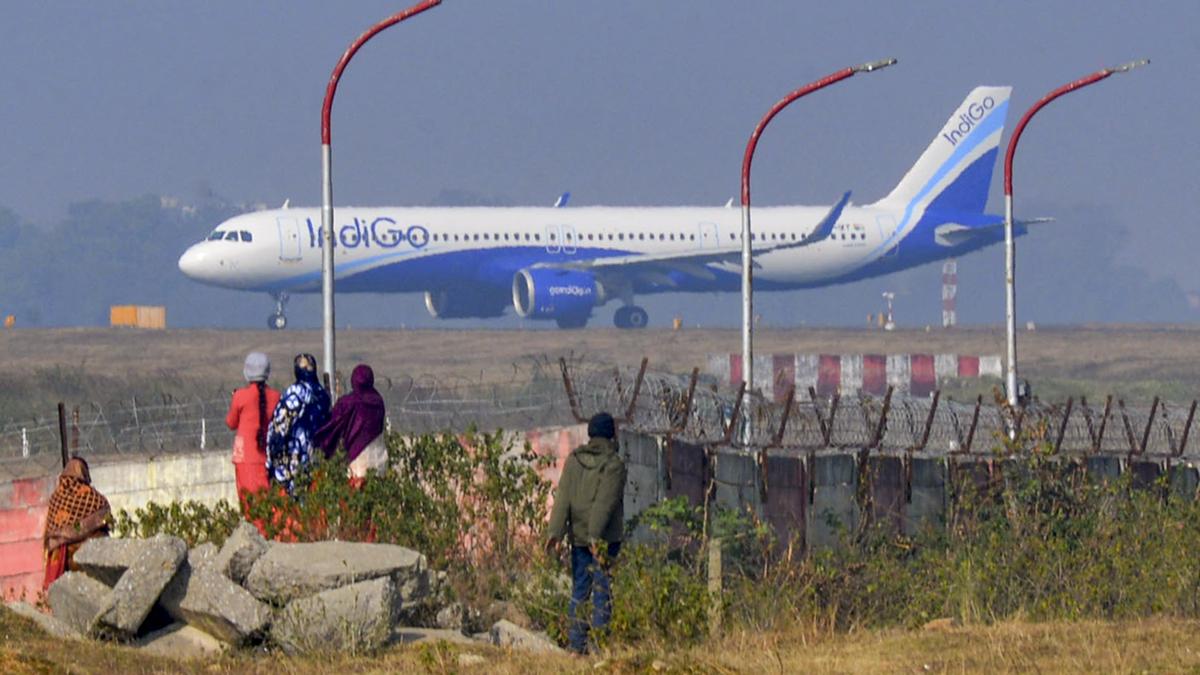
Winter tightened its icy grip on India’s aviation network on December 16, as thick, lingering fog rolled across several parts of the country—particularly northern India—triggering widespread disruption in air travel. IndiGo, the country’s largest airline by market share, was forced to cancel more than 50 domestic flights, leaving thousands of passengers grappling with sudden changes to carefully planned journeys.
What should have been a routine start to the day quickly turned into a chaotic morning at multiple airports. As visibility levels plunged during the early hours, runway operations were severely affected. Aircraft movements slowed, take-offs were postponed, and landings became increasingly risky. With safety taking precedence over schedules, IndiGo made the decision to cancel a significant number of flights across major airports rather than operate under hazardous conditions.
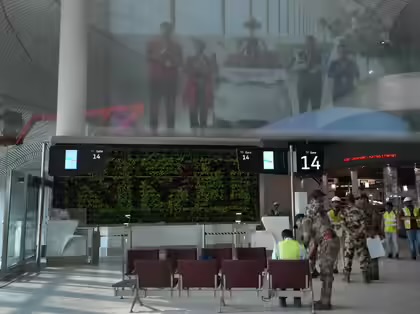
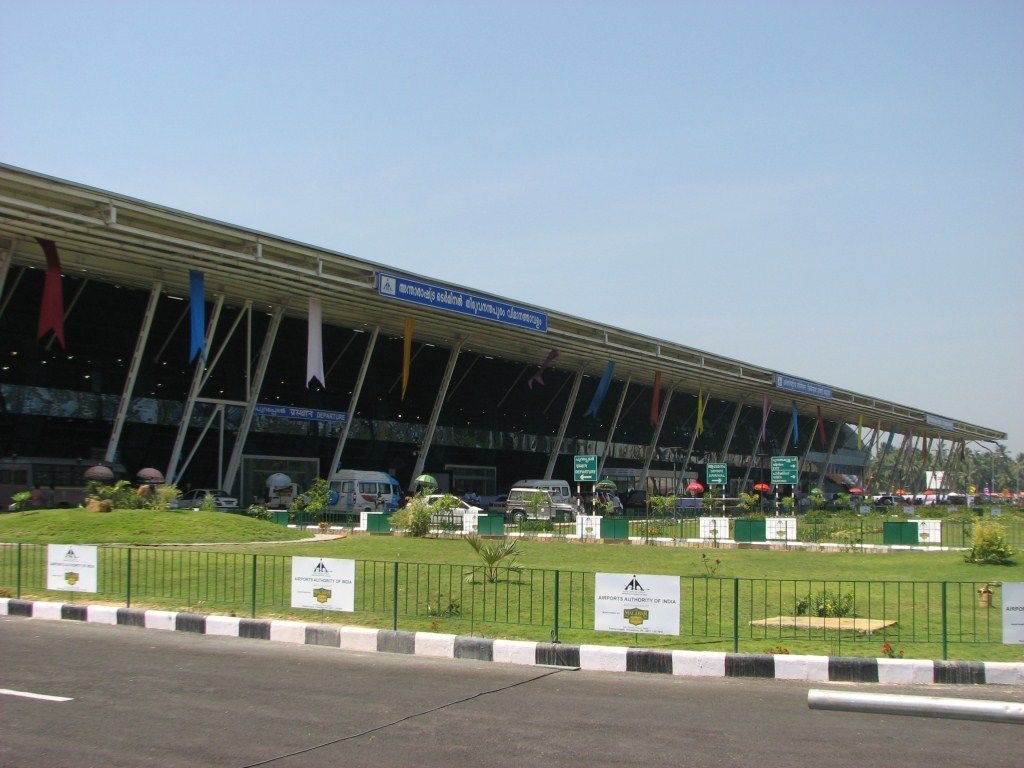
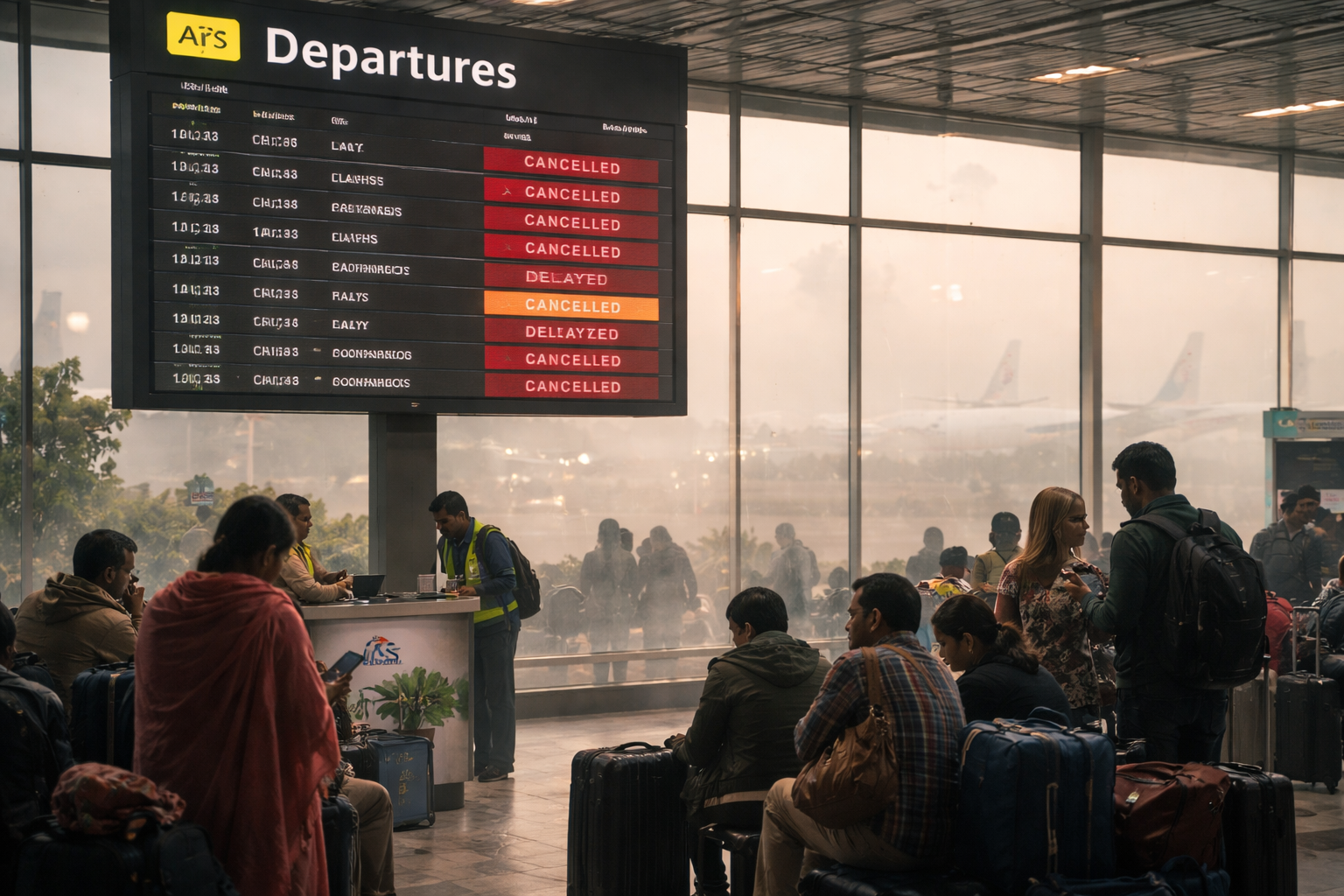
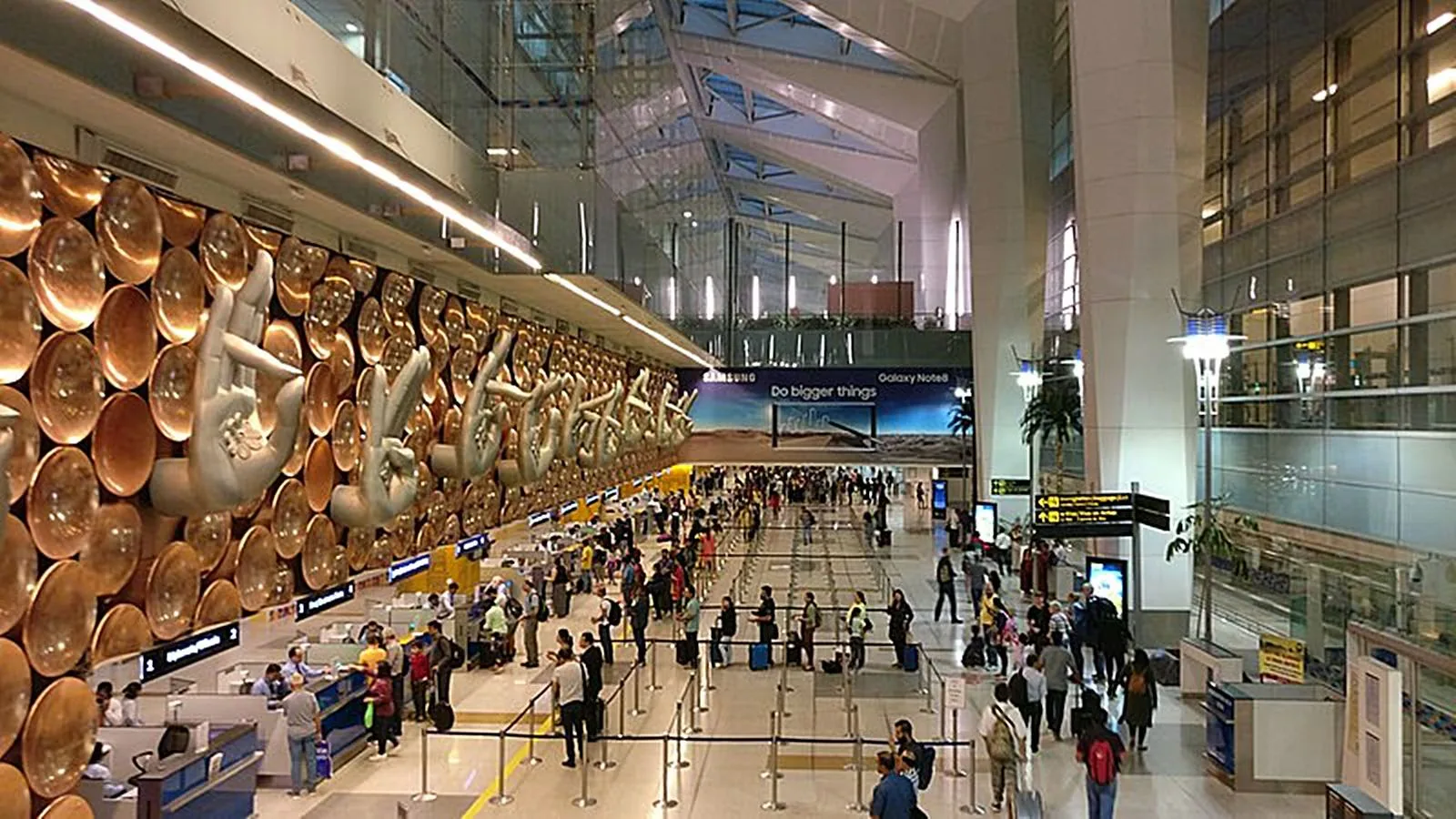
Passengers arriving at terminals were met with scenes of confusion and frustration. Departure boards lit up with cancellation notices, queues lengthened at airline counters, and travellers scrambled to contact customer support or explore alternative routes. For many, the disruption meant missed connections, postponed business meetings, delayed family reunions, and hours spent waiting amid uncertainty.
The airline issued advisories urging travellers to check the status of their flights before leaving for the airport, cautioning that weather-related disruptions could continue through the day. IndiGo also advised passengers to remain flexible, allow additional buffer time, and stay alert for real-time updates as fog conditions continued to fluctuate.
Airport officials, meanwhile, struggled to manage the ripple effects of the cancellations, as grounded flights disrupted subsequent schedules and aircraft rotations. Early-morning services were among the worst affected, as dense fog—often at its peak before sunrise—made precision landings and departures extremely challenging.
This episode once again highlights the seasonal vulnerability of India’s aviation sector during winter months. Every year, dense fog becomes a formidable adversary, testing airport infrastructure, operational preparedness, and passenger patience alike. Despite technological advancements, prolonged low visibility remains a major obstacle for smooth air traffic movement during this time of year.
With weather forecasts suggesting that foggy conditions may persist over the coming days, airlines and passengers alike are bracing for further delays and cancellations. For now, winter fog has once again succeeded in grounding aircraft, disrupting schedules, and turning ordinary travel days into long, exhausting ordeals.
As the skies remain clouded, travellers are being reminded that during winter mornings, flexibility is essential—and that safety, even at the cost of convenience, remains the airline’s top priority.