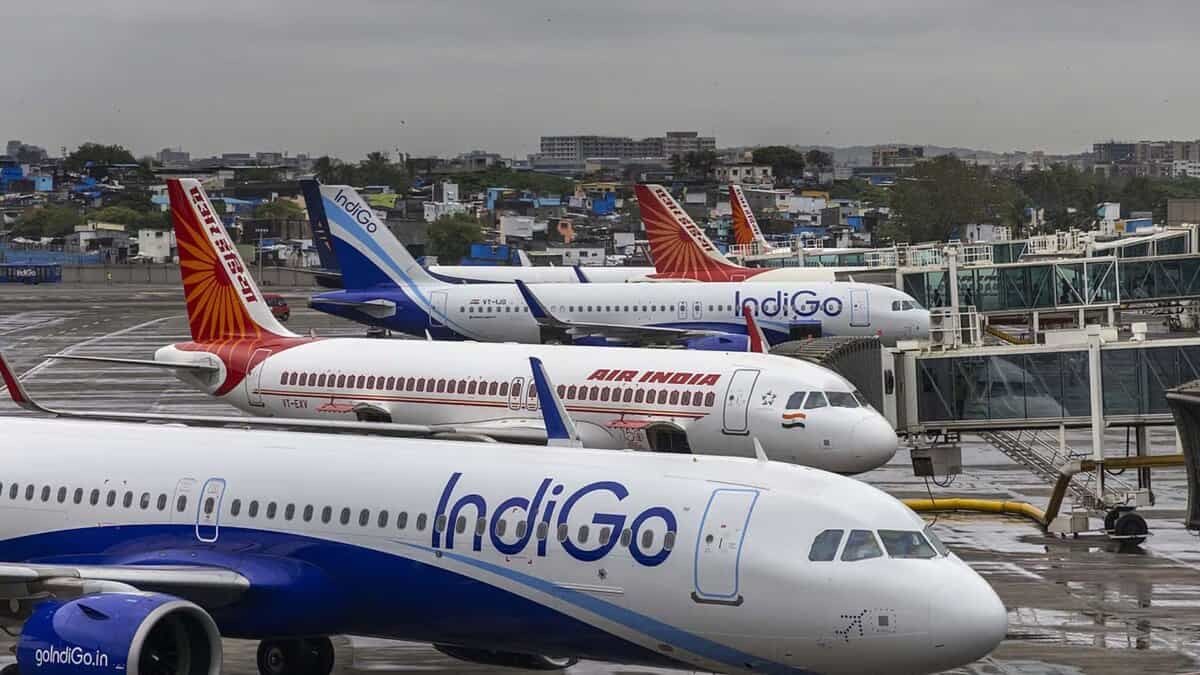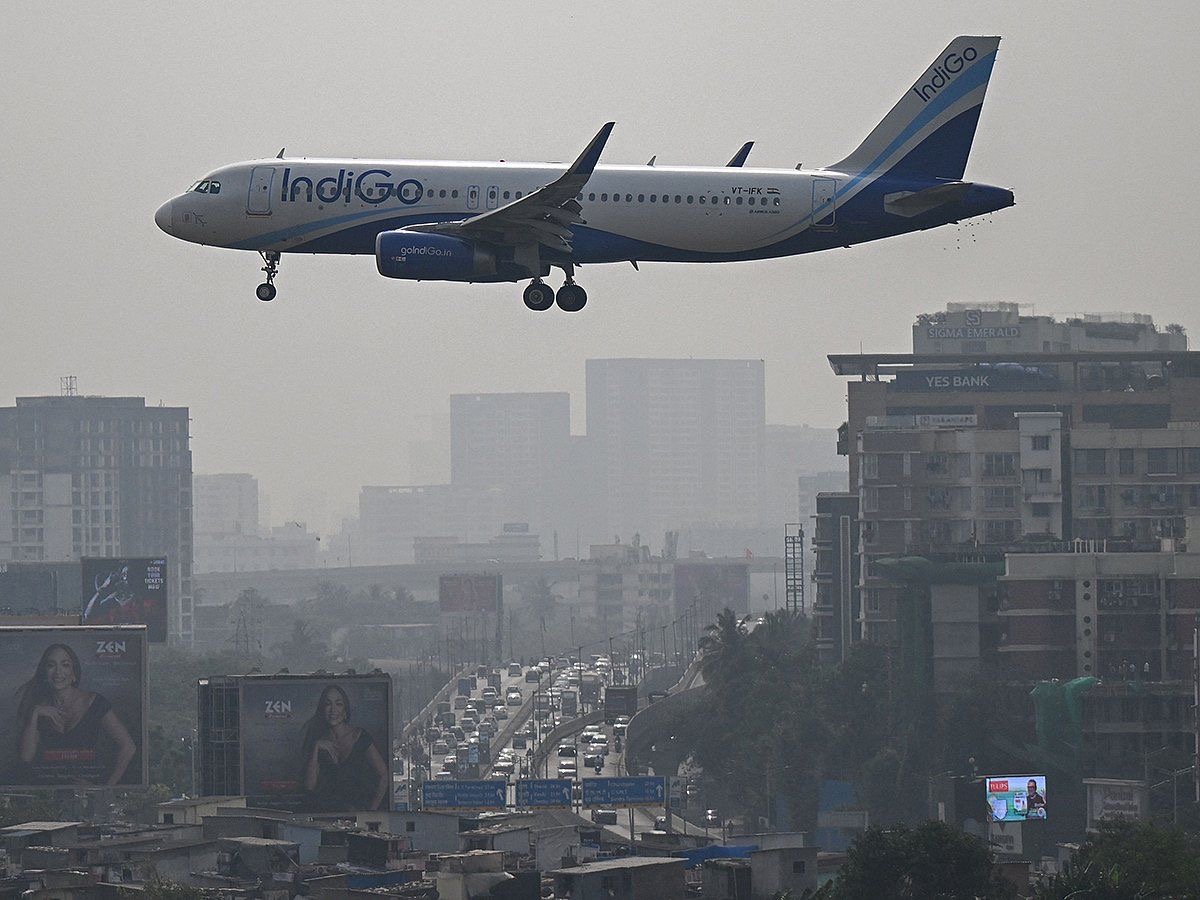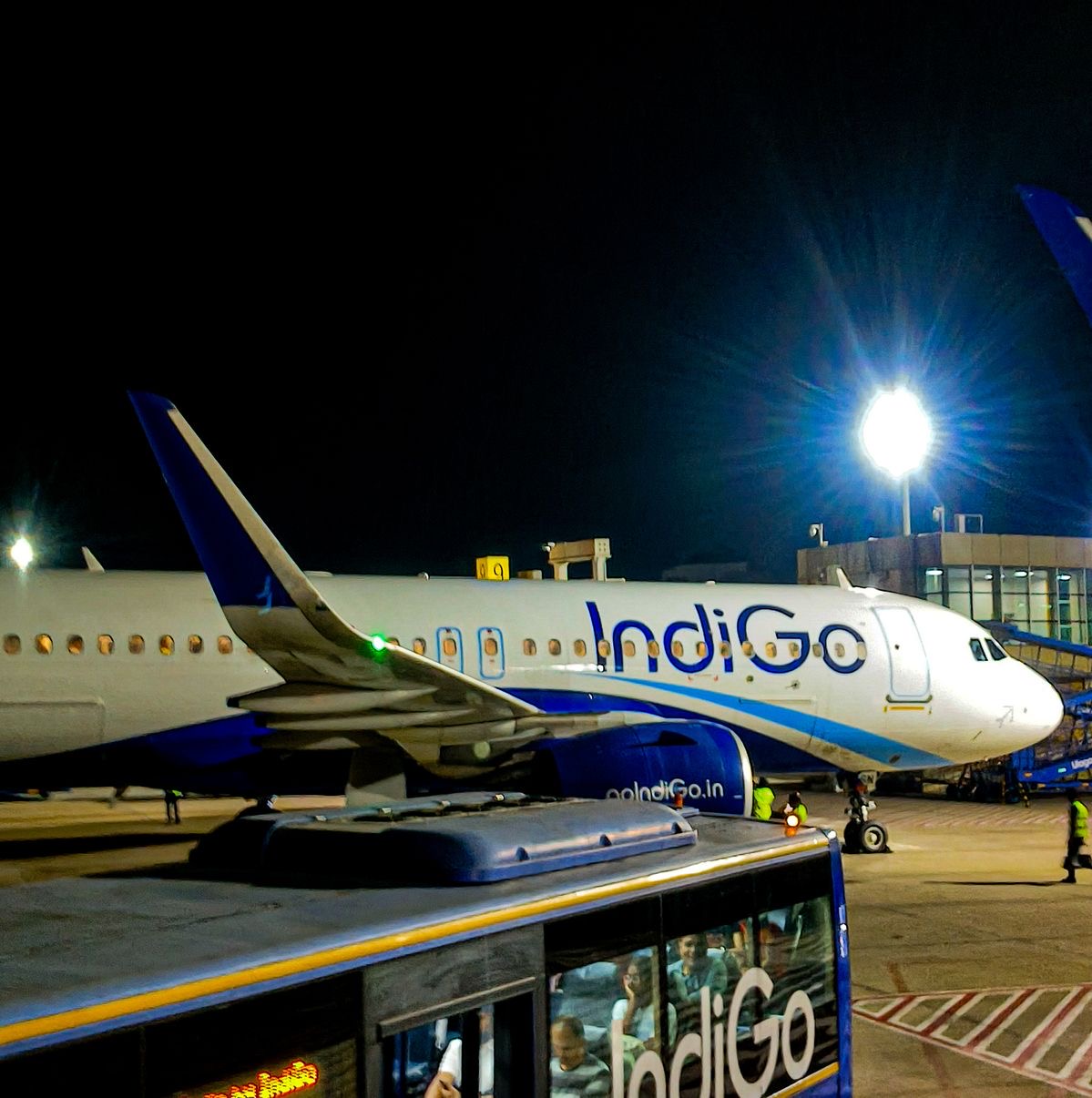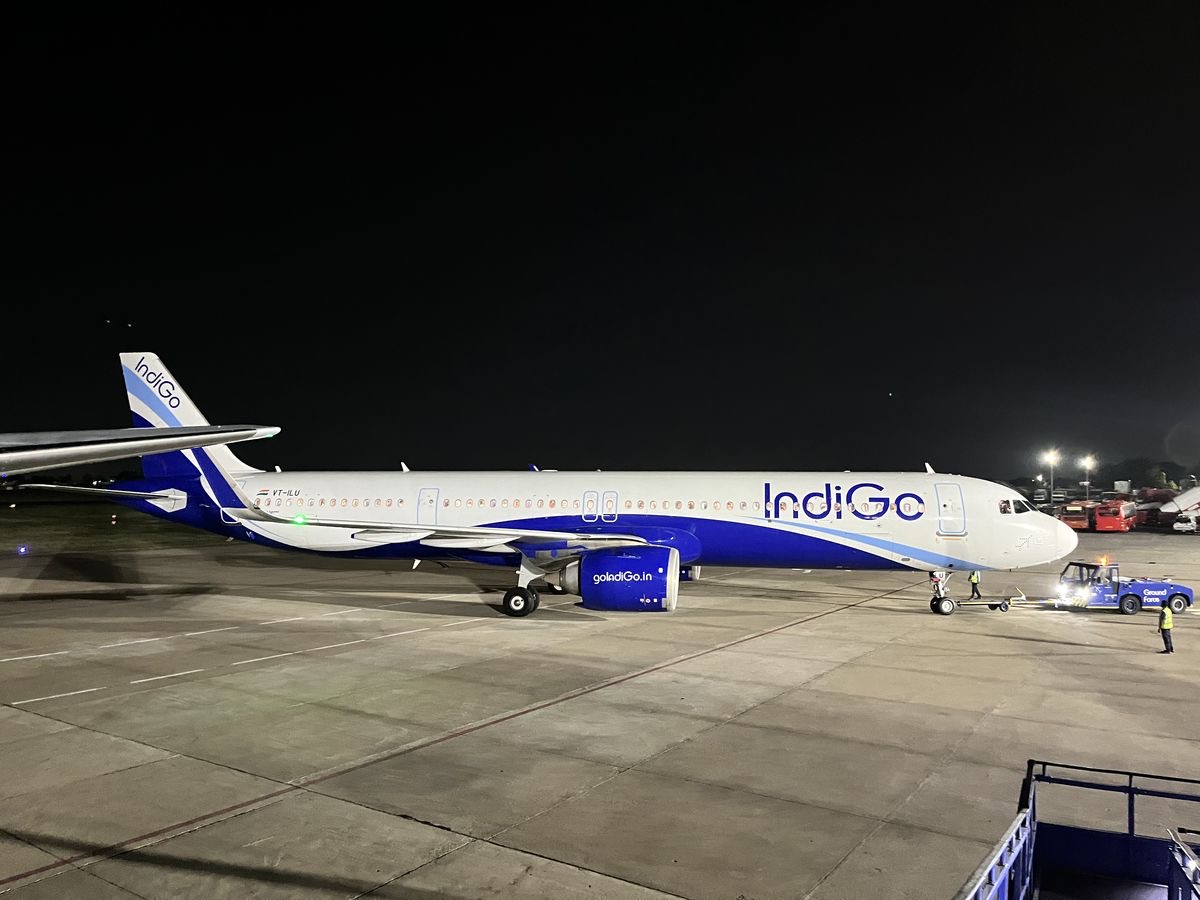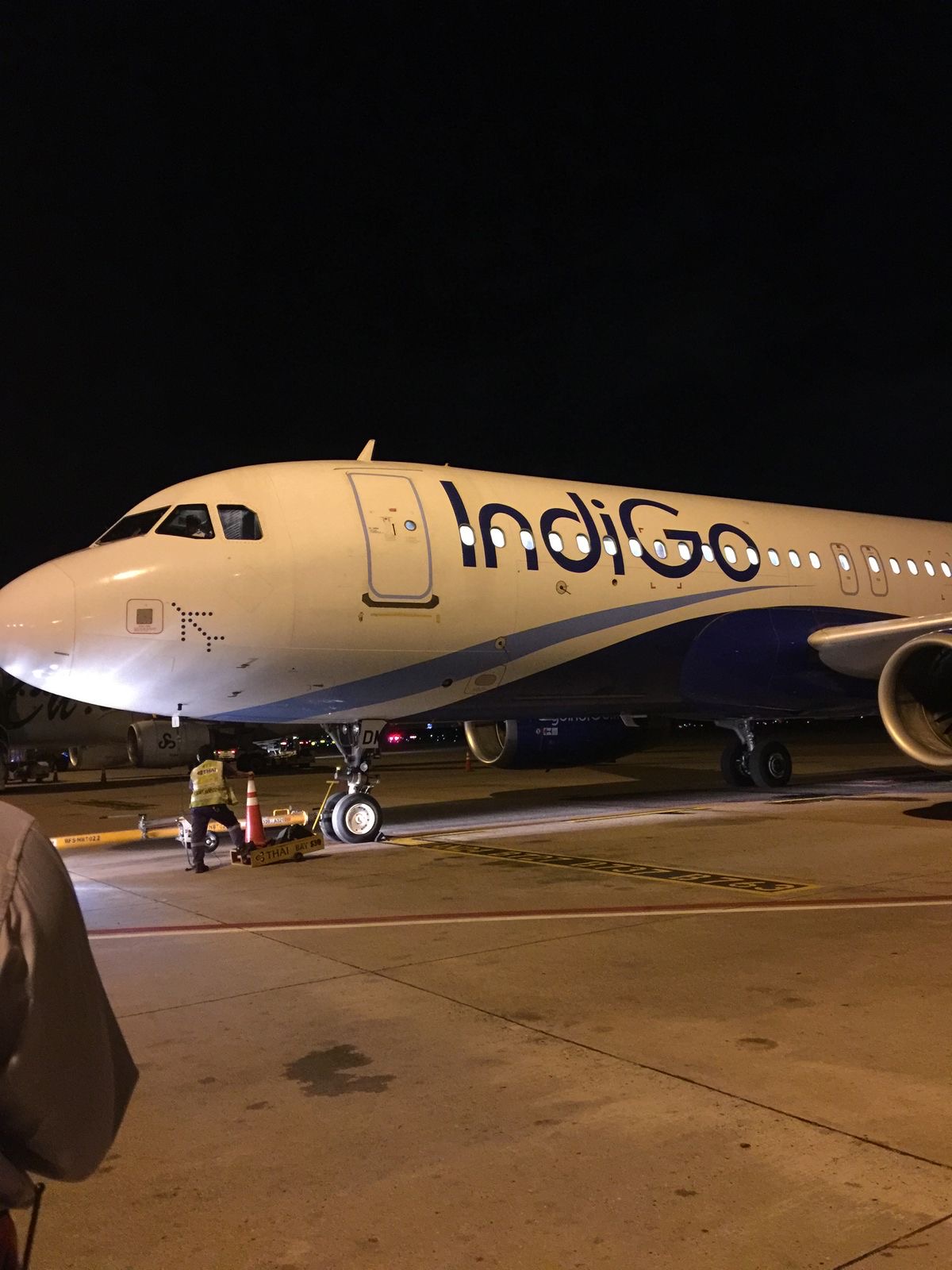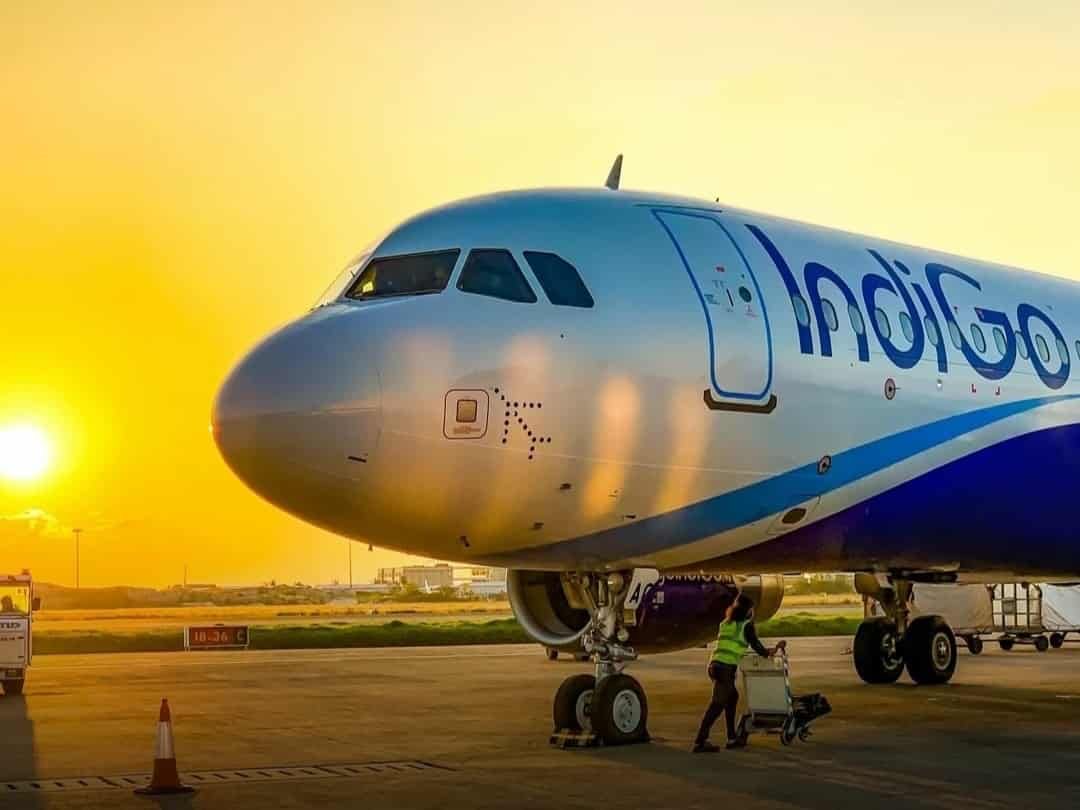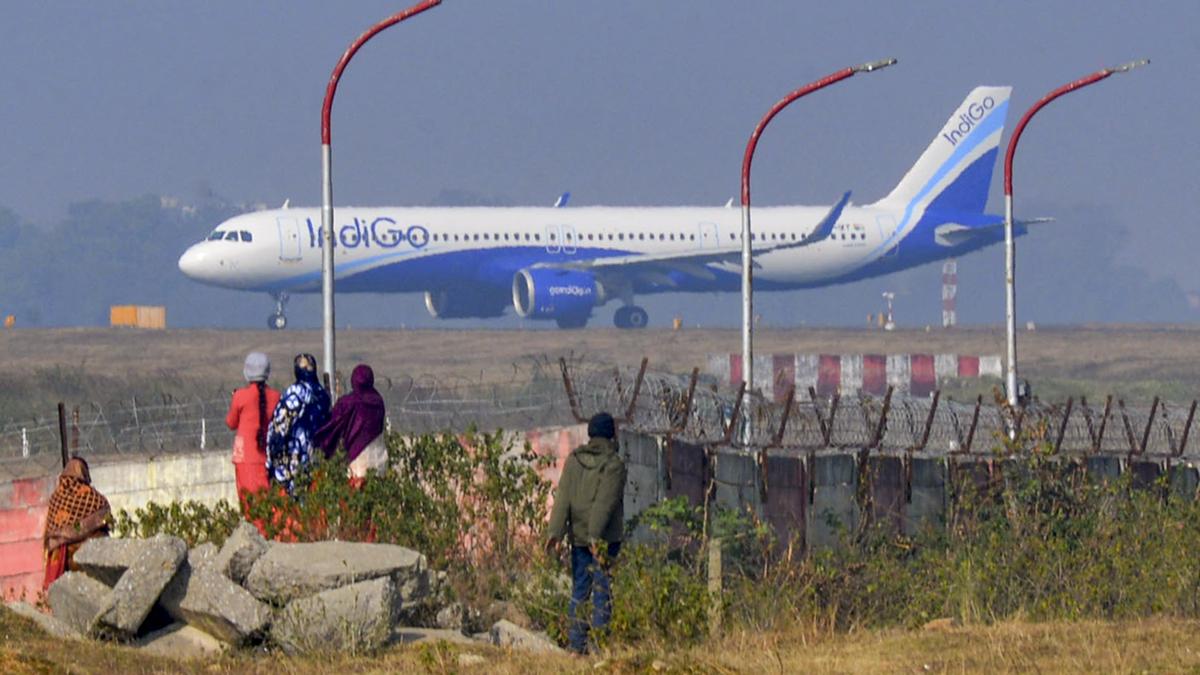
IndiGo has vacated 717 slots at domestic airports after India’s aviation regulator curtailed its winter flight schedule as part of efforts to stabilise operations following widespread disruptions. The move comes after the Directorate General of Civil Aviation reduced the airline’s authorised winter schedule by ten per cent in response to mass flight cancellations and delays that occurred earlier in the season, freeing up several takeoff and landing slots that IndiGo previously held.
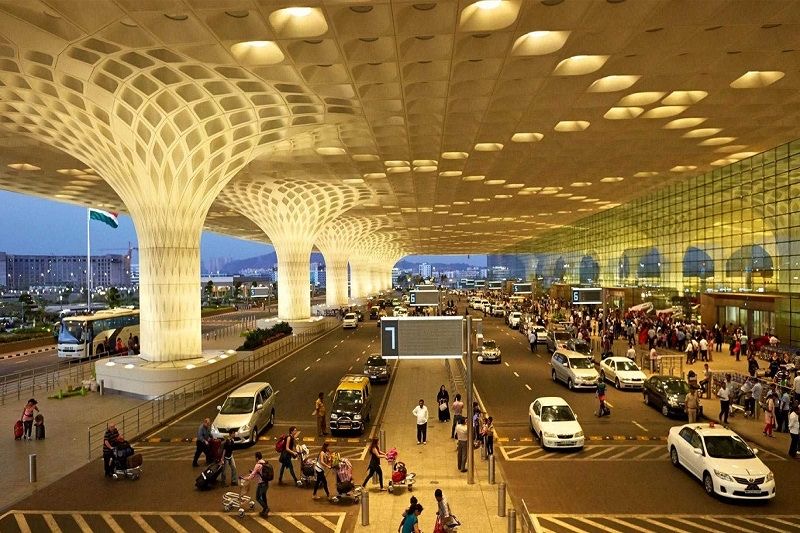
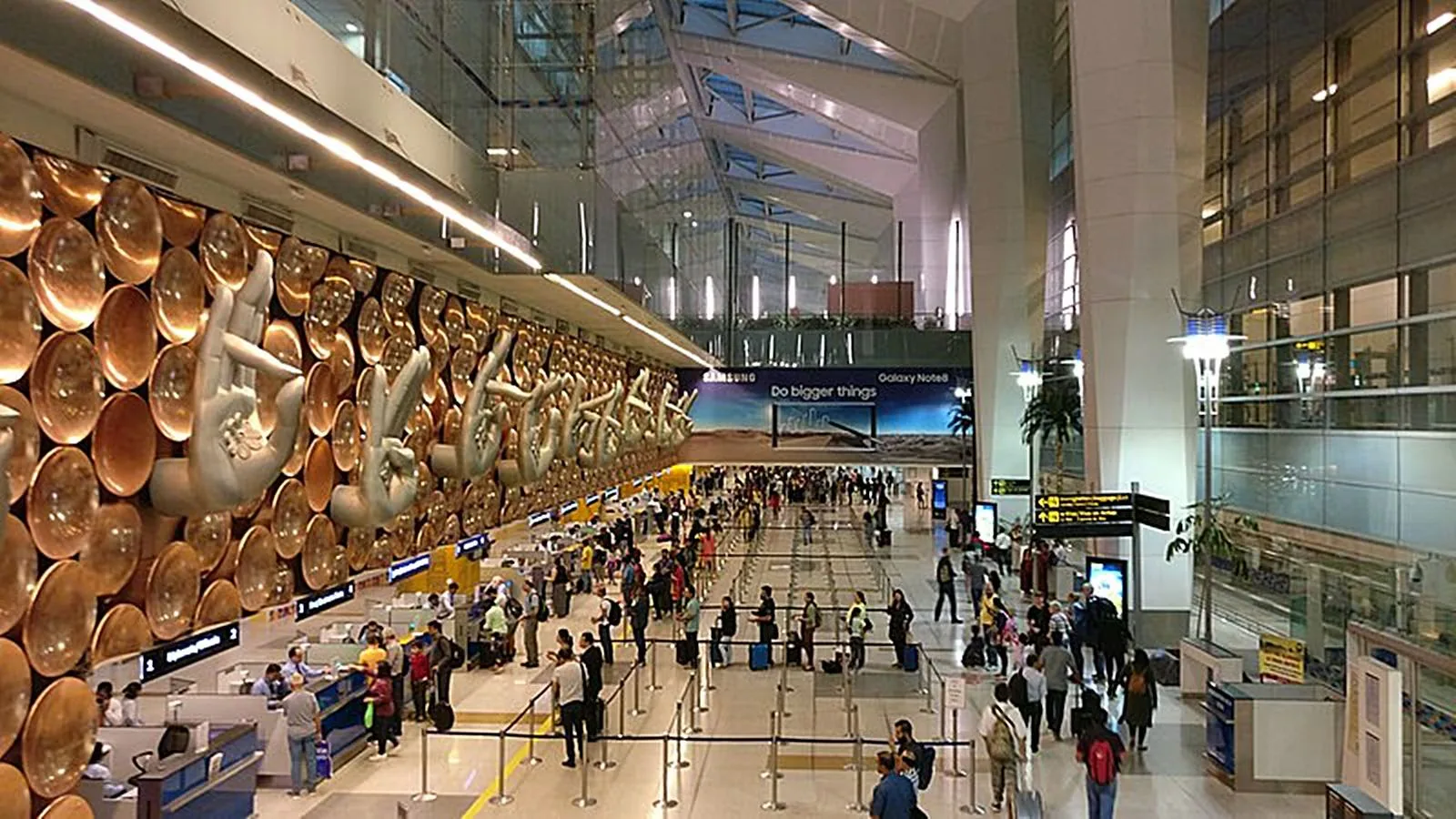
Of the 717 slots released by IndiGo, 364 are at six major metropolitan airports including Delhi, Mumbai, Chennai, Kolkata, Bengaluru and Hyderabad with the remaining slots spread across other domestic airports. Most of these vacated slots are for services planned in the January to March period, with a significant increase in freed capacity earmarked for March compared to earlier months.
Slots are time allocations allowing airlines to operate specific flights from an airport at scheduled times. When an airline reduces its schedule, these slot licences revert to the pool of available airport timings. The vacated slots were a direct result of IndiGo trimming its daily domestic departures following regulatory curtailment designed to prevent last-minute flight cancellations and ensure better operational resilience.
In response, the ministry of civil aviation has invited other carriers to submit requests to operate services in the slots vacated by IndiGo, subject to conditions such as having the necessary aircraft, crew and support resources to fulfil new schedules. Airlines must also ensure that they do not discontinue existing routes when applying for the vacated slots.
A committee on the redistribution of vacated slots held its first meeting in mid-January, where principles for how the freed airport timings might be allocated were discussed. Airport operators have been tasked with collecting preferences and requests from interested airlines before decisions are finalised later this season.
Industry insiders have noted that not all vacated slots may attract immediate interest from other carriers because many are for late-night or less commercially attractive flights, commonly known as red-eye slots. Some airlines have also indicated they have limited spare aircraft or crew capacity to take on additional flights beyond their existing schedules.
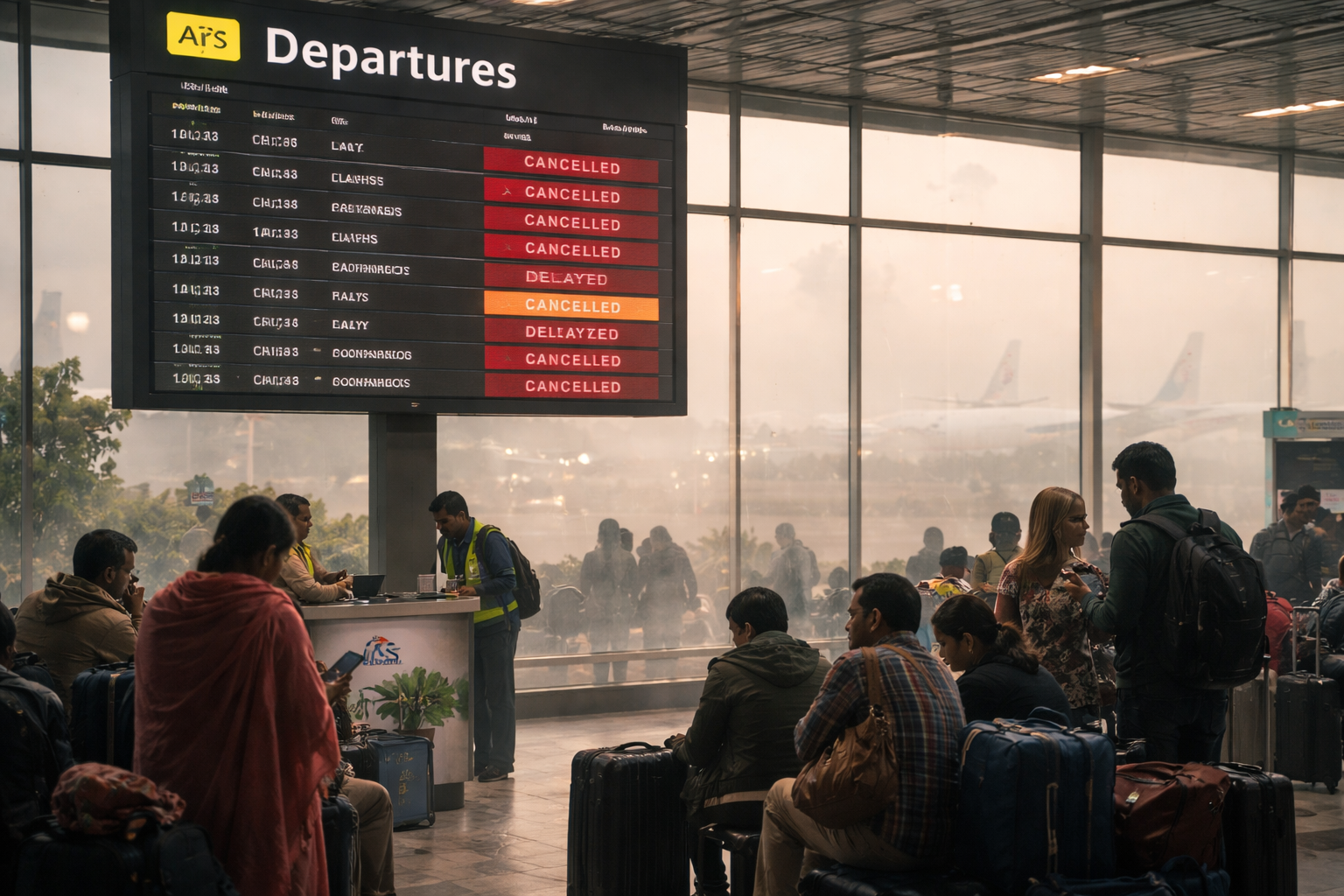
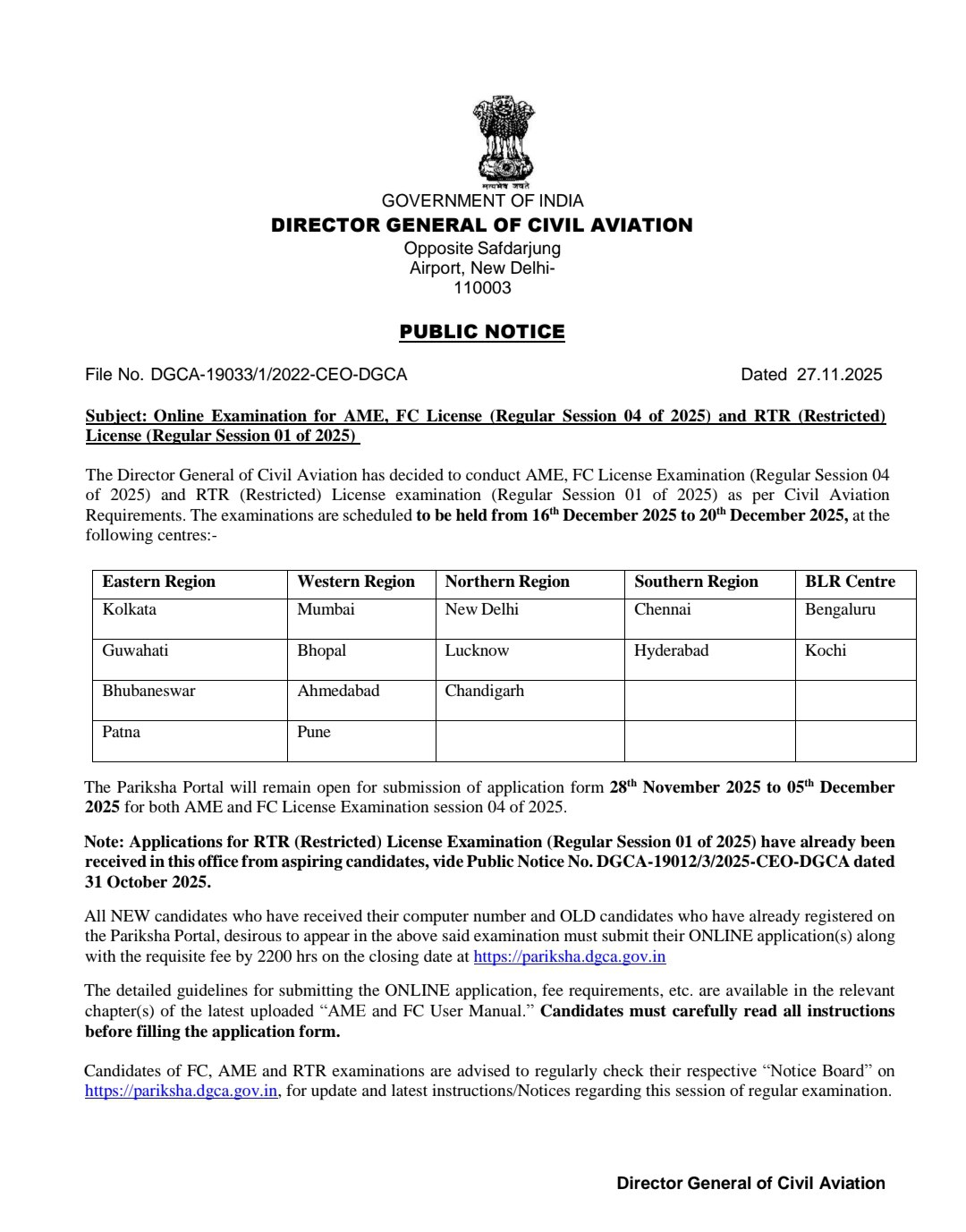
IndiGo’s trimming of domestic capacity followed earlier regulatory directives after the airline faced significant operational challenges, including widespread flight cancellations that affected hundreds of thousands of passengers nationwide. The DGCA’s order to reduce the winter schedule was intended to align IndiGo’s operations with a capacity the airline could reliably execute, while also preserving overall connectivity across the domestic network.
The reallocation of vacated slots reflects broader efforts by authorities to ensure that airport infrastructure continues to be utilised efficiently, even as individual airlines adjust their schedules. How these freed slots are ultimately deployed will shape service patterns at key airports later in the winter season and could influence competitive dynamics among carriers serving popular domestic markets.