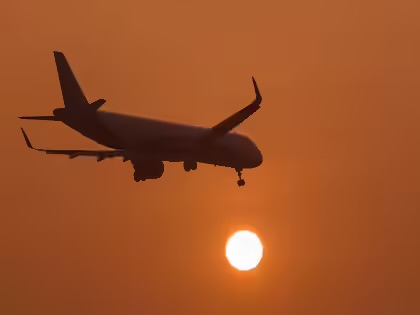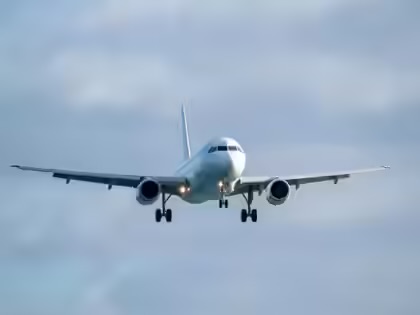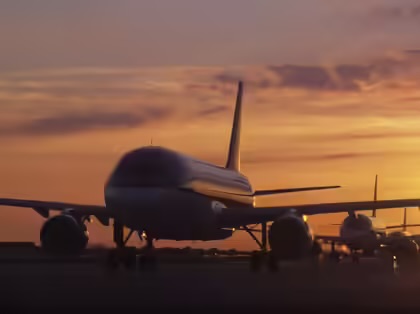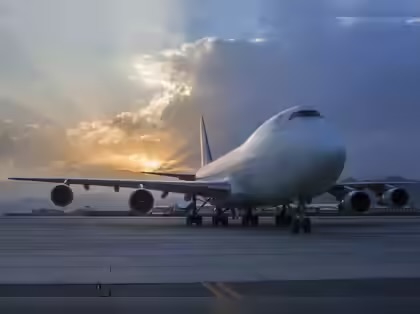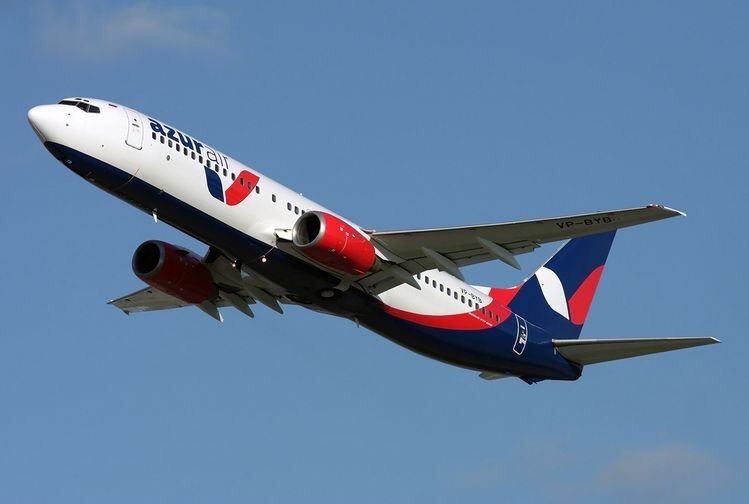
An Azur Air Boeing 757 flight was forced to make an emergency landing at Lanzhou Airport in northwest China after crew members received a mid-air alert that prompted precautionary action. The aircraft, operating a scheduled international service, diverted safely and touched down without incident as airline and airport teams prepared to respond to the unfolding situation.
The flight was well into its cruise phase when cockpit systems indicated an anomaly that warranted immediate attention from the pilots. Following established safety protocols, the flight crew elected to divert to the nearest suitable airport rather than continue to the original destination. Lanzhou Airport, equipped with full emergency support capabilities and long runways suitable for wide-body jets, was chosen to handle the unscheduled arrival.
Passengers onboard were informed calmly by the flight crew about the need to divert. Cabin crew moved through the cabin to ensure everyone was seated with seat belts fastened and all loose items secured, reassuring travellers while maintaining order. Although emergency declarations can be unsettling, the professionalism and experience of the flight team helped keep the aircraft’s occupants composed as the situation unfolded.
Air traffic control in Lanzhou readied the runway and positioned fire and rescue units along the expected arrival path, a standard precaution for emergency landings. Ground teams coordinated with airline representatives to ensure that the aircraft would be met promptly and passengers assisted as soon as the aircraft came to a full stop.
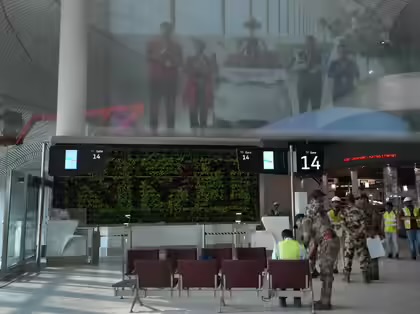
The Boeing 757 executed a smooth landing, and emergency response crews remained on standby as the aircraft taxied to a designated remote stand. Passengers disembarked in an orderly fashion and were guided into the terminal by ground staff. No injuries were reported among passengers or crew, and all were accounted for during the onboard evacuation process.
Azur Air officials later confirmed that the aircraft had declared an emergency after an alert triggered in flight. The airline stressed that the decision to divert was made in full compliance with safety procedures and in consultation with operations control. The carrier also indicated that engineers would undertake a detailed inspection of the aircraft before it is cleared to return to service, pending a full technical review.
Aviation safety experts note that modern airliners carry multiple redundant systems designed to detect irregularities in critical components. Mid-air alerts can stem from a range of factors including sensor anomalies, engine performance indications or other system feedback. In all such cases, pilots are trained to act conservatively, opting for the safest course of action often a diversion to the nearest capable airport to prioritise passenger welfare.
Passengers affected by the unscheduled landing were offered assistance with onward travel arrangements and hotel accommodations where necessary, and airline customer care teams remained on site to support those with connecting flights. Many travellers onsite praised the crew’s calm communication and swift handling of the incident, noting that clear updates helped alleviate uncertainty during the diversion.
Lanzhou Airport operations were briefly affected while emergency services conducted their standby procedures, but normal flight activity resumed as soon as the aircraft was parked and cleared for ground services. Investigators will later review data from the flight’s systems, maintenance records and weather conditions encountered to build a full picture of what triggered the initial alert.
As the airline and regulators continue to analyse the event, the safe outcome highlights both the robustness of aviation safety systems and the importance of trained crew judgement when unexpected alerts arise mid-flight. Passengers planning future travel involving long haul flights are reminded that diversions and emergency landings, though uncommon, are part of a layered safety culture designed to anticipate and mitigate risks in commercial operations.