Air India’s ambitious Flying Training Organisation (FTO) at Amravati has achieved a key milestone with the induction of its first Diamond DA42 NG twin-engine aircraft, signaling steady progress toward becoming one of India’s most advanced airline-owned pilot training facilities.
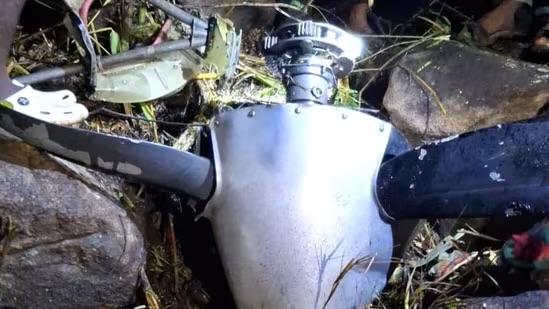
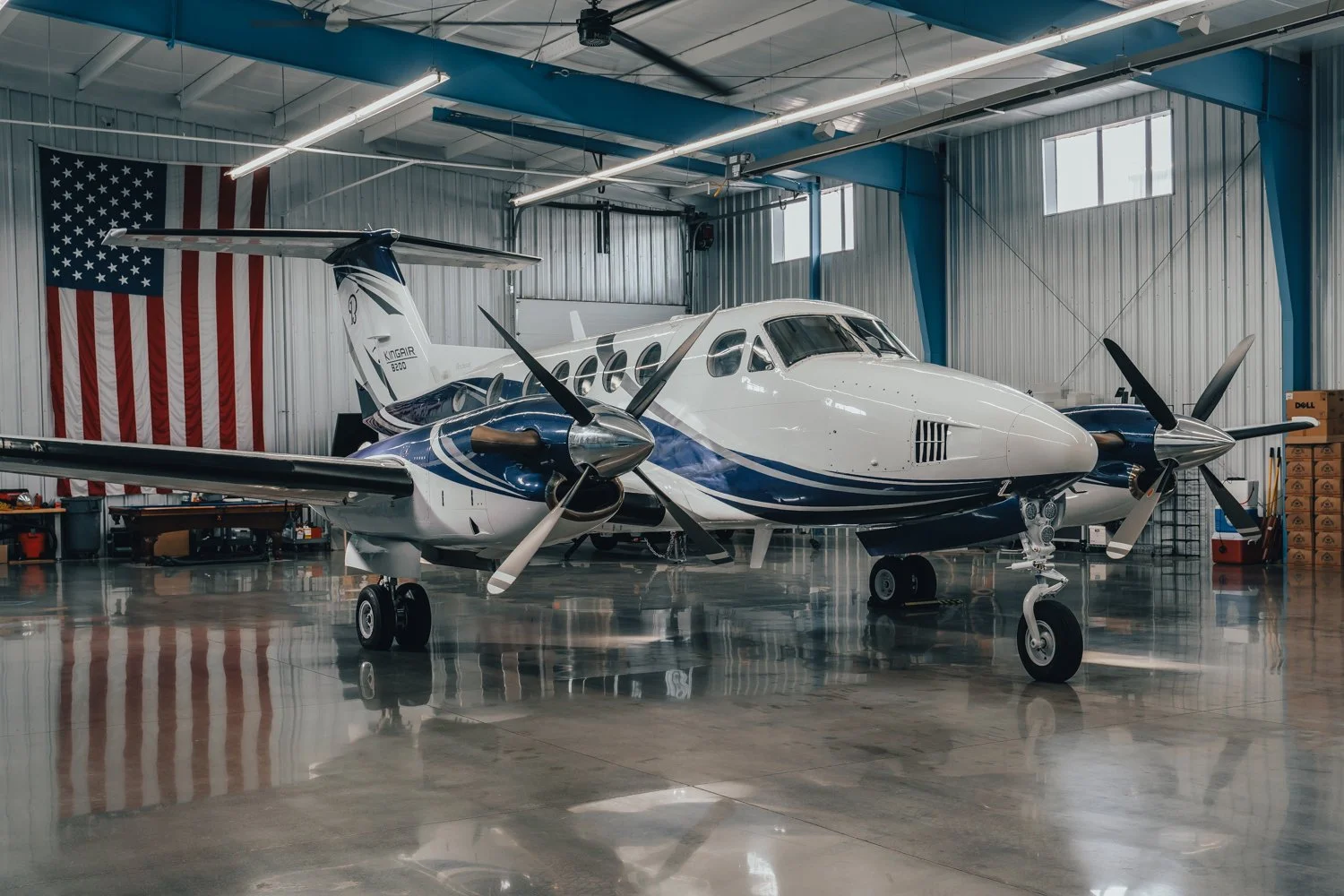
The arrival of the DA42 NG at Belora Airport, Amravati, is a significant development for the upcoming FTO, which is being developed to support Air India’s long-term pilot training requirements amid rapid fleet expansion. This aircraft will play a critical role in multi-engine and advanced flight training, forming the backbone of the academy’s professional pilot syllabus.
The Diamond DA42 NG is globally regarded as one of the most reliable and efficient twin-engine training aircraft. Powered by modern Austro engines and equipped with a full glass cockpit, the aircraft is widely used by leading flight academies across Europe, the US, and Asia. Its induction reflects Air India’s intent to align its training standards with global airline training benchmarks rather than conventional legacy models.
Industry observers view this development as a strong signal that the Amravati FTO is moving beyond the planning stage and into active fleet induction and infrastructure readiness. Once operational, the academy is expected to train hundreds of cadet pilots every year, reducing dependence on overseas flight training and strengthening India’s domestic aviation ecosystem.
The Amravati FTO is a cornerstone project under Air India’s transformation roadmap following privatization. Spread across a large campus, the facility will feature modern classrooms, simulators, maintenance hangars, and residential infrastructure, creating an end-to-end pilot training environment under direct airline oversight.
With India projected to require thousands of new pilots over the next decade, airline-owned training institutions like the Air India FTO are increasingly seen as a strategic necessity rather than an option. The induction of the first DA42 NG is expected to be followed by additional aircraft deliveries in the coming months, gradually building a diversified training fleet.
Aviation professionals and student pilots have welcomed the update, seeing it as a positive step toward structured, airline-aligned training within India—a move that could significantly improve training consistency, cost efficiency, and career pathways for aspiring pilots.
As Air India continues to expand its aircraft orders and international footprint, developments at the Amravati FTO underline the airline’s focus on long-term capacity building, not just fleet growth.