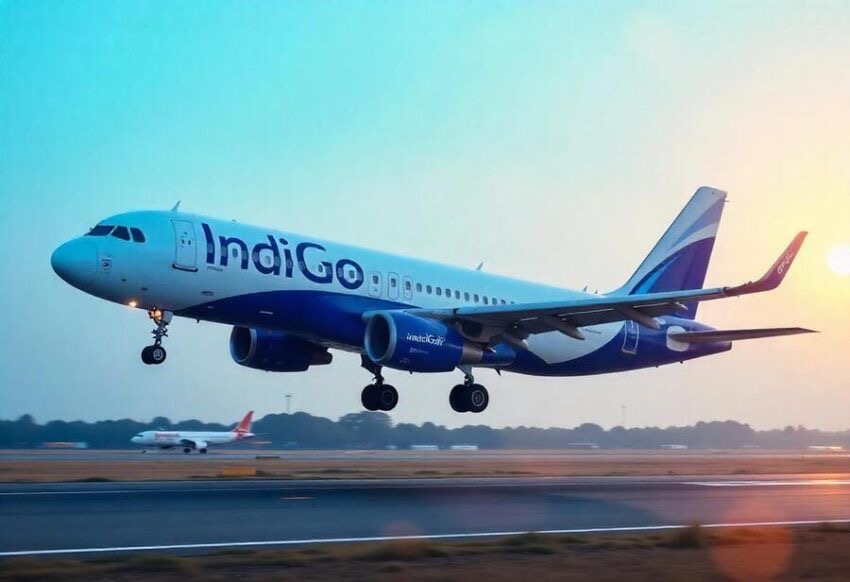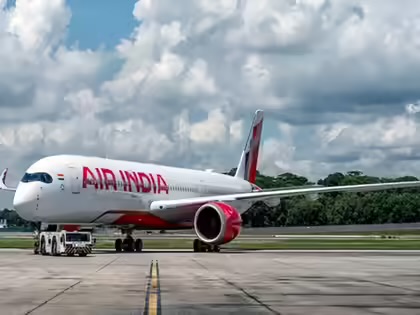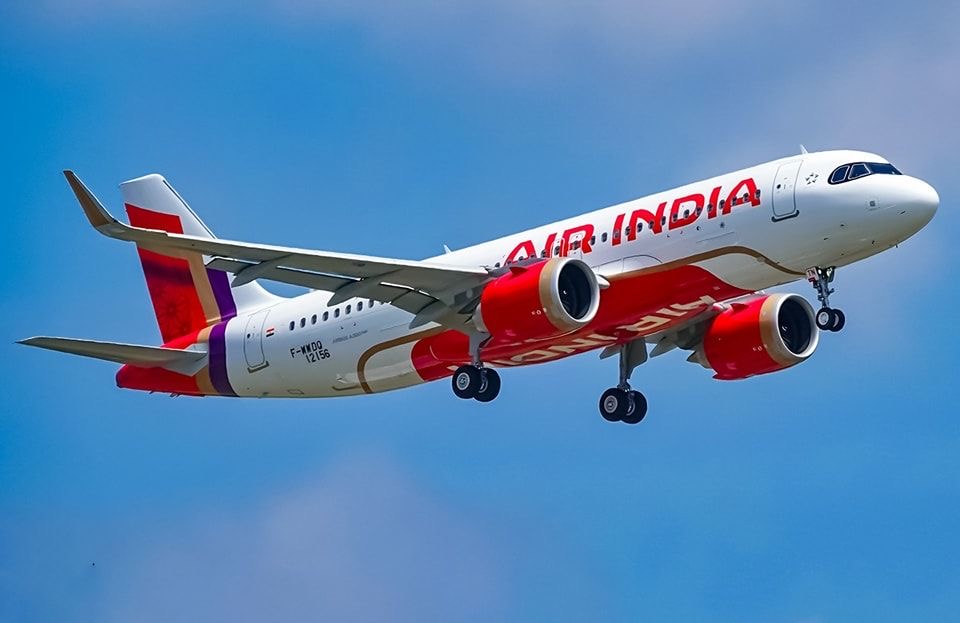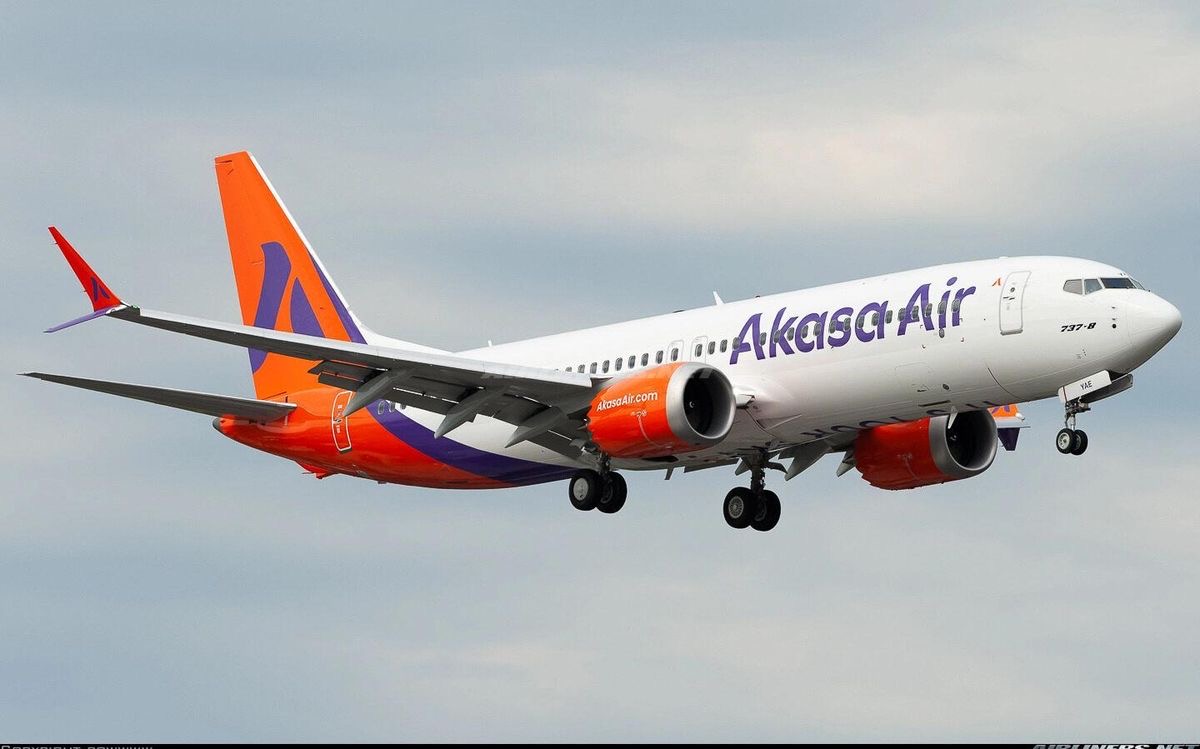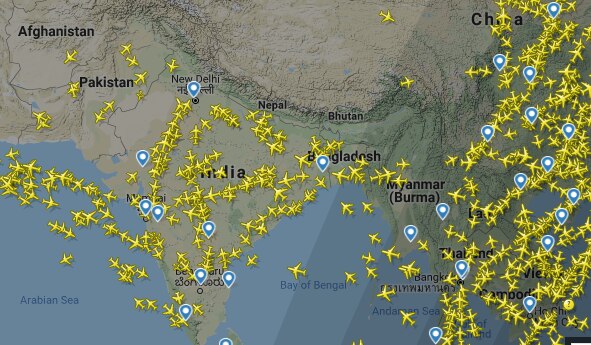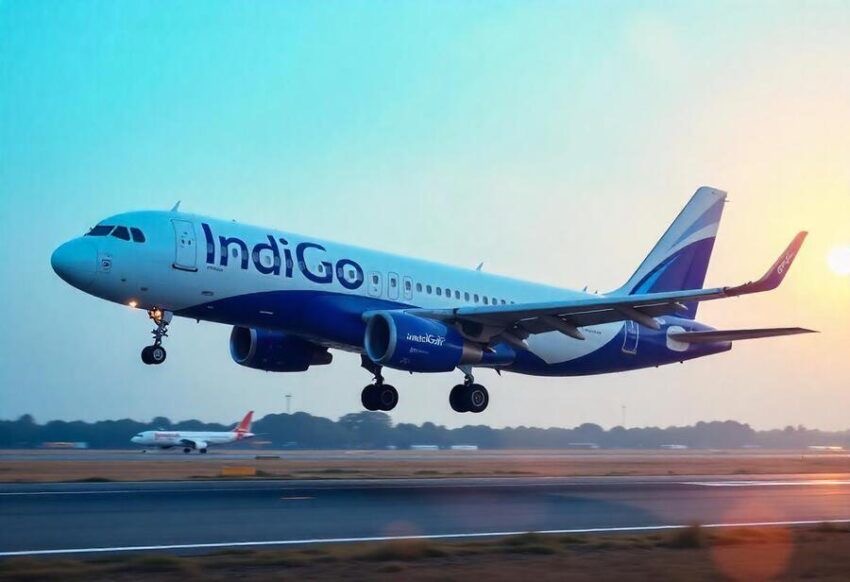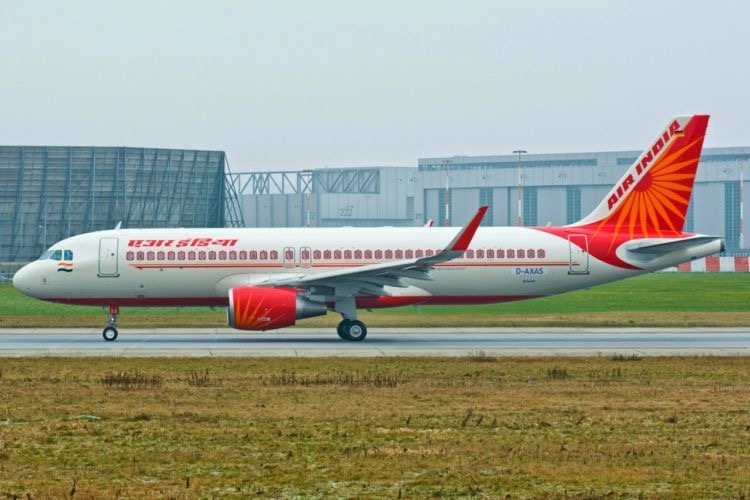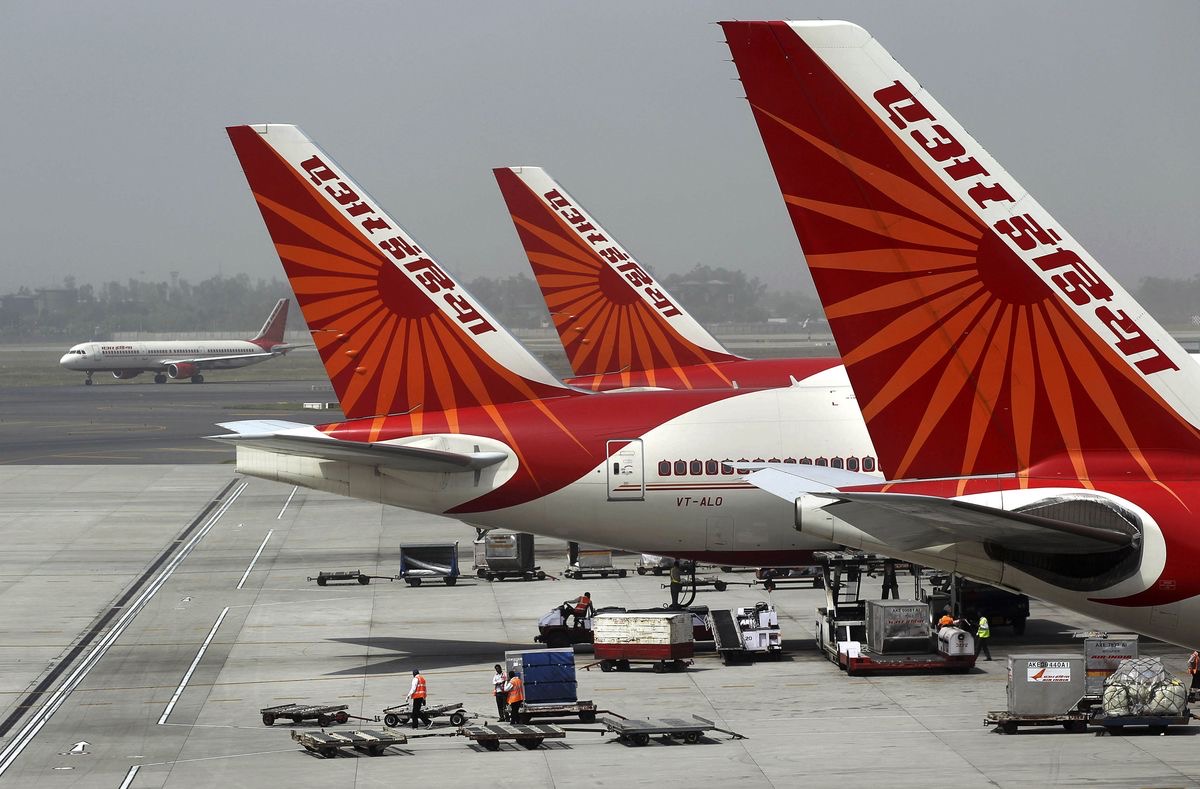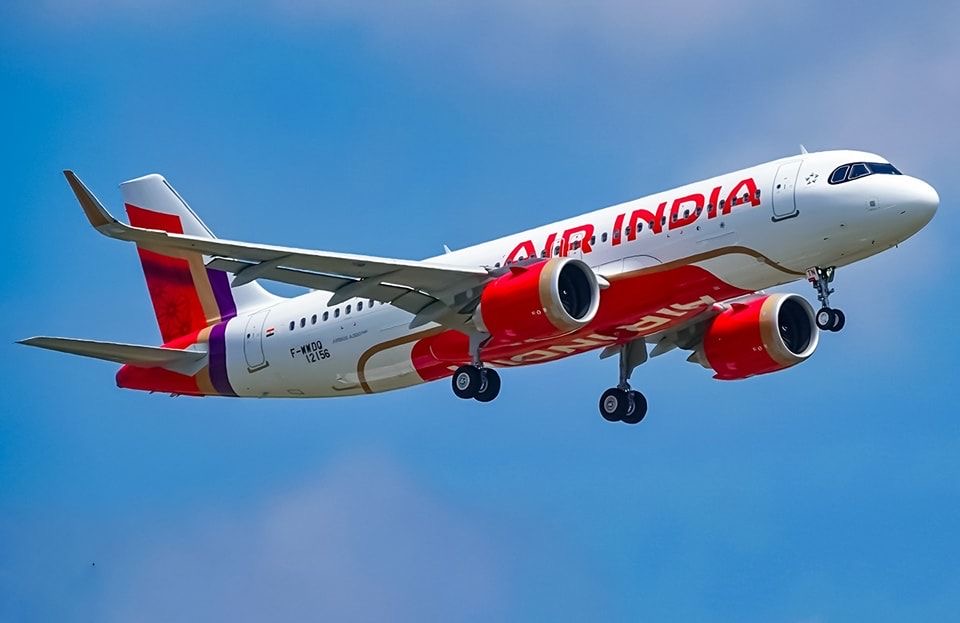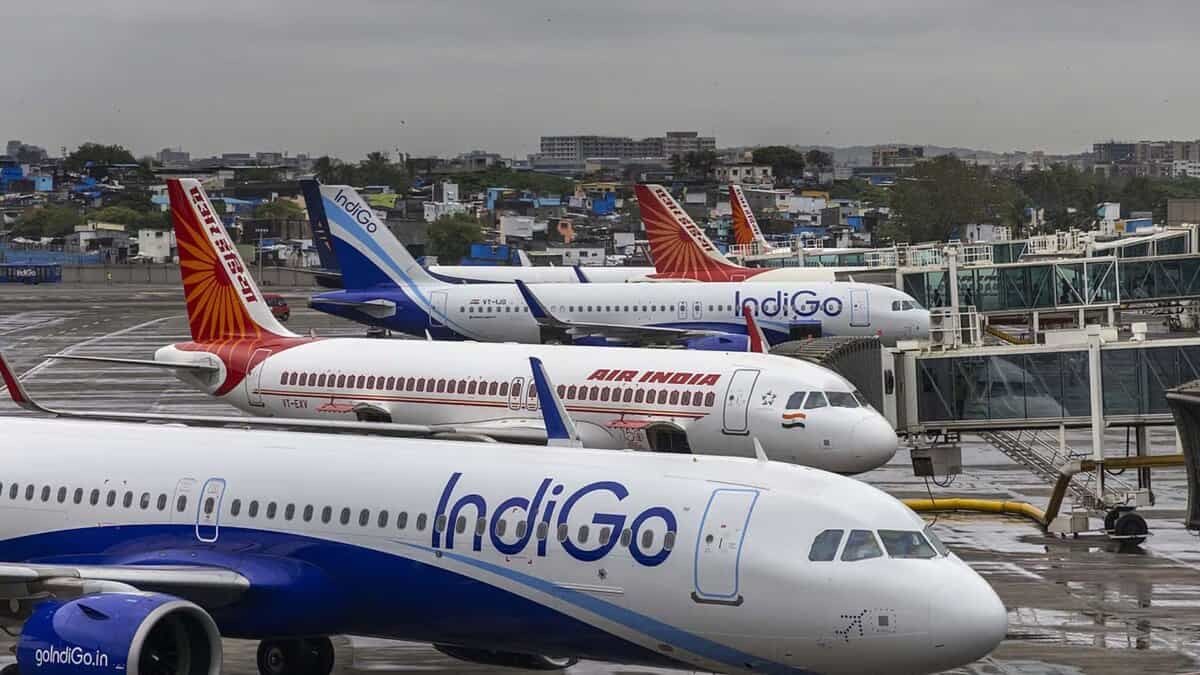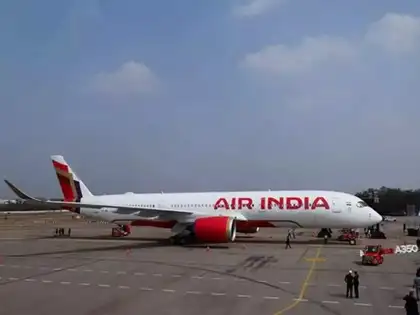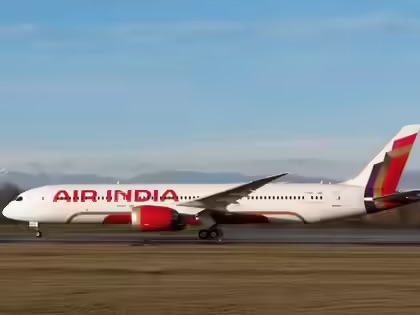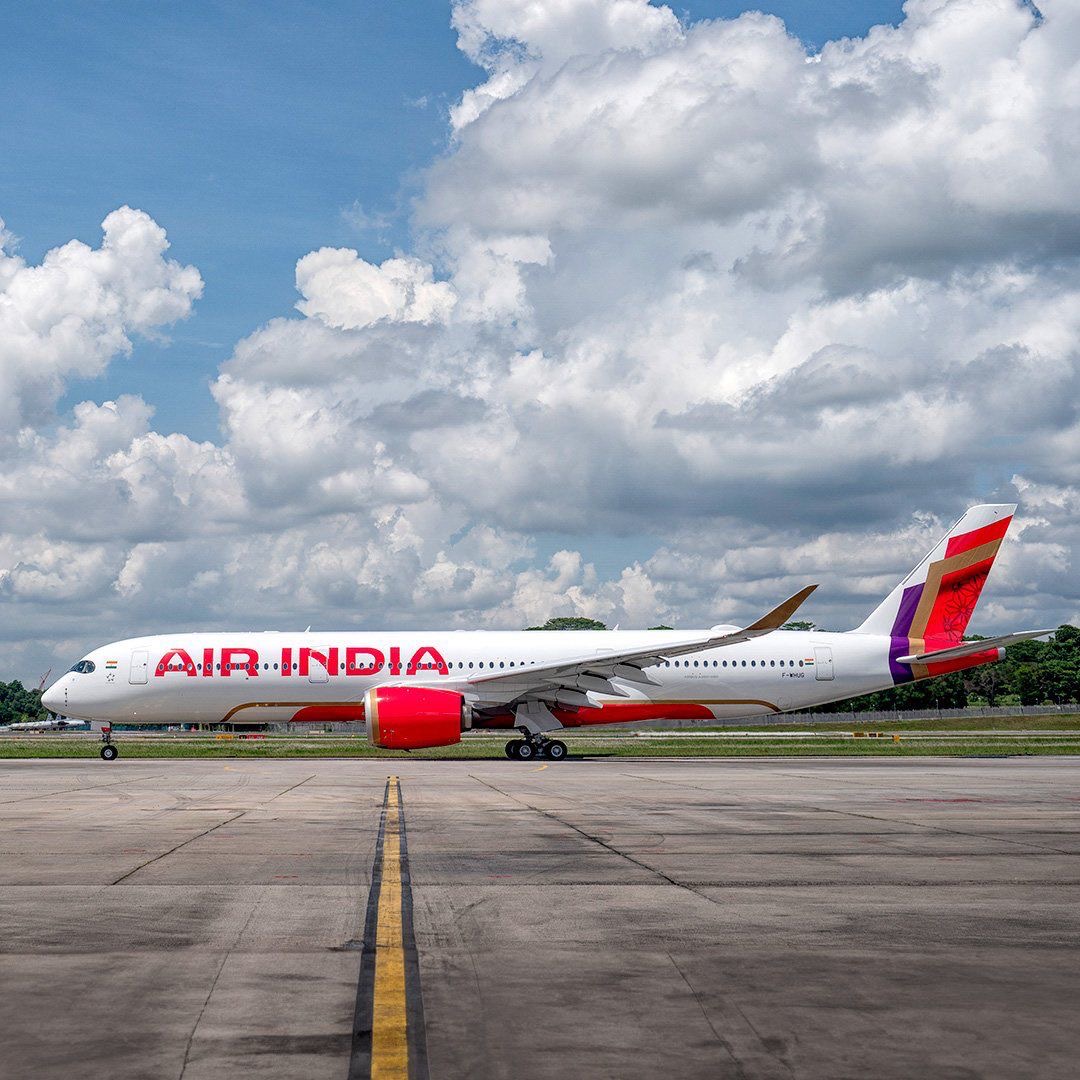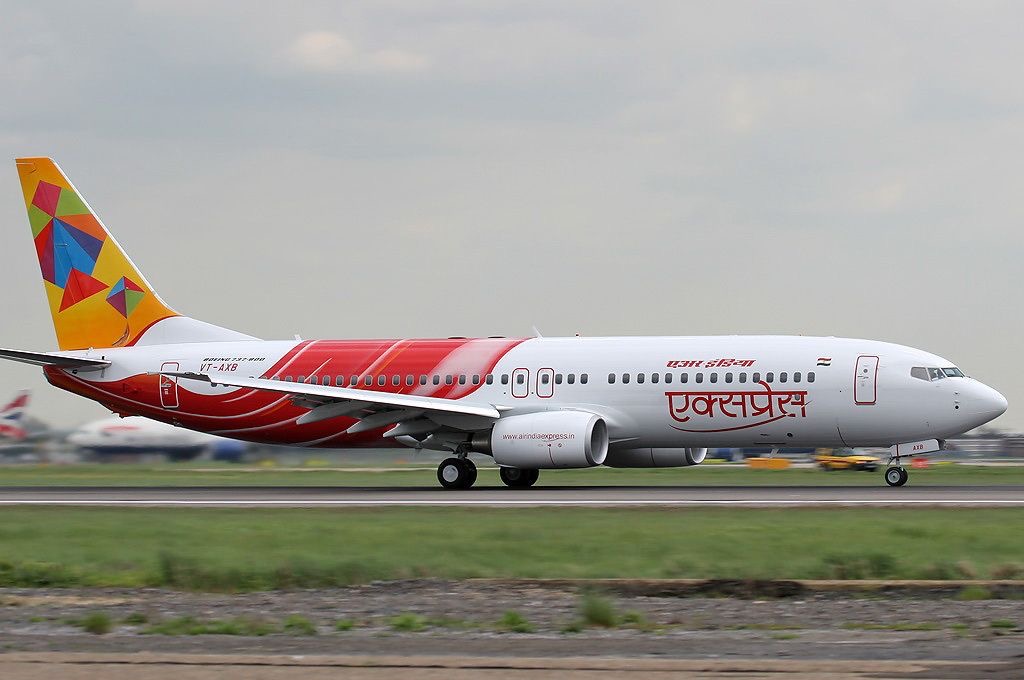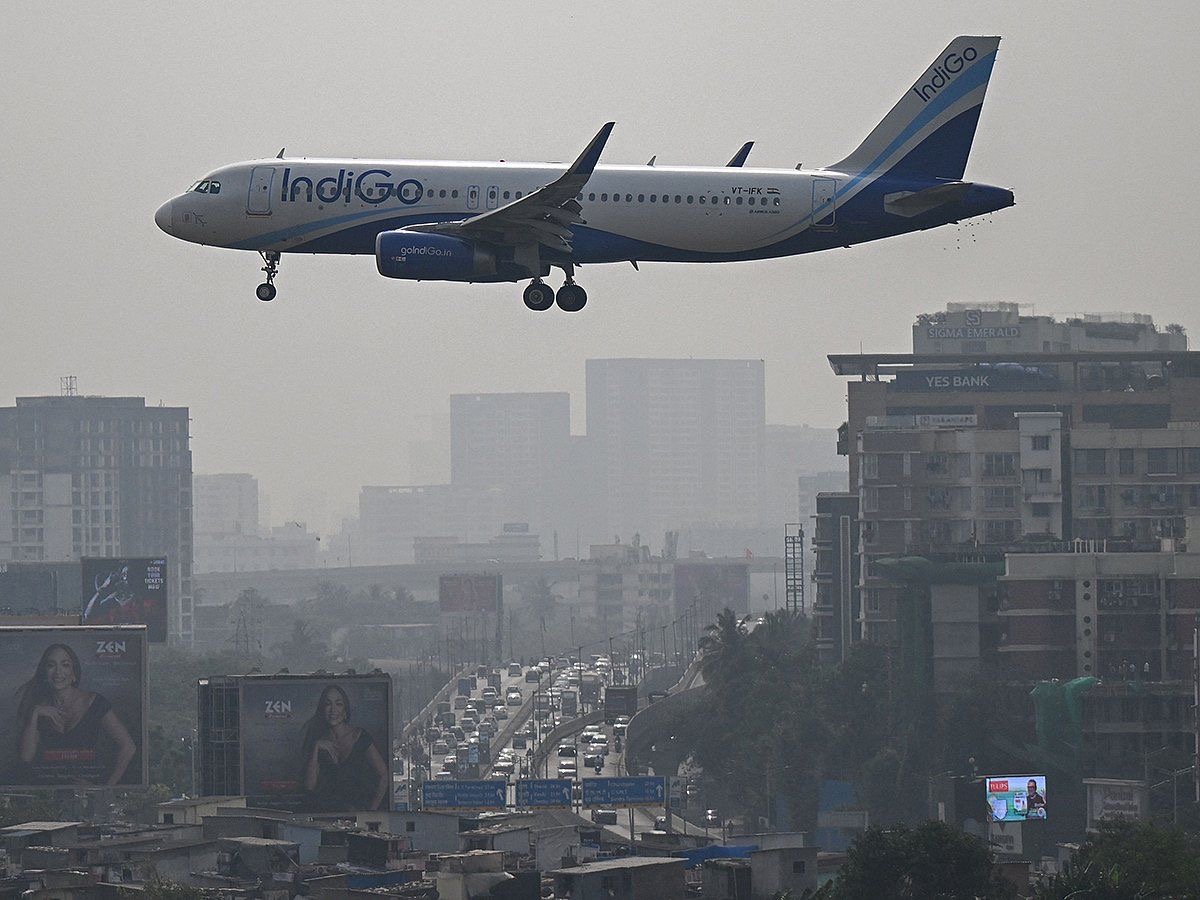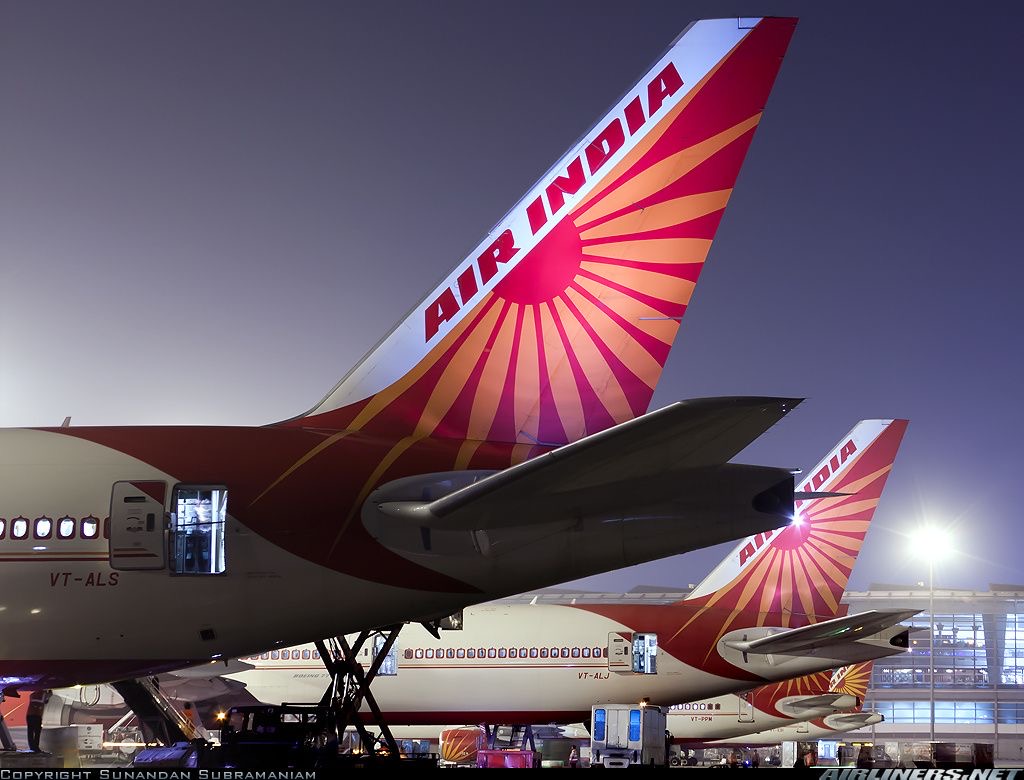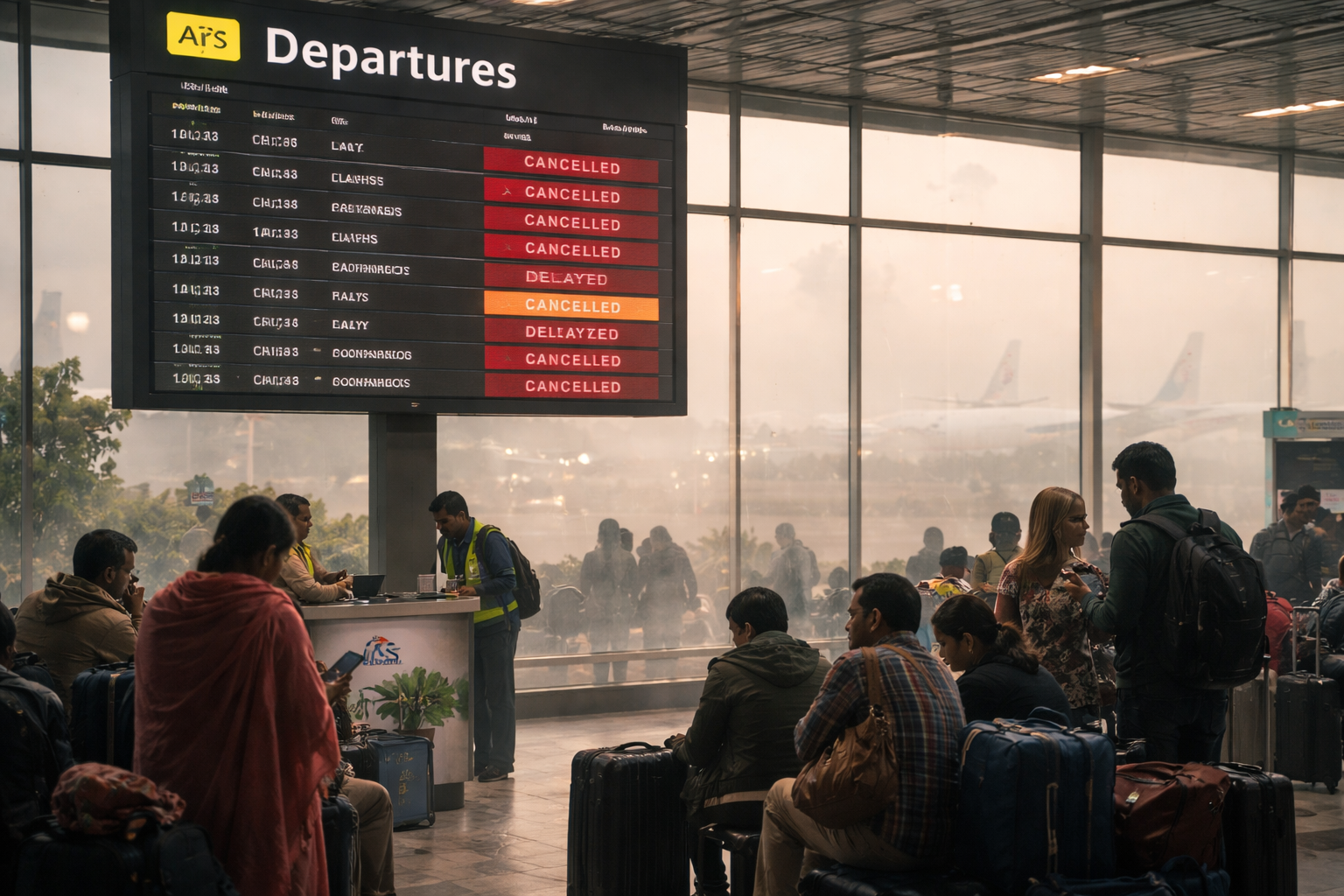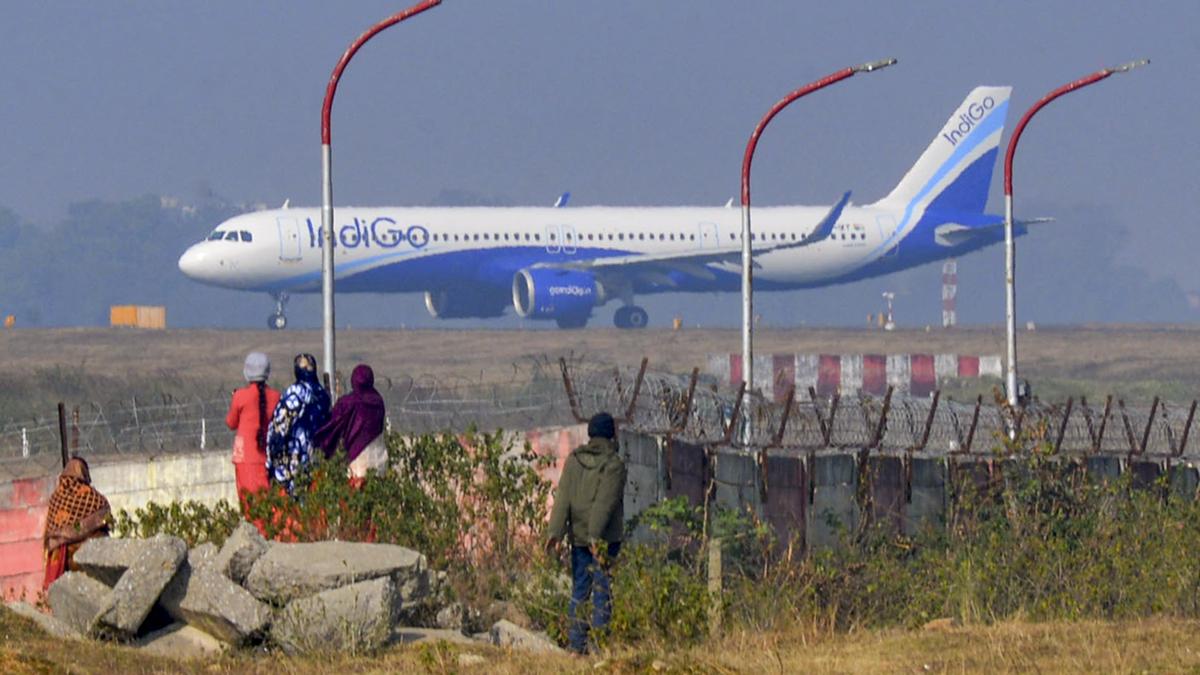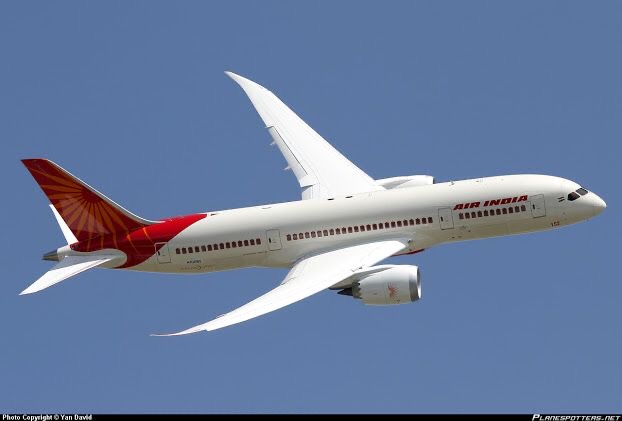
Air India and IndiGo have cancelled and rescheduled several overseas flights after Iran temporarily shut its airspace, disrupting key international aviation routes. The closure has affected long-haul and regional services that rely on this corridor to connect India with Europe, North America, Central Asia and parts of the Middle East.
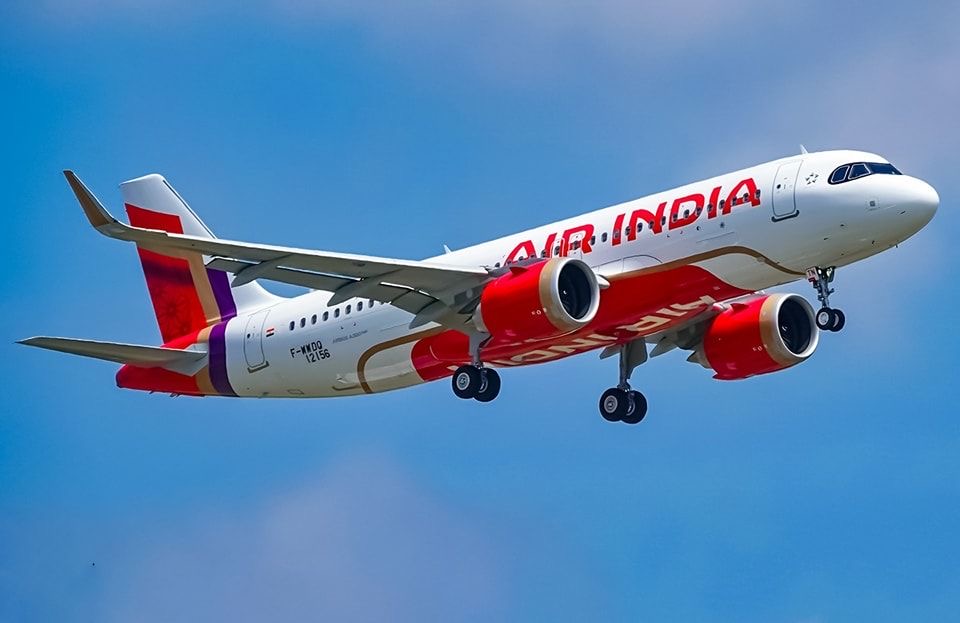
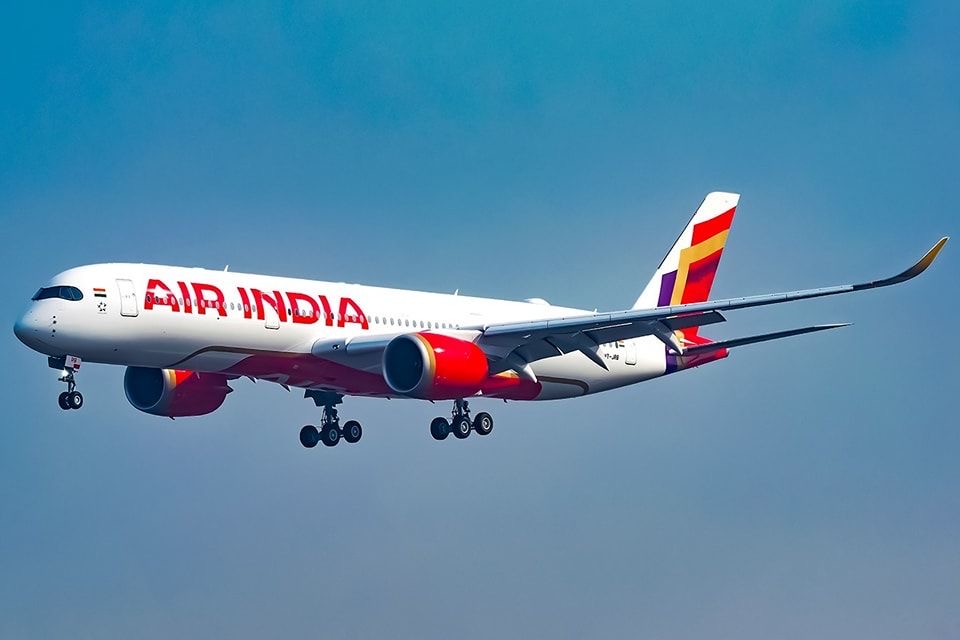
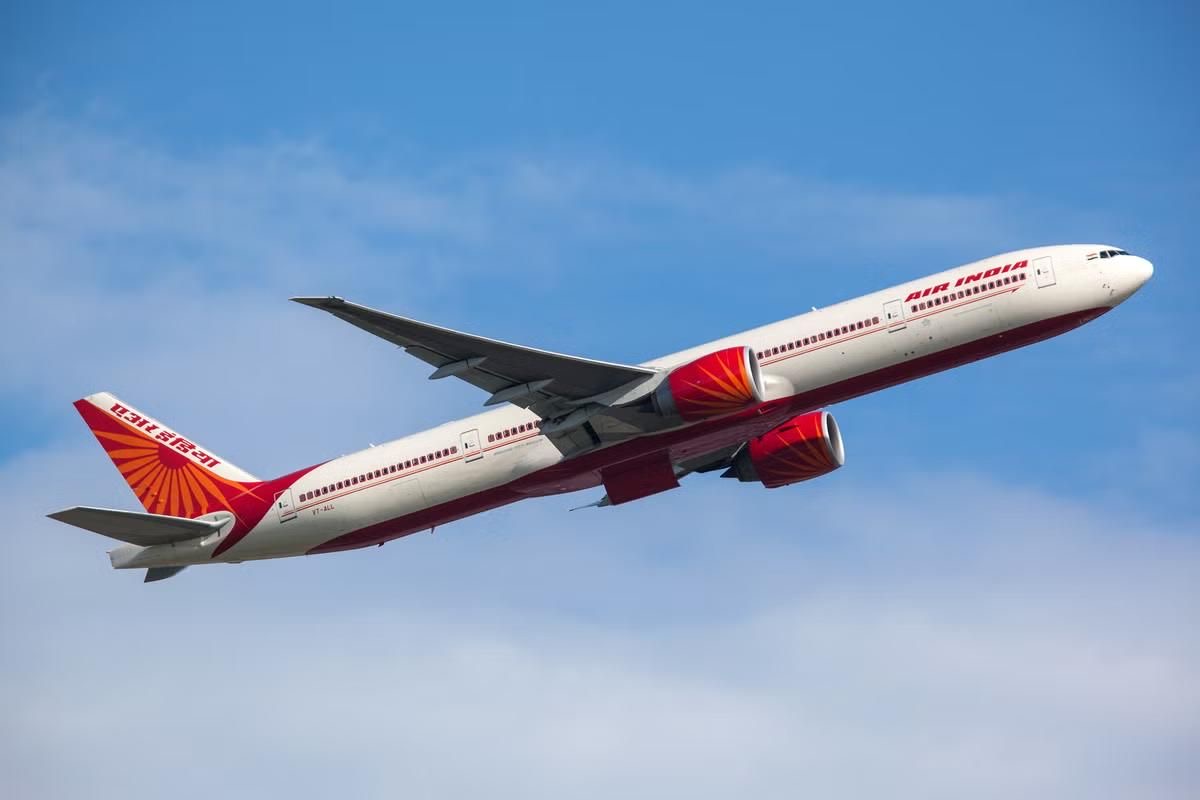
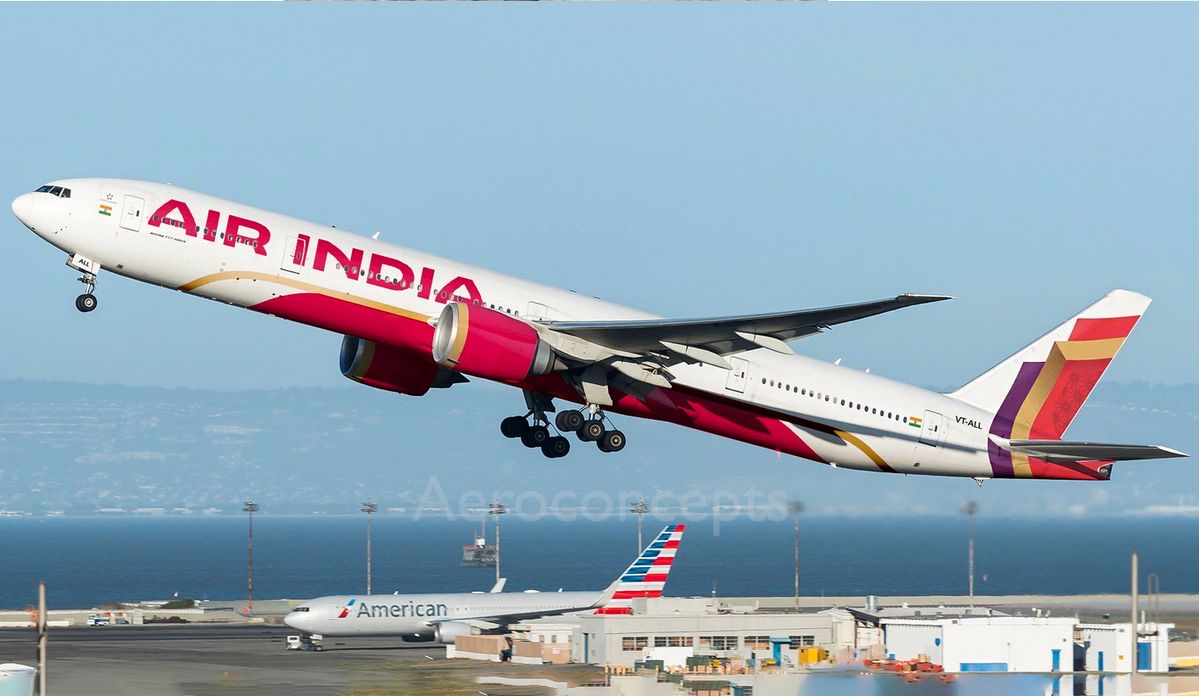
Air India faced immediate challenges on its long-distance routes, particularly those bound for Europe and the United States. While some flights were able to operate via longer alternate routes, others were withdrawn due to increased fuel requirements, extended flight durations, and crew duty limitations. The airline stated that safety and operational feasibility guided all decisions.
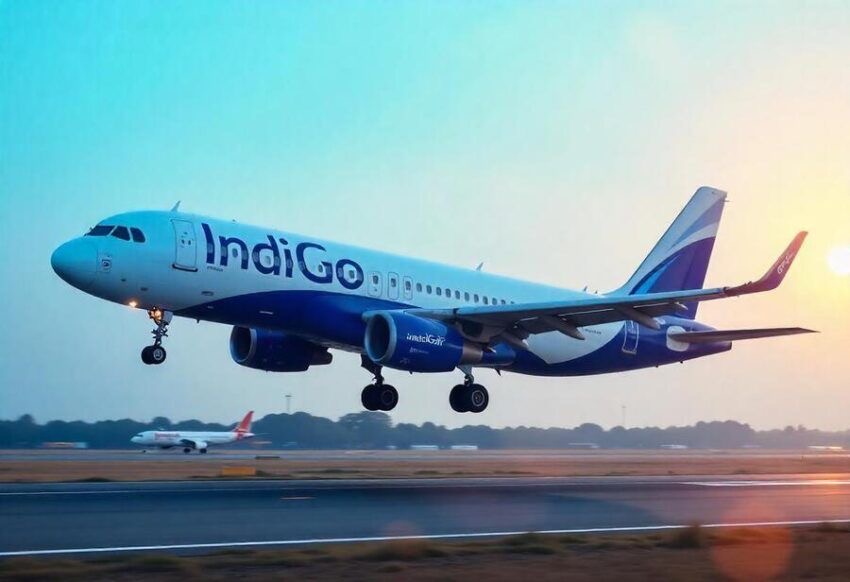
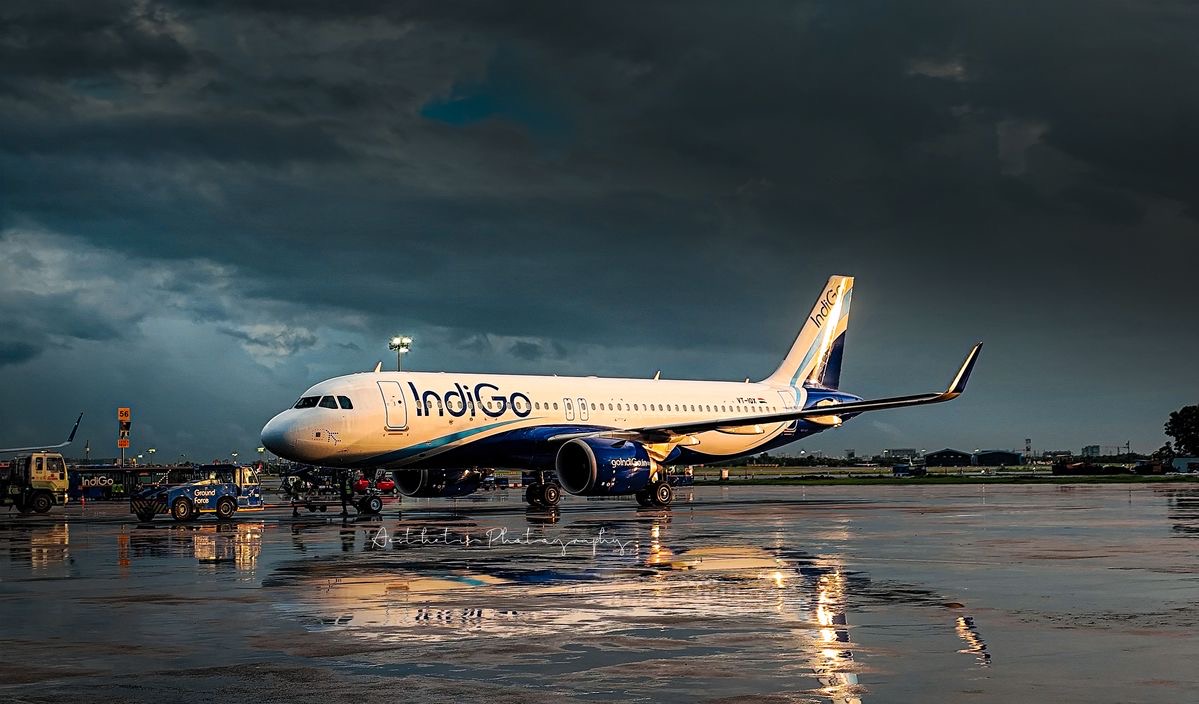
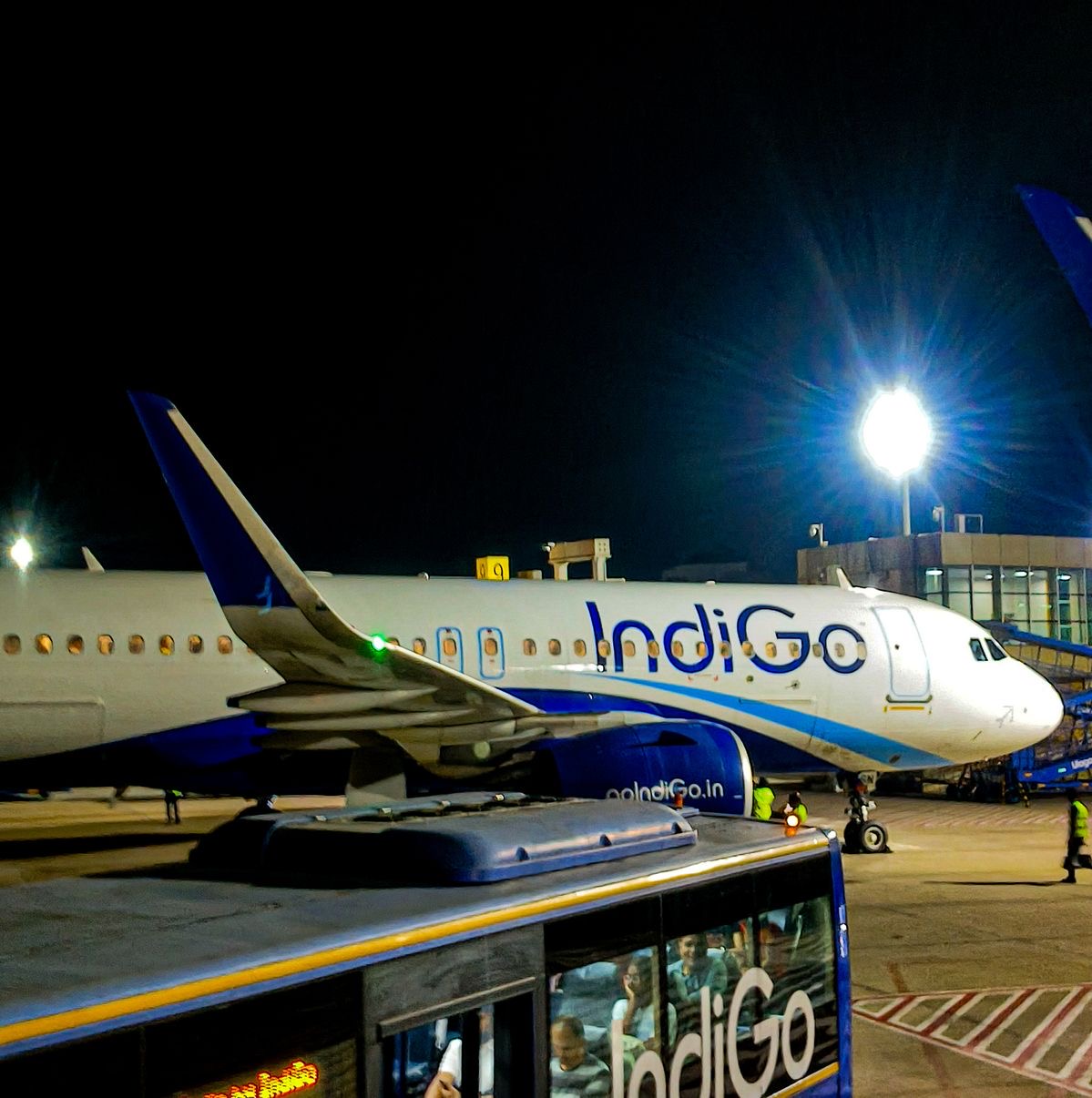
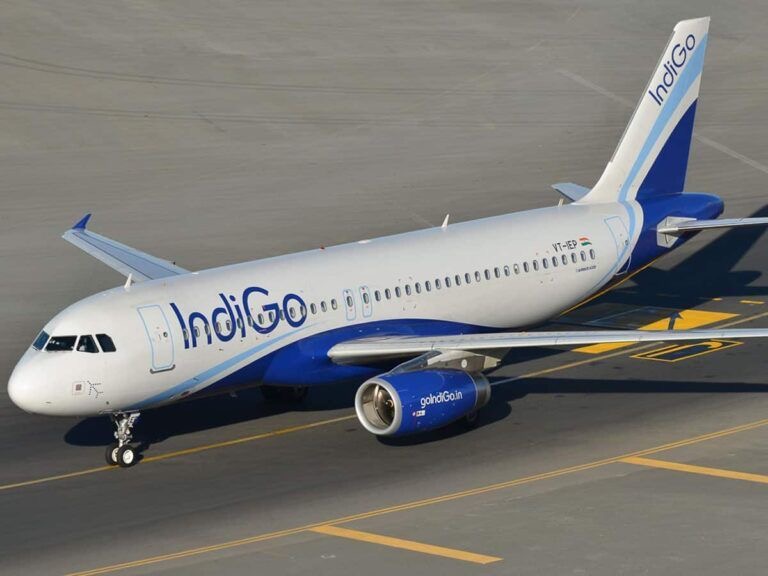
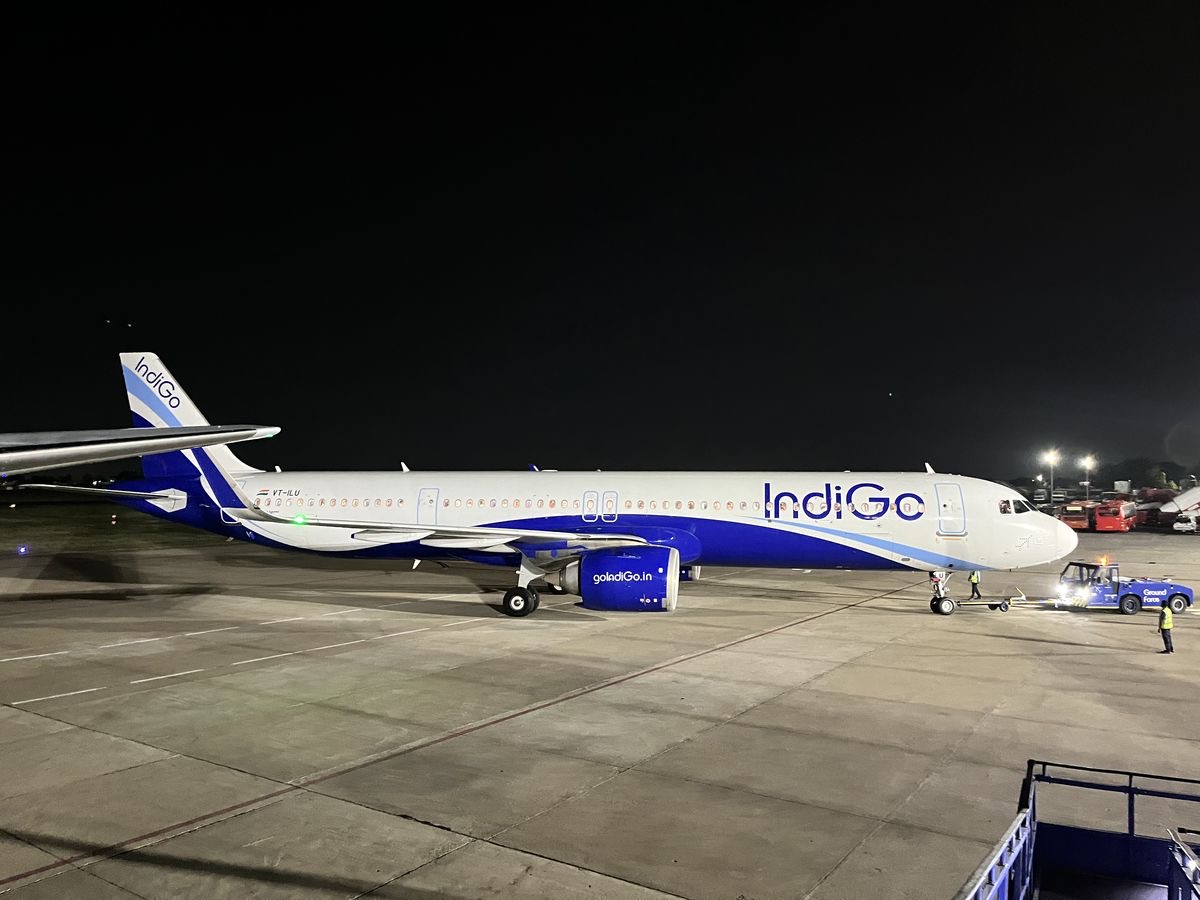
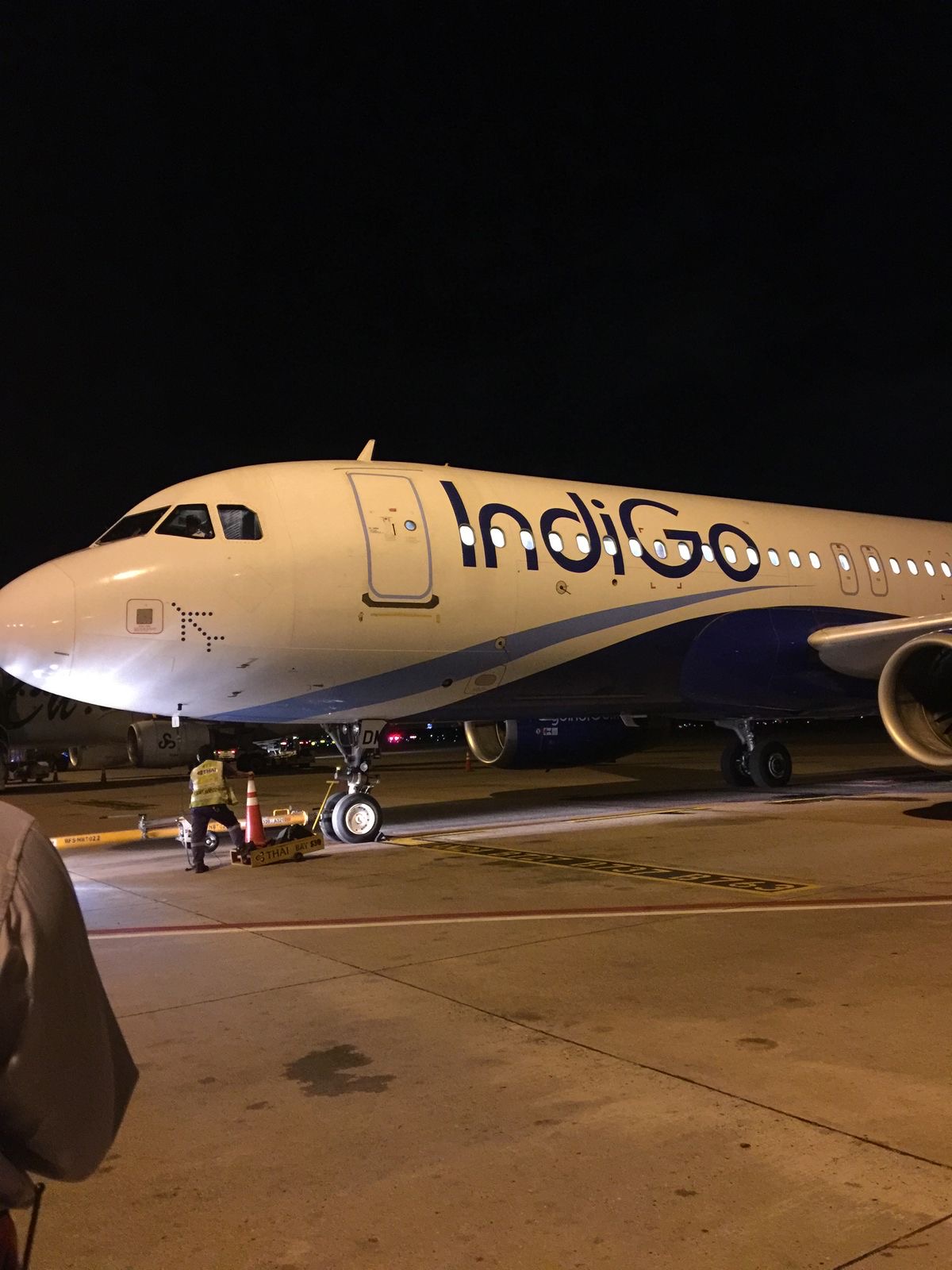
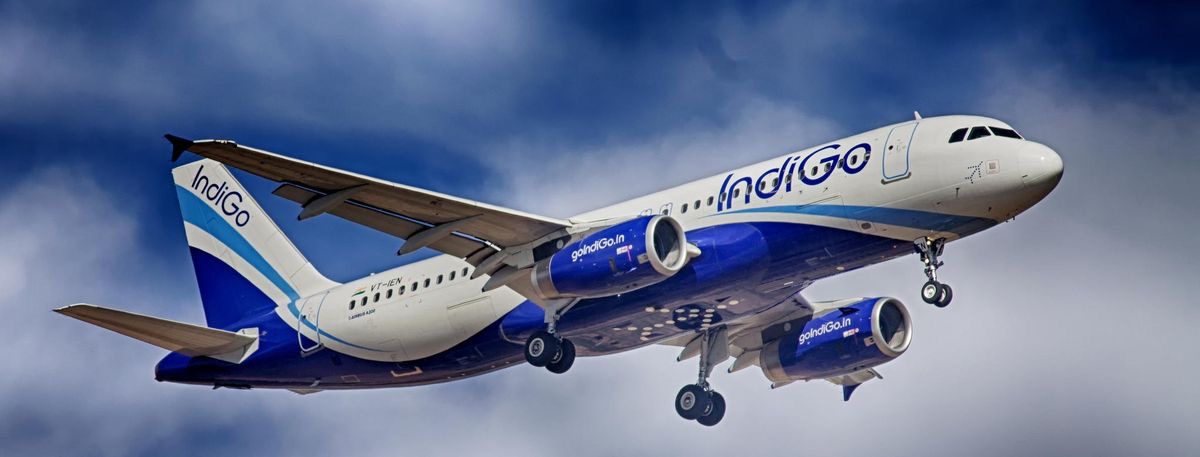
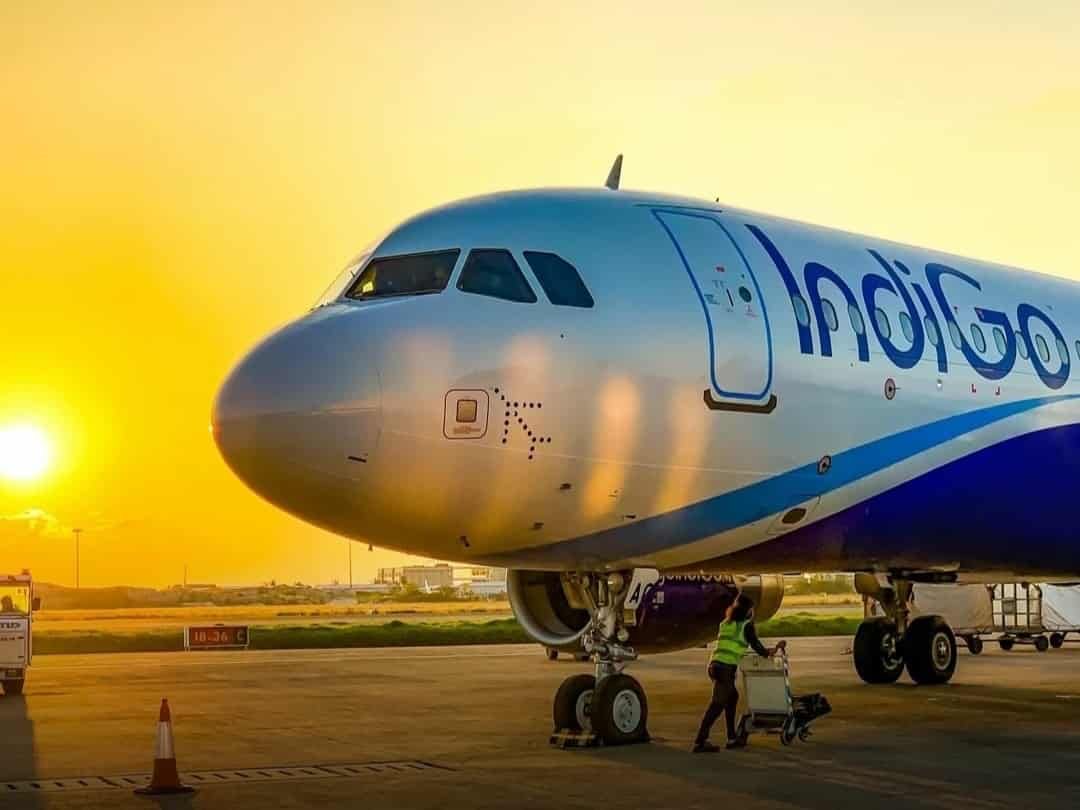
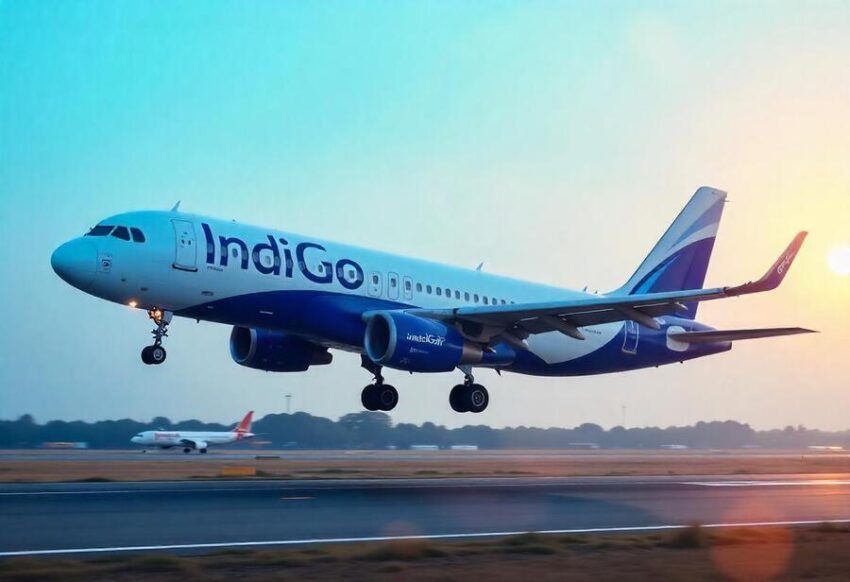
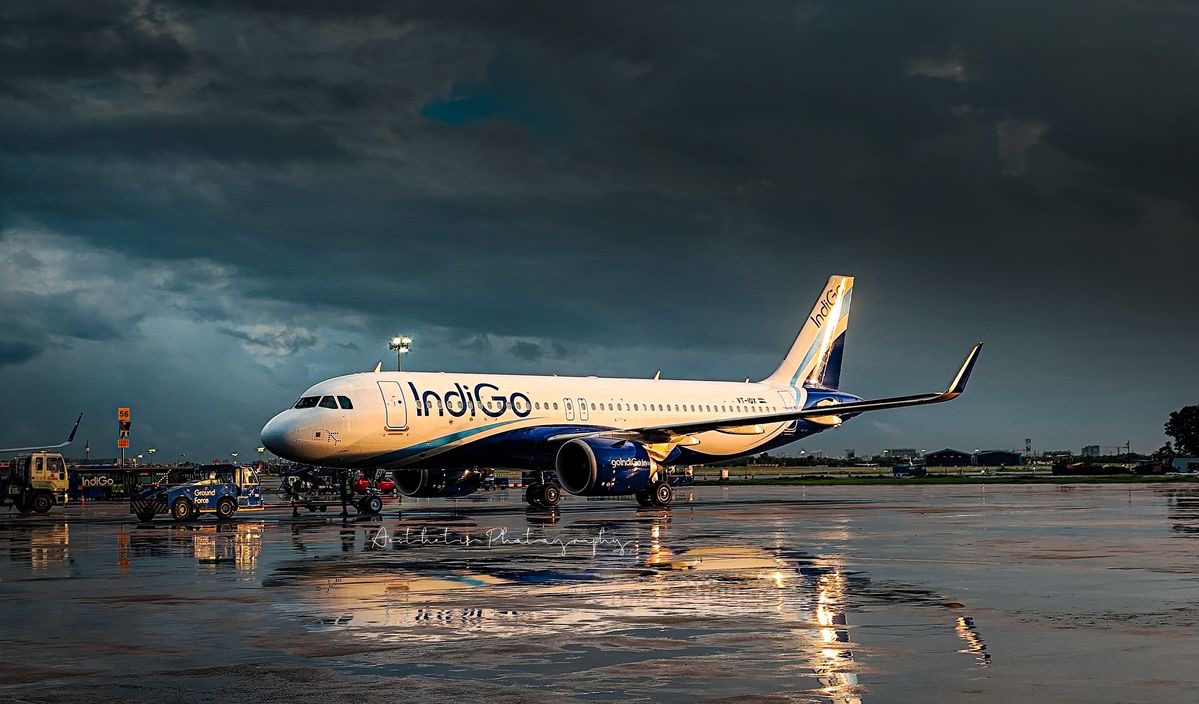
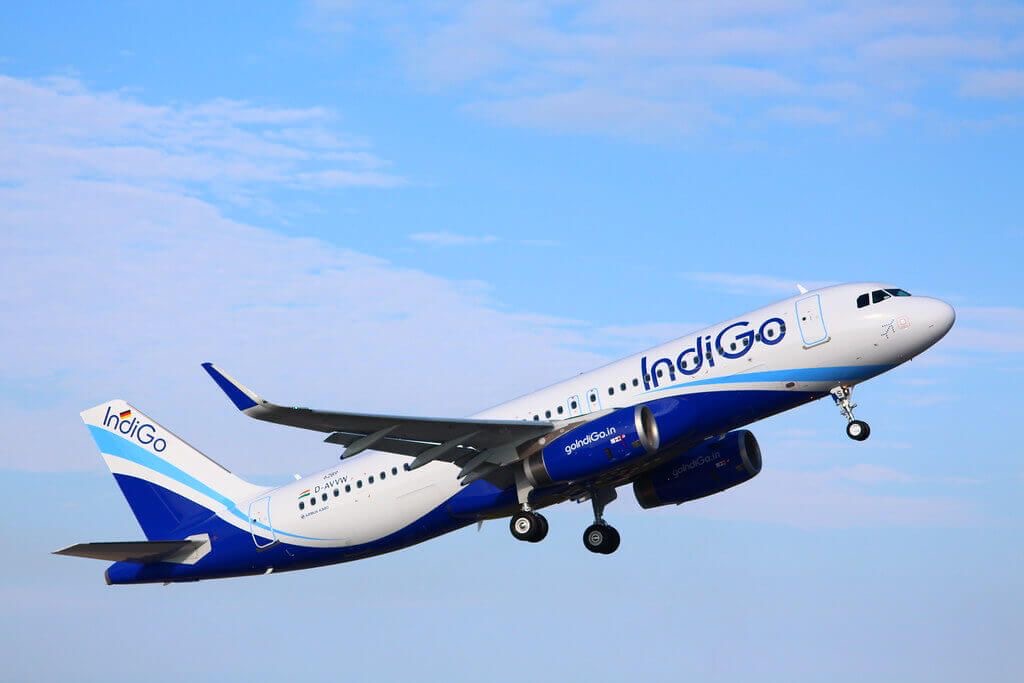
IndiGo also experienced disruptions across its international network, especially on routes connecting India with West Asia and nearby regions. Rerouting around restricted airspace led to longer travel times and operational constraints, forcing the airline to cancel select services while adjusting others.
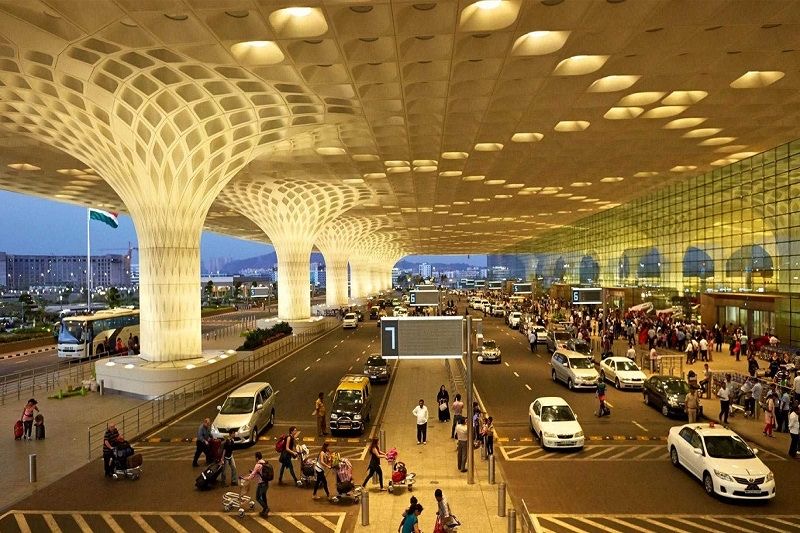
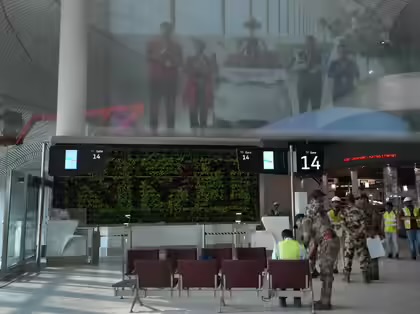
Passengers were notified through advisories, airport announcements, and digital alerts. Many travellers encountered sudden changes to their travel plans, including missed connections and extended waiting times. Airline ground staff and customer support teams assisted passengers with rebooking options, refunds, and alternate travel arrangements.
Aviation experts note that Iranian airspace plays a crucial role in global aviation due to its central location and fuel-efficient routing. When this corridor becomes unavailable, airlines are forced to take longer paths that increase operating costs and strain schedules, making sustained operations difficult in some cases.
The disruption highlights how geopolitical developments can quickly impact global aviation networks. Even short-term airspace restrictions can have far-reaching consequences, affecting airlines, airports, and passengers across multiple continents.
Despite the inconvenience, airlines reiterated that safety remains the top priority. All cancellations and rerouting decisions were taken after careful evaluation of risks and regulatory requirements, with a focus on maintaining safe and compliant operations.
Airlines continue to closely monitor the situation and adjust schedules as conditions evolve. Passengers planning international travel have been advised to stay updated on flight status and remain flexible, as airspace restrictions may continue to influence global travel patterns.