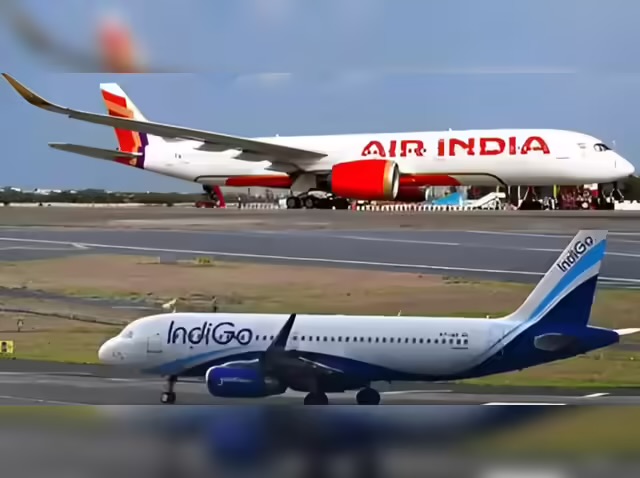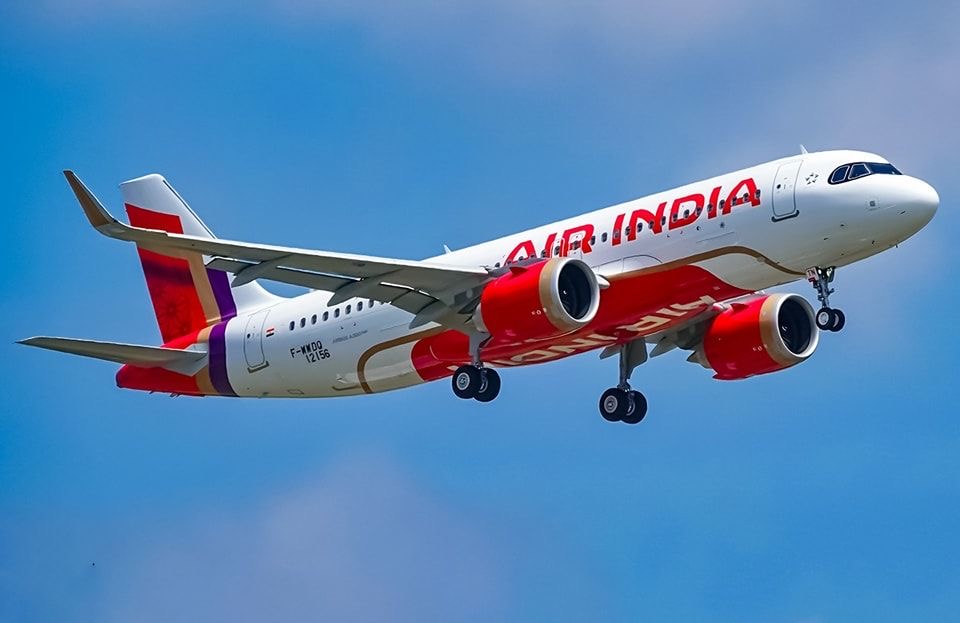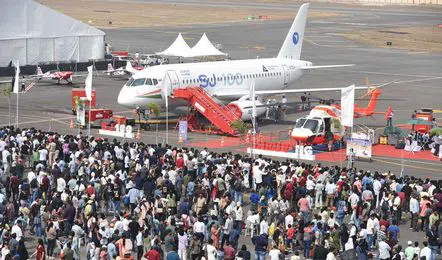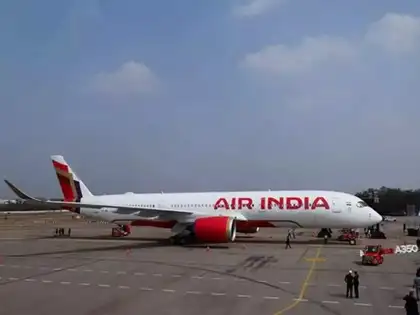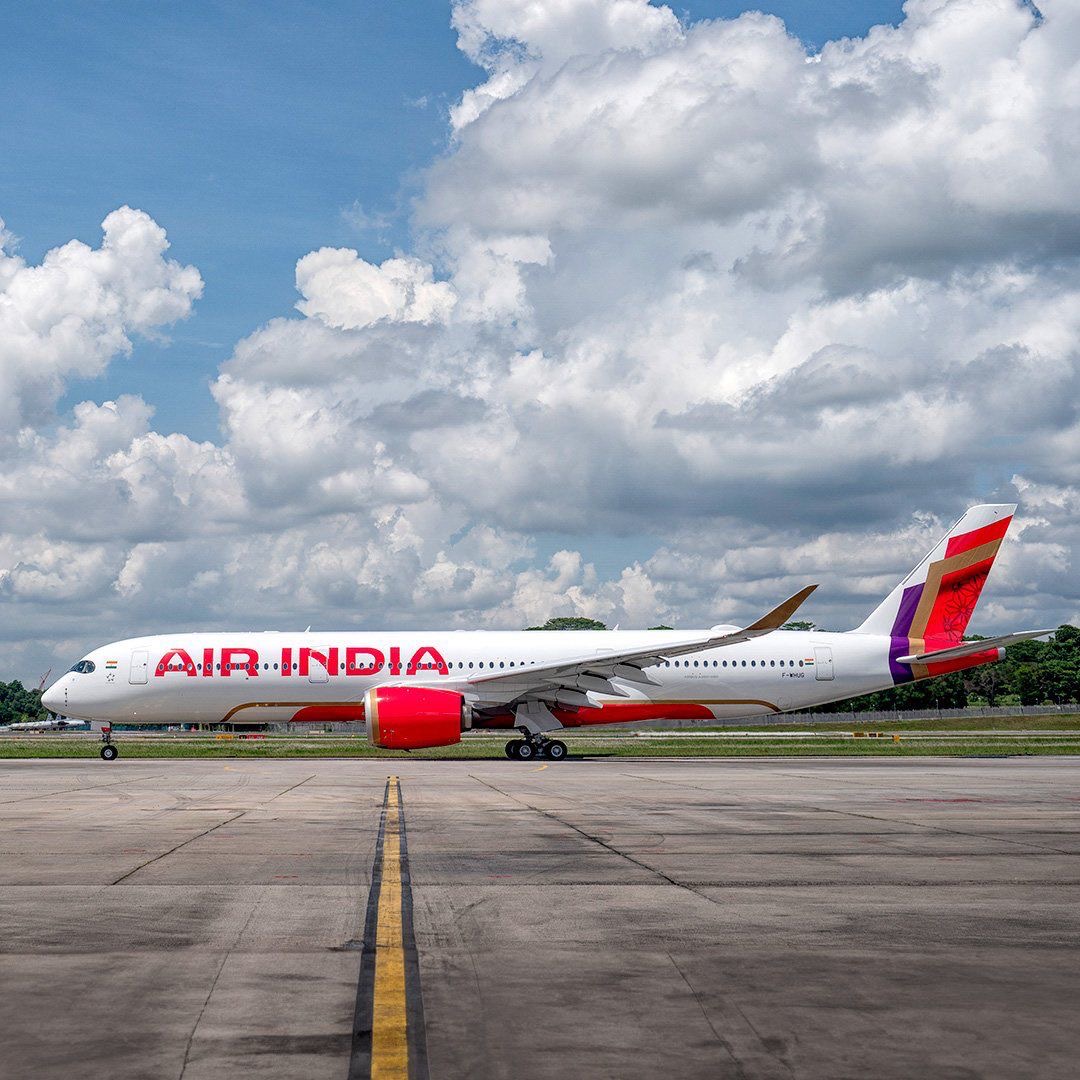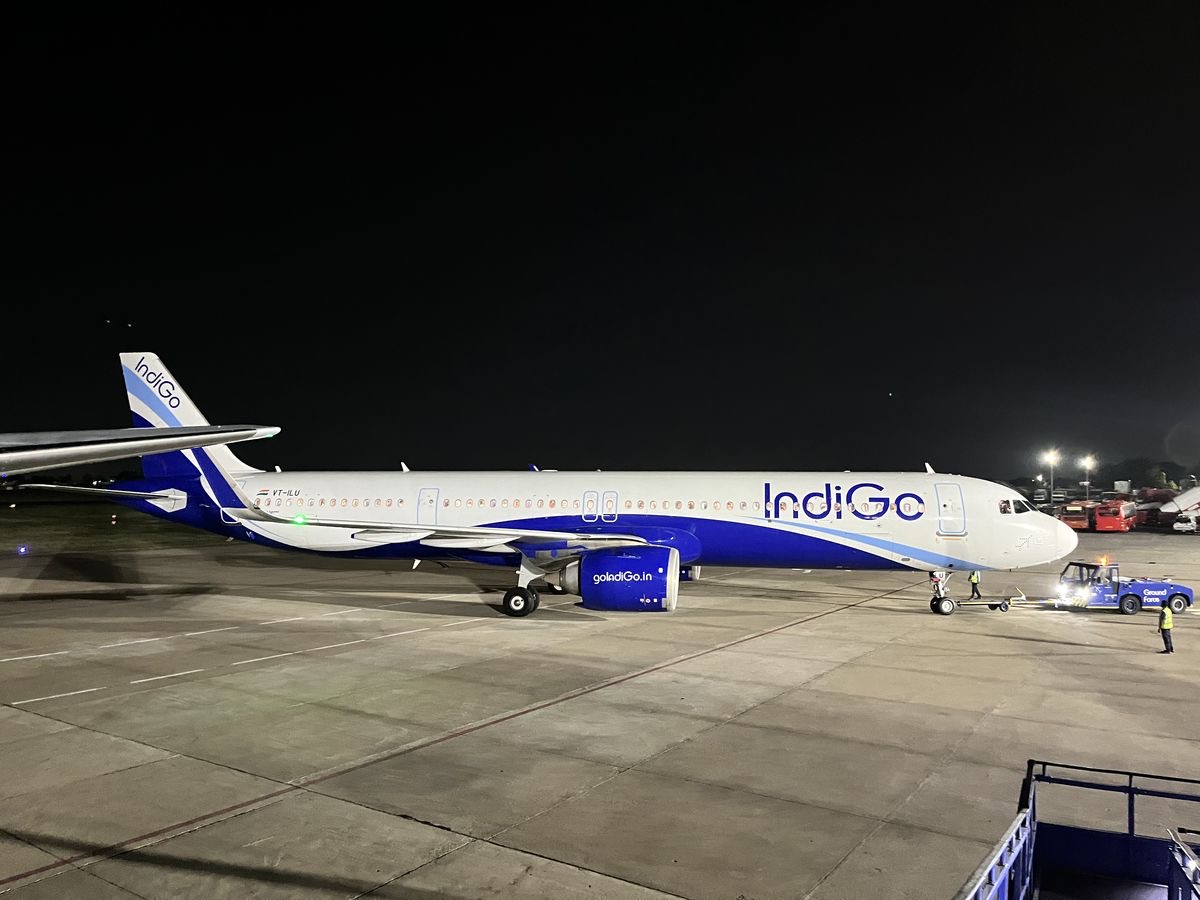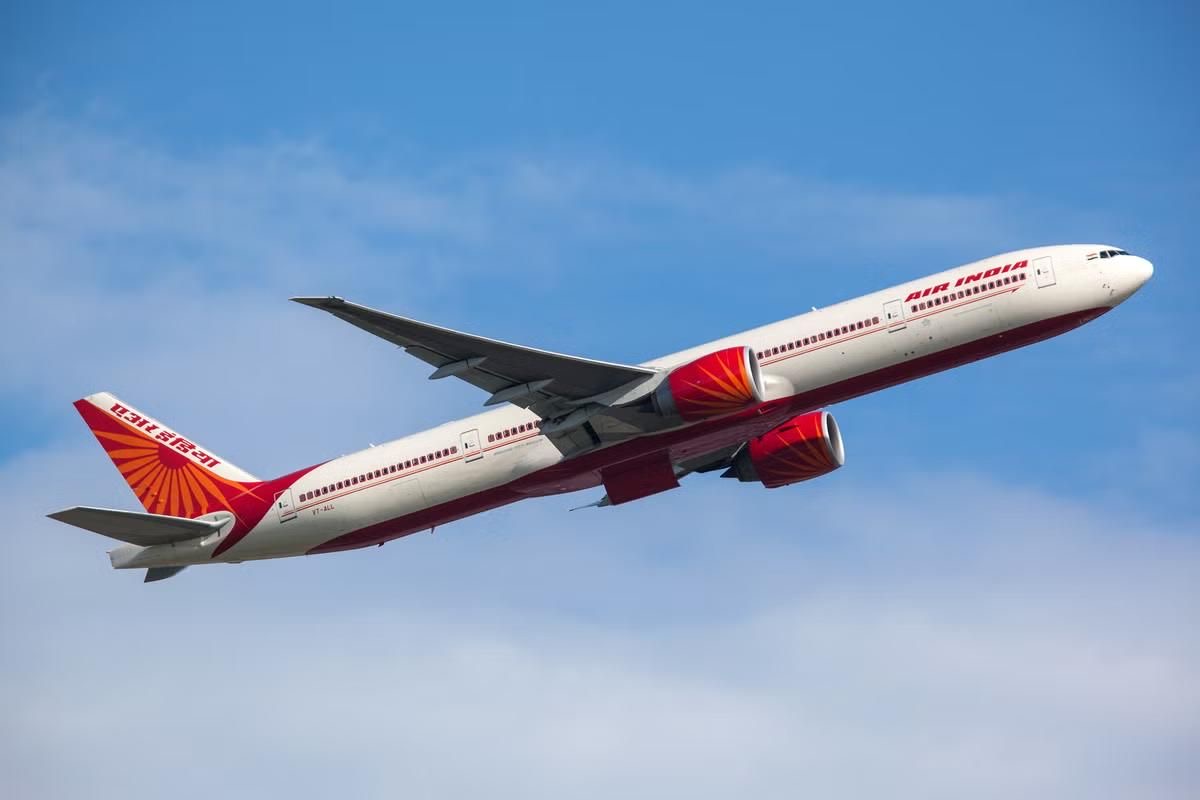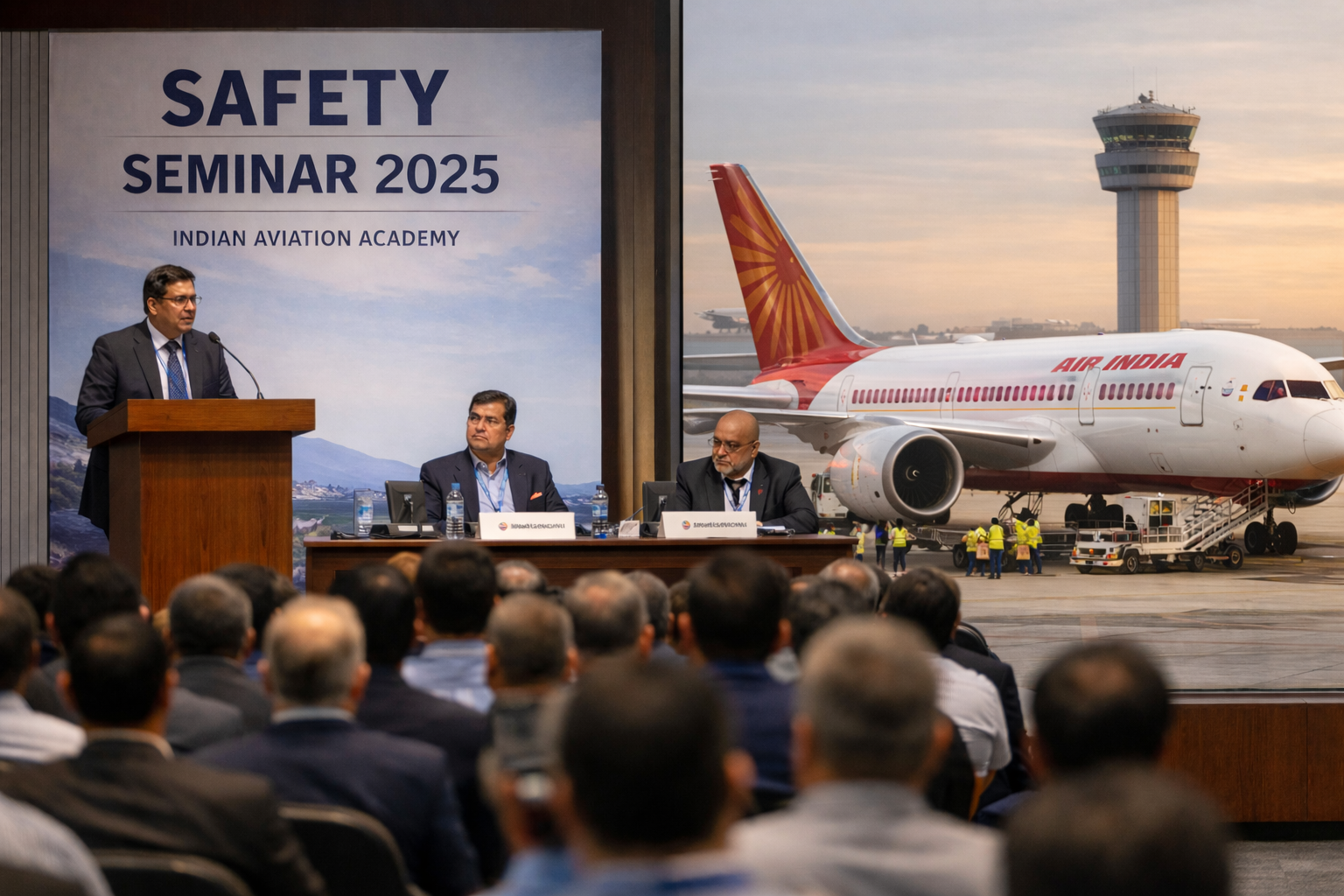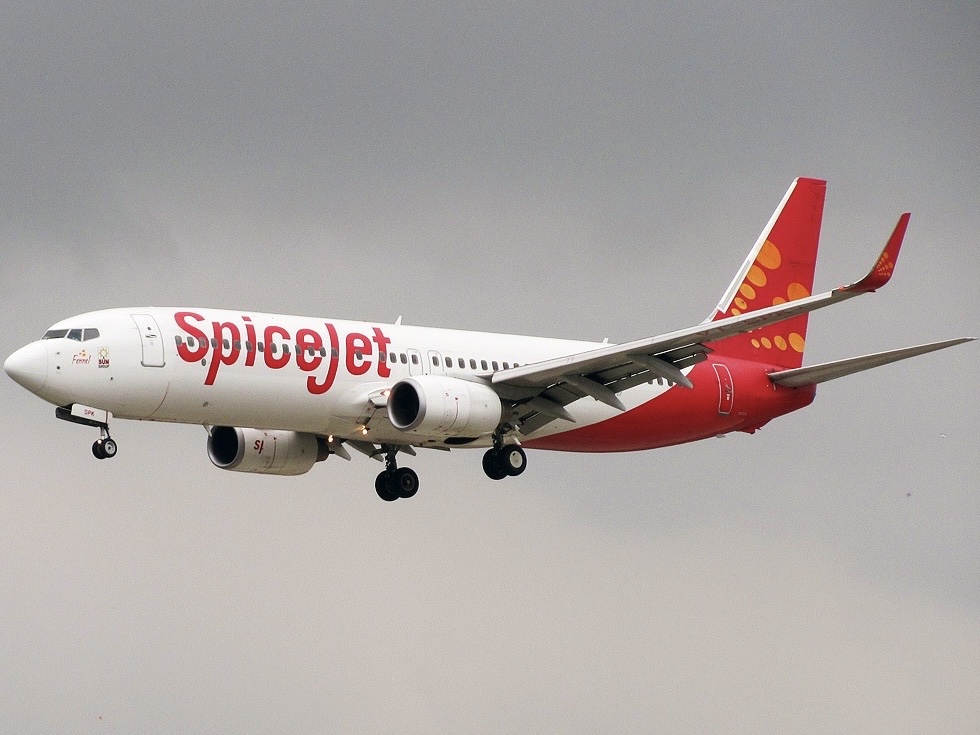
India’s aviation sector received a significant policy and investment boost in Budget 2026, with the government unveiling duty-free manufacturing incentives, expanded support for aerospace production, and targeted measures to strengthen connectivity and infrastructure. The budgetary announcements signal a clear intent to accelerate the transformation of the country’s aviation ecosystem moving it beyond fleet expansion into value-added manufacturing, global supply-chain integration and long-term competitiveness.
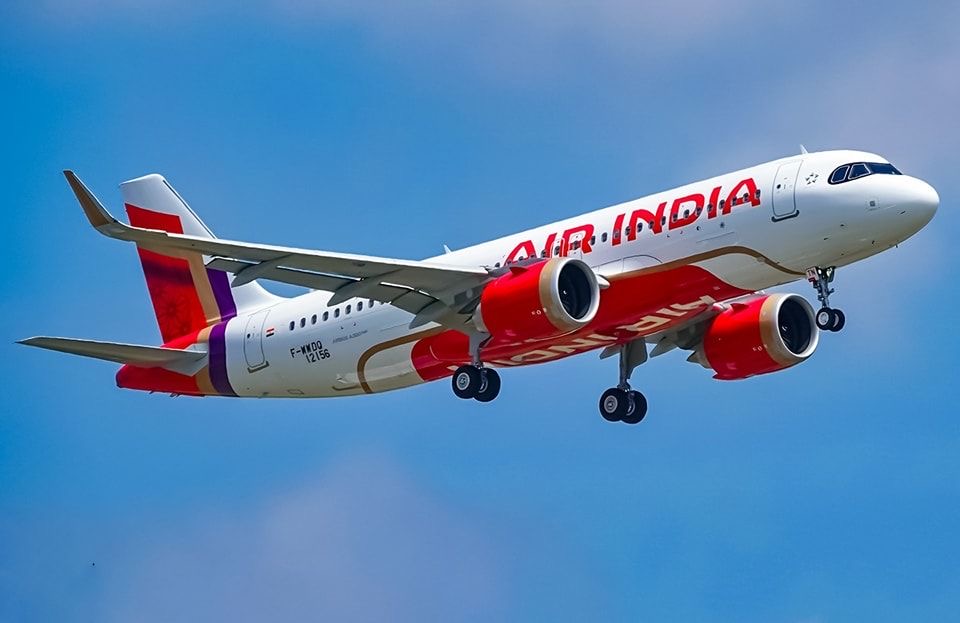
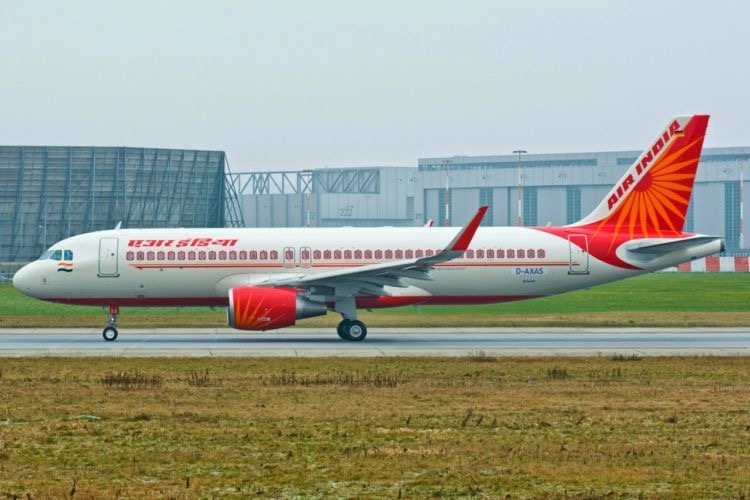
A cornerstone of the Budget 2026 package is a duty-free push on aviation manufacturing inputs, which aims to make India a more attractive destination for aircraft and component production. By relaxing customs duties on specified imported parts and incentivising domestic assembly and local content creation, the government intends to catalyse investment into aerospace manufacturing facilities that could serve both domestic carriers and global markets. This move supports the broader “Make in India” initiative and aligns with industry goals of reducing dependence on fully imported aircraft and systems.
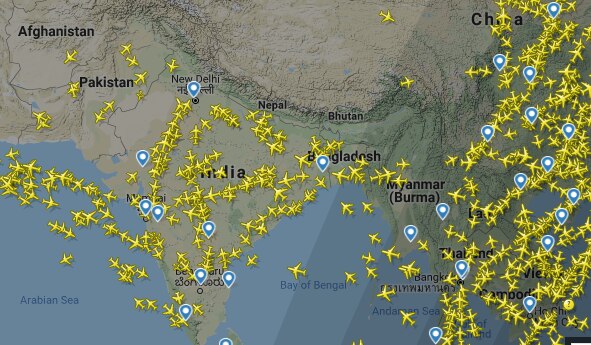
The budget also reaffirmed support for regional connectivity programmes that have helped open up underserved markets and secondary cities. Planned enhancements include financial allocations to strengthen airport infrastructure in smaller towns, improved air traffic management capabilities and incentives to carriers that launch services under regional schemes. Officials hope these measures will deepen air linkages across the country and further democratise access to flight travel.
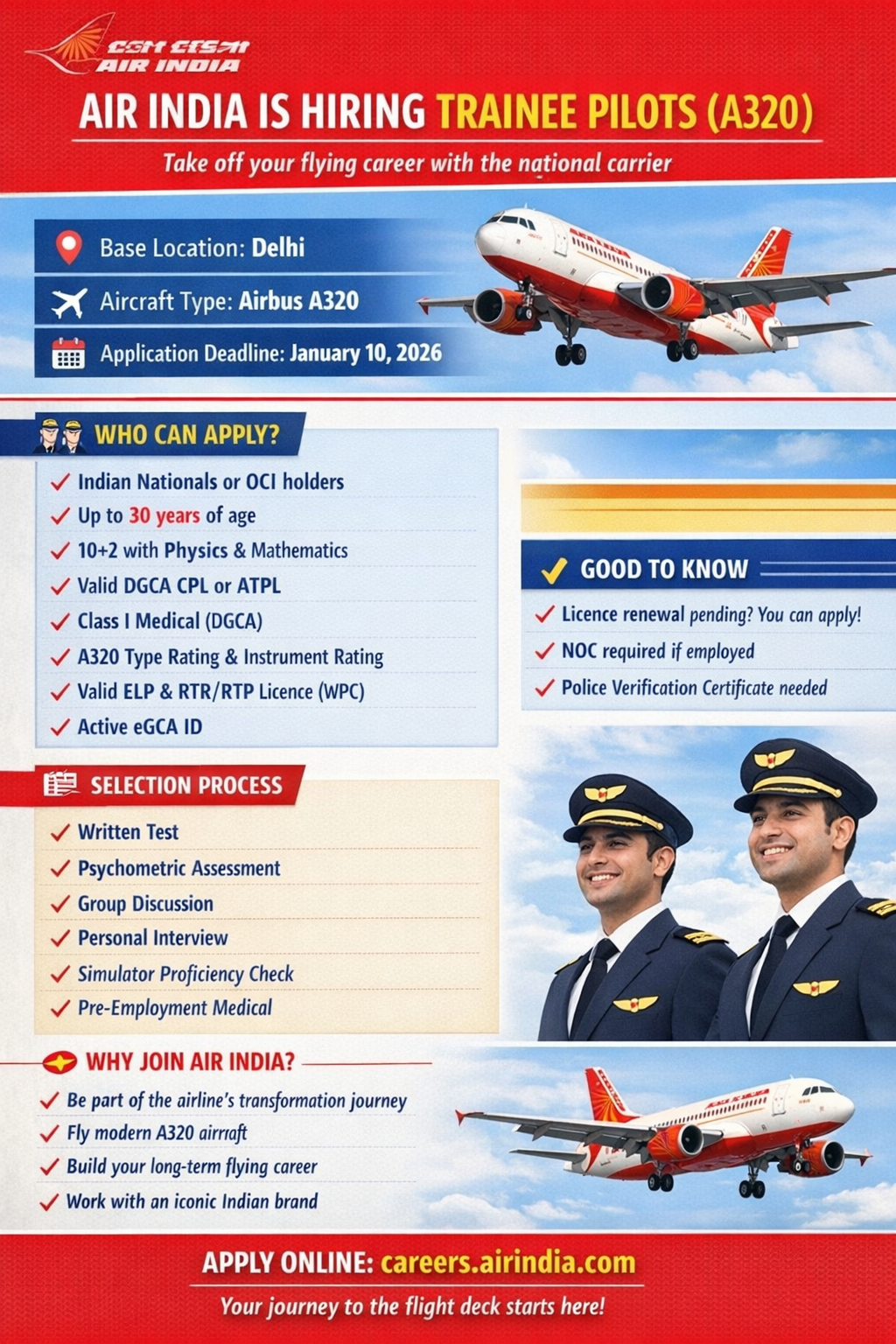
In addition to aviation manufacturing and regional connectivity, Budget 2026 outlined assistance for training and skill development tailored to aviation careers. With projected demand for pilots, aircraft engineers and technical specialists growing as fleet sizes and airport capacities expand, budgetary provisions are expected to support expanded training infrastructure, simulators and certification programmes. These elements are seen as essential for building the skilled workforce needed to sustain the sector’s rapid growth.
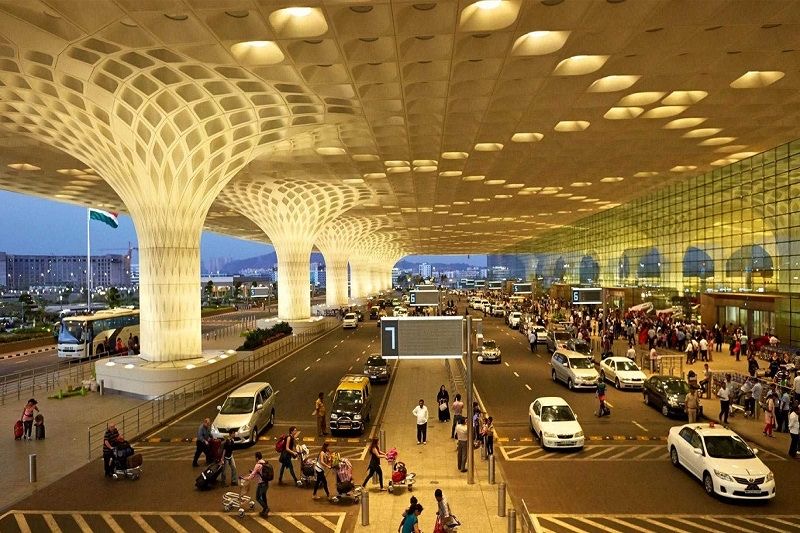
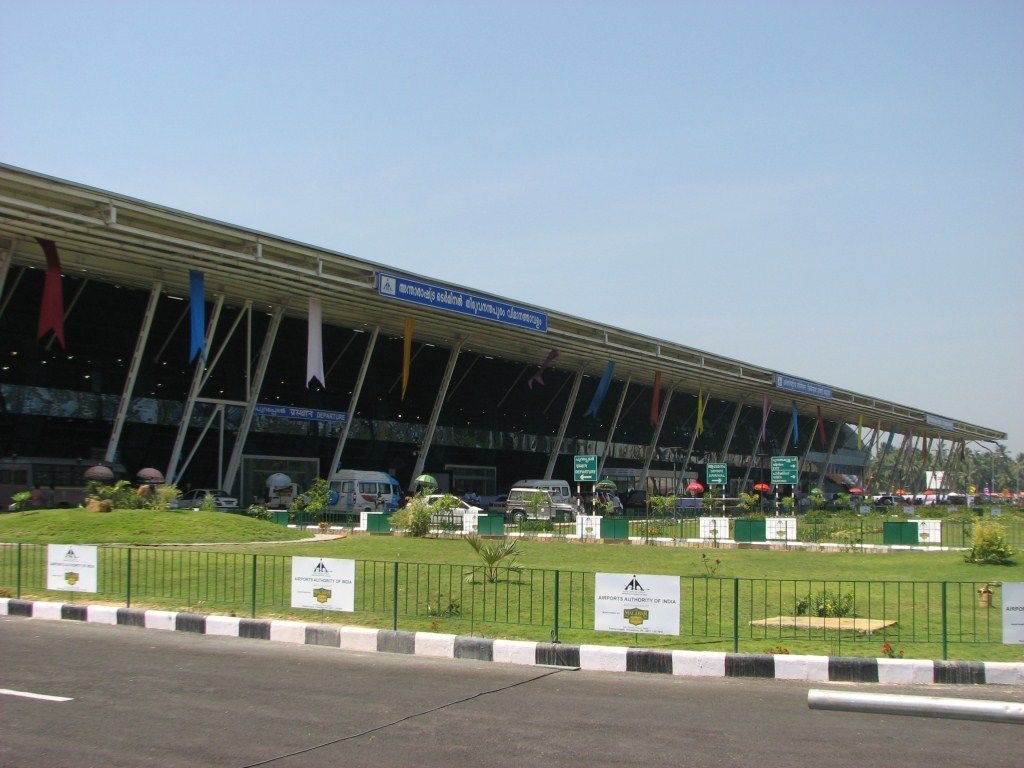
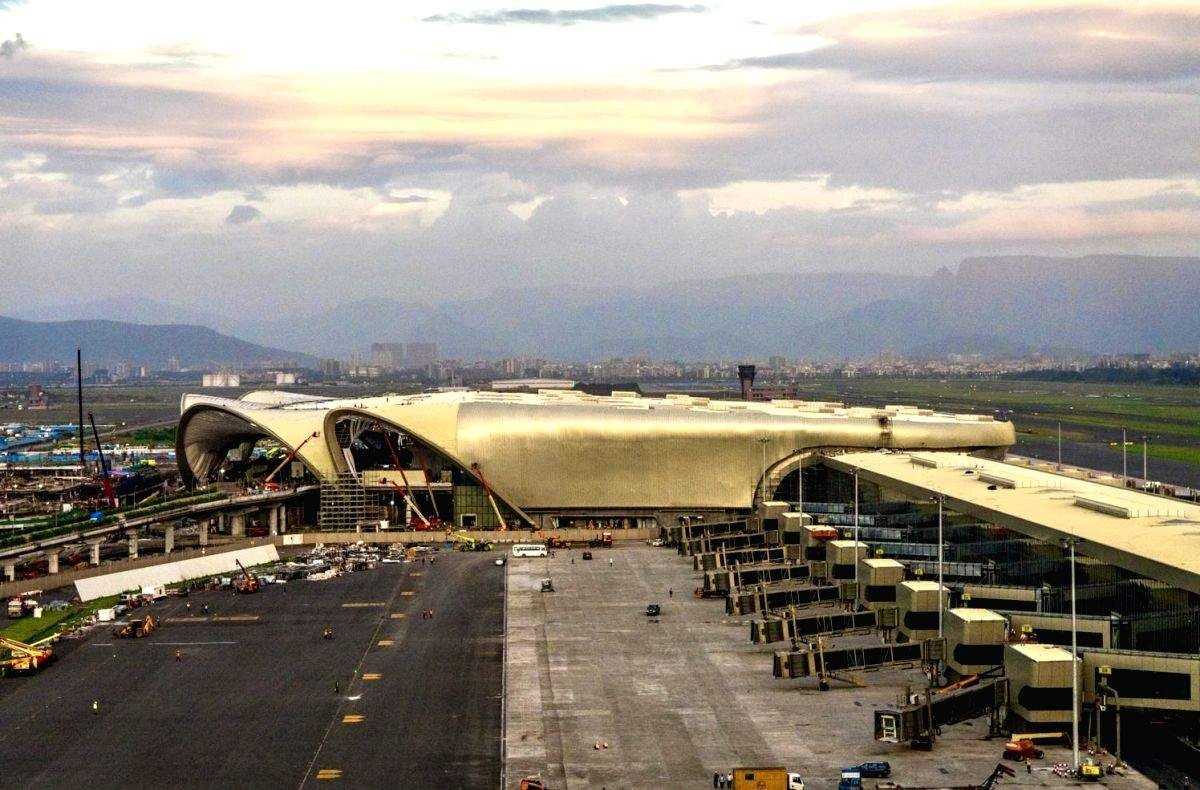
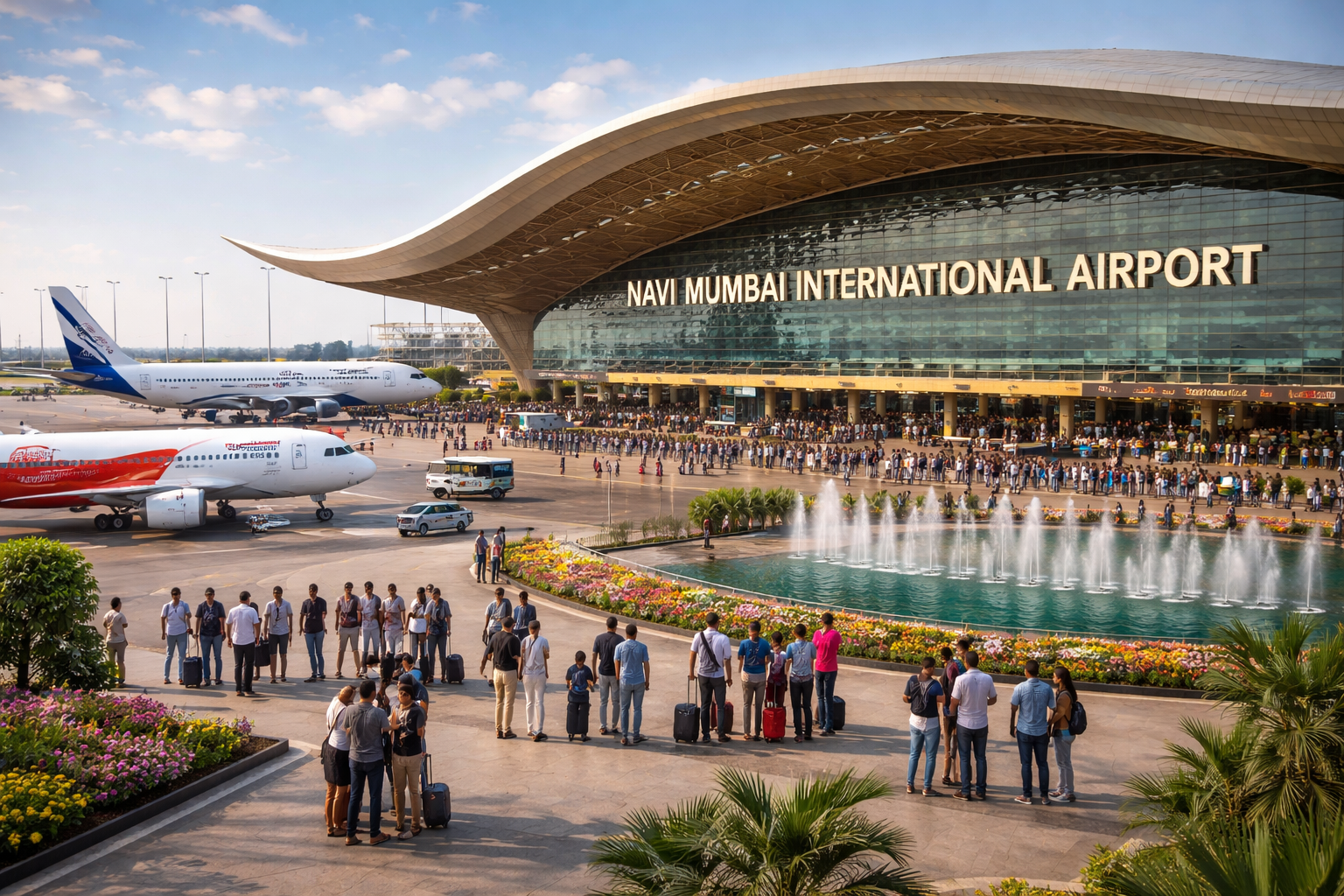
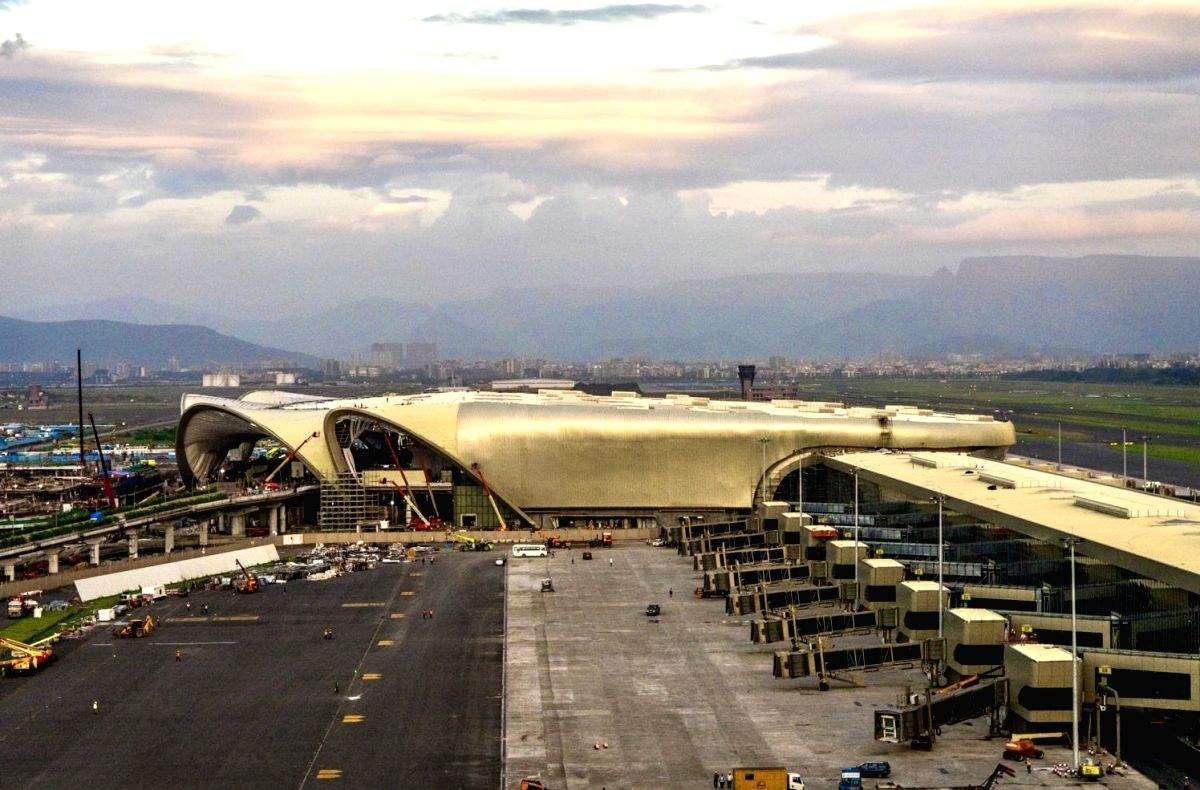
Airport infrastructure also featured prominently in the budget’s vision. Allocations for airport modernisation, runway upgrades and terminal expansion projects were outlined, particularly for airports serving high-growth corridors and gateway cities. Enhanced cargo handling facilities and logistics-oriented infrastructure were highlighted as part of a push to integrate aviation with e-commerce and global freight flows.
The duty-free manufacturing incentives were welcomed by industry leaders as a step toward making India competitive with other aerospace hubs that have long benefited from favourable input tax structures. Aircraft manufacturers, parts suppliers and maintenance, repair and overhaul service providers may now find it more viable to invest in facilities that can serve regional needs and export markets, leveraging India’s large pool of engineers and technical talent.
Budget 2026 also touched on sustainability by reiterating support for green aviation fuels and cleaner technologies. As global pressure mounts to reduce carbon emissions from air travel, fiscal support for research, development and pilot projects in sustainable aviation fuel production was outlined, reflecting India’s broader climate commitments. These steps could position India as both a consumer and potential exporter of next-generation aviation fuels.
Industry stakeholders noted that the combined budget measures reflect an understanding that aviation growth is multidimensional requiring not just more aircraft but deeper industrial capability, broader connectivity, trained personnel and integration with global supply chains. By addressing these elements in the national budget, policymakers are signalling that aviation is central to India’s long-term economic and infrastructure agenda.
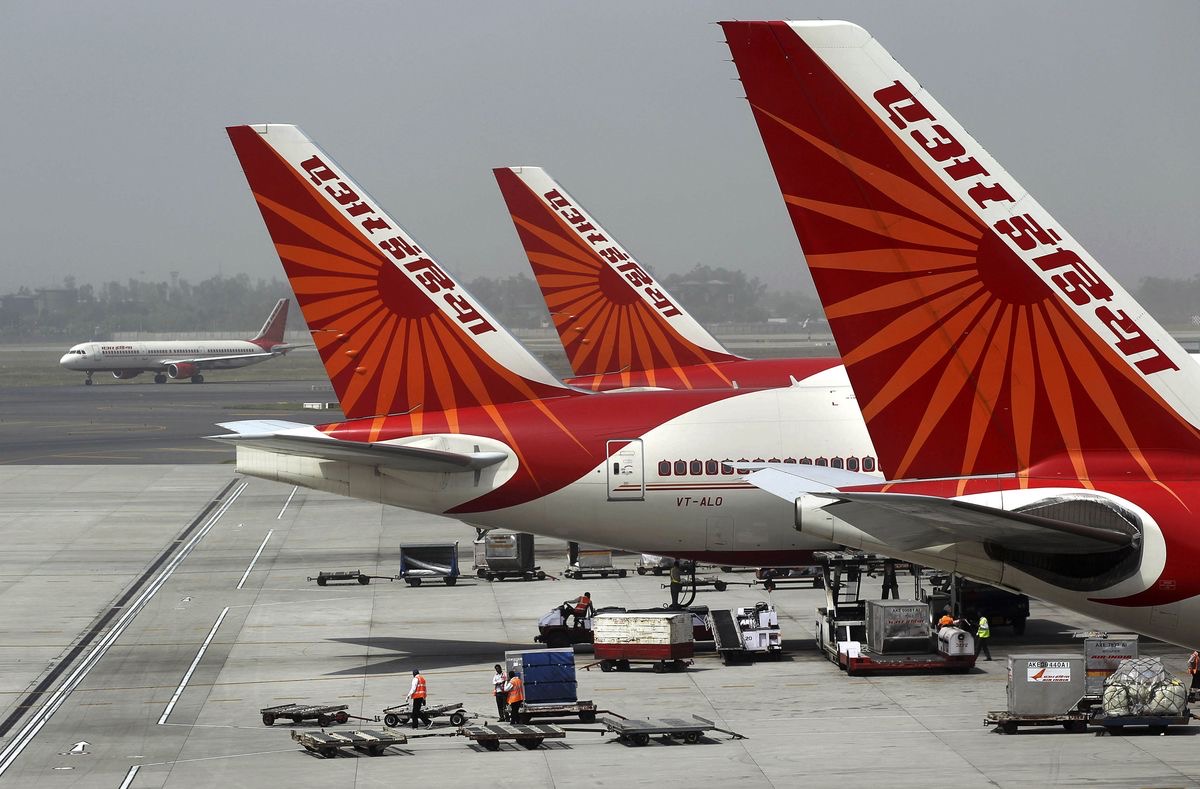
For passengers and the travelling public, the budget provisions may translate into more flight options, improved airport experiences and enhanced connectivity over the coming years. For the industry, the duty-free manufacturing push and associated incentives could lay the groundwork for India to evolve from a leading aircraft buyer into a full-spectrum aviation power that designs, builds and services aviation products for global markets.
As 2026 unfolds, stakeholders across airlines, airports, aerospace manufacturing and training sectors will be digesting the budget details and planning how best to leverage the opportunities presented. The aviation industry’s response to the budget may well shape its path over the next decade, determining whether India’s ambitious goals for connectivity, manufacturing and sustainability are fully realised.