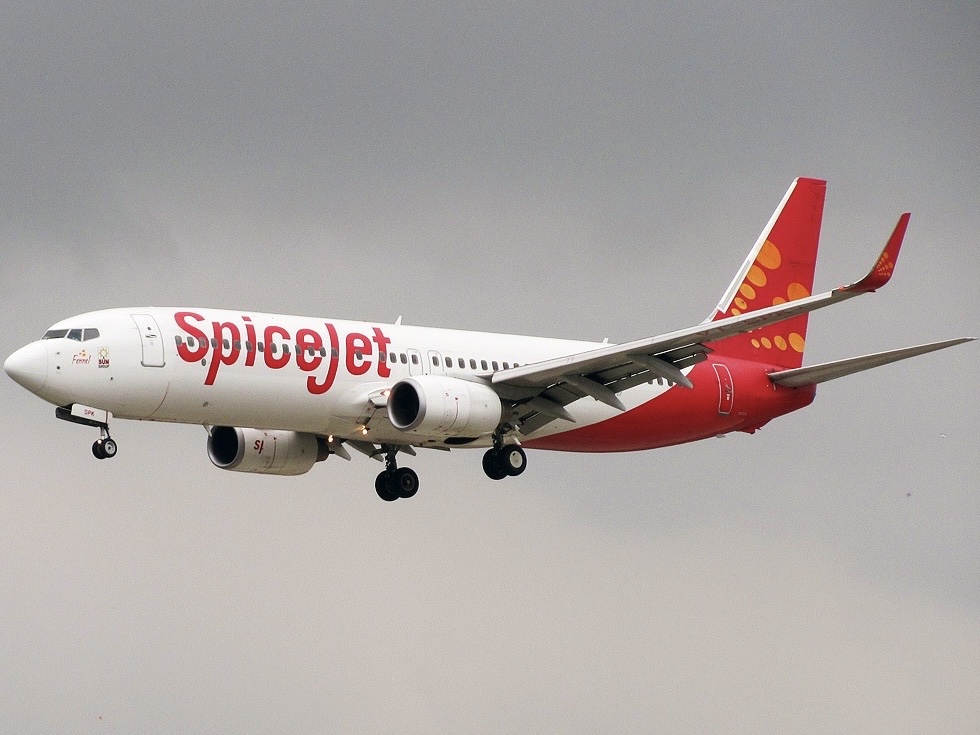
India’s Regional Connectivity Scheme UDAN (Ude Desh ka Aam Naagrik) has received a substantial budget increase for the financial year 2026–27, with funding boosted by approximately 27 percent compared to previous allocations. The enhanced budgetary support reflects the government’s ongoing commitment to strengthen regional air connectivity, expand services to underserved and remote locations, and drive inclusive aviation growth across the country.
The UDAN scheme was launched with the objective of making air travel affordable and widespread, particularly in areas that historically lacked reliable air links. By providing financial incentives to airlines, airports and operators, the programme has driven the expansion of routes that connect smaller towns and cities with larger urban hubs, stimulating economic activity, tourism and social mobility along the way.
With the increased allocation for FY27, UDAN is expected to deepen its reach by introducing new regional routes, enhancing existing services and supporting the development of airport facilities in tier-II and tier-III cities. Officials say the additional budget will help cover route viability gap funding to airlines, airport infrastructure upgrades and associated support costs that make regional connections commercially feasible for carriers.
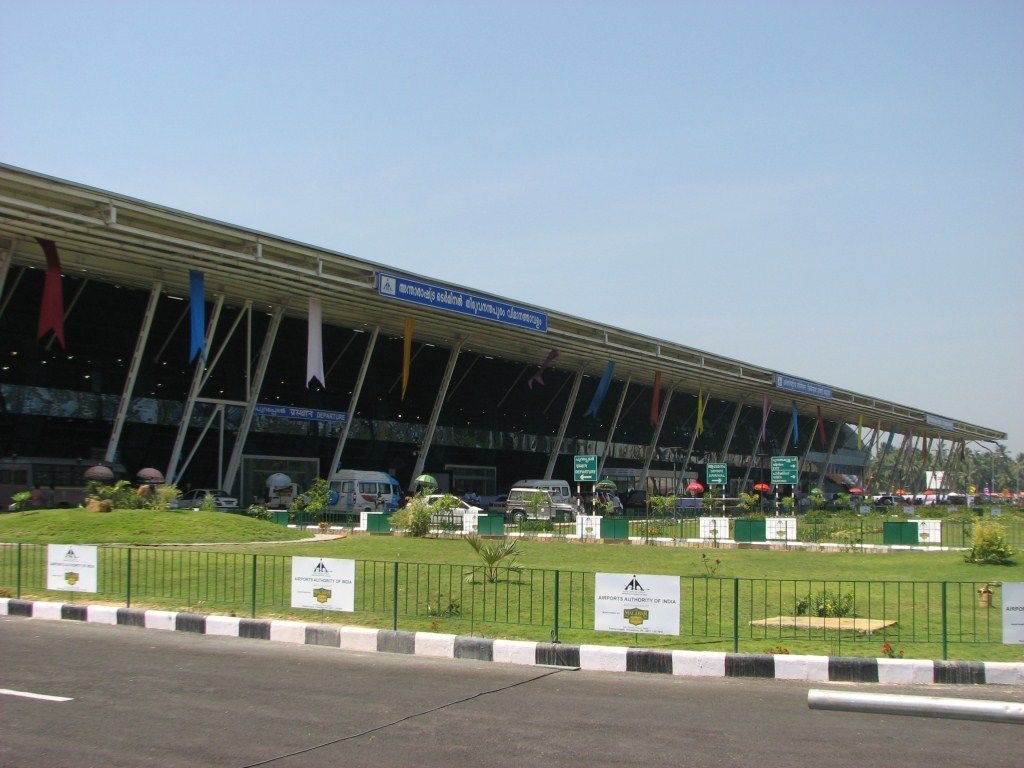
The higher allocation also underscores the success of earlier phases of UDAN, which contributed to significant growth in regional flight operations since the scheme’s inception. By enabling flights to previously unserved or underserved airports, the initiative has broadened access to air travel for citizens who previously had limited travel options. As part of the expanded programme, airport infrastructure such as terminal facilities, navigation aids and safety enhancements will receive targeted support to ensure that smaller airports can handle increasing traffic efficiently.
Industry observers say that strengthening regional aviation is not only about expanding flight networks but also about enabling socio-economic development. Enhanced connectivity can improve business prospects, boost tourism flow, and strengthen supply chains by making travel and cargo movement faster and more reliable across diverse regions. For remote areas, direct air links can be transformative, opening up opportunities for employment, healthcare access, education and market linkages.
Airlines that participate in UDAN have noted that the scheme’s incentives and demand support have enabled them to test and scale routes that might otherwise have been financially unviable. With the budget increase, carriers are poised to launch additional flights, optimise frequency, and improve sustainability of operations on regional sectors. Some stakeholders believe the new allocation will also encourage fleet planning decisions that align with shorter-haul regional services.
Government officials have emphasised that the increased funding for UDAN aligns with broader national goals to enhance aviation infrastructure, support airport modernisation and ensure that air travel becomes an accessible transport option for a wider population. The enhanced budget is seen as a strategic investment in improving connectivity, fostering economic inclusivity and bolstering the aviation sector’s capacity to serve diverse citizen needs.
As the fiscal year progresses, stakeholders across the aviation ecosystem — including airlines, airport operators, policymakers and local communities — will be watching closely to see how the expanded UDAN allocation translates into tangible regional connectivity outcomes. The additional funds are expected to pave the way for more routes, greater passenger choice and deeper integration of smaller cities into India’s national air transport grid.
The move also signals continuity in policy support for regional aviation at a time when the overall industry is undergoing rapid growth, with strong passenger demand, rising aircraft orders, and an expanding network of airports and services across the country. By empowering UDAN with greater resources, India is reaffirming the central role of regional connectivity in its broader aviation strategy.