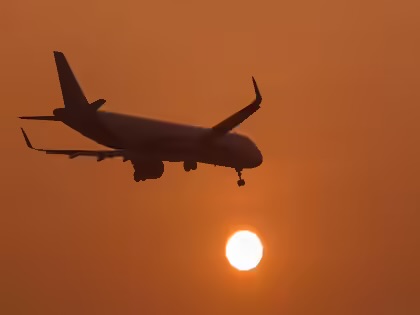
A powerful winter storm system battered Japan’s northwestern coast, bringing heavy snowfall, strong winds, and blizzard conditions that forced major carriers to cancel dozens of flights and disrupt travel for thousands of passengers across the region. The extreme weather, which has hit areas known for popular winter tourism, has also prompted travel warnings from meteorological authorities.
On January 20, Japan’s largest airlines reported widespread cancellations affecting both domestic and inbound international services. ANA Holdings cancelled around 56 flights, impacting nearly 3,900 passengers, while Japan Airlines (JAL) called off about 37 flights, affecting approximately 2,213 travellers as of mid-day local time. Most of the cancellations were concentrated at New Chitose Airport near Sapporo in Hokkaido, a major gateway to ski resorts such as Niseko, which has surged in demand among international visitors seeking powder snow and winter recreation. turn0search10
The meteorological situation has been severe, with the Japan Meteorological Agency issuing forecasts that heavy snow would continue to affect both northern and western Japan between January 21 and 25. Authorities have advised residents and travellers to limit non-essential journeys and prepare for continued hazardous conditions along the Sea of Japan coast. Travel delays and further cancellations remain possible as the wintry weather persists. turn0search10
New Chitose Airport, which handled the bulk of ANA’s cancellations, saw visibility severely reduced by snow and high winds, making it unsafe for flights to operate as scheduled. The airport is a critical hub for both domestic services and international flights connecting to Japan’s winter tourism hotspots. Airlines have warned passengers to expect continuing delays even on days when no further cancellations are planned, as airport operations struggle with snow removal and aircraft turnaround under challenging conditions. turn0search10
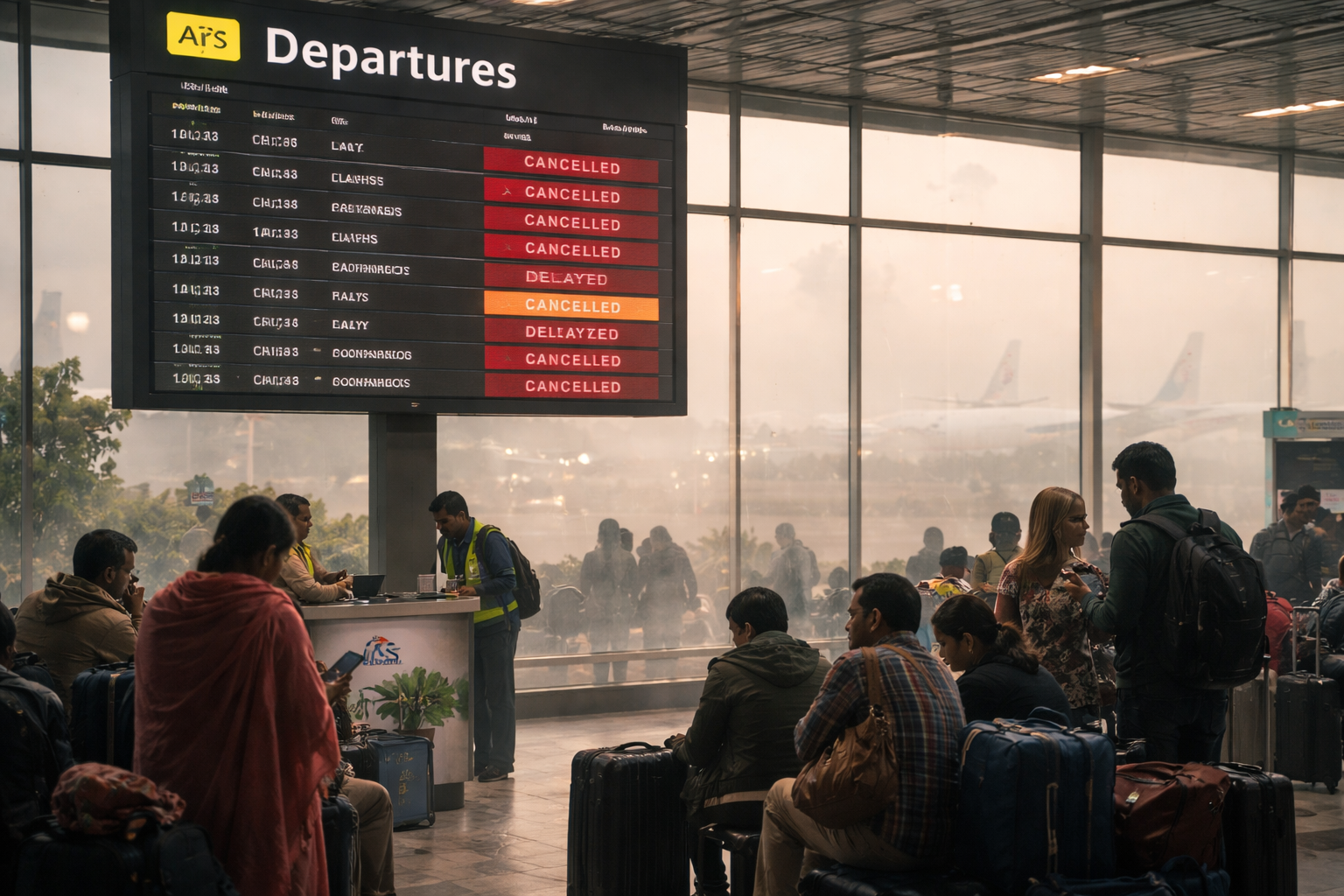
Passengers affected by the cancellations have faced disruption to travel plans, including missed connections and accommodation rescheduling. Airport staff have worked to assist travellers with rebooking or refunds, but severe weather has complicated communication and logistics, as many travellers were gathered at departure gates awaiting updates.
The latest winter storm hitting Japan is part of a broader pattern of severe weather across parts of Asia this season, with neighbouring regions also experiencing unusual snowfall and travel interruptions. Weather services remain vigilant, urging communities to take caution against snowdrifts, high winds, and the potential for additional disruptions to surface transportation as well as air travel.
As conditions evolve, airlines and airports have pledged to keep passengers informed through official channels, including flight status alerts via mobile apps and airport announcement systems. Officials continue to monitor road and runway conditions closely, deploying snow removal equipment and coordinating with airline operations teams to resume normal flight services as soon as it is safe to do so.
For travellers planning trips to northern Japanese destinations over the coming days, flexibility and advance planning are crucial. Checking flight schedules, staying in touch with airline customer support, and preparing for shifting weather impacts remain essential in navigating travel during this active winter period.