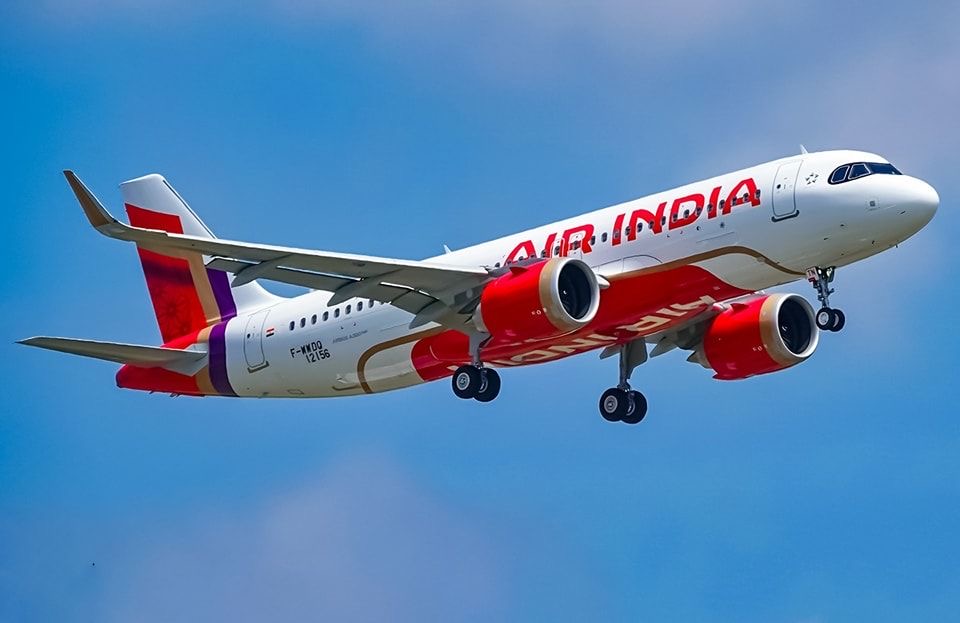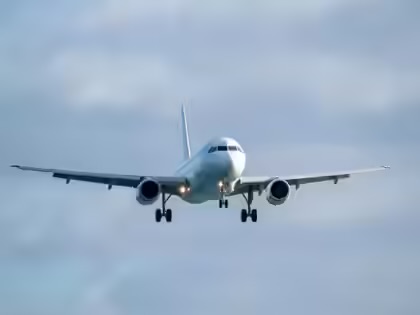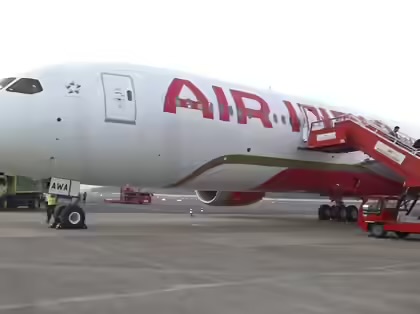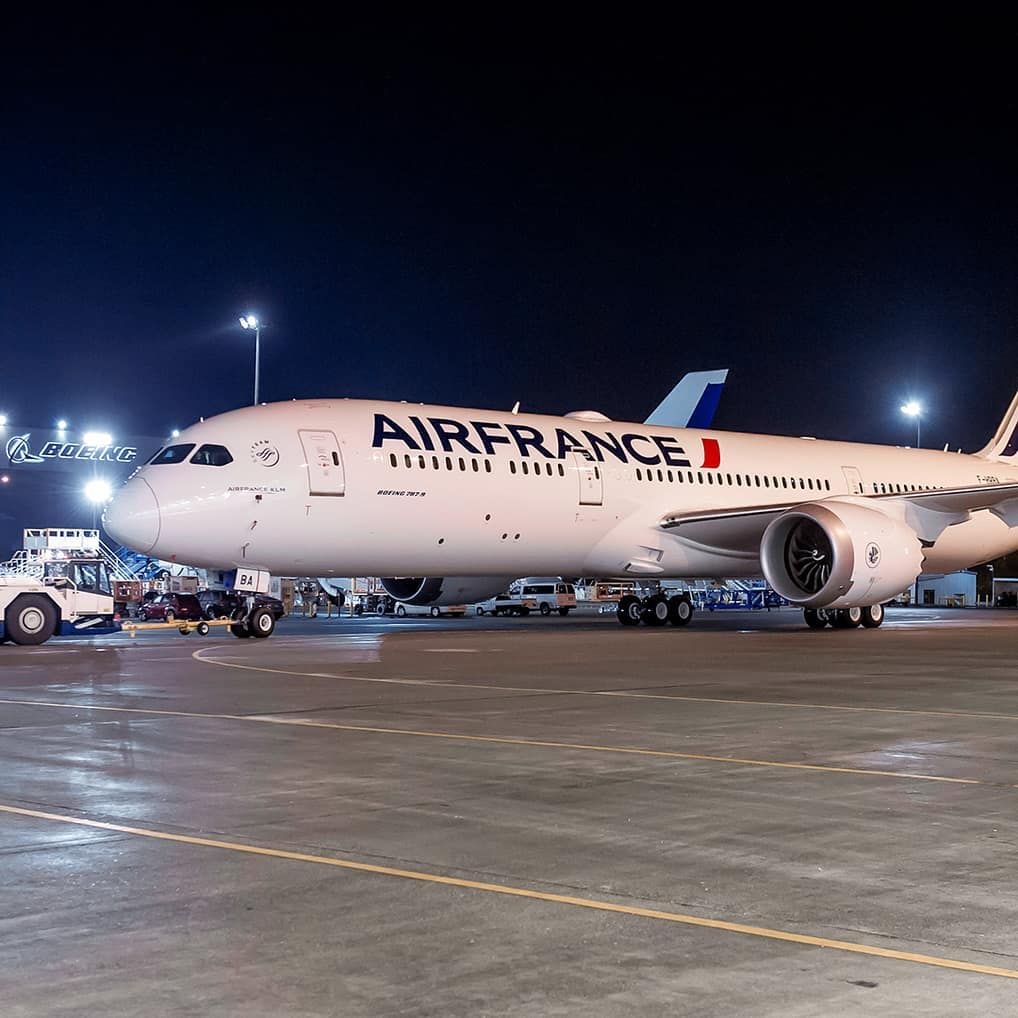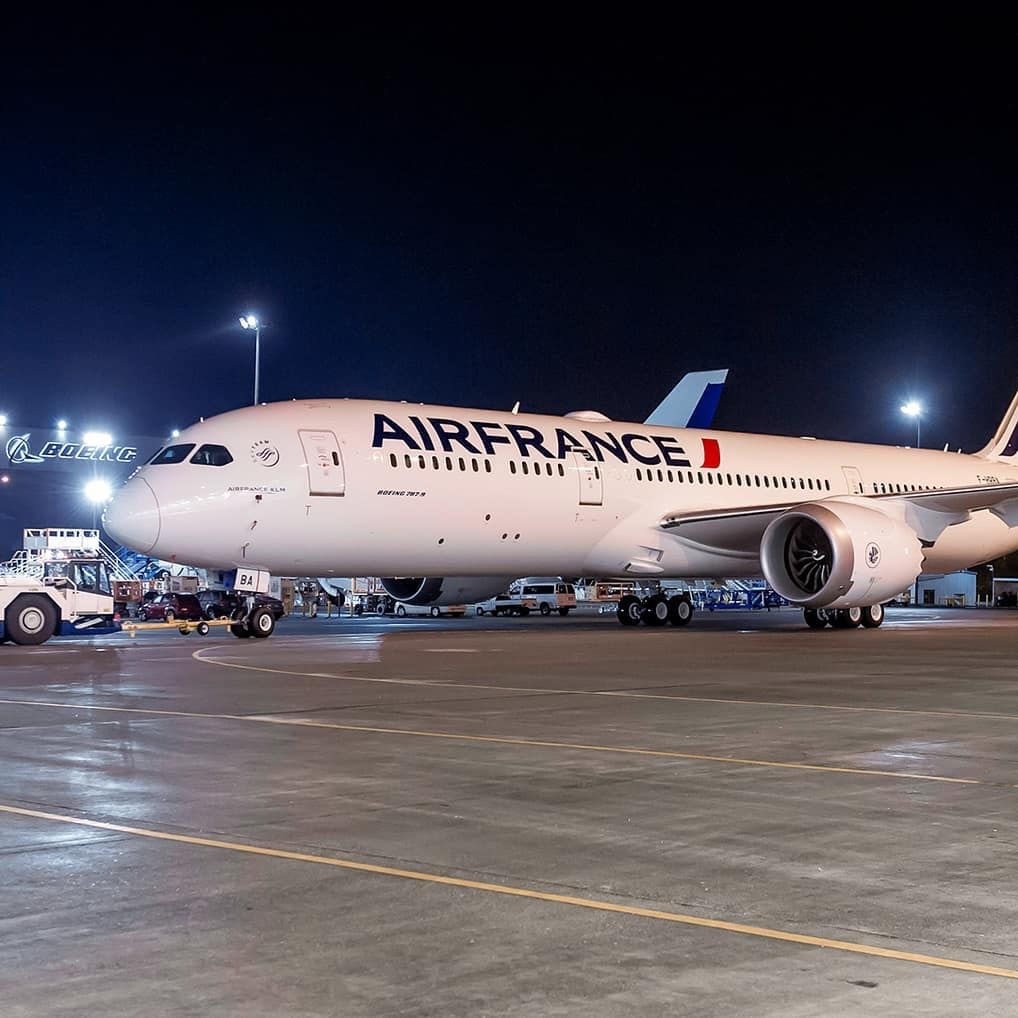
An Air France flight bound for its scheduled destination was forced to make an emergency landing in Munich after the crew reported a significant technical issue while in mid-air. The aircraft, carrying passengers and crew at cruising altitude, encountered a system anomaly that prompted the pilots to divert to the nearest suitable airport as a precautionary safety measure.
The Airbus had departed on its regular scheduled service and was progressing normally when the flight crew noticed unusual instrument readings and an alert in the cockpit. Following standard aviation safety protocols, the captain declared a technical emergency and began preparations to divert the aircraft to Munich Airport, which was the closest international airport equipped to handle such situations.
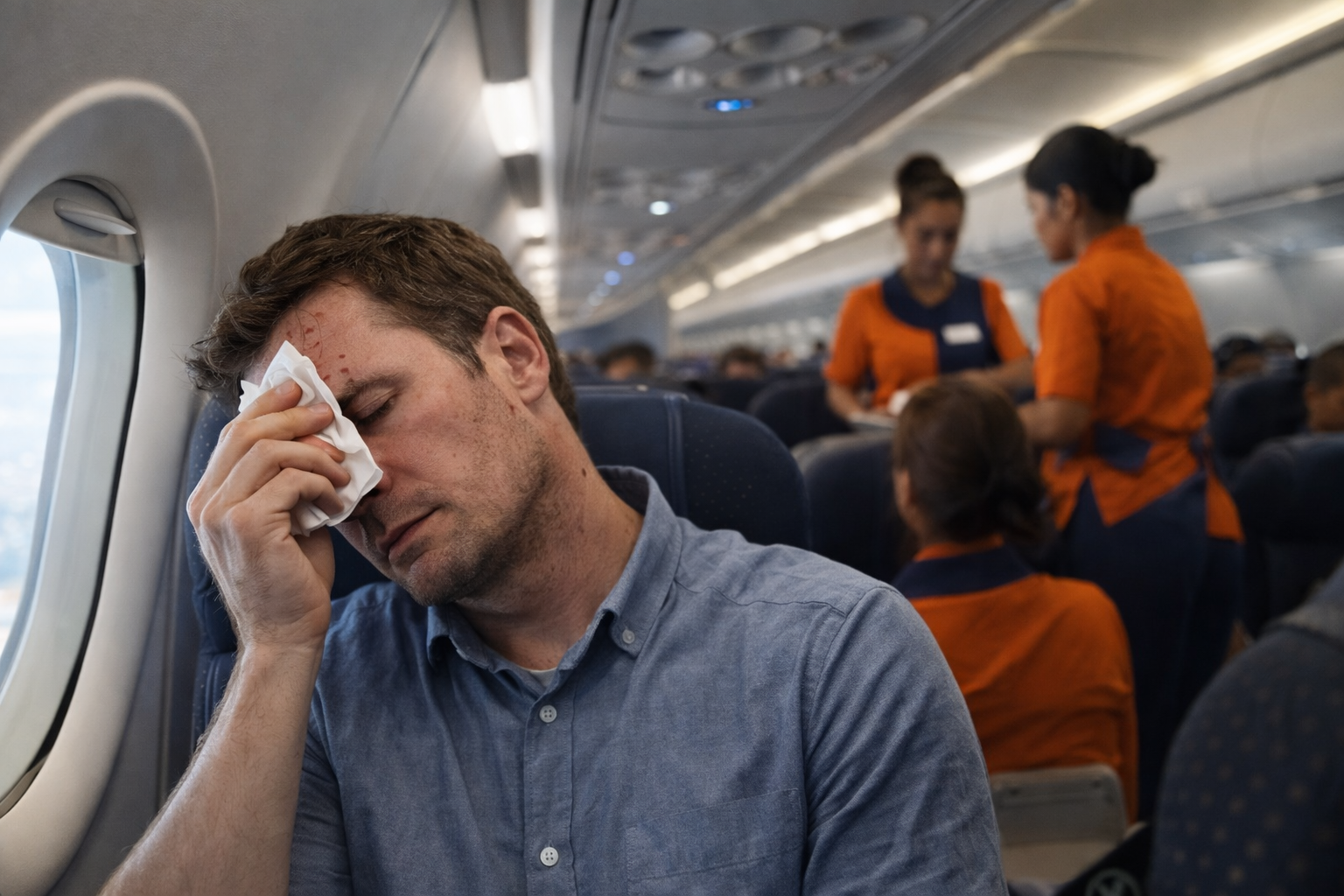
Passengers aboard the flight described moments of uncertainty as the pilot made the announcement, asking everyone to remain calm and reassuring them that the diversion was being carried out solely in the interest of safety. Some travellers reported feeling slight jolts or hearing unusual sounds prior to the decision to divert, but all noted that the flight attendants remained professional and composed throughout the sequence of events.
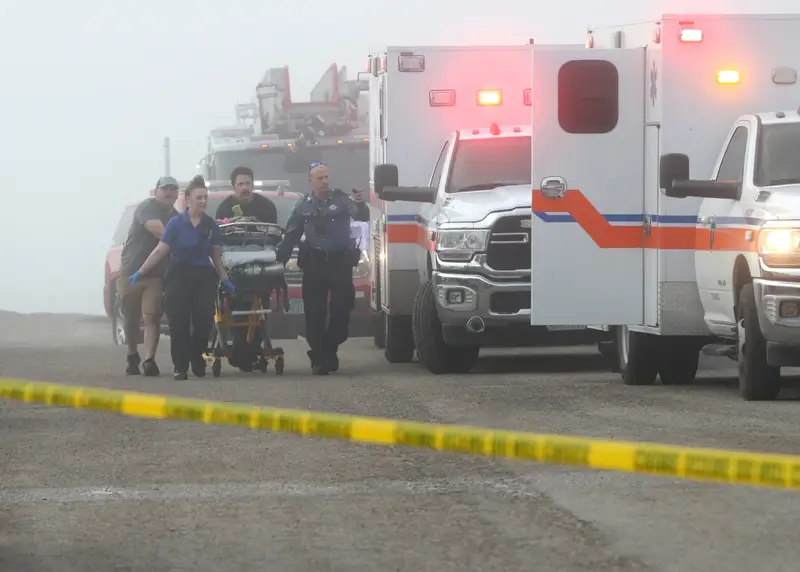
As the aircraft descended toward Munich, air traffic control cleared the runway and alerted emergency response teams as a precaution. There was no indication of imminent danger to the aircraft, but standard procedure calls for fire crews and medical teams to be on standby during unscheduled landings prompted by technical concerns. The airport’s emergency services were ready to respond without delay.
Once safely on the ground, the Air France aircraft taxied to a remote stand where technicians and engineers could inspect the reported issue. Passengers disembarked normally and were met by airline ground staff, who assisted with onward travel arrangements, refreshments, and information about the next steps. No injuries or medical emergencies were reported, underscoring the smooth handling of the situation by the flight crew.
Air France issued a statement confirming that the aircraft had made an unscheduled stop in Munich due to a technical alert. The airline emphasised that the safety of passengers and crew is its highest priority, and that pilots are trained to err on the side of caution at the first sign of an abnormal condition. The airline also stated that further investigation would follow once the aircraft has undergone detailed maintenance inspections.
Aviation experts noted that modern airliners are equipped with numerous redundant systems designed to inform pilots of potential issues early, enabling them to act swiftly and safely. Diversions like this, while unsettling for passengers, are part of a comprehensive safety culture in commercial aviation where crews are encouraged to take all necessary measures to prevent escalation of even minor faults.
Passengers who were rebooked on other flights expressed relief that the situation was managed professionally and without incident. Many commented on the calm demeanour of the crew and the clear communication throughout the diversion, saying that such experiences reinforce confidence in airline safety standards, even when unexpected technical matters arise.
As Air France engineers continue to diagnose the precise cause of the alert, the aircraft will remain grounded until the issue is fully understood and resolved. Regulators and airline safety teams will review the flight logs and system data to ensure any underlying technical factors are addressed. For now, the situation stands as yet another example of how robust safety systems and trained professionals work together to protect passengers and maintain confidence in global air travel.