The global aviation community is increasingly on alert as incidents of GPS interference — including both jamming and spoofing — climb sharply, stretching from busy European skies all the way to India’s busiest airports. According to the International Air Transport Association (IATA), which represents nearly 360 airlines accounting for over 80 % of global air traffic, this rise is no longer a marginal anomaly but a persistent, widening pattern that demands attention from pilots, regulators and safety planners alike.
Typically, commercial airliners rely on satellite navigation systems such as GPS or GNSS (Global Navigation Satellite System) to guide everything from en-route flight paths to approaches and landings. These systems feed onboard computers precise position and timing information from satellites orbiting the Earth. But in recent years, pilots and airlines have reported a growing number of cases where these signals are either disrupted or spoofed — that is, manipulated to present false coordinates or misleading data to an aircraft’s navigation system.
IATA officials, speaking at interactions held in Geneva this week, said the issue has escalated significantly since 2022. IATA’s own safety data — drawn from the Flight Data eXchange (FDX), a collaborative repository of anonymised flight information — shows that the rate of GPS loss events per 1,000 flights has nearly doubled in just a few years. From 31 incidents per 1,000 flights in 2022, the figure surged past 50 in 2024 and is projected to reach around 59 in 2025, even as overall global flight volumes continue to grow.
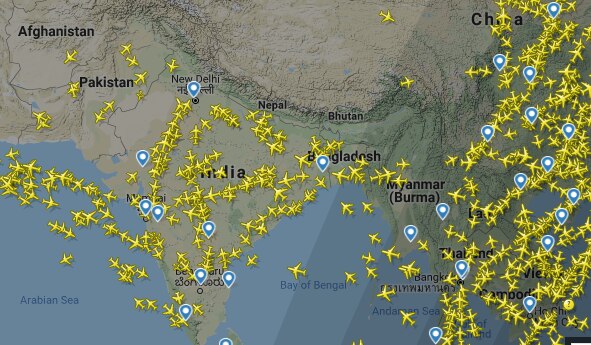
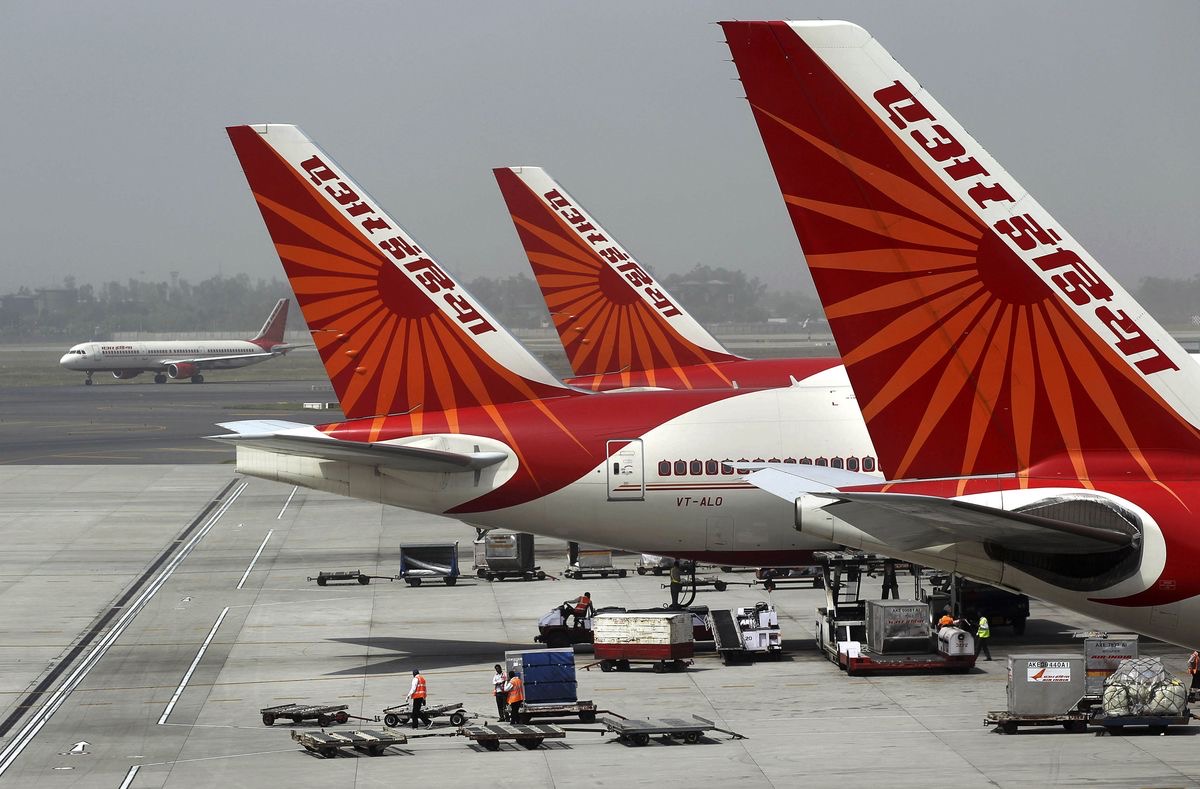
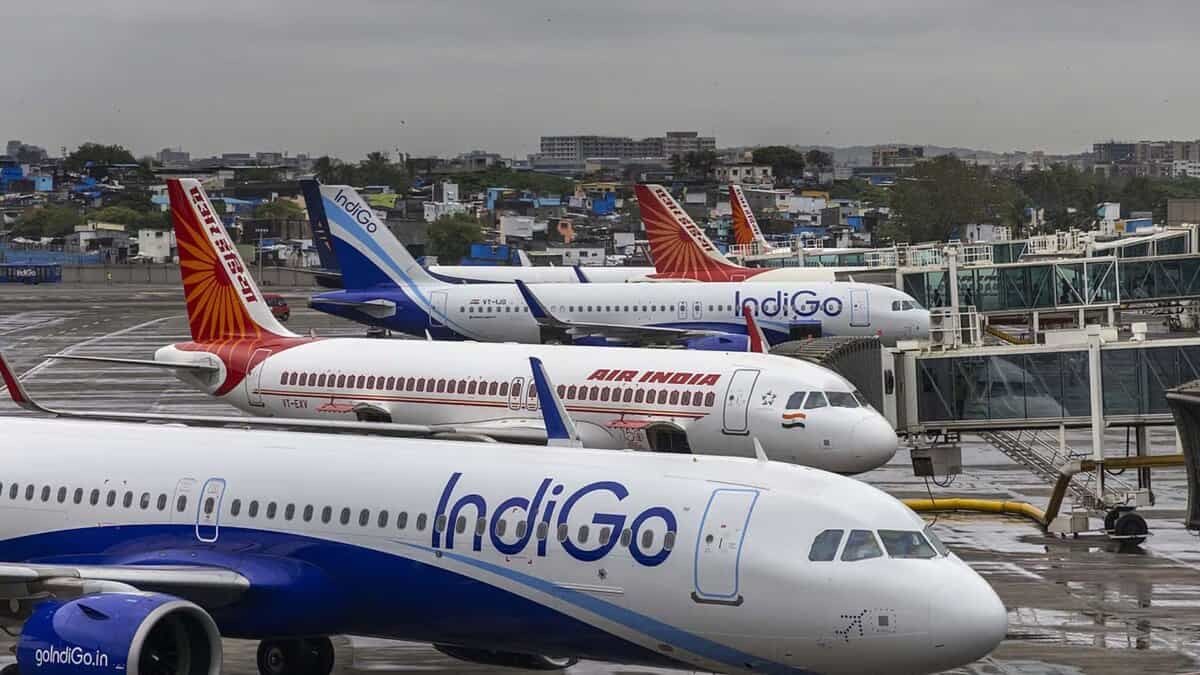
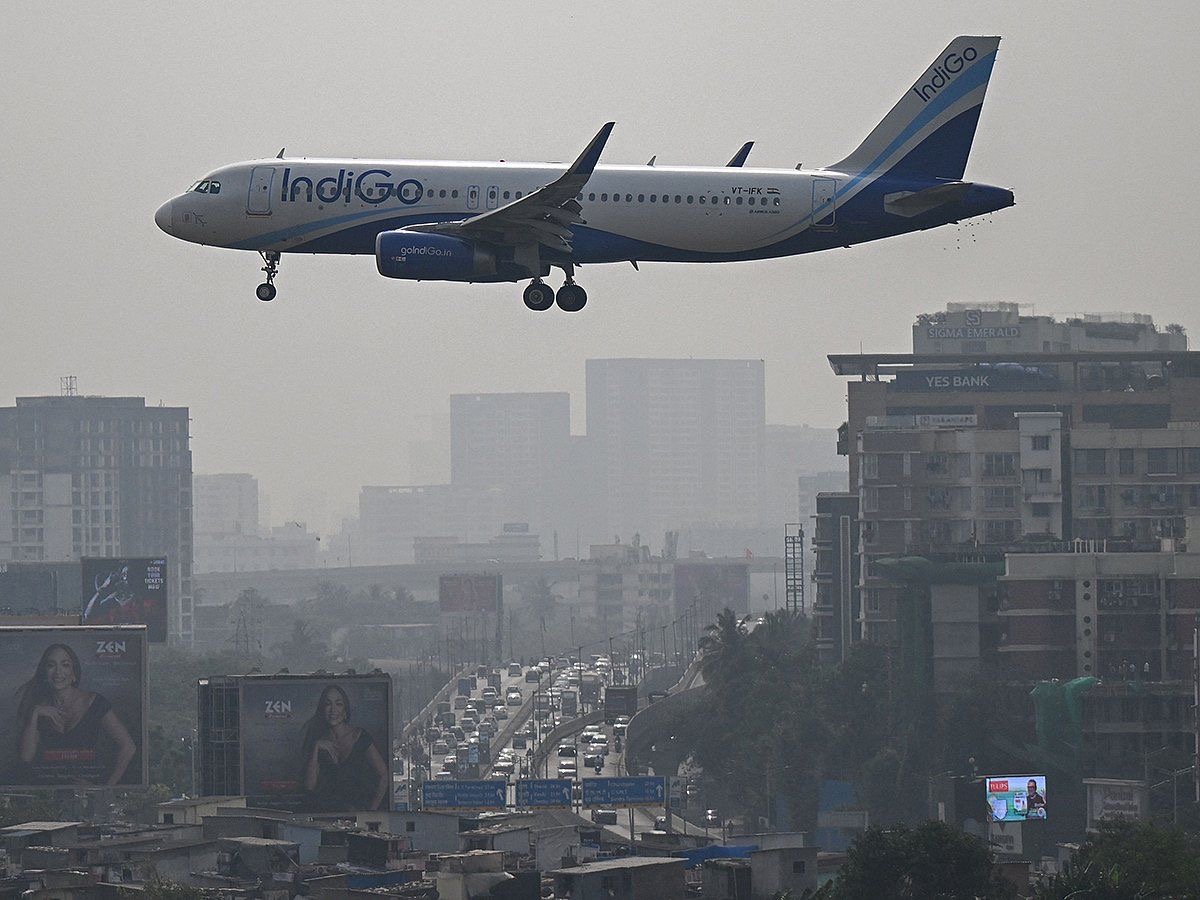
These interference events are no longer confined to areas traditionally associated with conflict. While GPS signal problems were once mainly recorded near the Middle East and Eastern Europe, pilots are now reporting similar issues over Asia and Latin America as well. Major Indian airports — including Delhi, Mumbai, Kolkata, Bengaluru, Hyderabad, Amritsar and Chennai — have all logged incidents in recent months, underlining the global nature of the challenge.
Experts stress that GPS interference should not be viewed simply as a technical glitch or isolated anomaly. At its core, spoofing represents a scenario where an aircraft’s navigation system can be fed misleading satellite data — effectively tricking it about its true position. By contrast, jamming overwhelms the signal entirely, depriving a receiver of usable satellite information. Both can reduce situational awareness and increase the workload on pilots and air traffic controllers, especially during critical phases of flight.
According to IATA’s senior safety officials, these incidents are rarely deliberate attacks on civil aviation. Rather, they are often a by-product of broader military activities in certain regions, or unintentional electromagnetic interference that spills over into civilian airspace. Nevertheless, the impact on flight operations is real. In response, industry bodies are urging stronger coordination between airlines, national regulators and military authorities to improve monitoring, communication and mitigation efforts around sensitive airspace.
In India, the Directorate General of Civil Aviation (DGCA) has already taken steps to better track and respond to GPS interference. Since late 2023, airports across the country have reported nearly two thousand interference cases affecting aircraft navigation systems, leading regulators to issue advisories and mandating rapid reporting of spoofing or jamming events when they occur.
Despite the rise in these incidents, IATA officials are keen to reassure travellers that modern aircraft are equipped with multiple redundant navigation systems. Pilots are trained to cross-check data and switch to alternative navigation aids when GPS signals behave abnormally. As IATA’s leadership has emphasised, the current trend is a safety concern that merits attention, but it is not something that should deter travellers from flying.