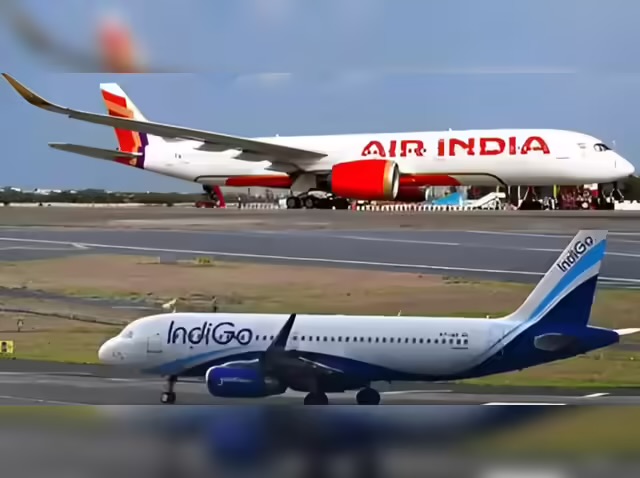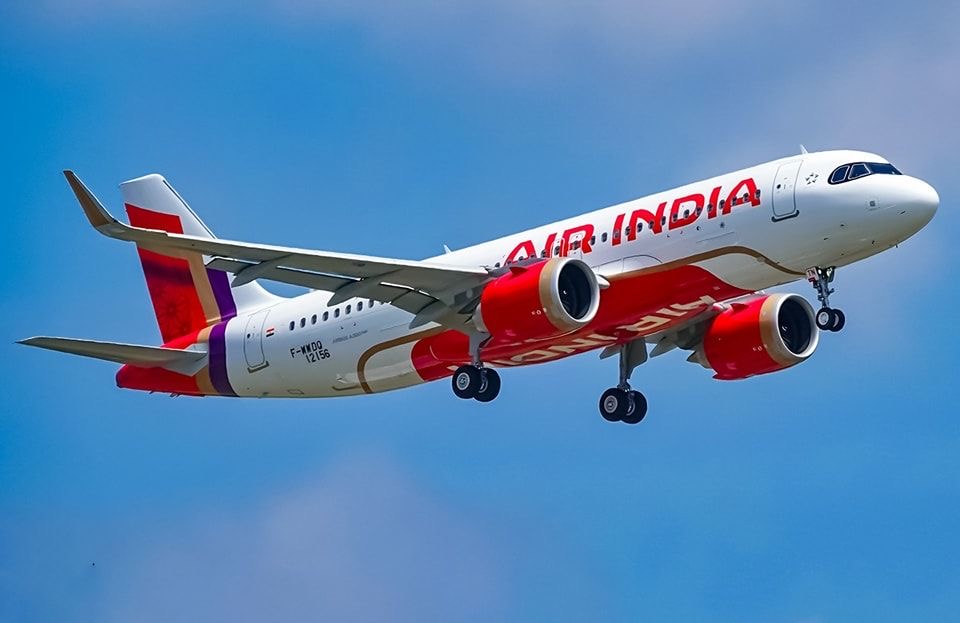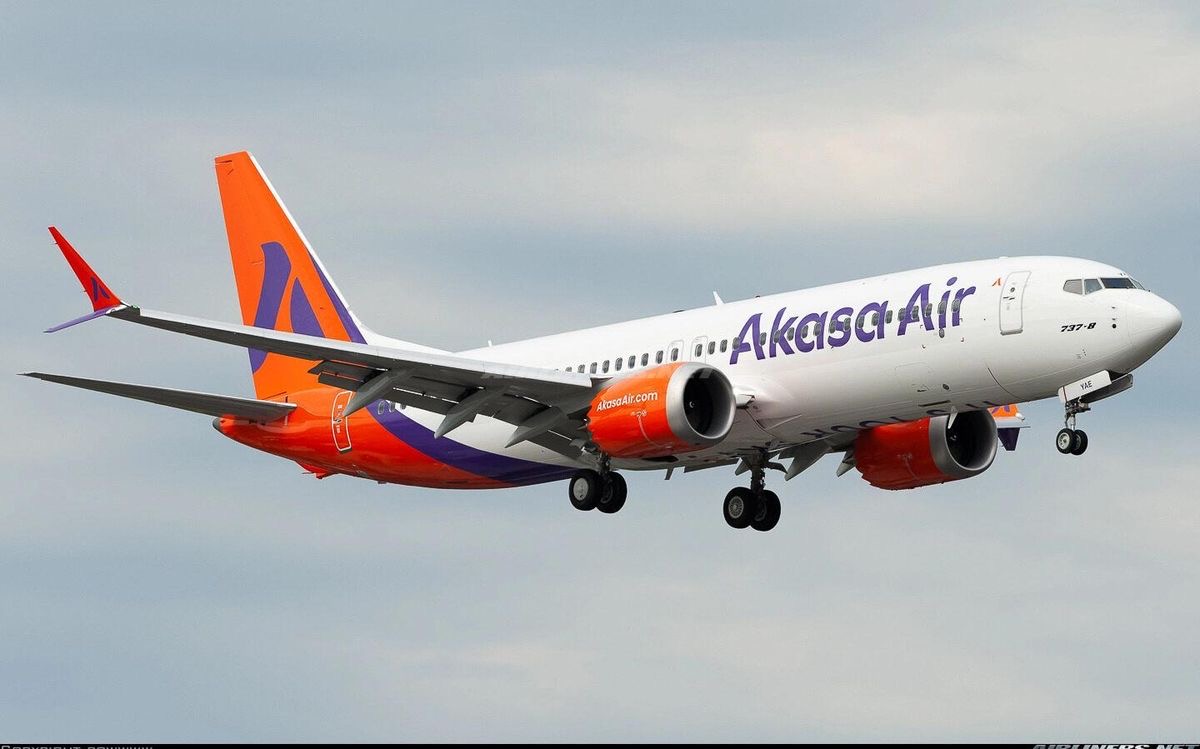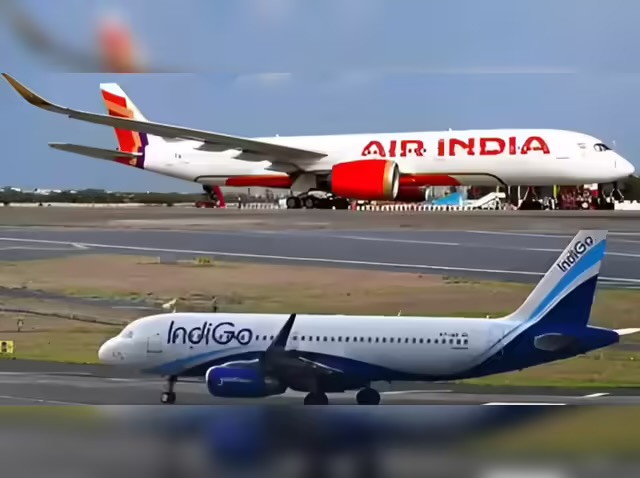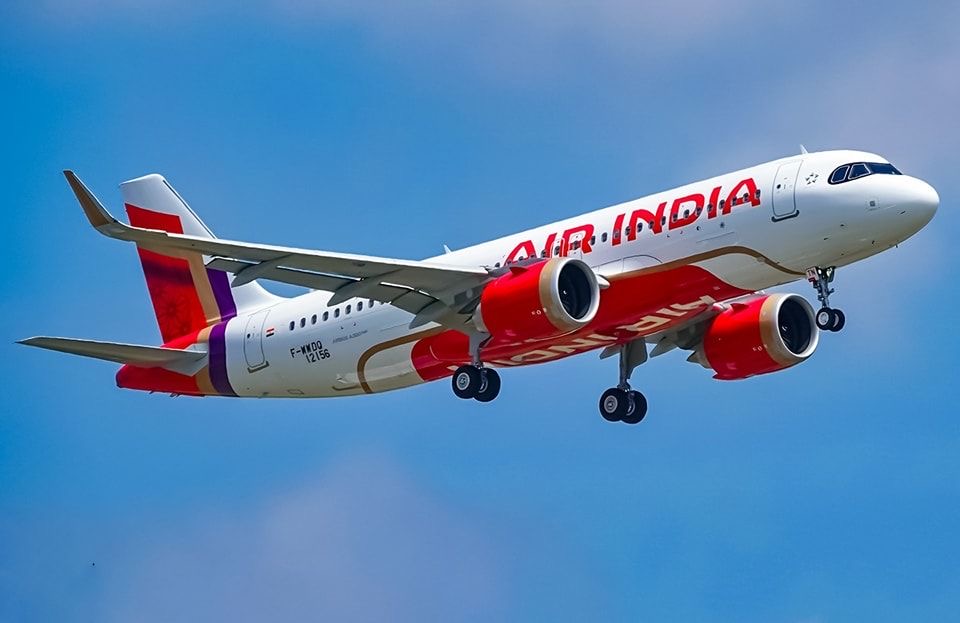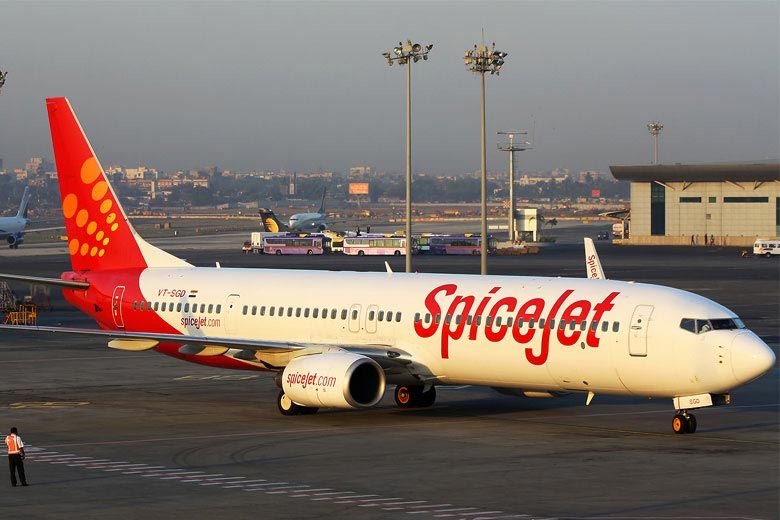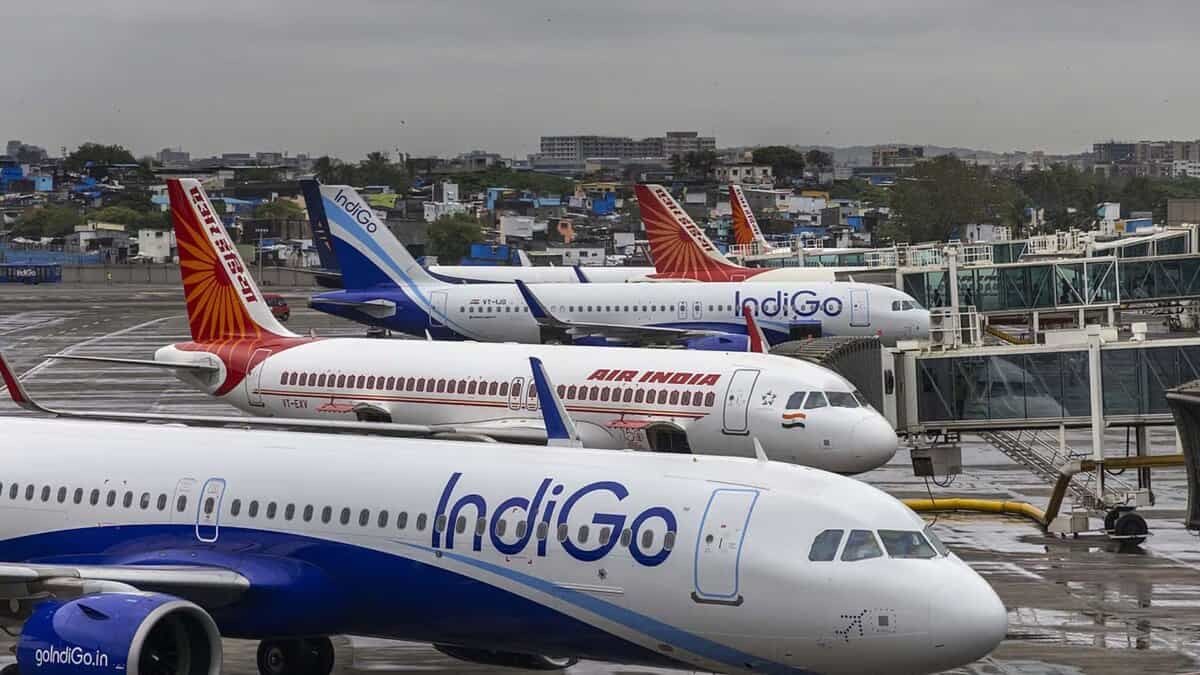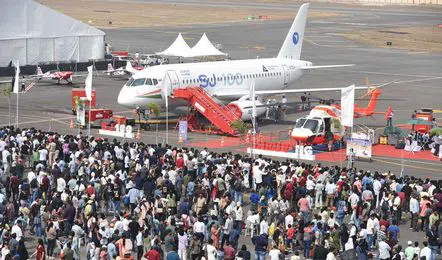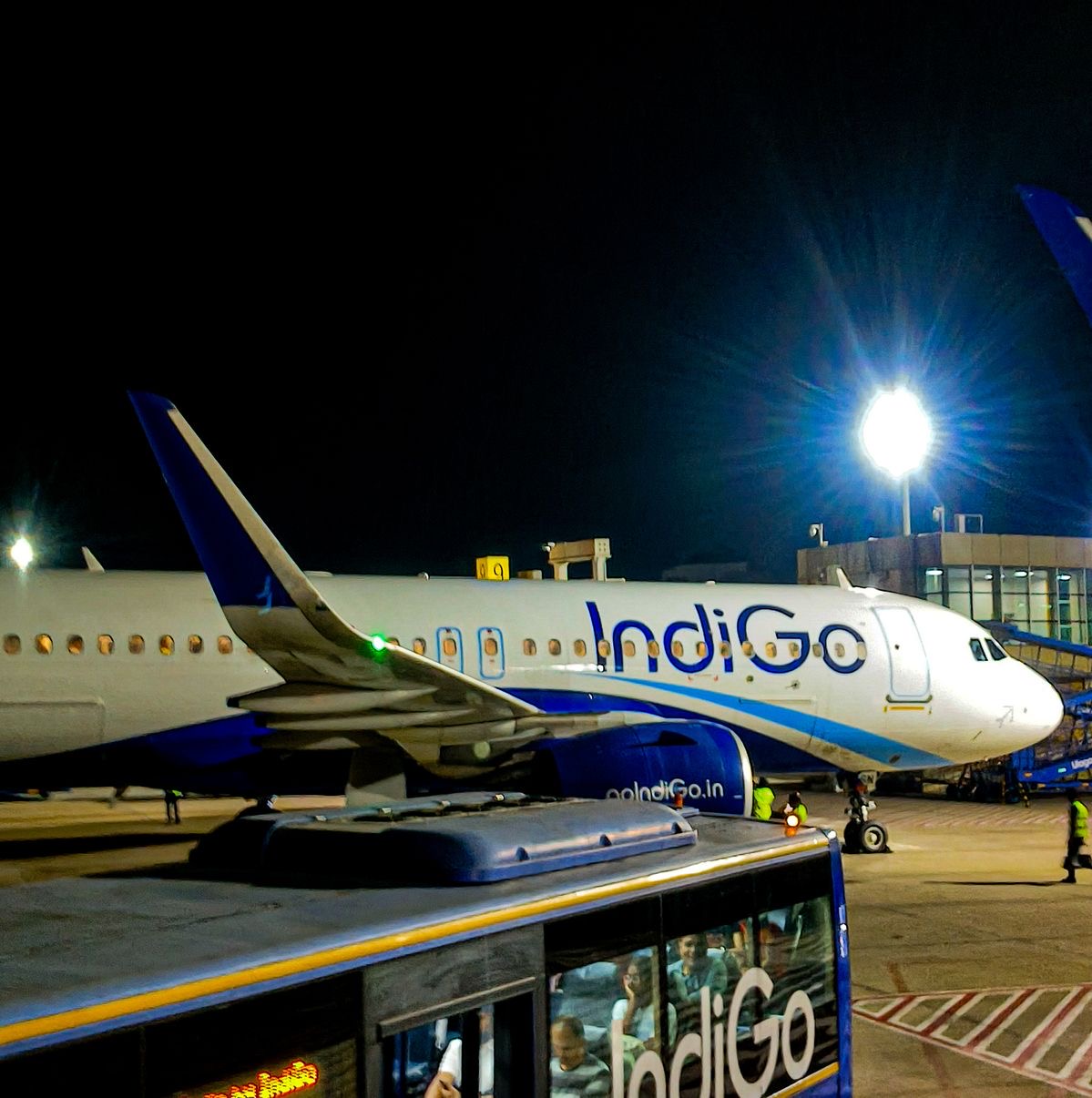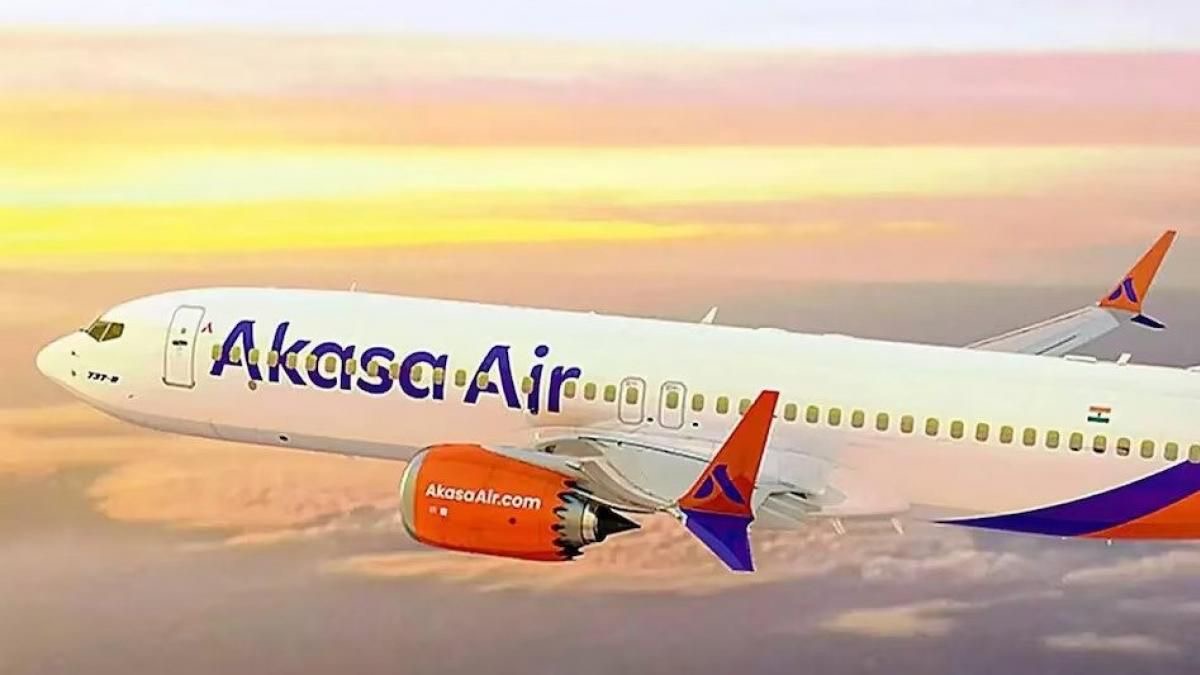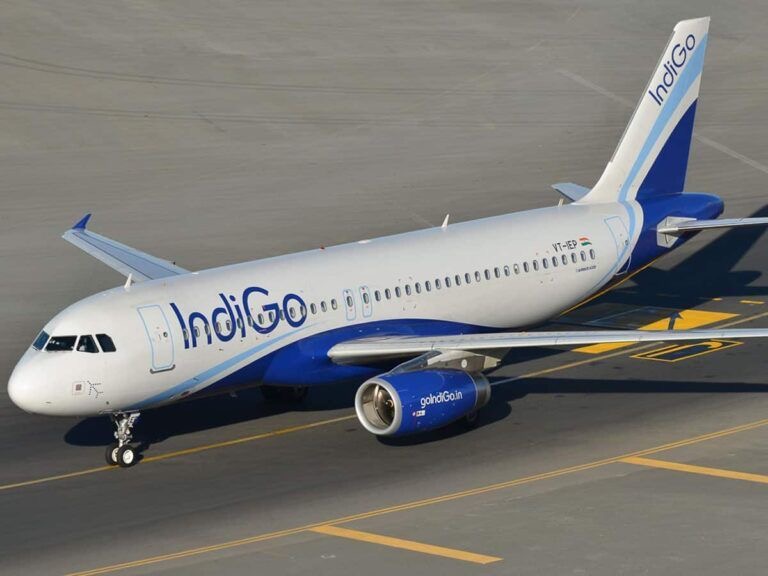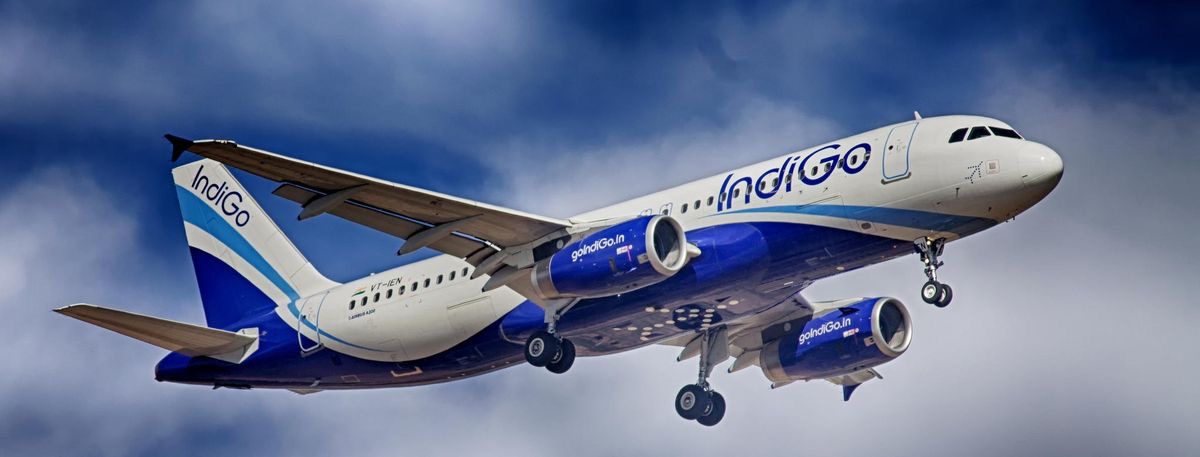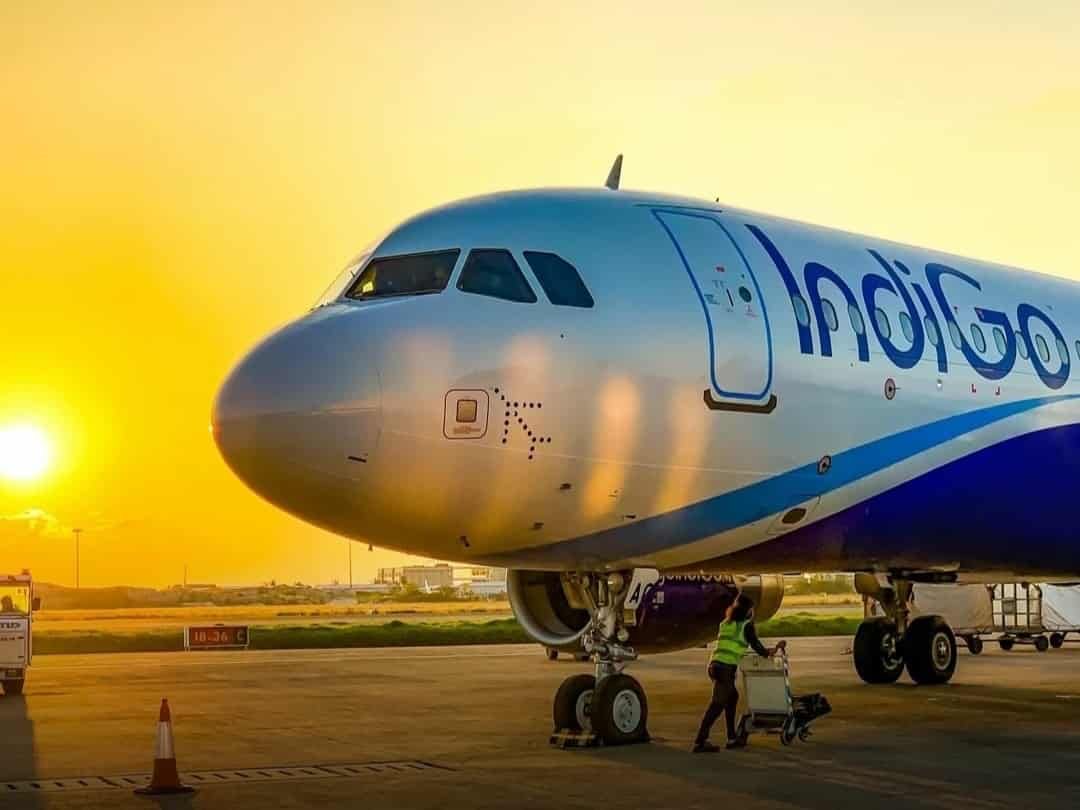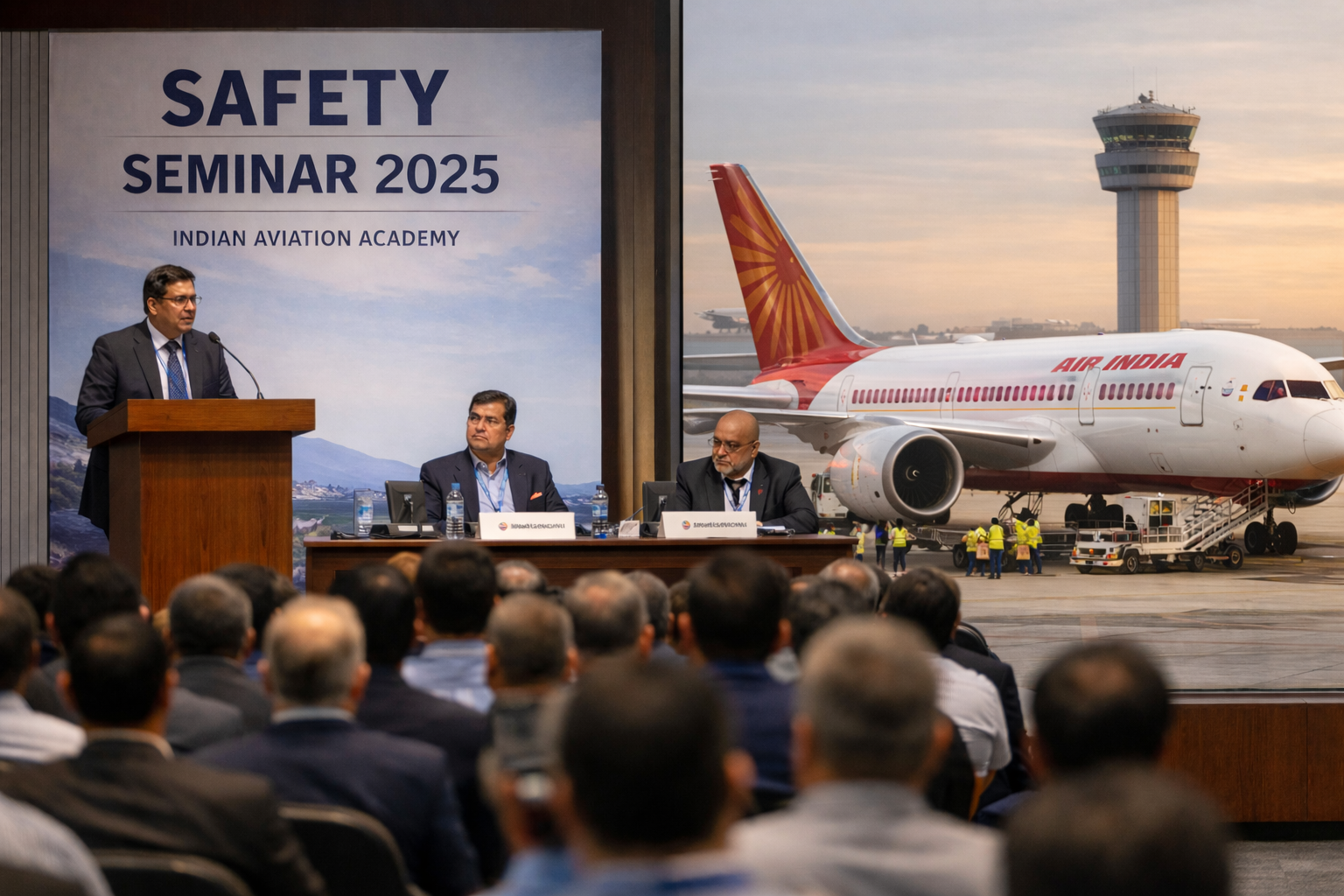
At Wings India 2026, held in Hyderabad, India’s civil aviation sector showcased a decisive shift in its global role, moving beyond being one of the world’s largest aircraft buyers to positioning itself as a comprehensive global aviation powerhouse. The event brought together airline leaders, aircraft manufacturers, policymakers, aerospace firms and international delegations, reflecting the growing scale and ambition of India’s aviation ecosystem.
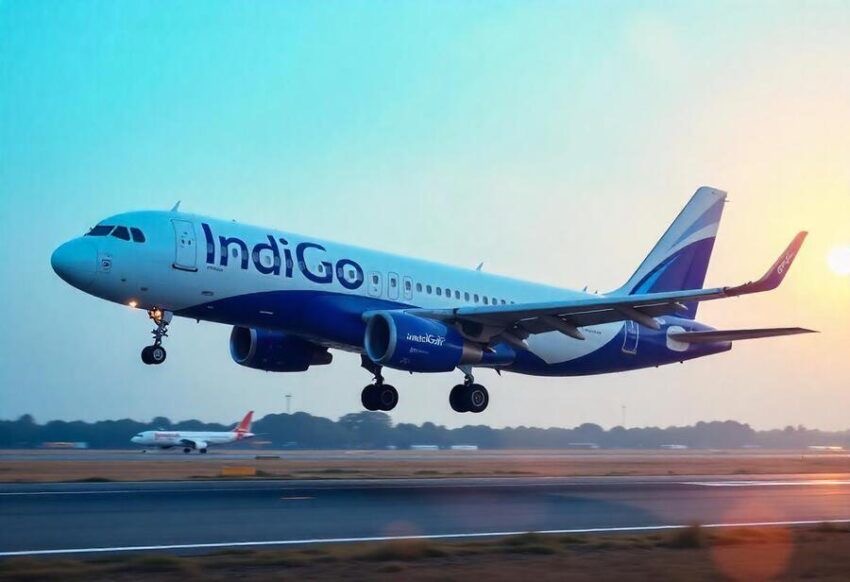
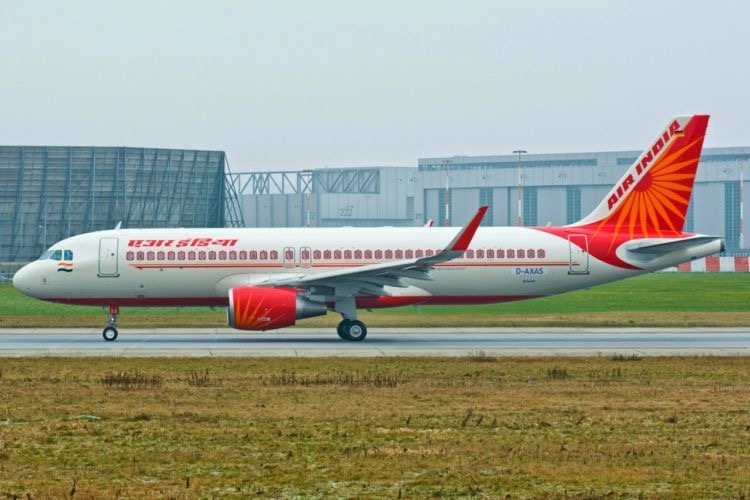
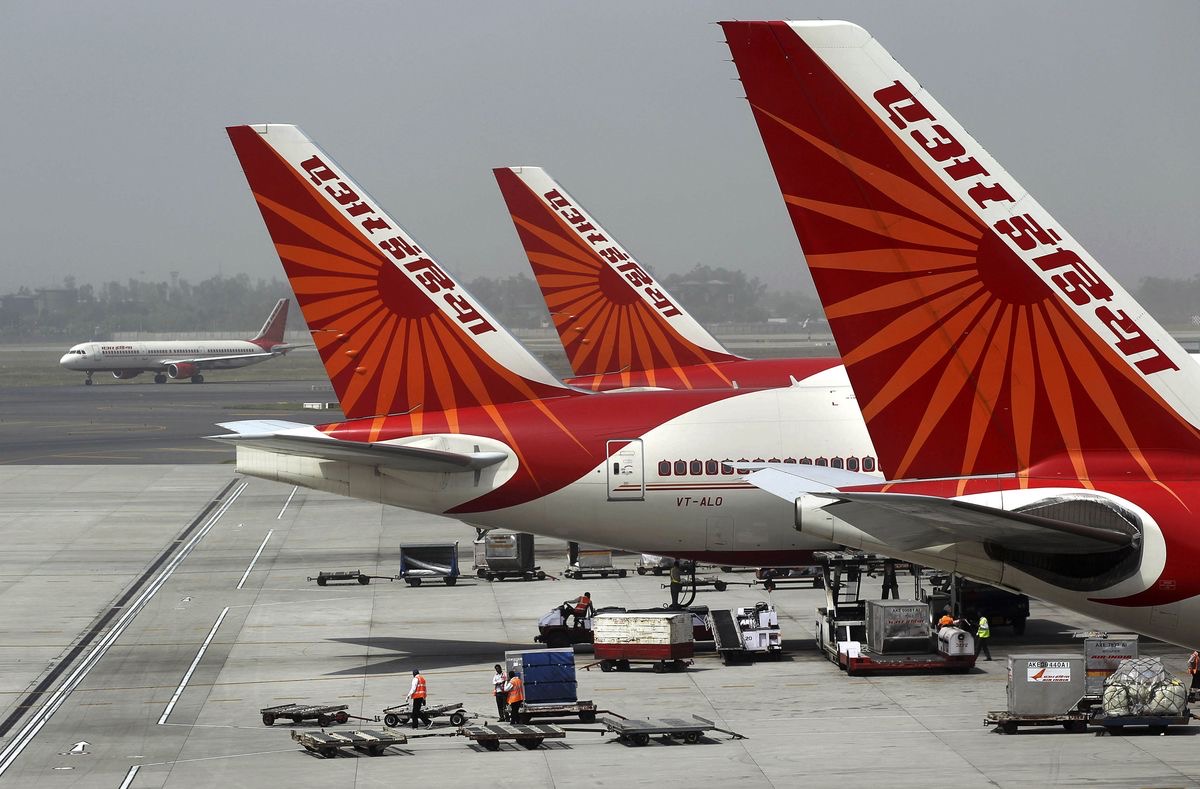
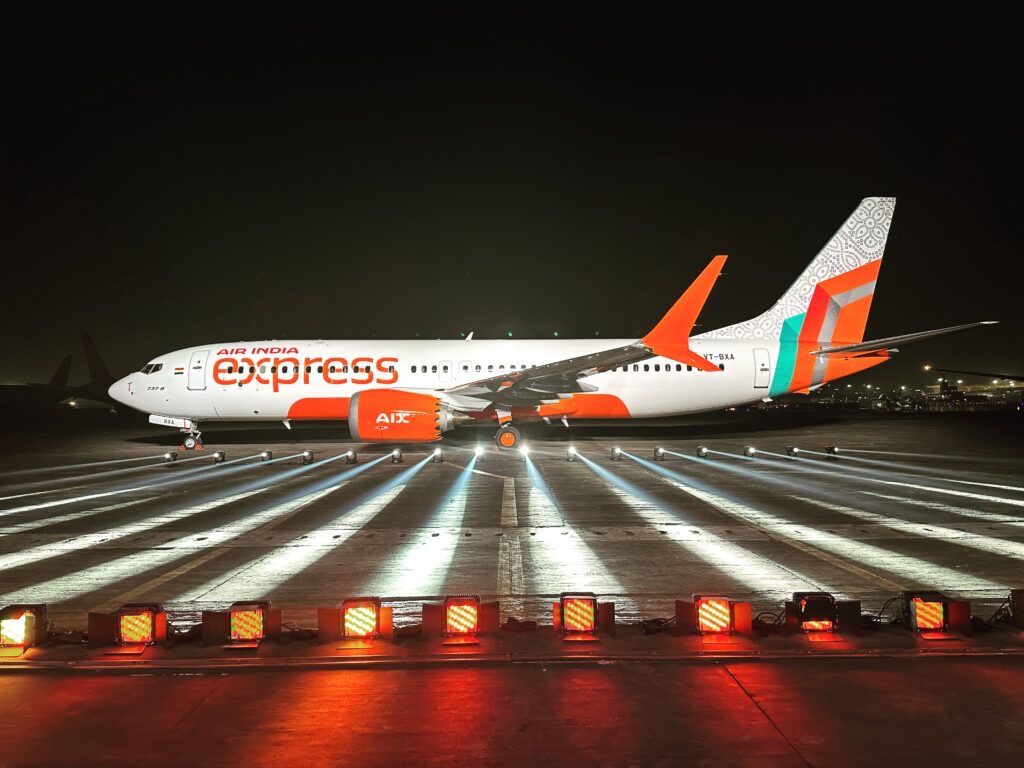
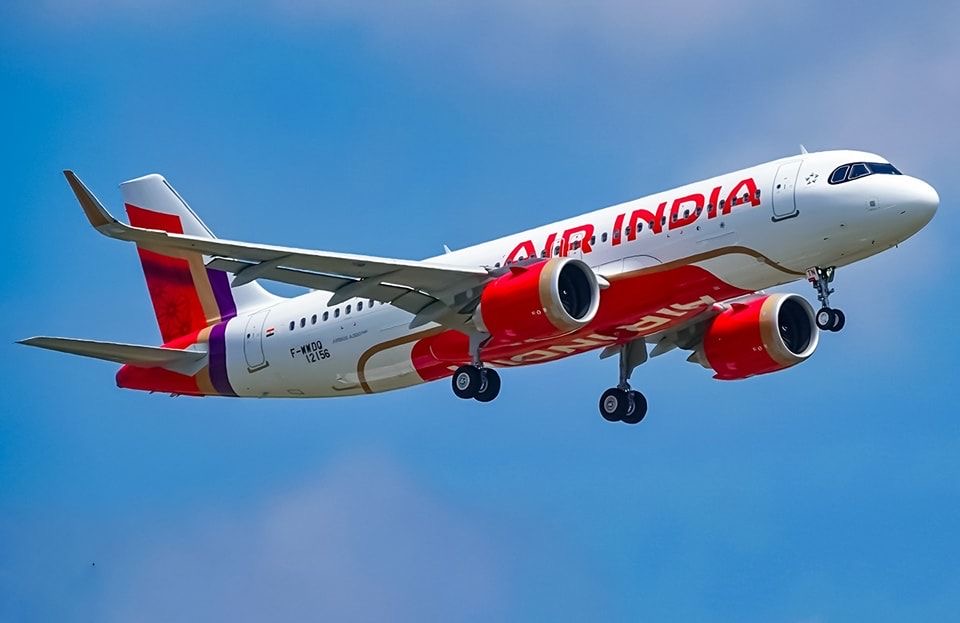
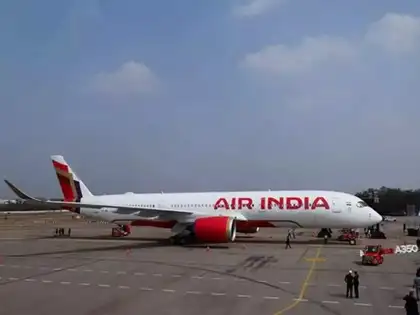
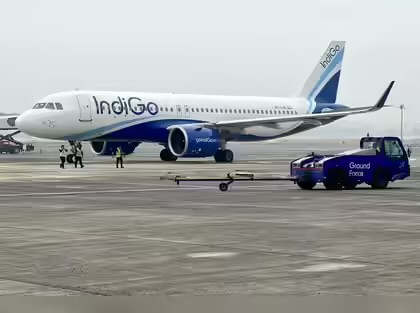
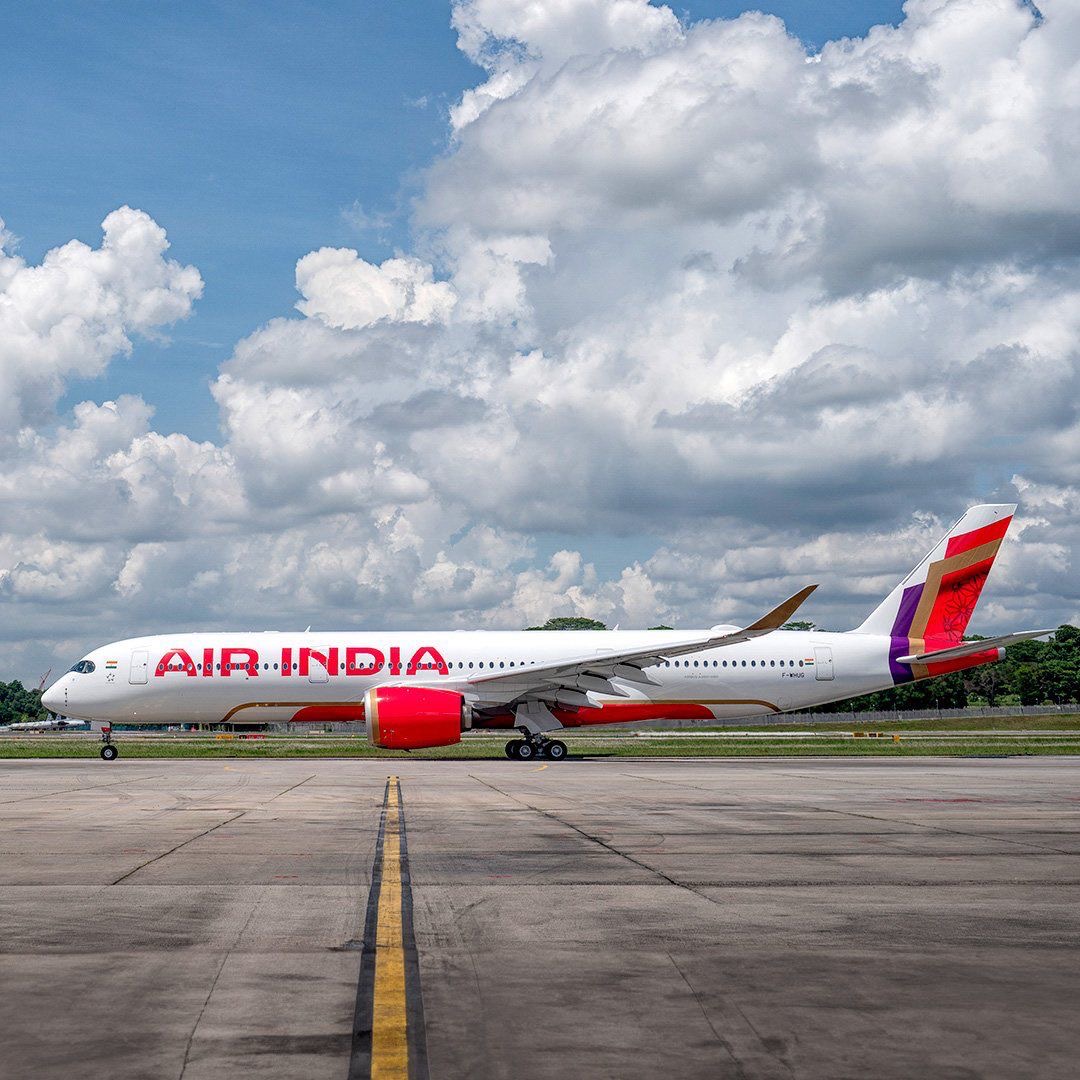
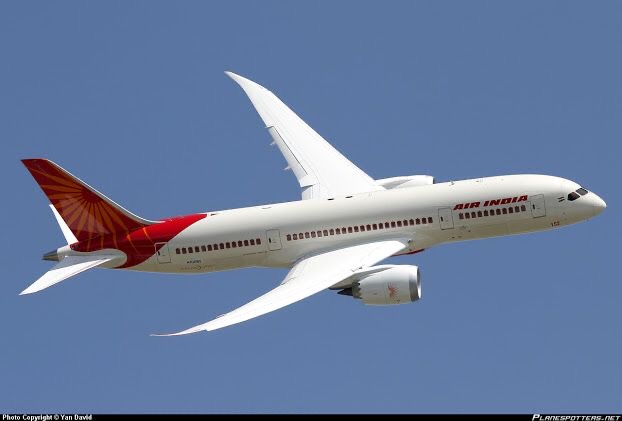
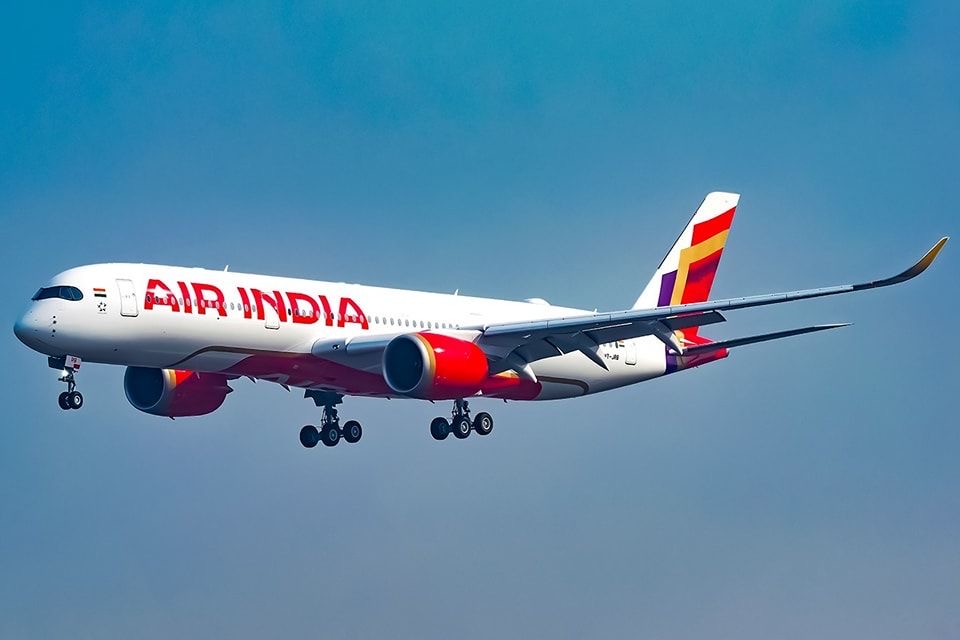
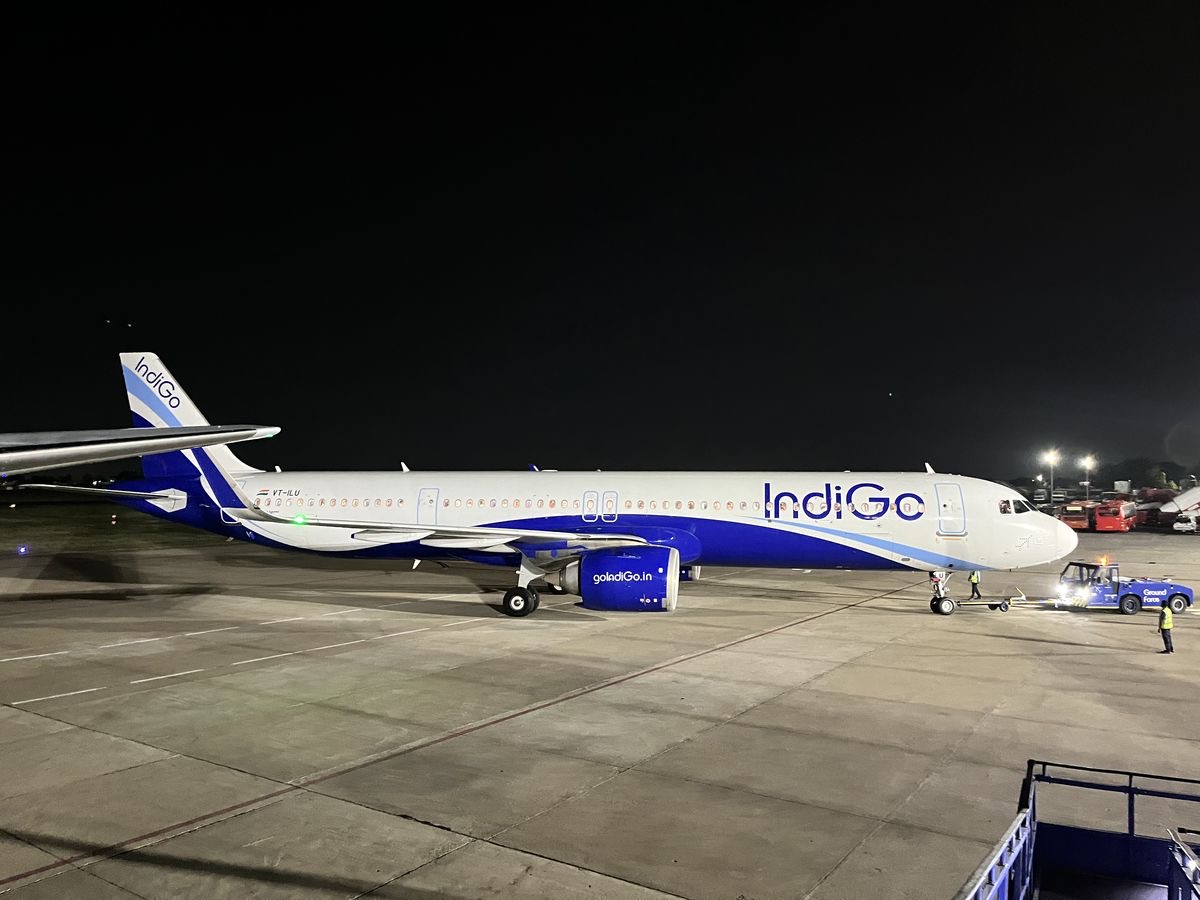
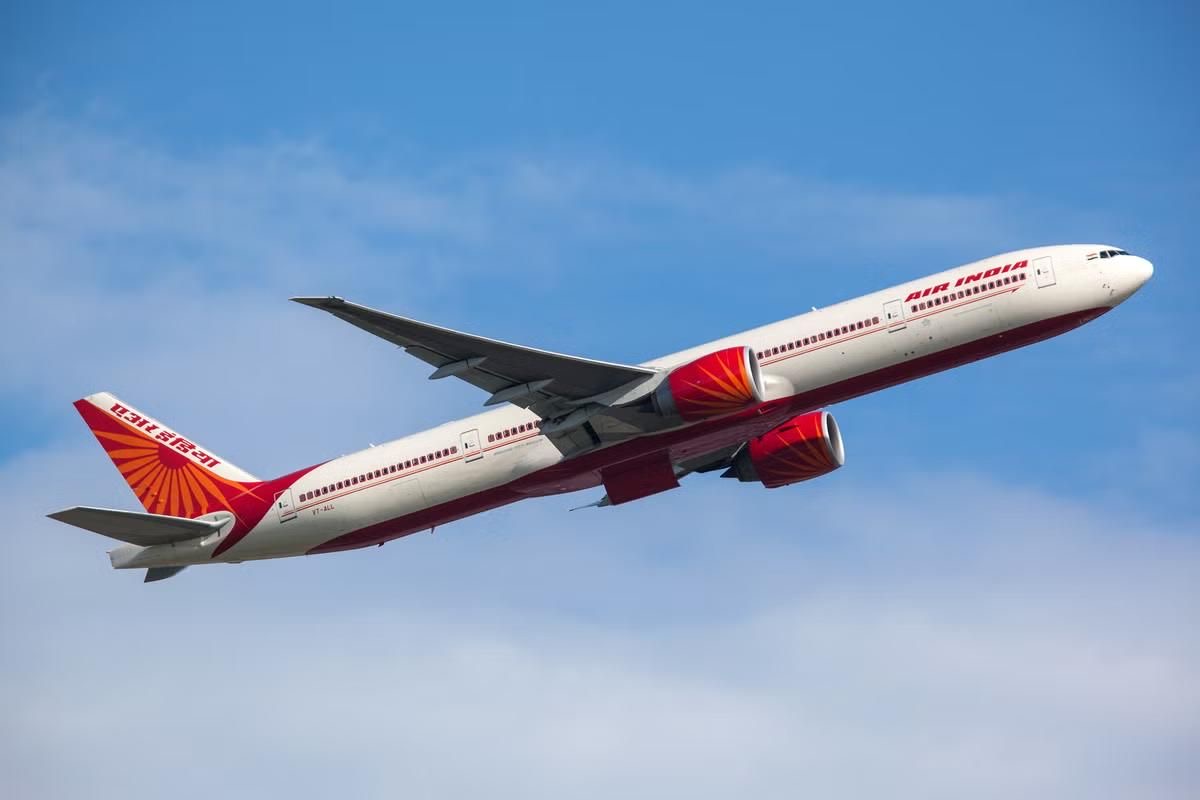
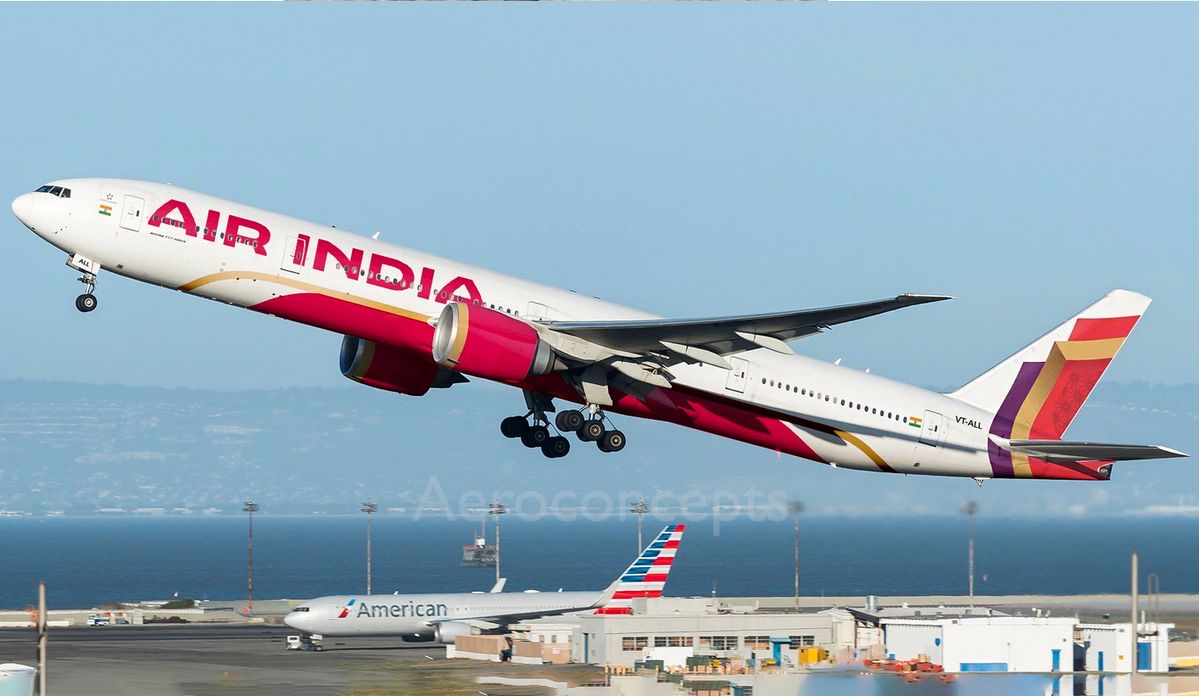
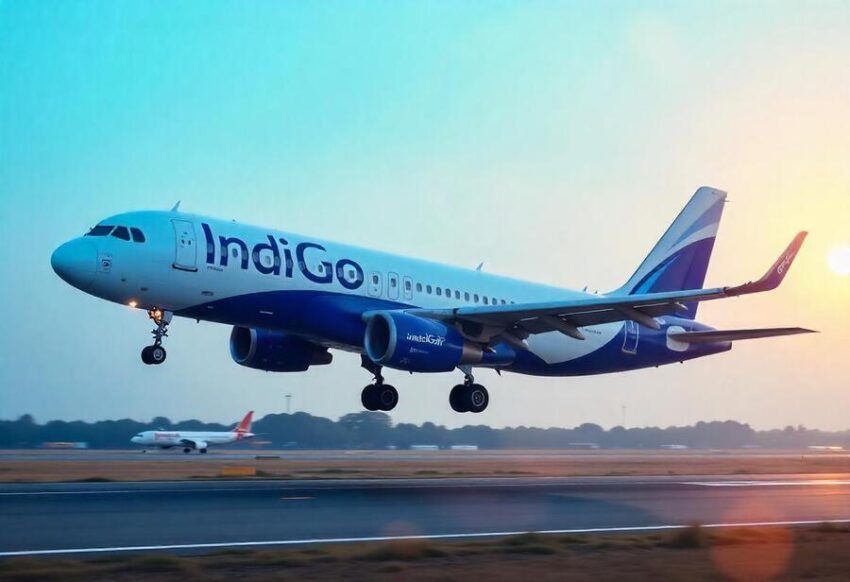
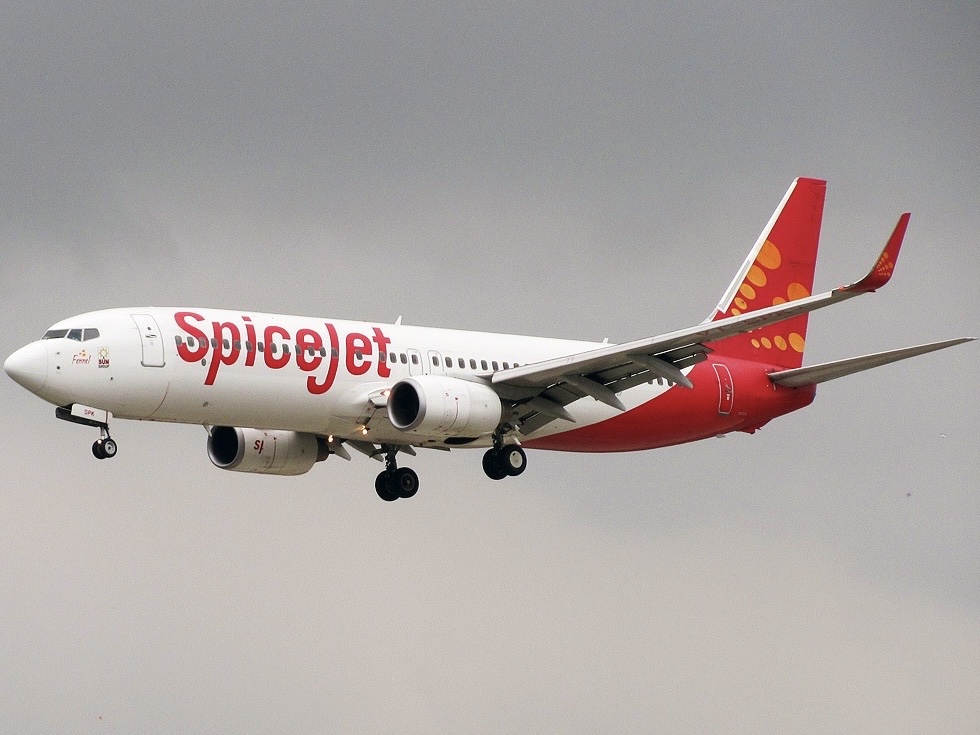
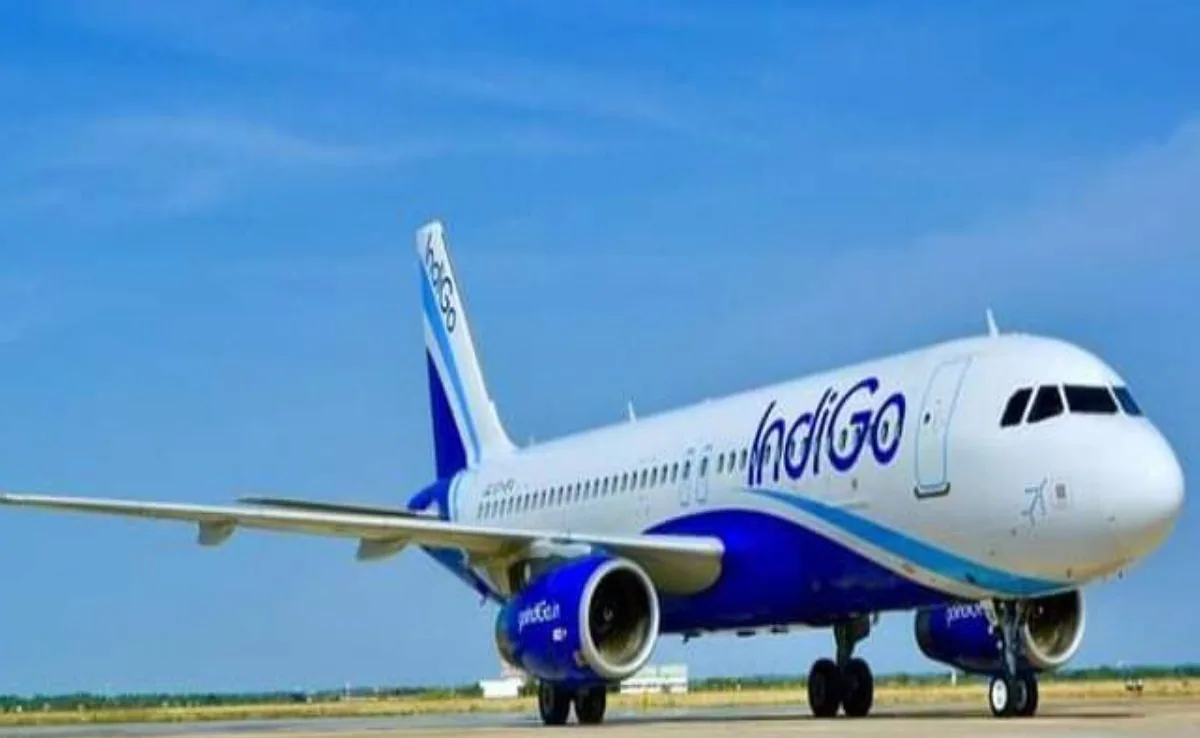
A central theme of the event was fleet expansion aligned with long term growth. Indian carriers reinforced their confidence in future demand by announcing additional aircraft commitments and deeper partnerships with global manufacturers. These moves underline how India’s airline market is no longer driven solely by volume growth but by strategic planning for international reach, efficiency and sustainability.
Alongside fleet expansion, Wings India 2026 placed strong emphasis on local manufacturing and assembly. Discussions and agreements focused on bringing aircraft production, component manufacturing and final assembly closer to Indian soil. This push supports the broader national objective of building domestic aerospace capability and reducing dependence on imports while creating skilled jobs across the value chain.
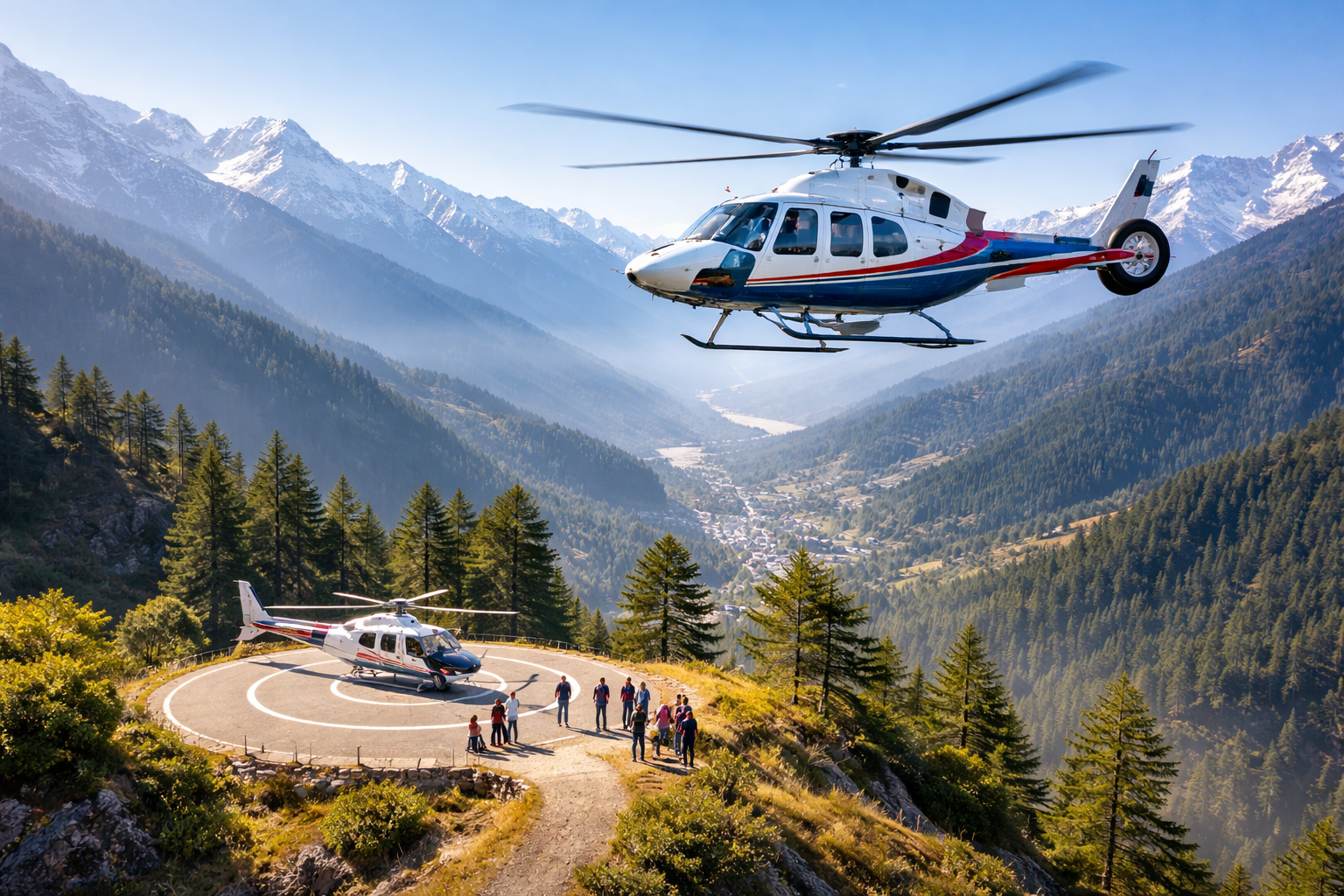
The event also highlighted India’s progress in helicopter manufacturing, maintenance and overhaul services, and regional aviation. Indigenous platforms and advanced rotorcraft programmes featured prominently, signalling the country’s expanding competence in both fixed wing and rotary wing segments for civil use.
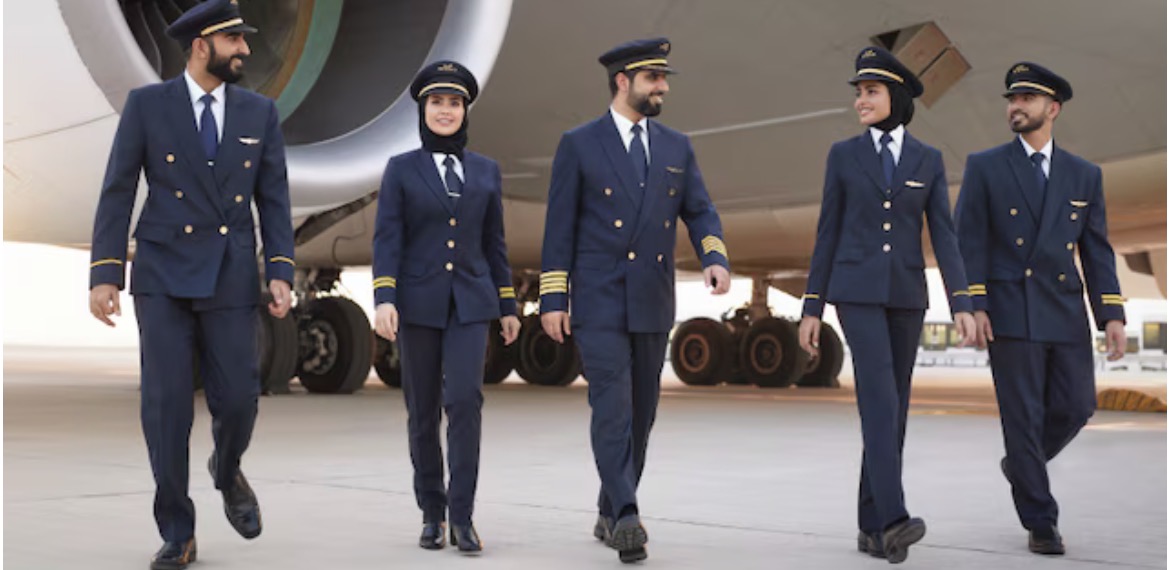
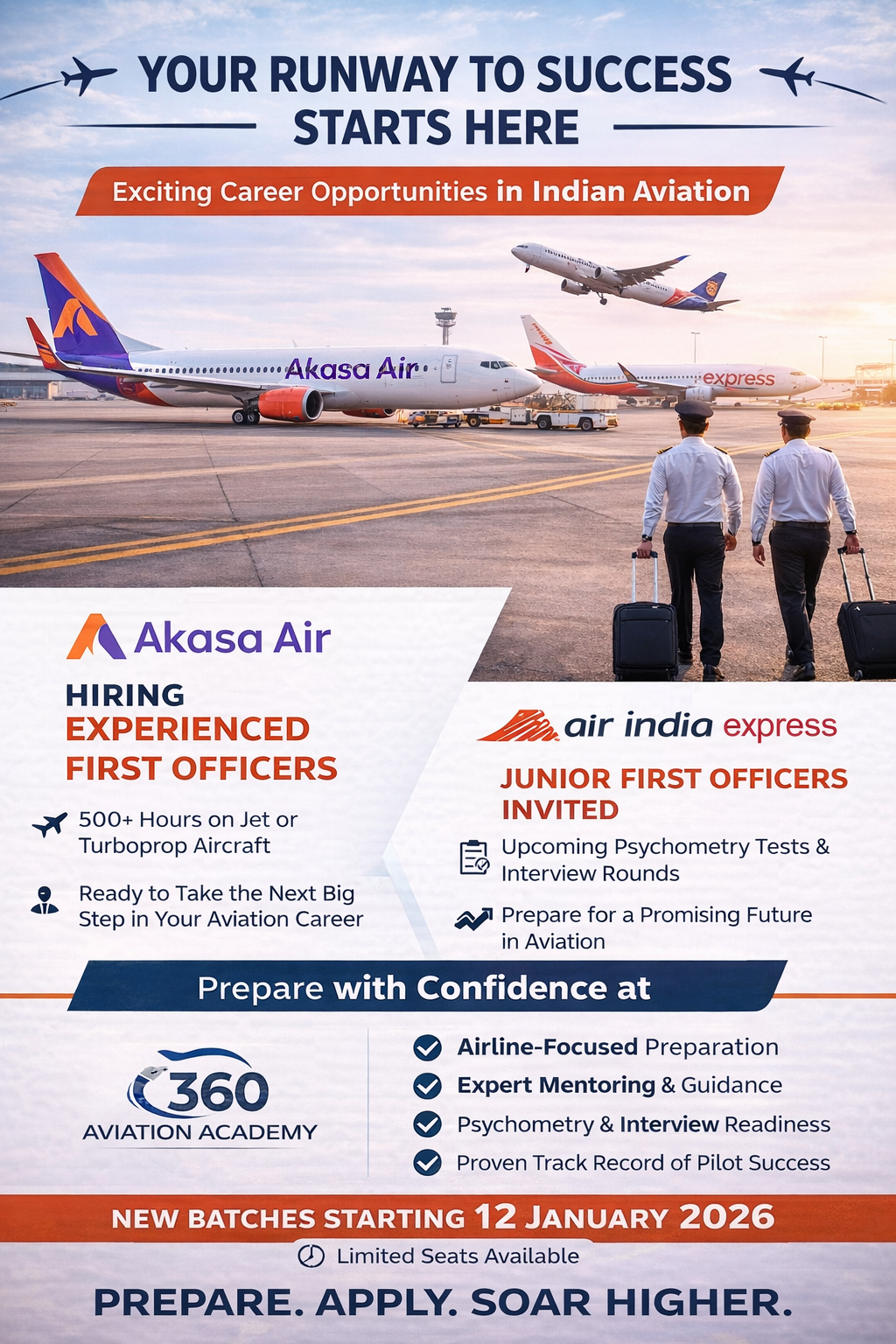
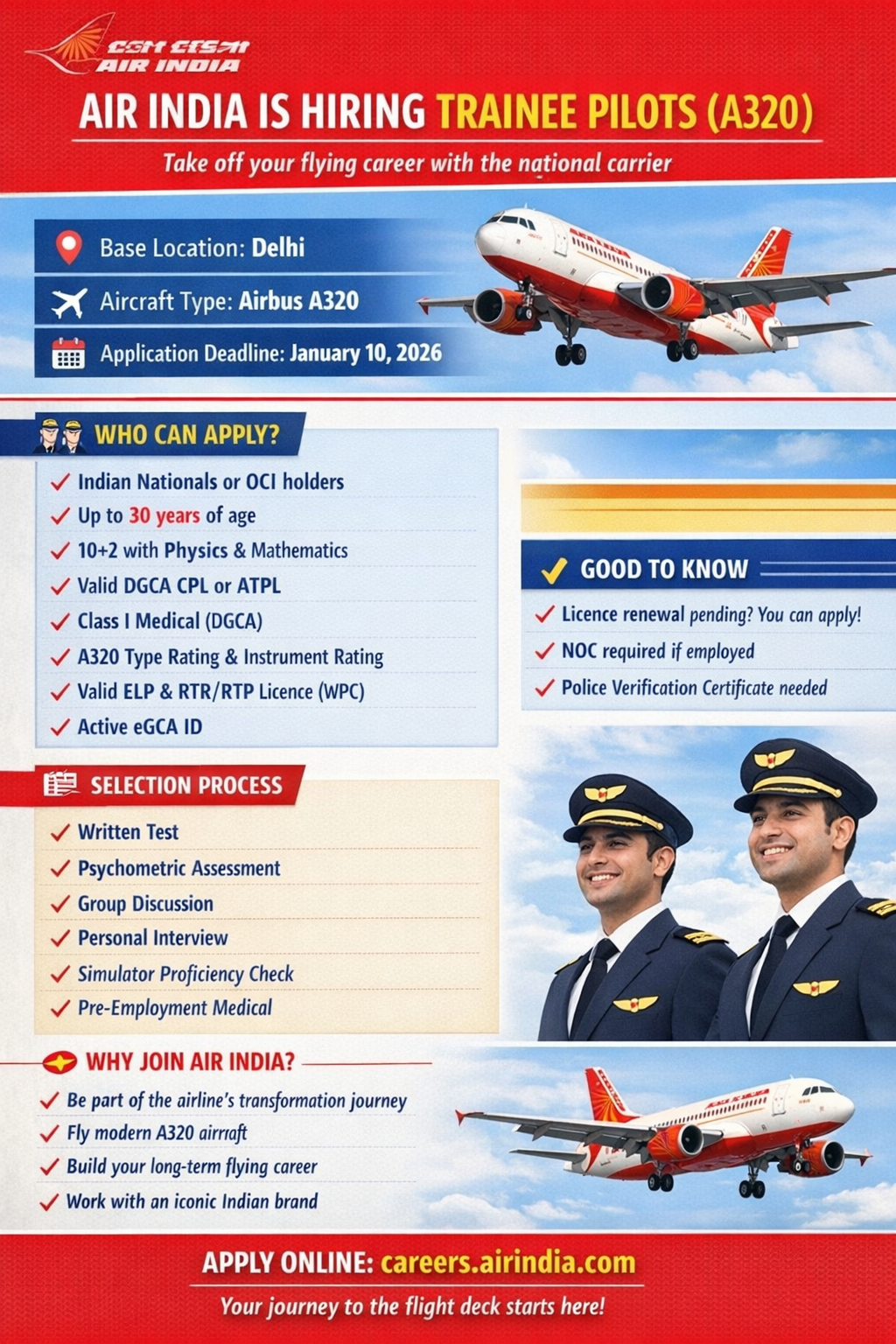
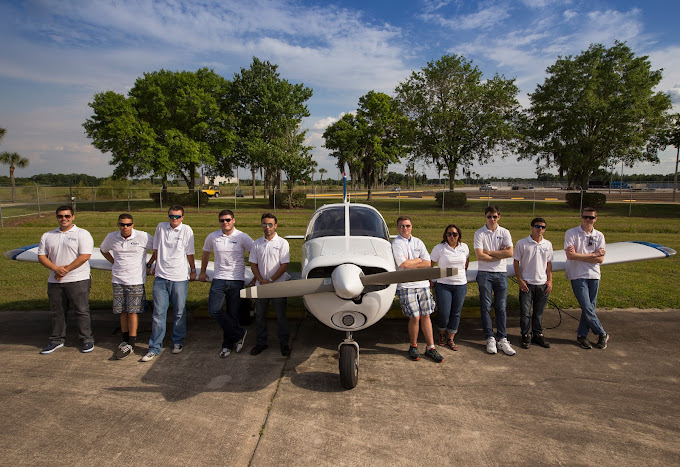
Human capital development emerged as another key pillar. Industry leaders stressed the importance of pilot training, aircraft maintenance engineering, air traffic management and aviation leadership programmes to support rapid sector growth. Collaborations with global aviation bodies were highlighted as critical to aligning Indian aviation talent with international standards.
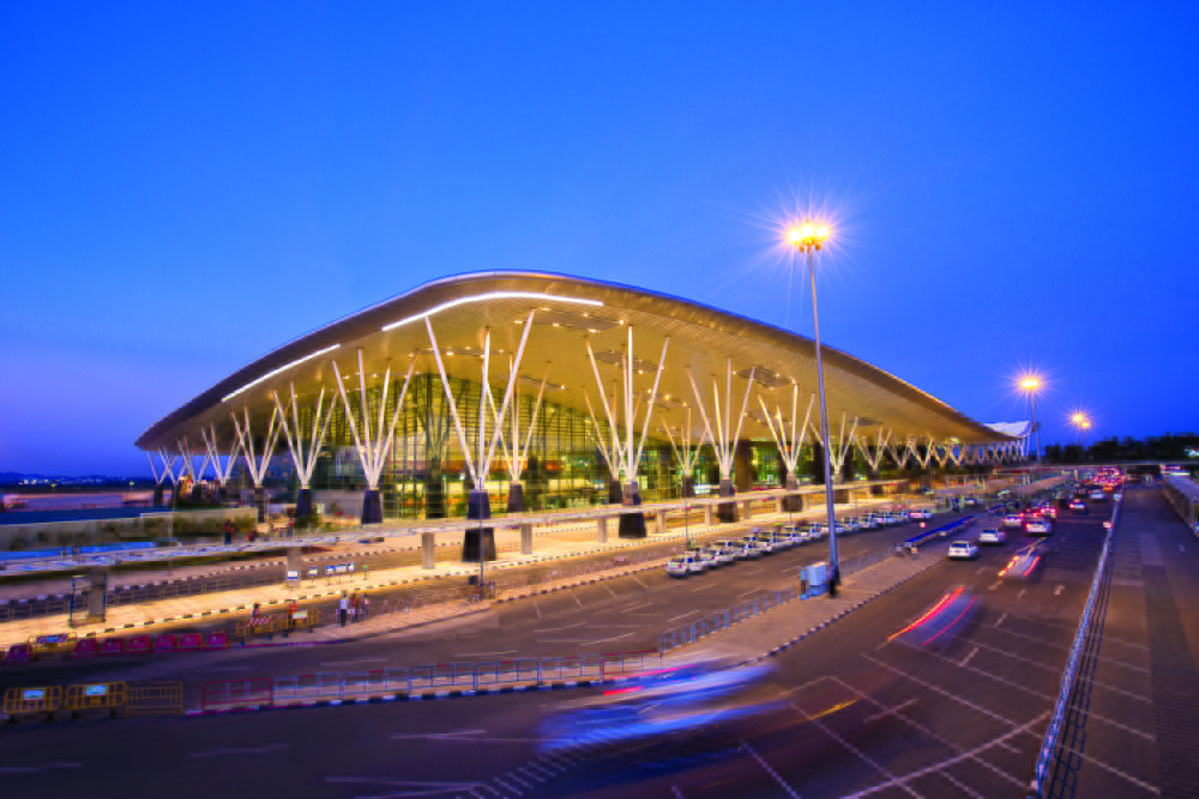
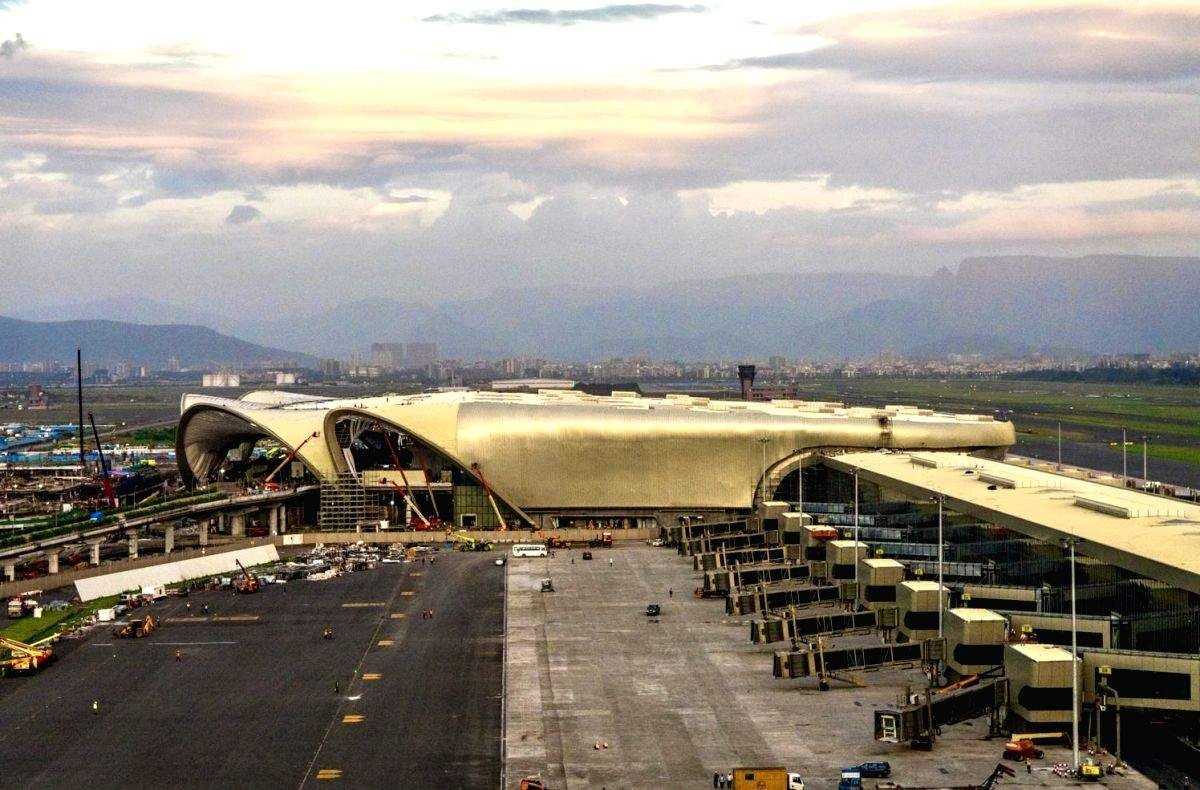
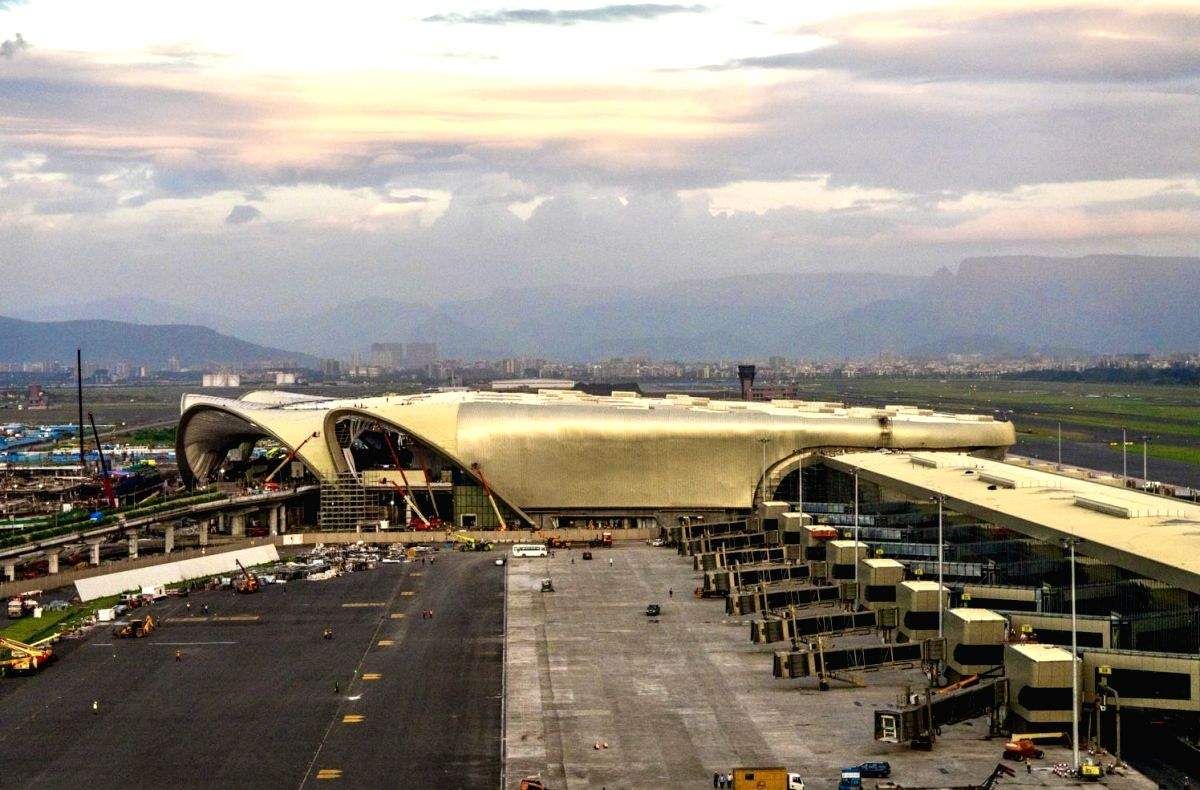
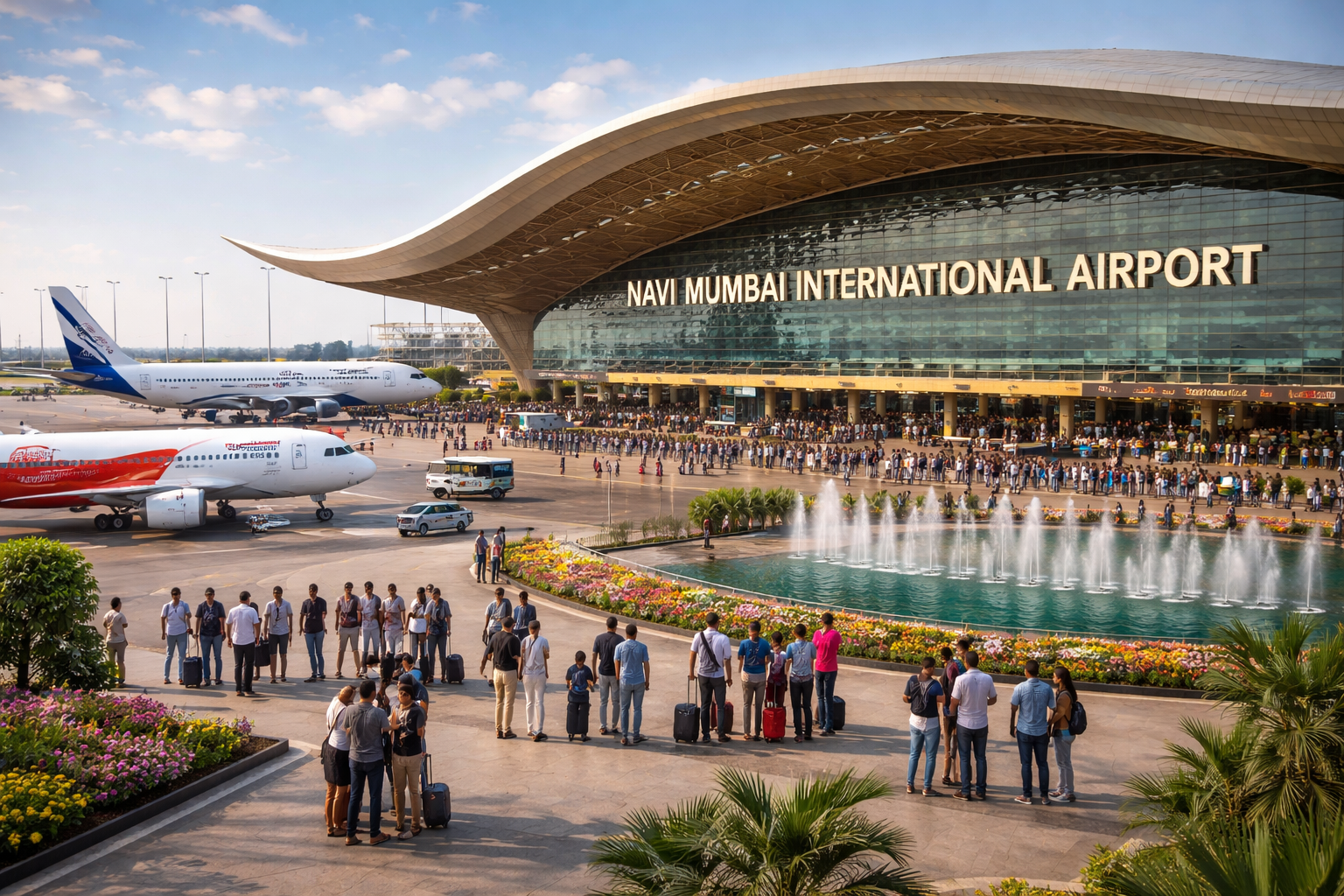
Government representatives at the event emphasised that policy reforms, infrastructure investment and regulatory modernisation have played a vital role in enabling this transformation. Airport development, airspace optimisation and improved ease of doing business were cited as enablers that have attracted global partnerships and long term investment into Indian aviation.
Wings India 2026 also celebrated operational excellence across airlines, airports and service providers, recognising achievements in connectivity, customer experience and efficiency. These acknowledgements reflected how India’s aviation growth is being matched by improvements in quality and reliability.
Taken together, the announcements, partnerships and discussions at Wings India 2026 reinforced a clear message: India is evolving into a full spectrum aviation hub, encompassing airlines, manufacturing, services, training and innovation. The country’s aviation story is no longer just about buying aircraft, but about shaping the future of global civil aviation through scale, capability and strategic vision.