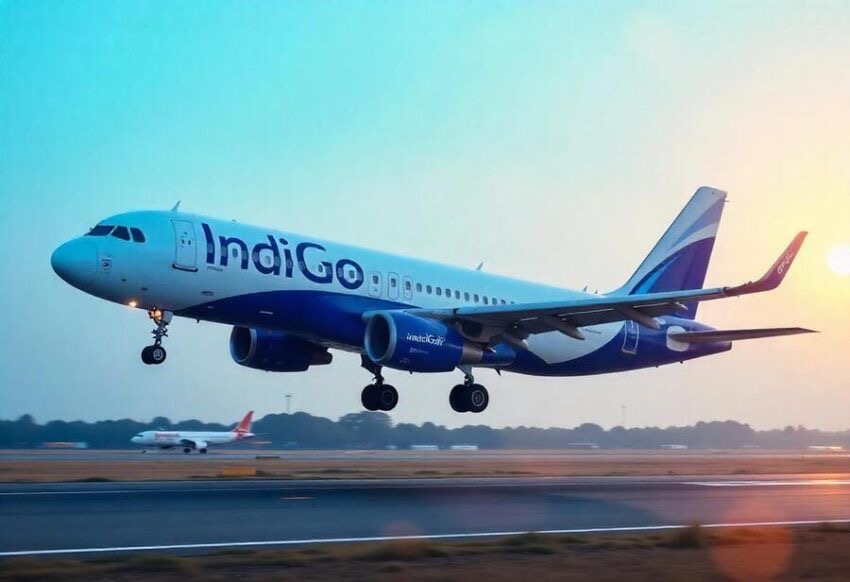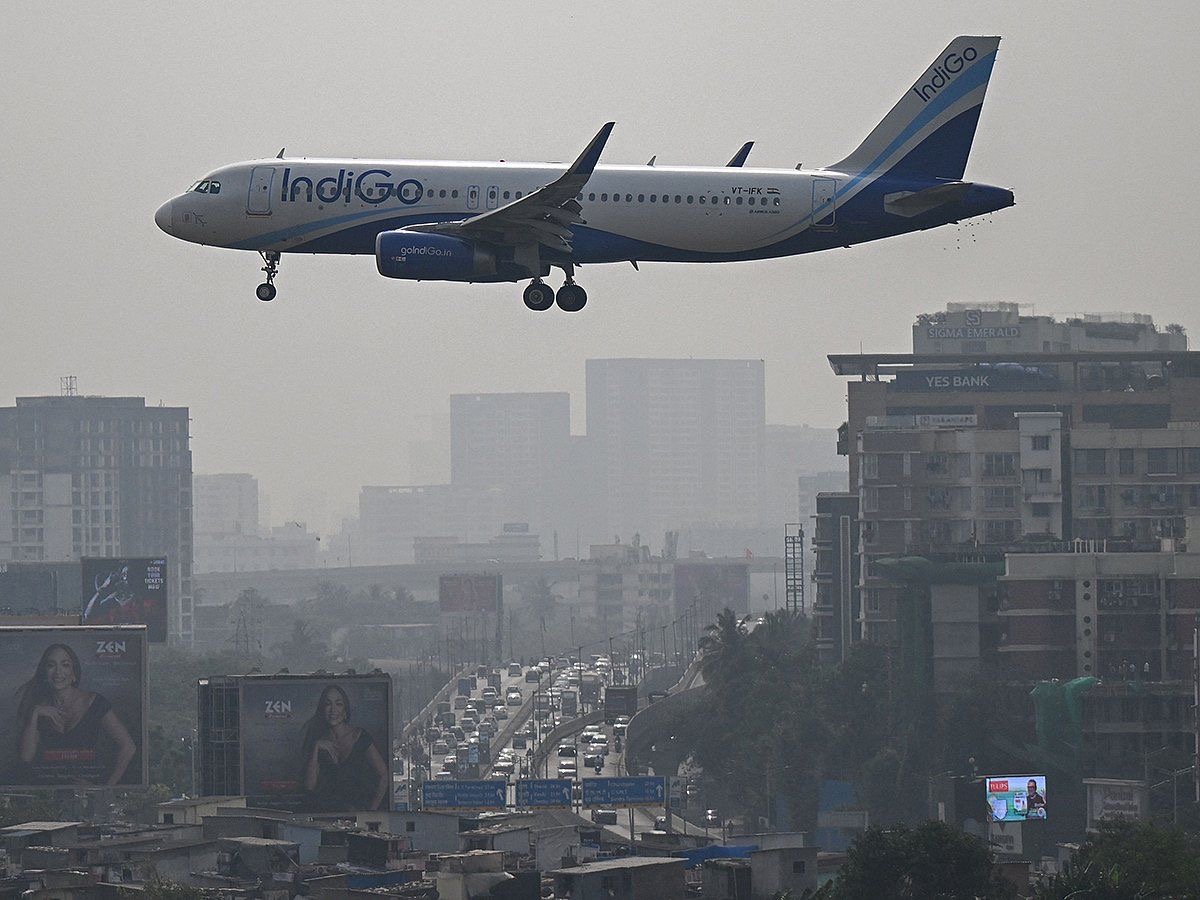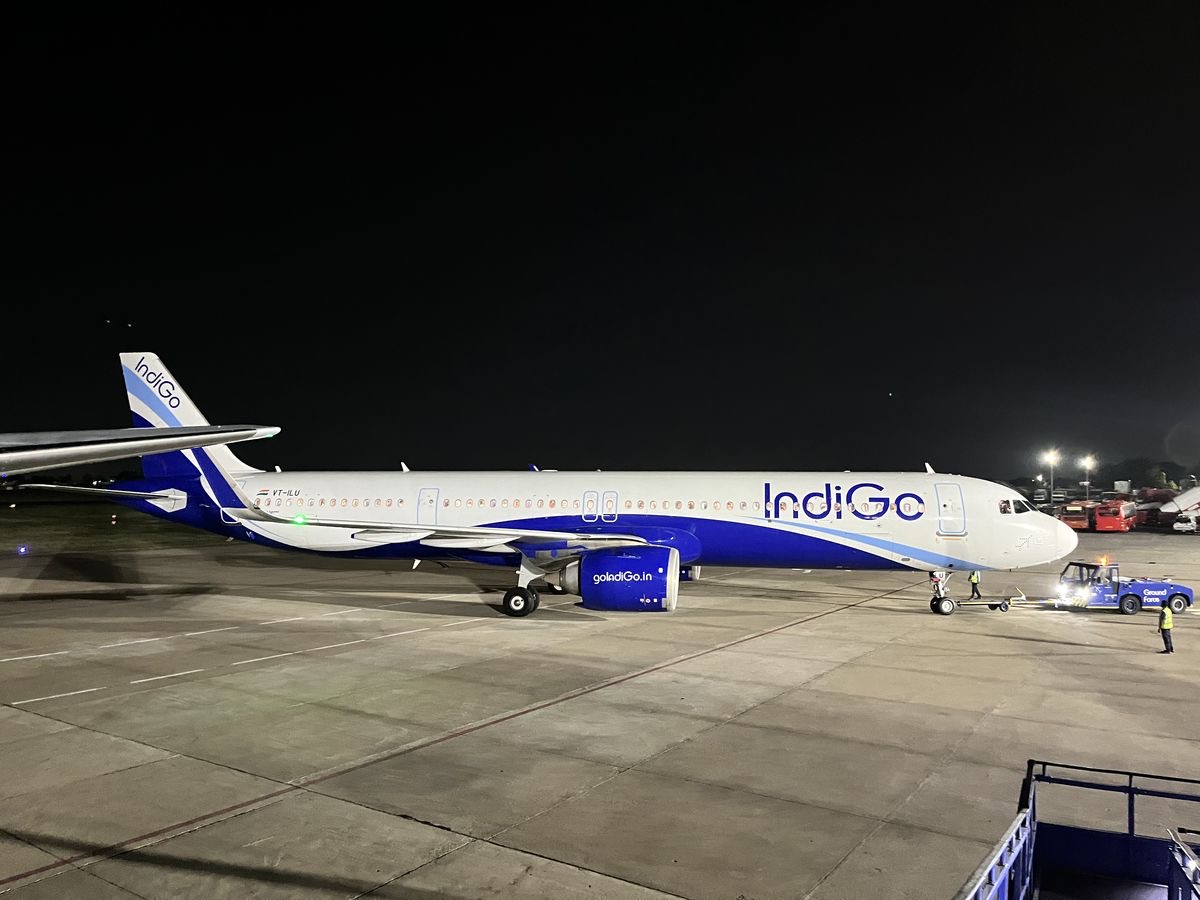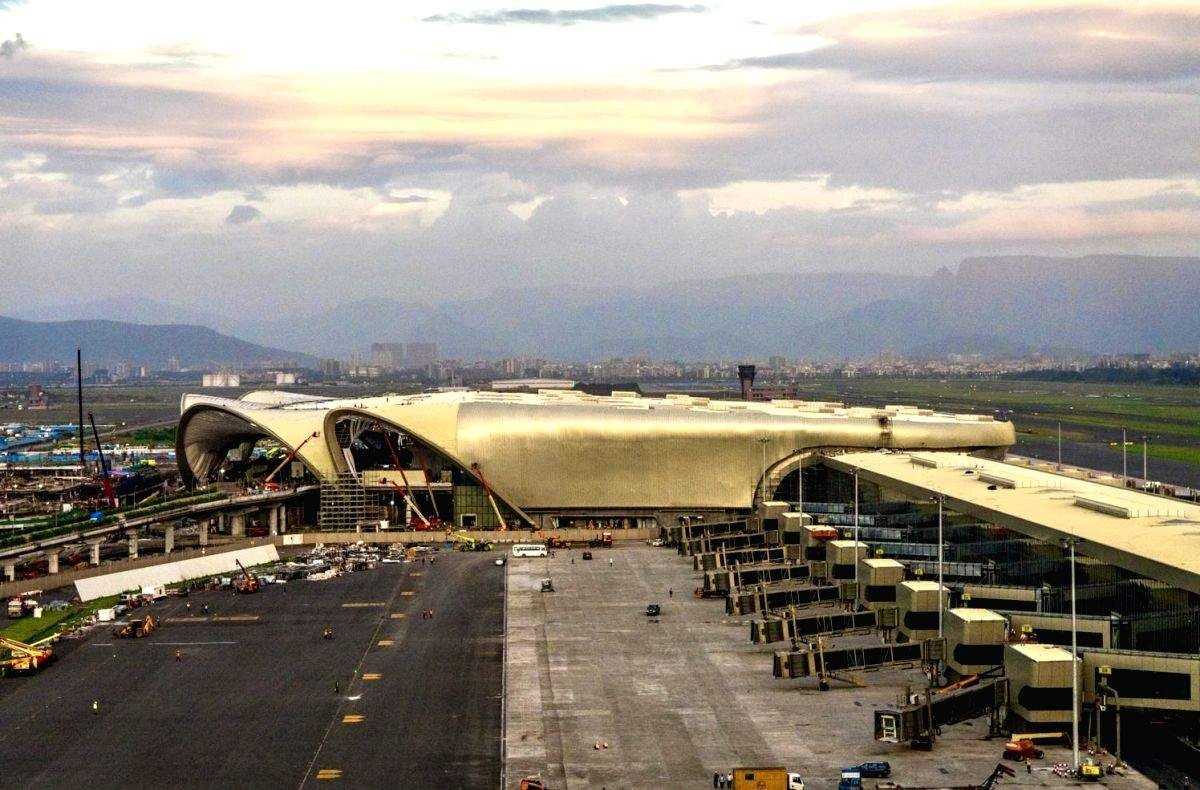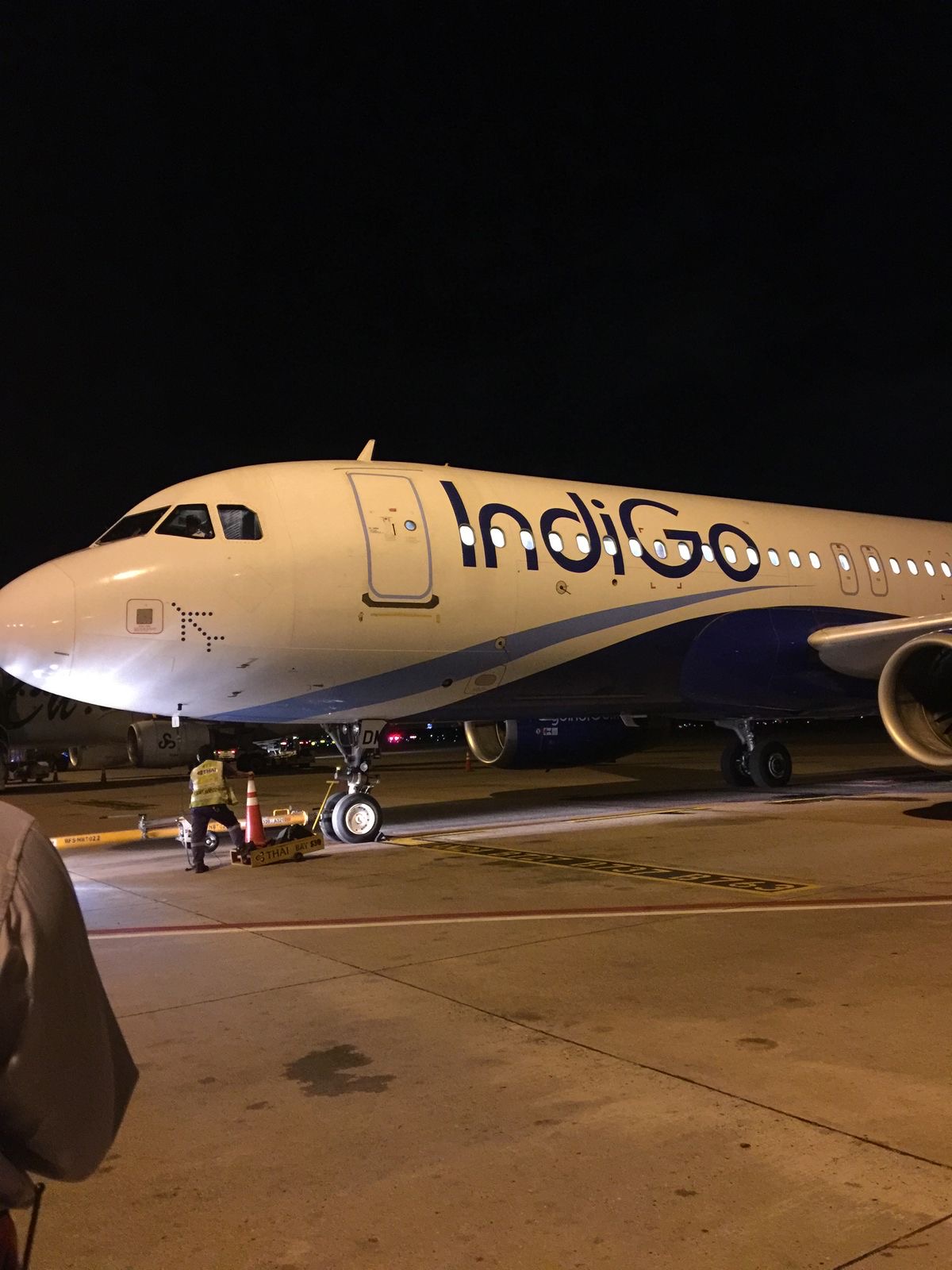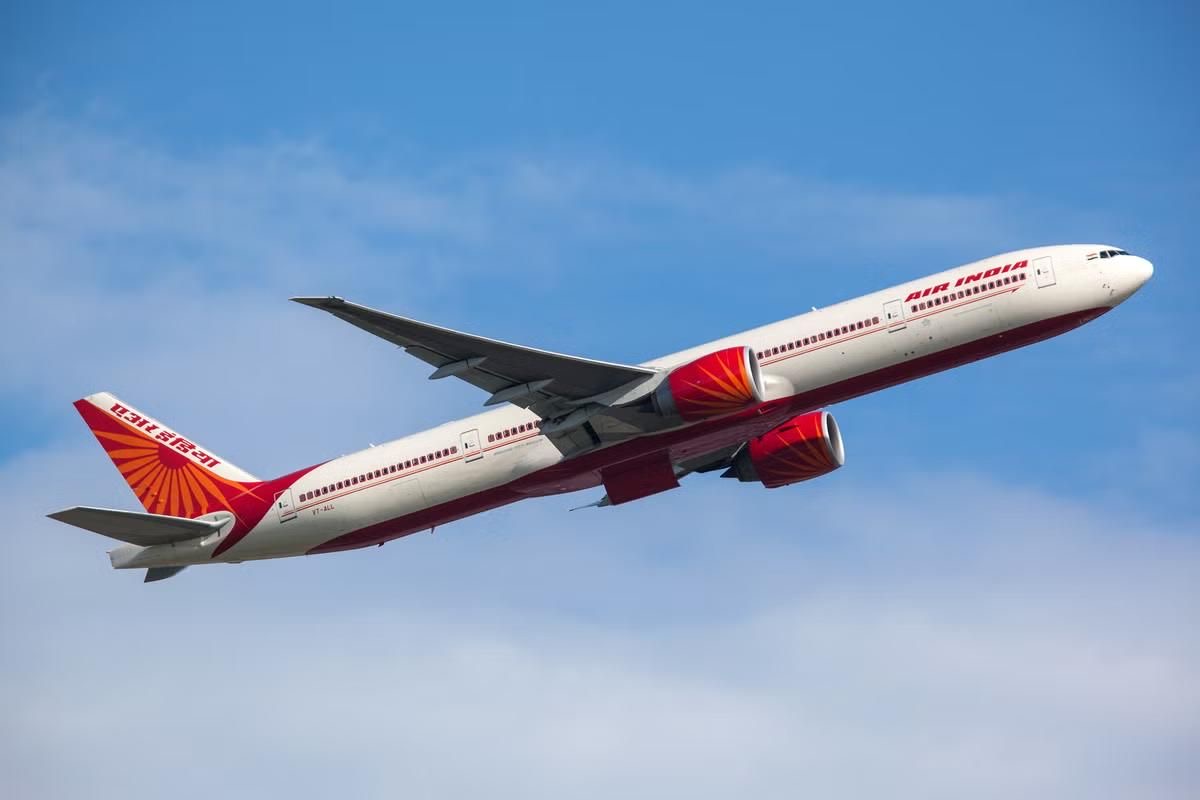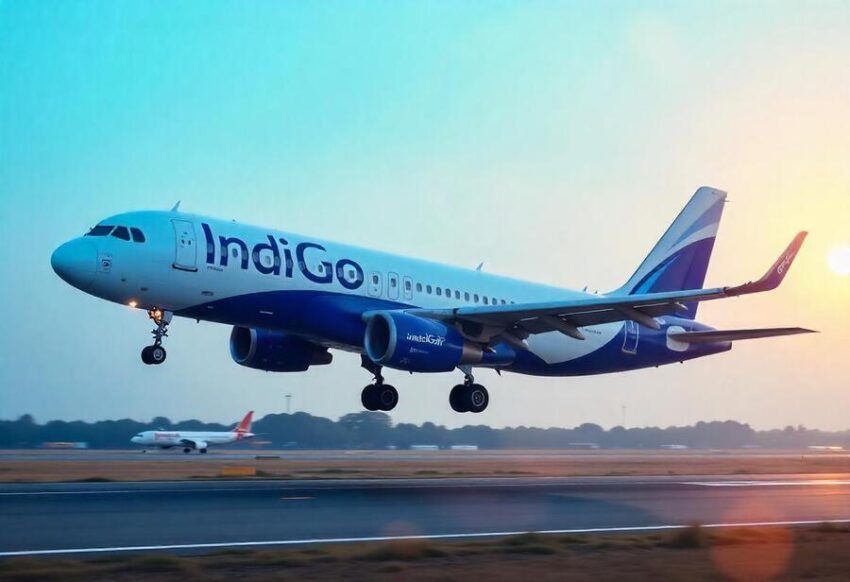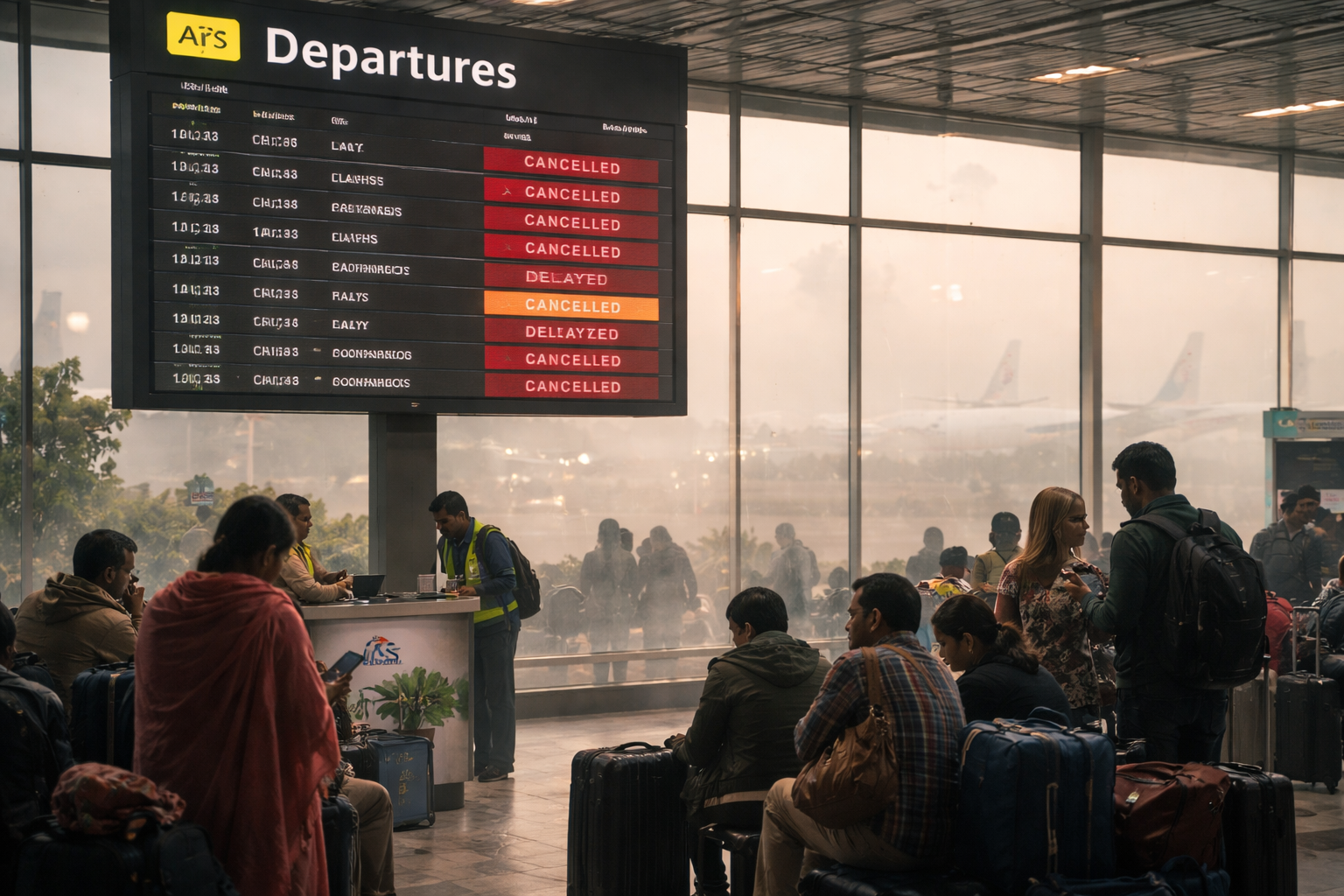
Chennai Airport experienced significant flight disruptions as dense smoke, haze and fog associated with the Bhogi festival blanket the city, leading to the cancellation of eight flights and delays affecting at least ten more services. The unusual combination of early-morning weather conditions and festival-related burning activity made visibility poor around the airport, forcing airlines and air traffic controllers to adjust operations for safety.
The Bhogi festival, celebrated widely in Tamil Nadu and other southern states, often involves the burning of agricultural waste and wood in the early hours of the day. This practice, while cultural, contributed to a thick layer of smoke hovering near ground level at Chennai International Airport. Combined with the region’s natural fog and haze during winter months, the result was reduced visibility that made takeoffs and landings challenging for pilots.
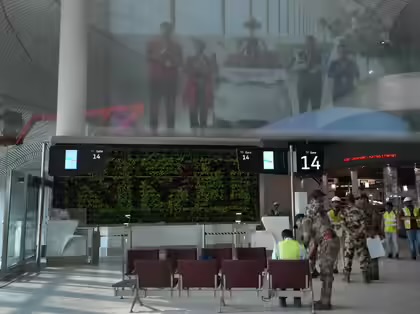
Airlines responded by cancelling several scheduled departures and arrivals to and from Chennai until conditions improved. Passengers booked on the cancelled flights were informed of the situation through airport announcements and digital alerts. Many travellers, preparing for holiday or business journeys, found themselves waiting longer than expected as airline staff worked to rebook affected passengers.
Those flights that were not cancelled suffered delays, sometimes stretching into hours, as pilots and air traffic controllers exercised caution in sequencing takeoffs and landings. Communication between flight crews and officials was constant, with decisions made in real time based on visibility reports and safety assessments. Ground staff also had to juggle rescheduling, passenger care and logistics, stretching airport resources during peak hours.
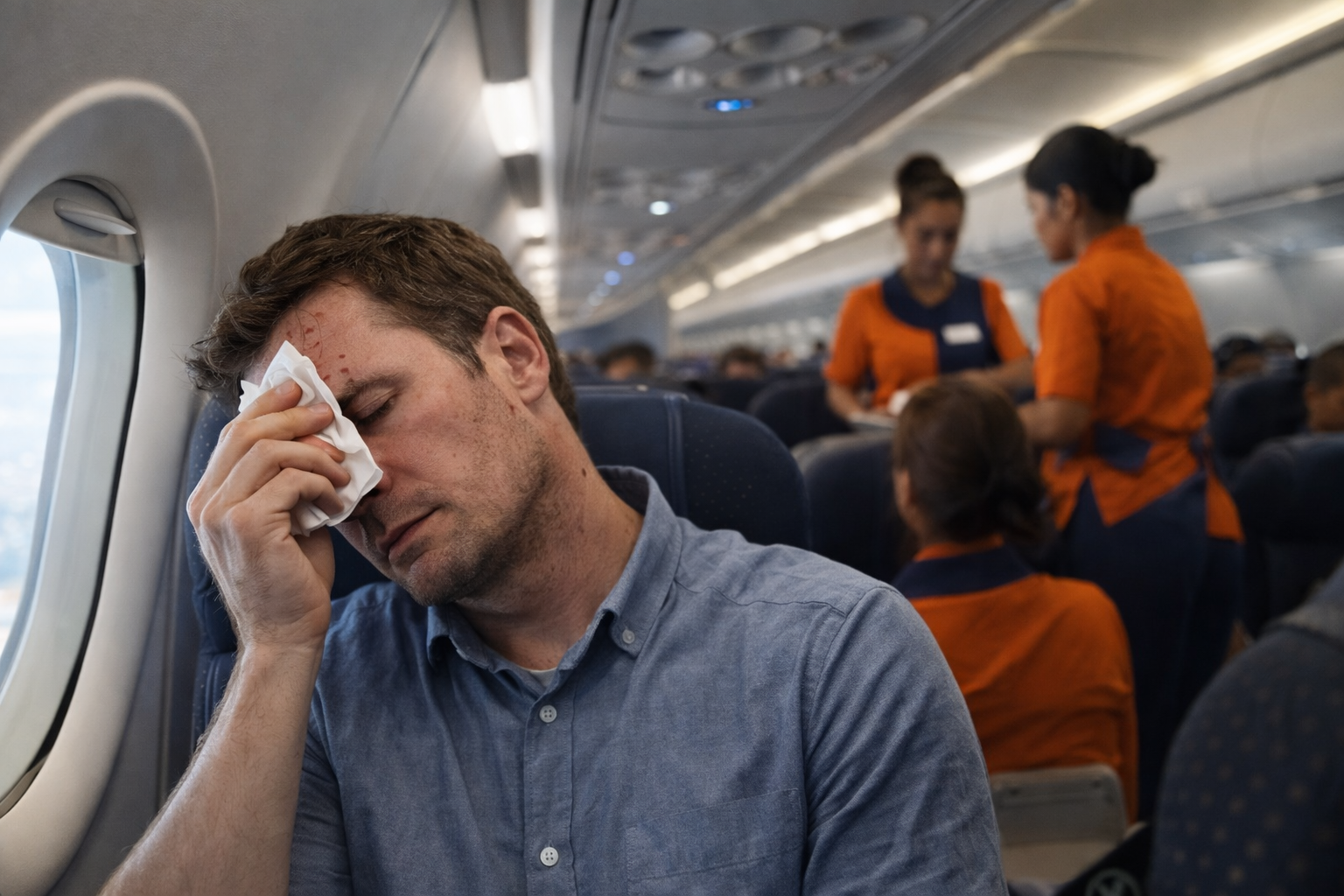
Travelers at the airport reacted with a mix of frustration and understanding. Some expressed their disappointment about disrupted plans, noting that sudden cancellations can affect connecting flights, hotel bookings and other arrangements. Others sympathised with the weather-related circumstances, acknowledging that safety must take precedence in aviation operations.
Airport authorities said that they were monitoring weather conditions continuously and working with airlines to resume normal schedules as soon as it was safe to do so. Radar systems, runway cameras and visibility sensors were all in use to inform decisions about aircraft movement. Officials emphasised that even when disruptions are inconvenient for passengers, they are essential to maintaining safety standards.
Meteorological reports indicated that smoke and haze were particularly thick in the early morning hours, with sunlight helping to disperse the smog only later in the day. As the atmospheric conditions improved, some delayed flights were able to depart and arrive, gradually easing congestion. Still, the ripple effect of earlier cancellations meant that schedules remained uneven throughout the day.
Travel experts note that winter weather patterns combined with human activity such as festival rites can sometimes create unexpected conditions for airports close to urban and rural intersections. Authorities in other regions have faced similar challenges, with smoke and fog occasionally affecting visibility and requiring operational adjustments. Airlines often build flexibility into their schedules precisely to respond to such unpredictable conditions.
By midday, visibility around Chennai airport had improved sufficiently to allow flight operations to pick up, but some previously delayed flights continued to experience knock-on effects. Airline customer service teams were on hand to help stranded passengers find alternative connections or accommodation. Passengers were advised to check their flight status before heading to the airport, as conditions can change again rapidly with shifting weather patterns.