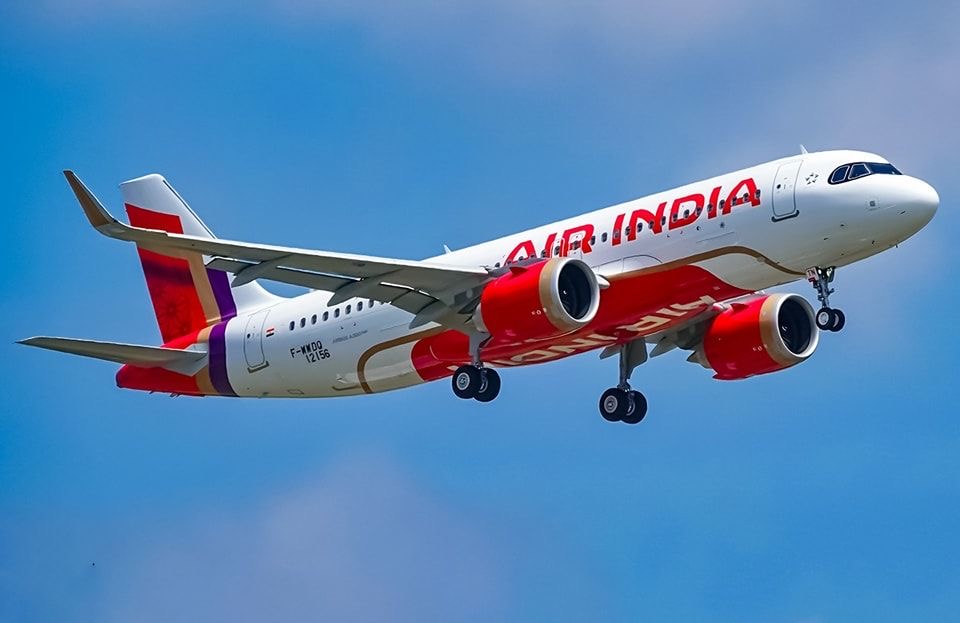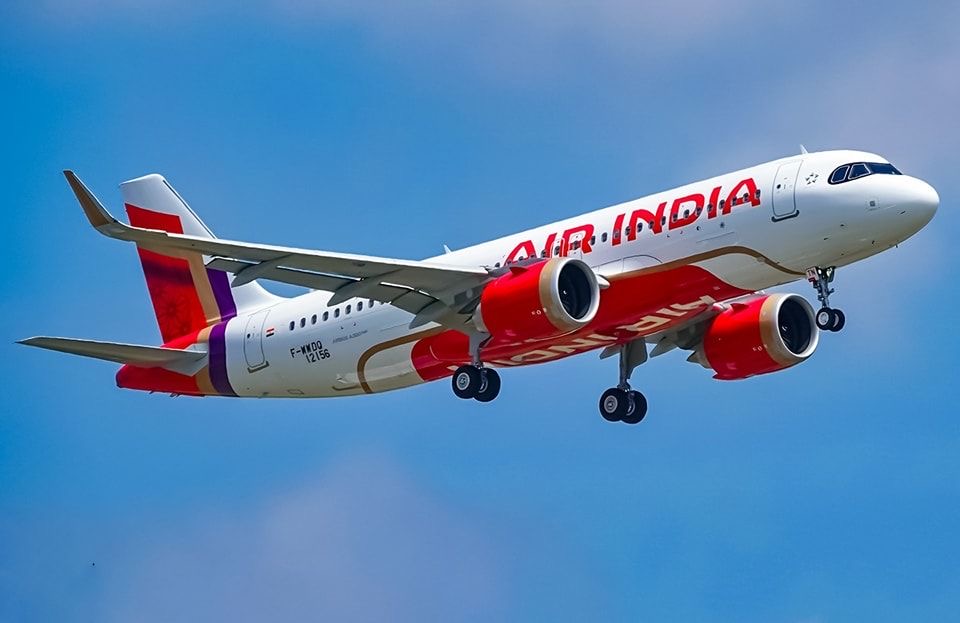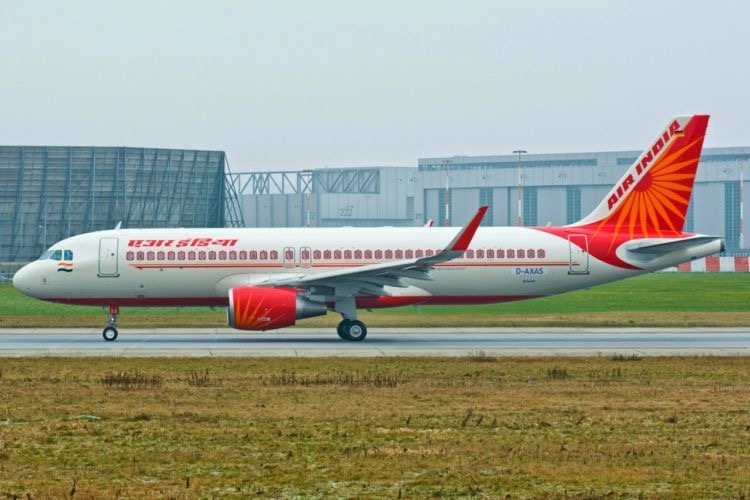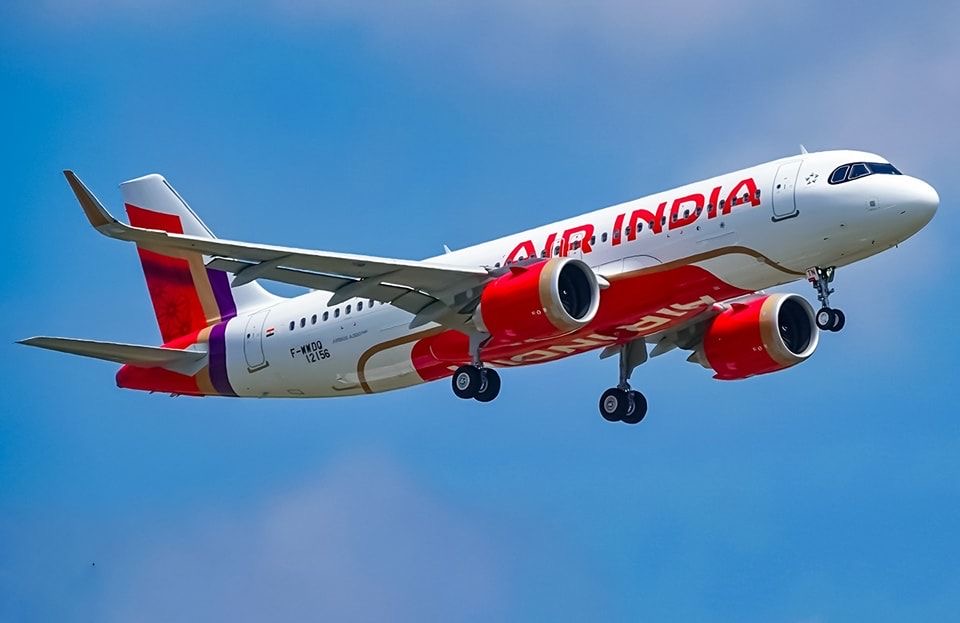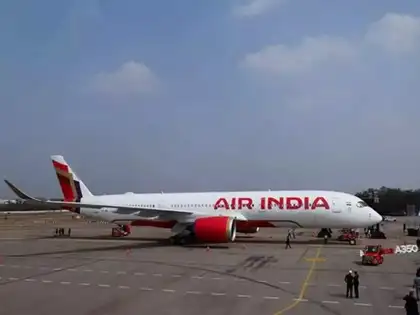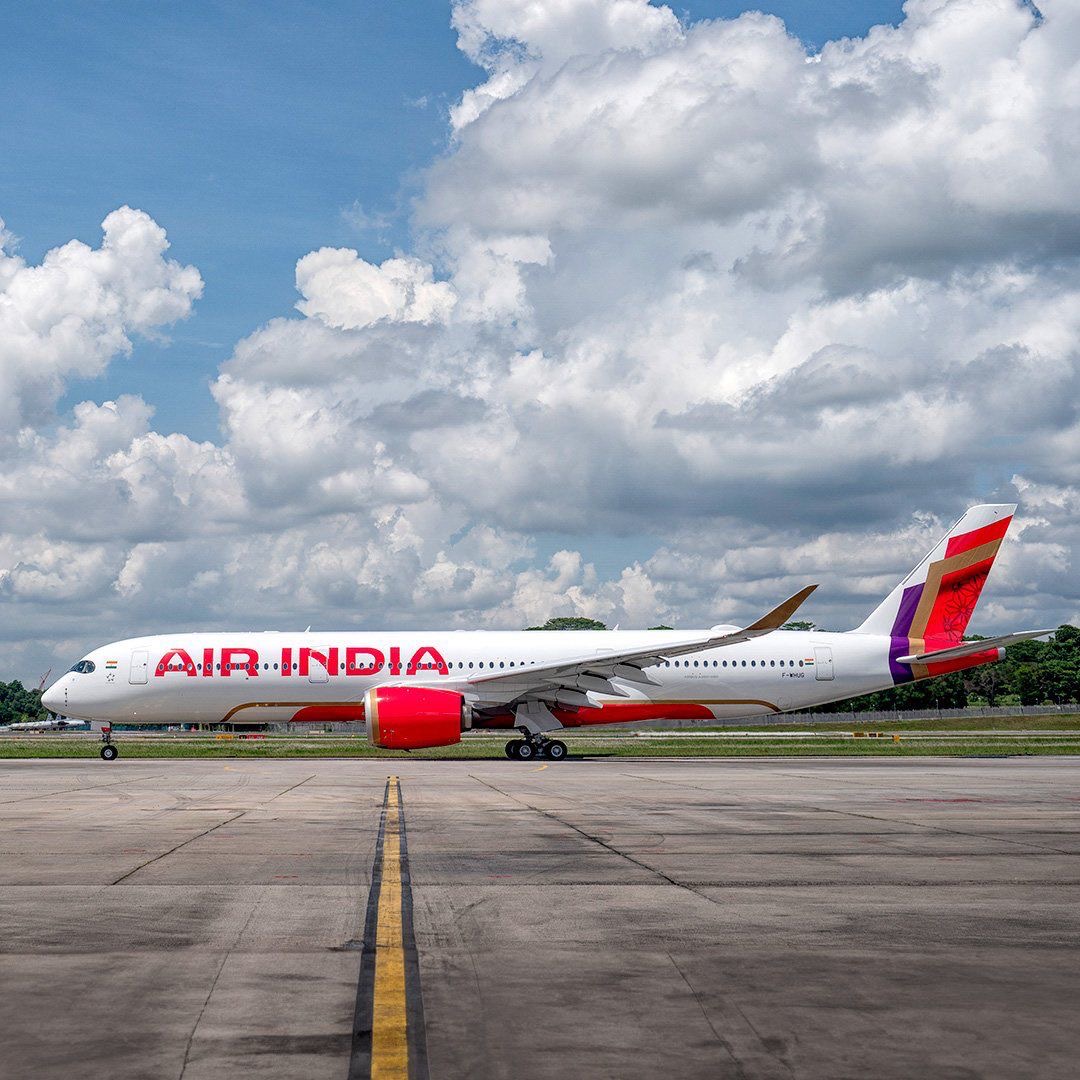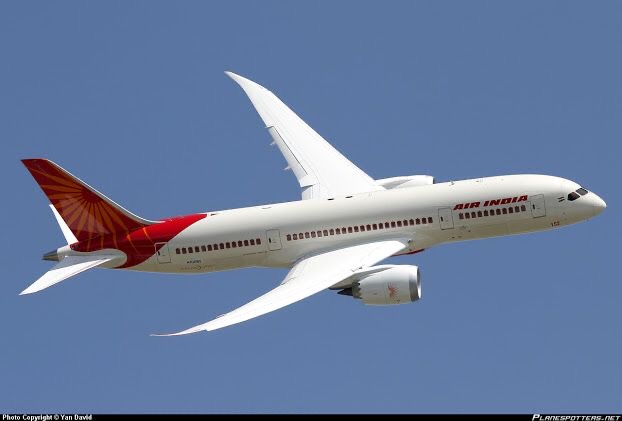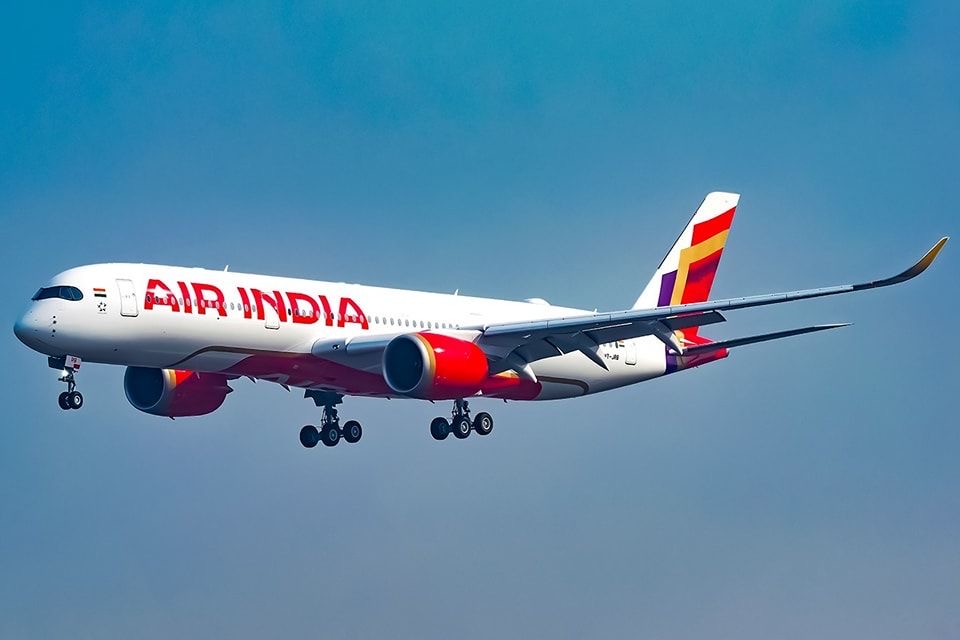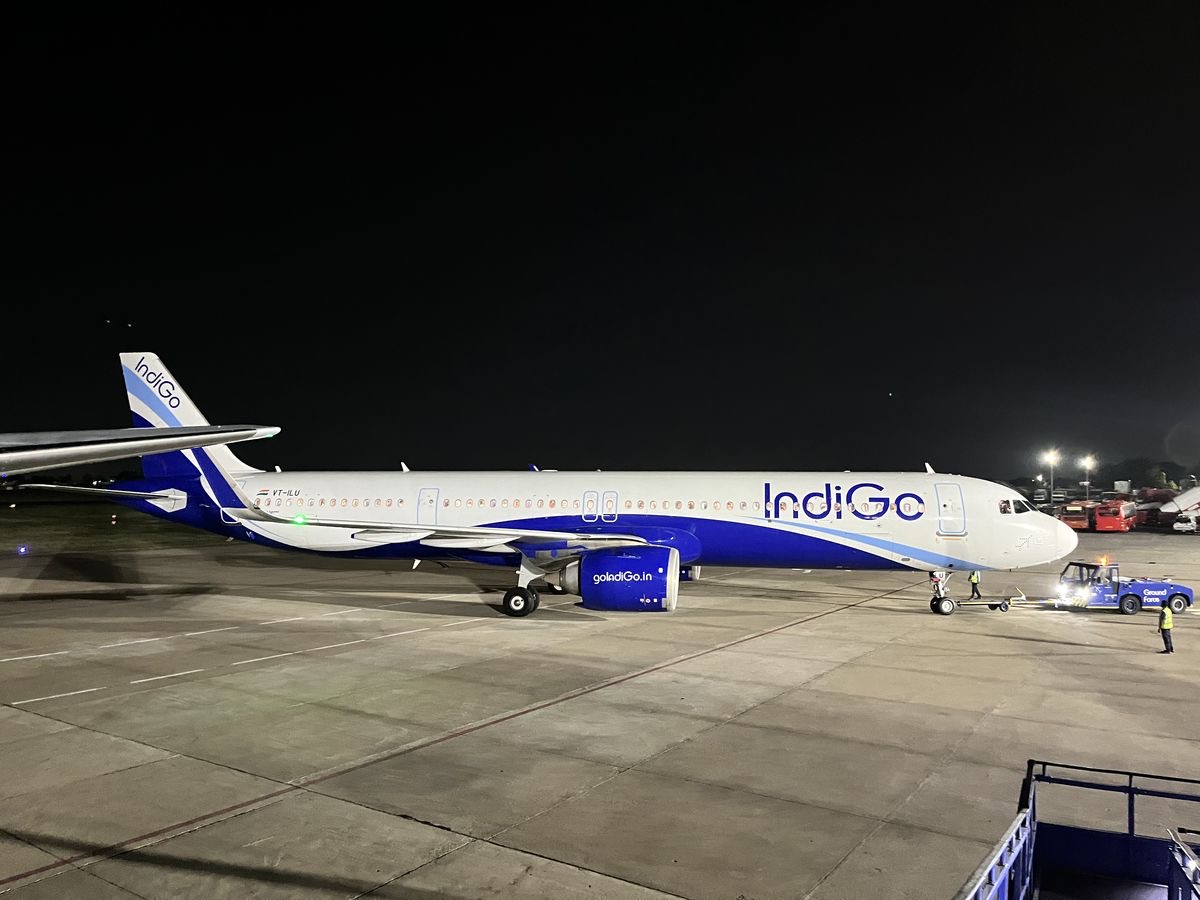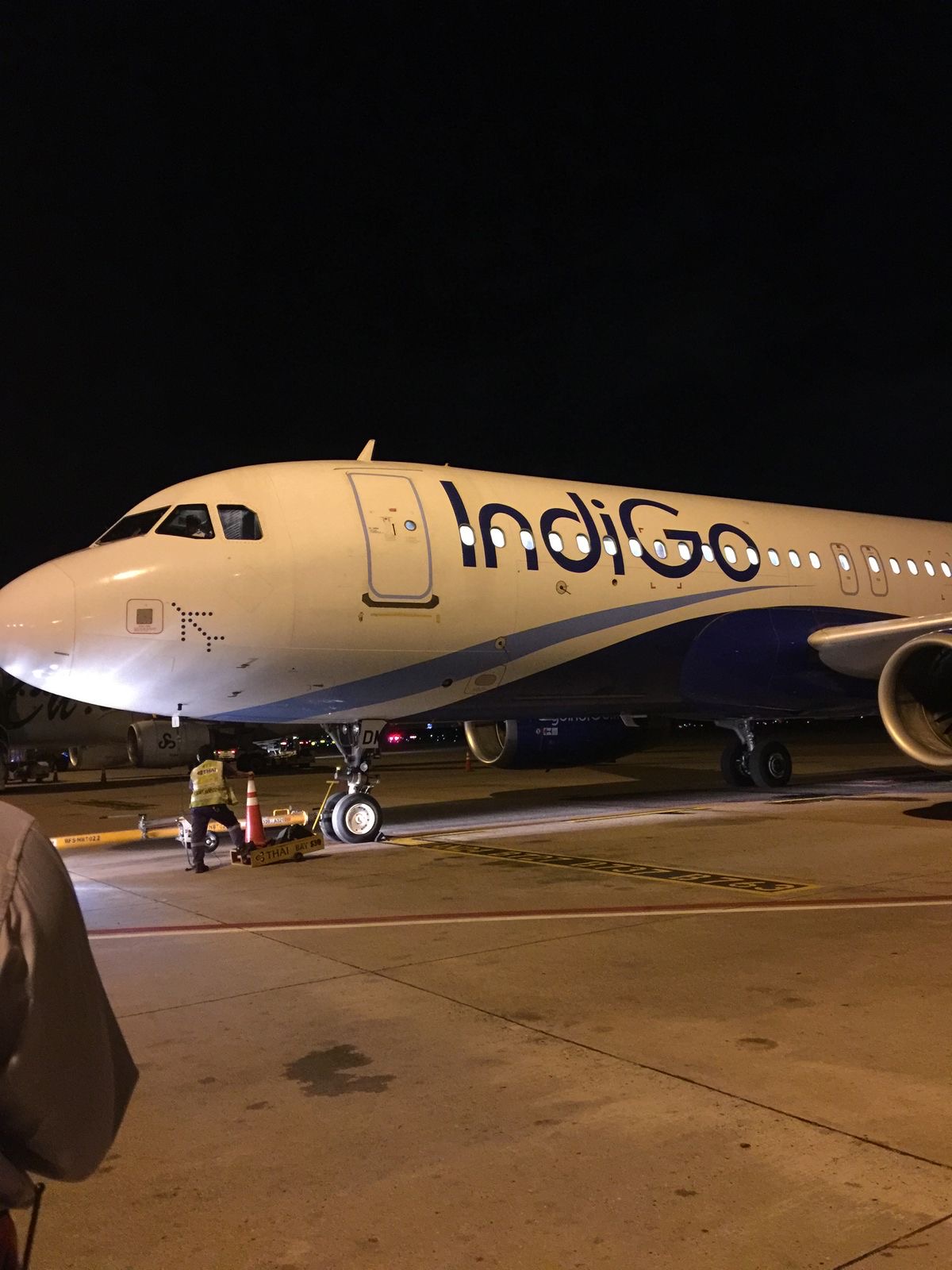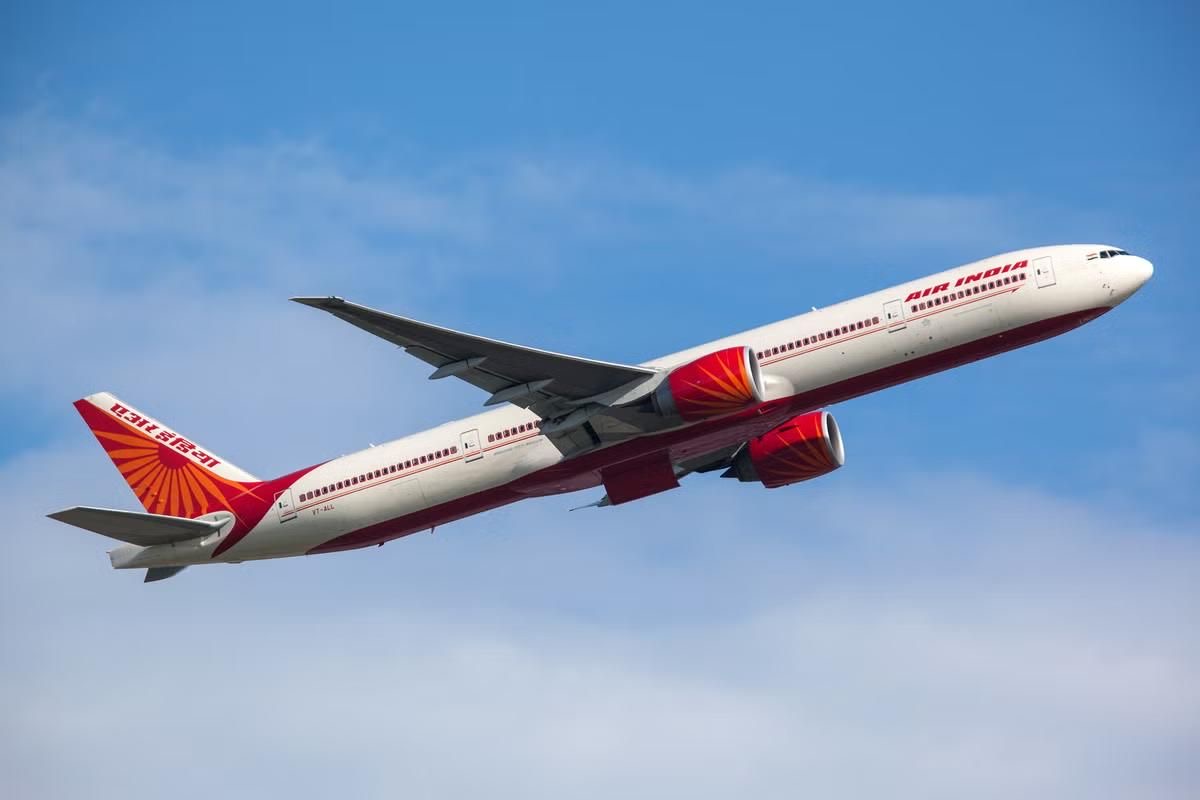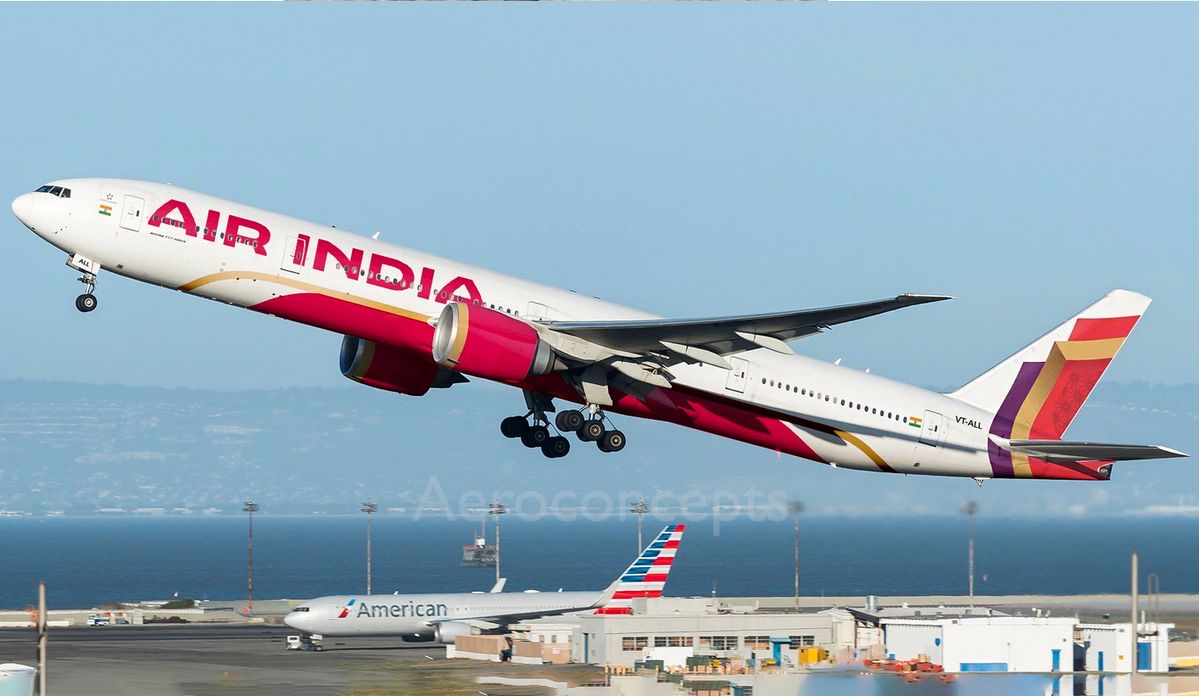
An Air India Airbus A350 aircraft has been grounded at New Delhi’s Indira Gandhi International Airport after dense winter fog conditions contributed to damage to one of its engines. The incident occurred as the wide-body jet was preparing for an early morning flight amidst heavy smog and low visibility that have been affecting travel across northern India.
The aircraft had completed its overnight maintenance checks and was staged for departure when ground engineers noticed an abnormal condition in one of the engines. Initial inspection suggested that foreign matter likely drawn in by the lingering dense fog and smoke had affected the core components of the engine, making it unsafe for flight. As a result, the decision was taken to remove the jet from service until detailed assessment and repairs can be conducted.
Air India confirmed that passenger safety is its top priority and that the aircraft will remain grounded while technicians carry out a thorough examination. The airline has assembled a team of specialists to evaluate the extent of the damage, including whether any parts need to be replaced and how long the repair process is expected to take. Engineers will also determine whether the issue stemmed directly from environmental factors or other maintenance-related causes.
The incident underscores the challenges that winter smog and thick fog can pose to aviation operations, particularly in regions where air quality deteriorates seasonally. Low visibility is already known to cause delays and cancellations, but this event highlights that the impact can extend to aircraft systems and engines when particulate matter and pollutants are present in high concentrations on runways and in the surrounding airspace.
Passengers booked on the affected flight were notified of the disruption and assisted with rebooking or alternative travel arrangements. Air India said it is working to accommodate travellers on other services and provide necessary support during the period of disruption. Ground staff are also helping with accommodation, meal vouchers, and real-time updates as the situation evolves.
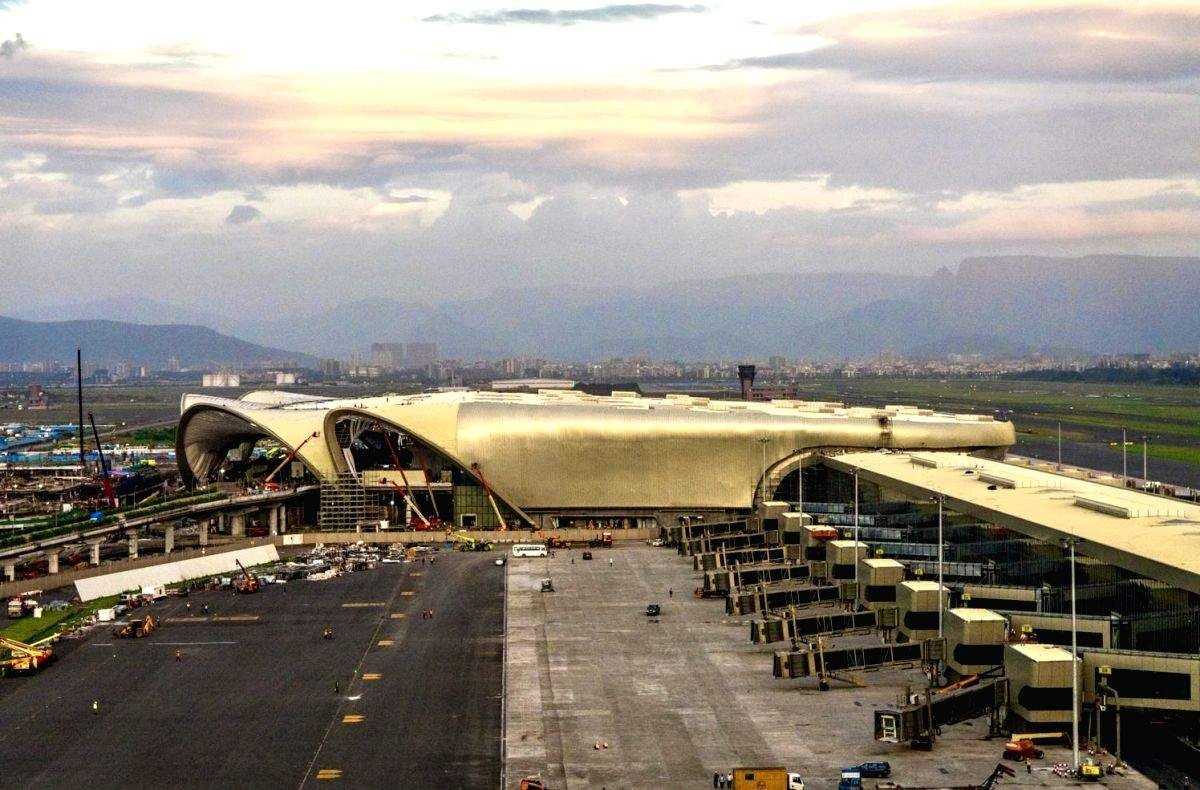
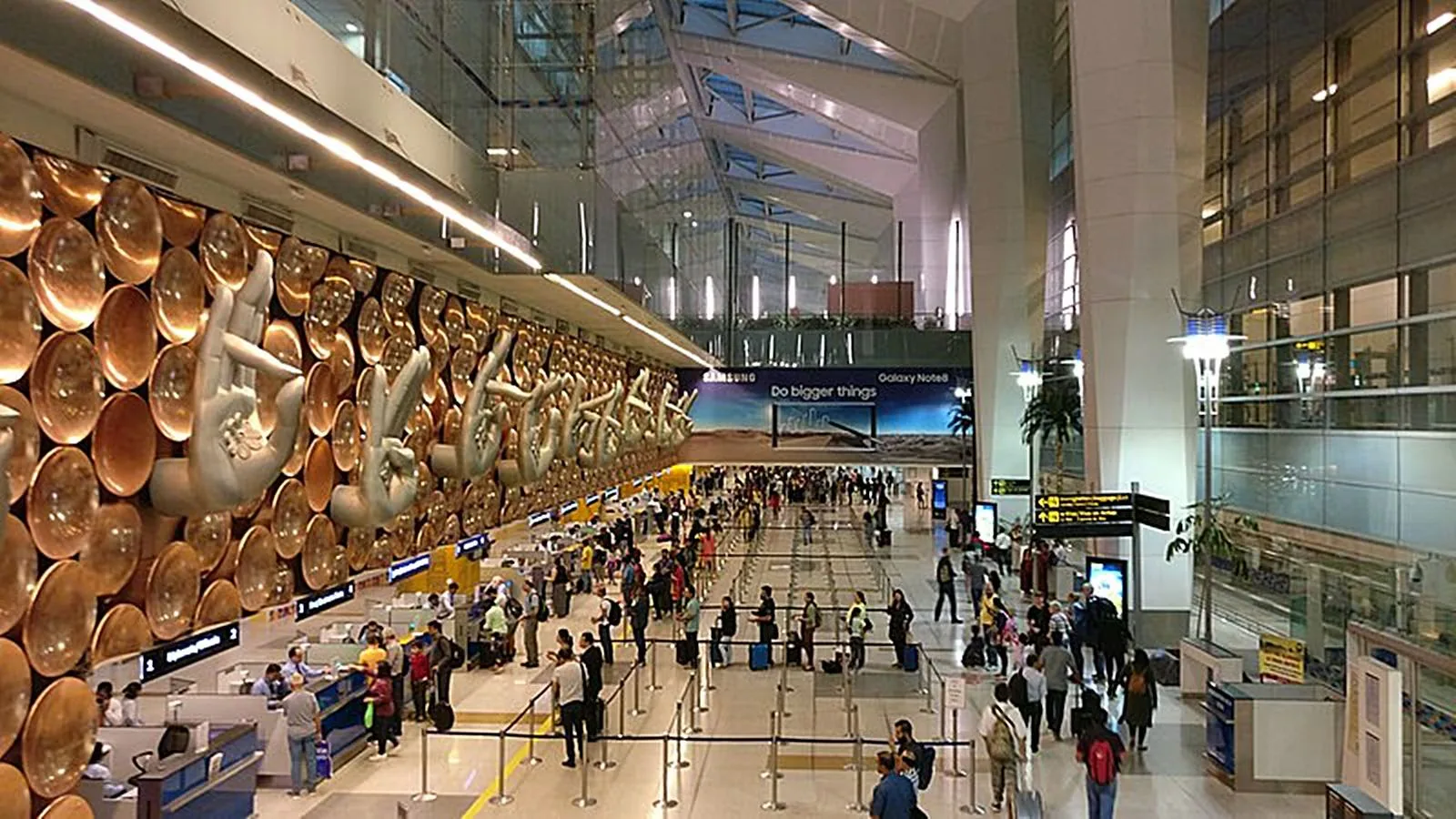
Airport authorities at New Delhi have been monitoring weather conditions closely, using specialised instruments to measure visibility and assess runway safety. Despite the dense fog, the airport continues to operate with caution, with some flights delayed or diverted when conditions fall below minimum visibility thresholds. Enhanced runway lighting and instrument landing systems are in use, but extreme fog remains a major factor affecting both safety and aircraft performance.
Aviation analysts note that modern jet engines are designed to tolerate a wide range of conditions, but unusual combinations of pollutants, moisture, and particulate matter can still create problems, especially for high-performance components. They say that events such as this are rare but not unheard of, particularly in areas where air pollution intensifies during winter months.
Air India’s engineering leadership has emphasised that the aircraft involved will not return to service until it meets all safety and airworthiness requirements. The airline has reiterated that it follows stringent maintenance protocols and that any operational interruptions are enacted in accordance with regulatory and manufacturer guidelines. The airline also plans to share findings with industry partners and regulators to enhance understanding of fog-related impacts on aircraft components.
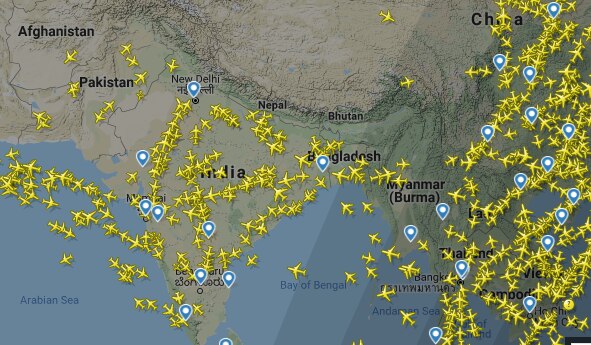
As winter weather systems continue to affect parts of northern India, travellers are being urged to stay informed about flight status and prepare for potential delays or changes. Airlines serving Delhi and neighbouring regions are likely to adjust operations as needed to ensure safety, while passengers may experience temporary inconvenience due to the climatic conditions.