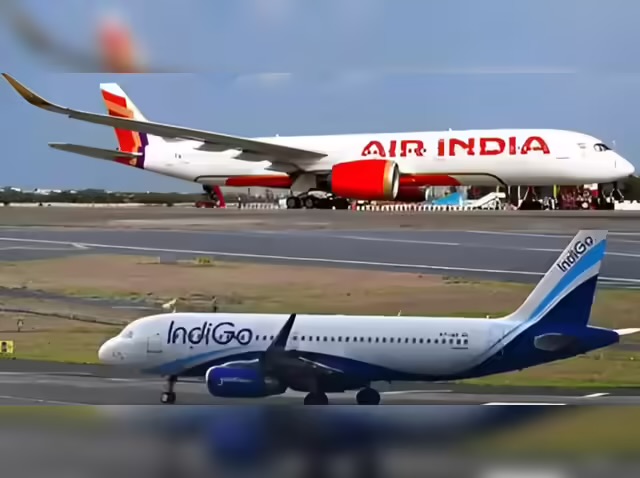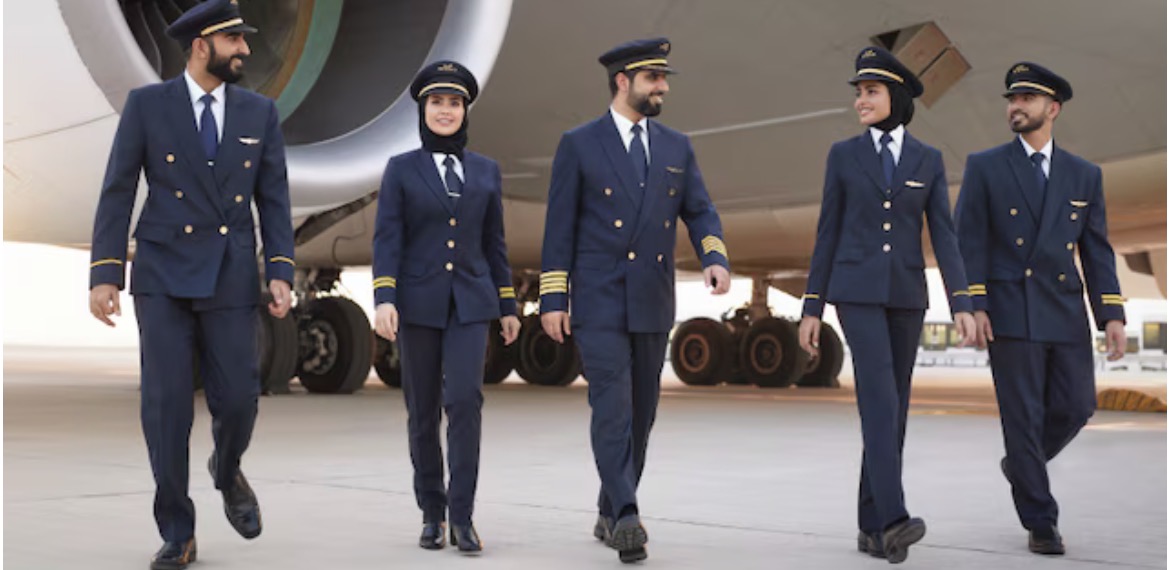
India’s aviation industry is setting an important global benchmark in gender diversity, with leading airlines such as IndiGo and Air India employing a significantly higher proportion of women pilots compared to the worldwide average. The trend highlights how India has emerged as one of the most progressive aviation markets when it comes to female representation in the cockpit.
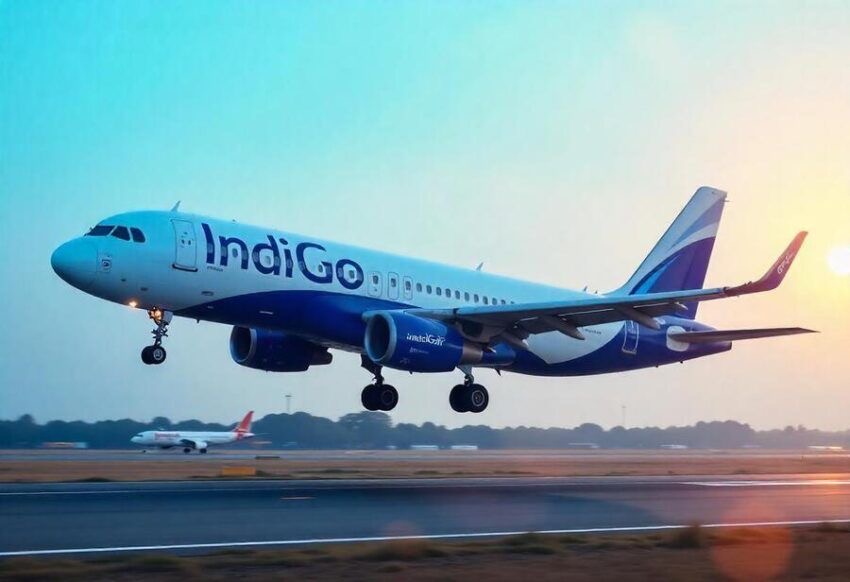
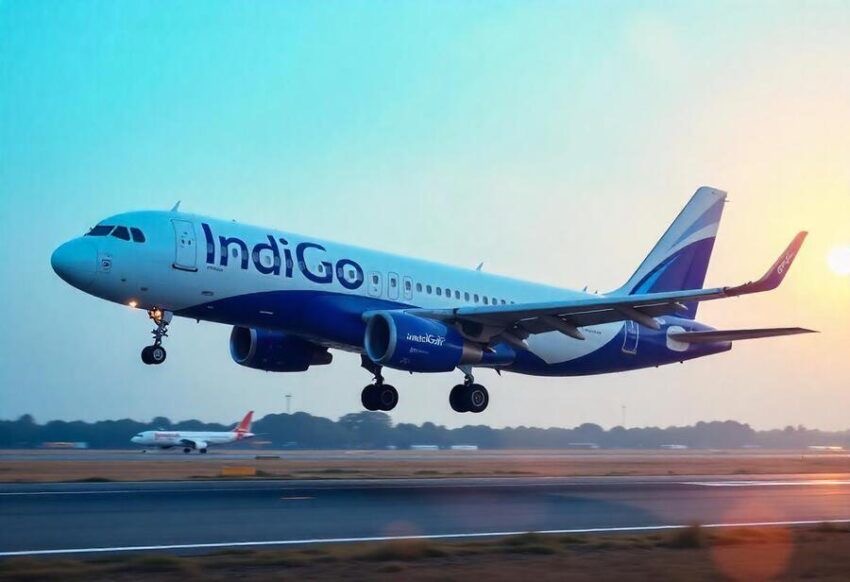
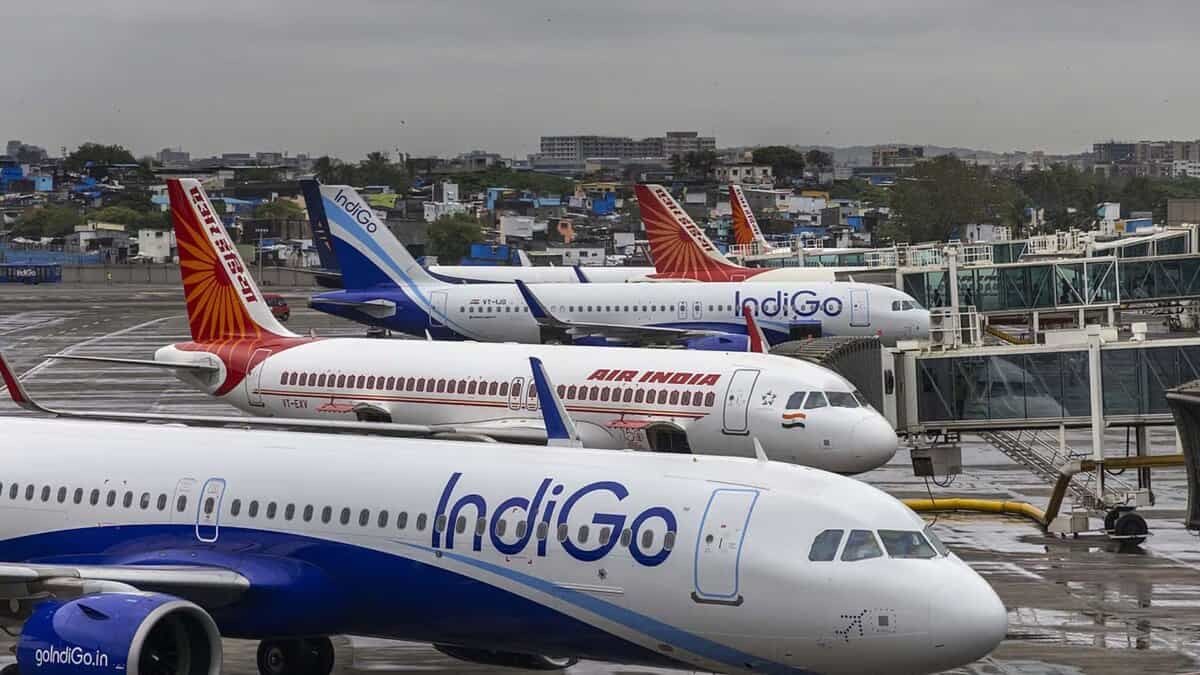
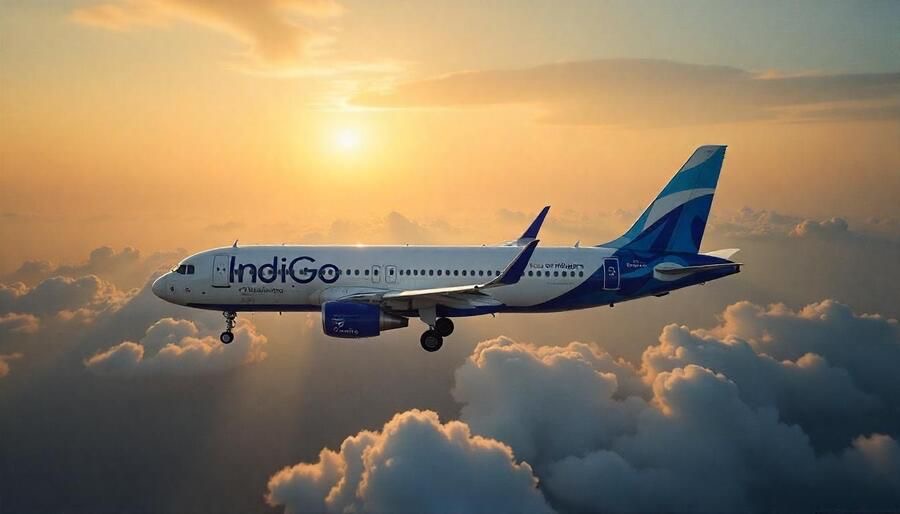
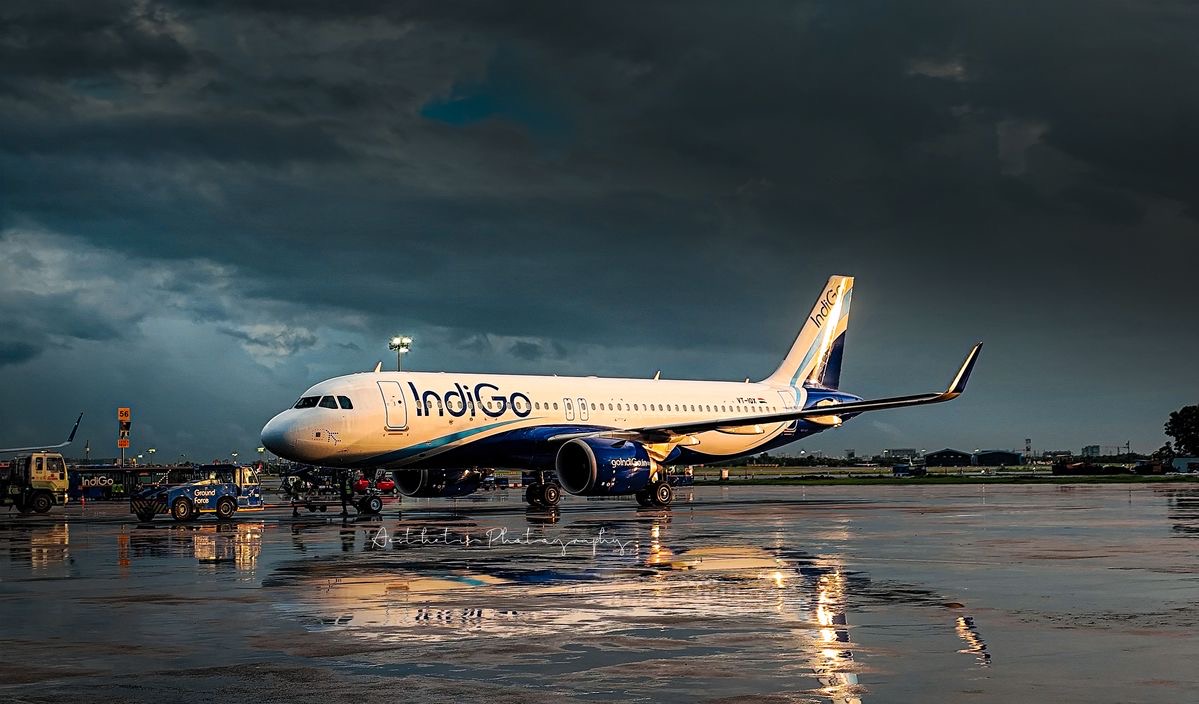
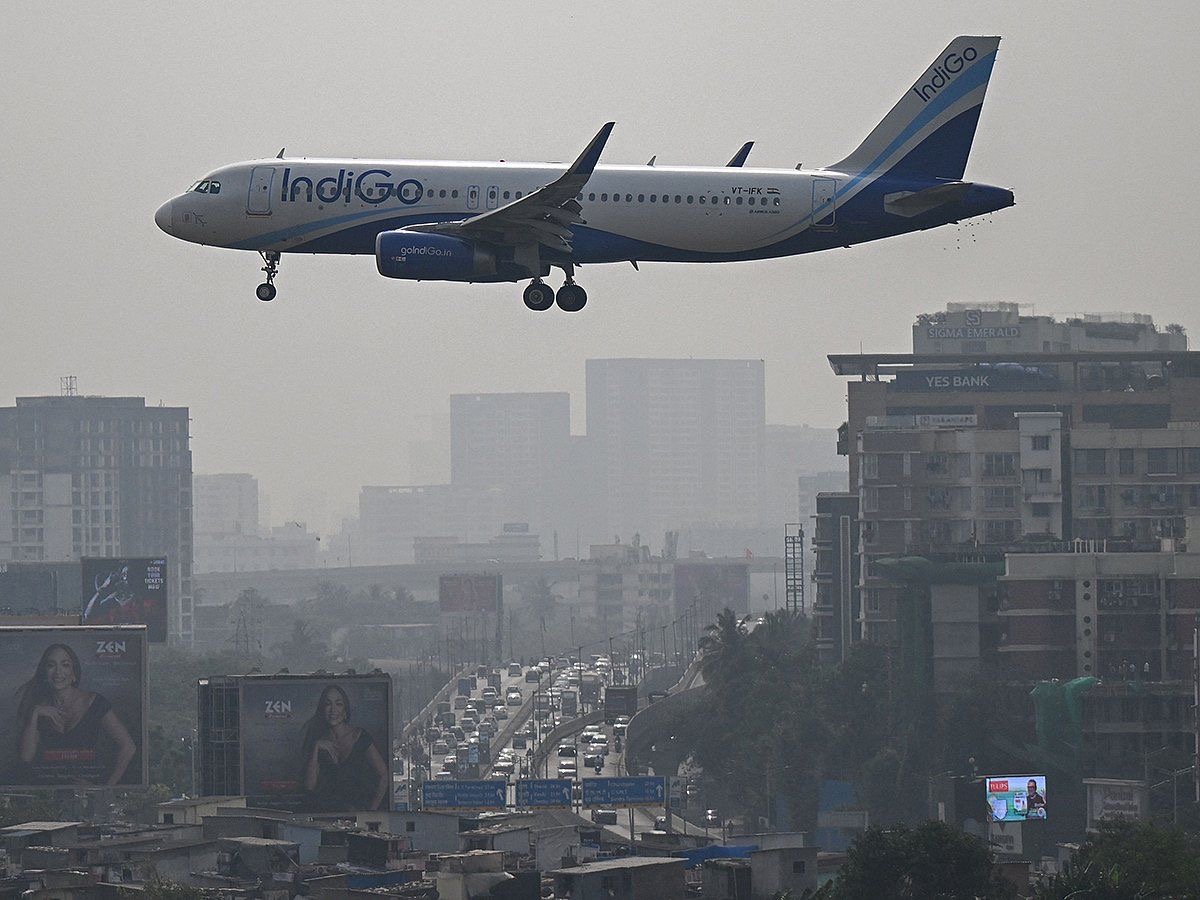
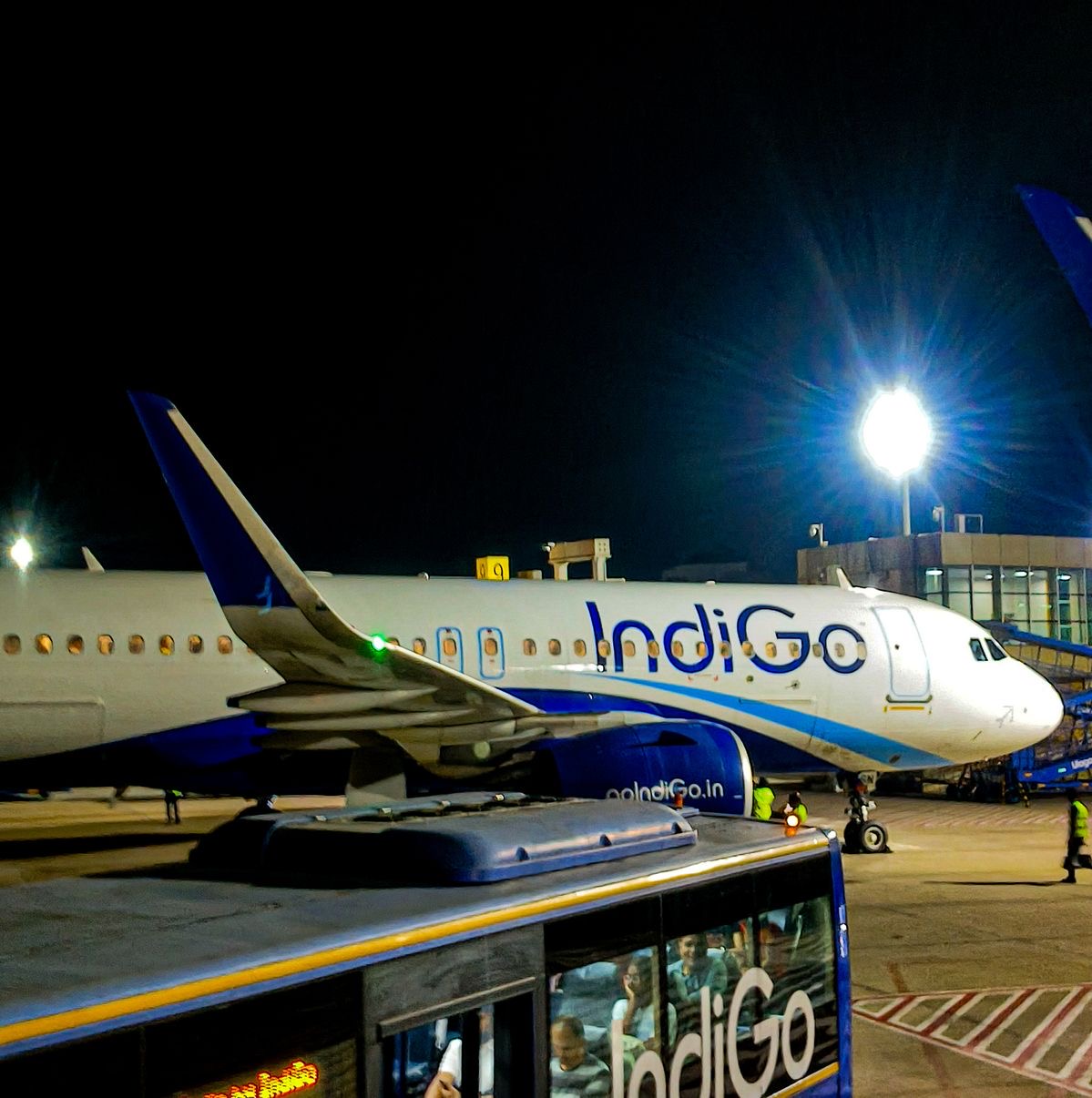
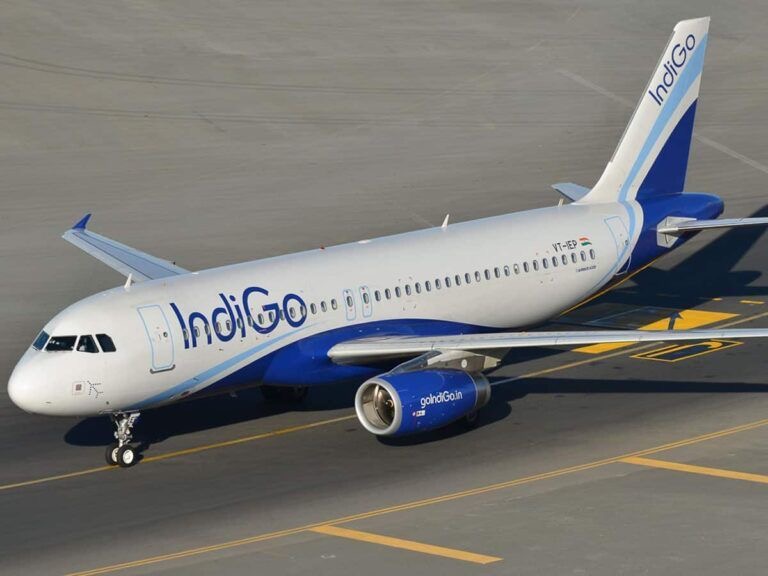
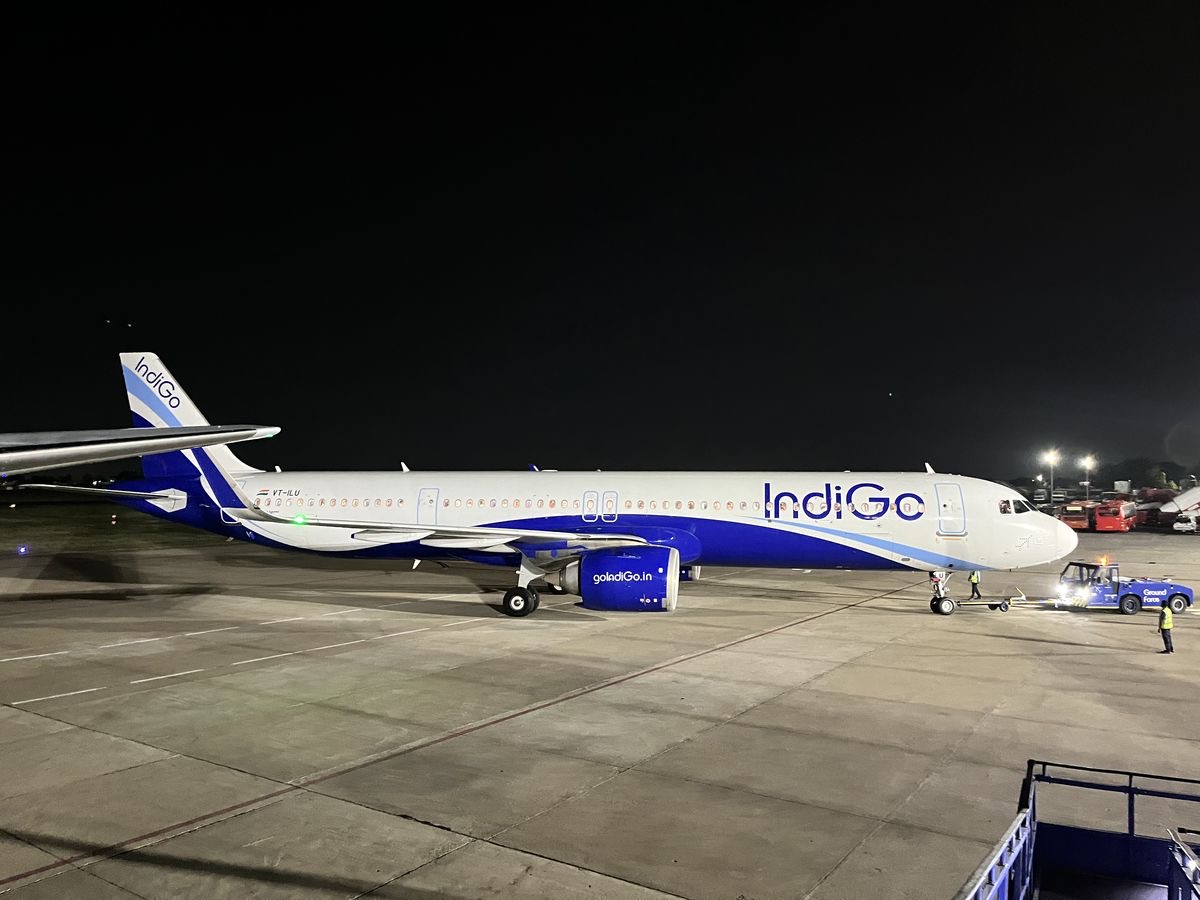
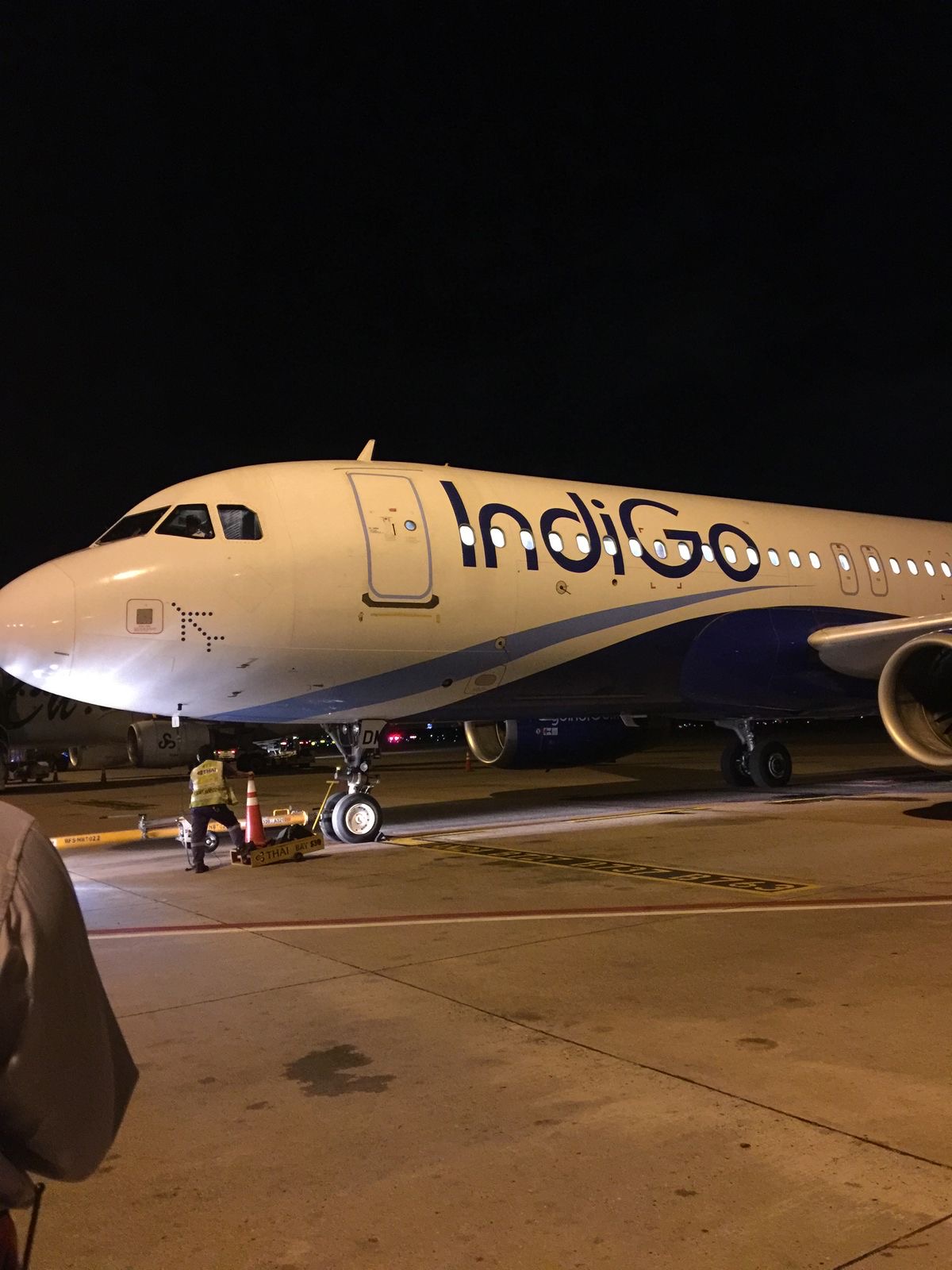
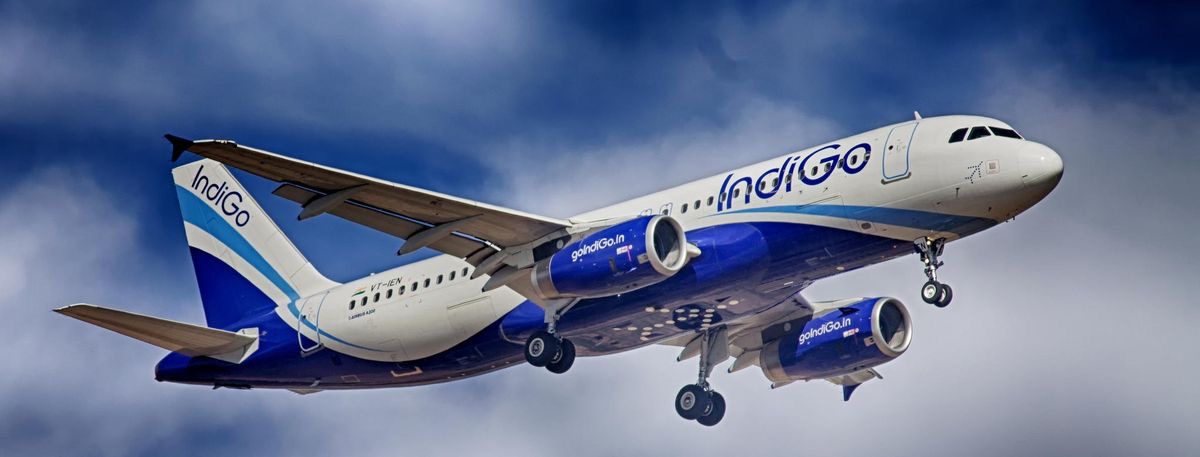
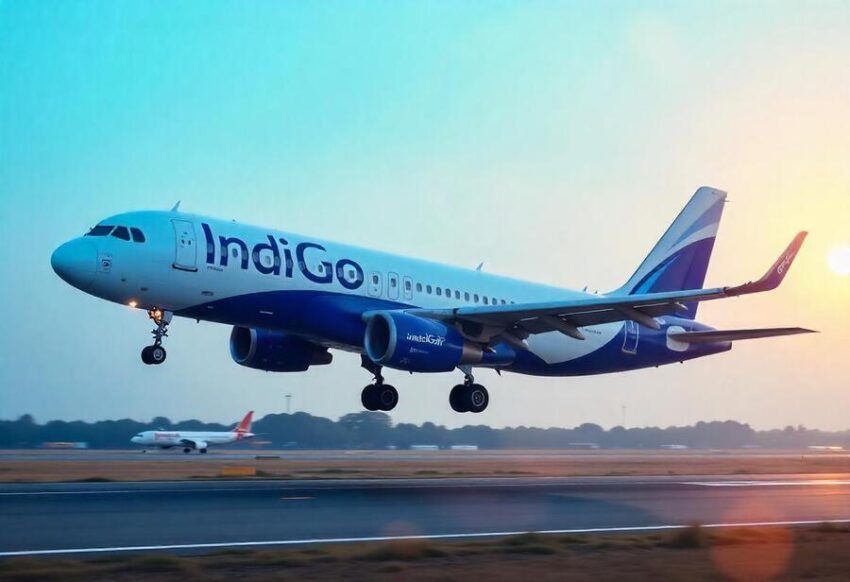
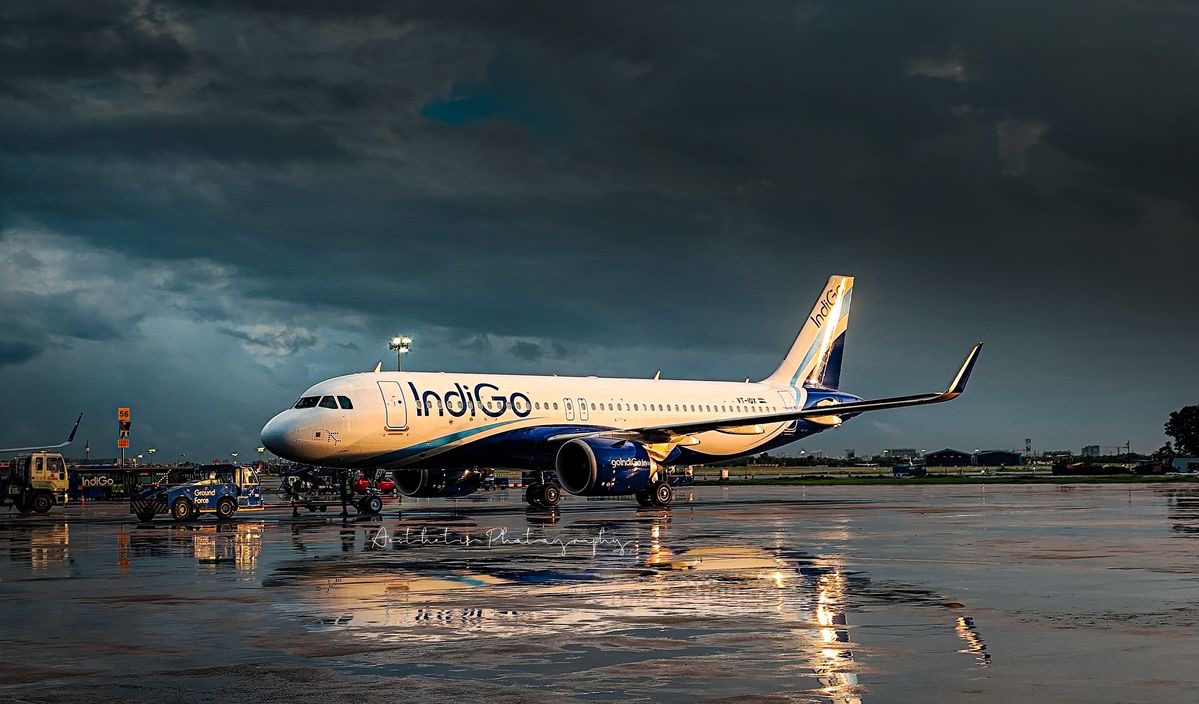
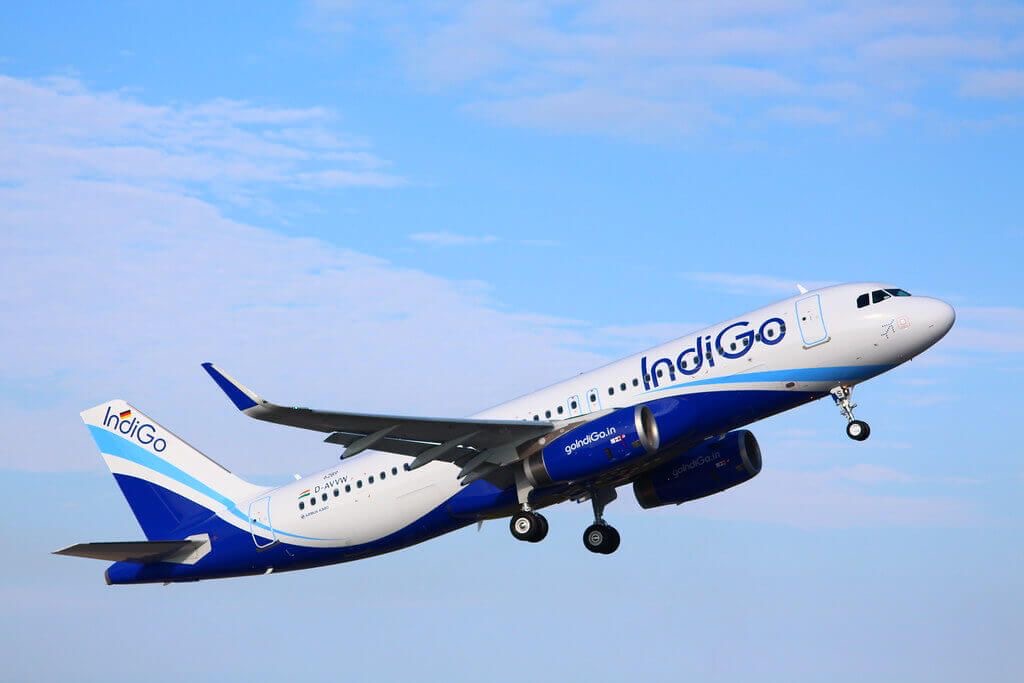
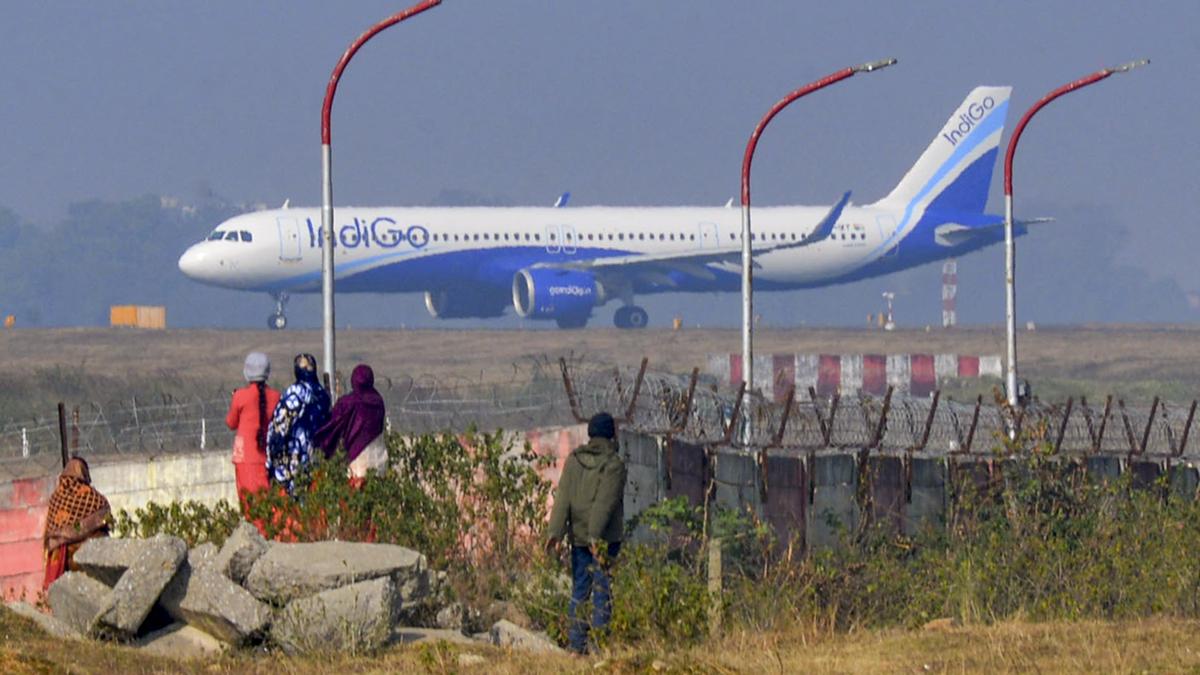
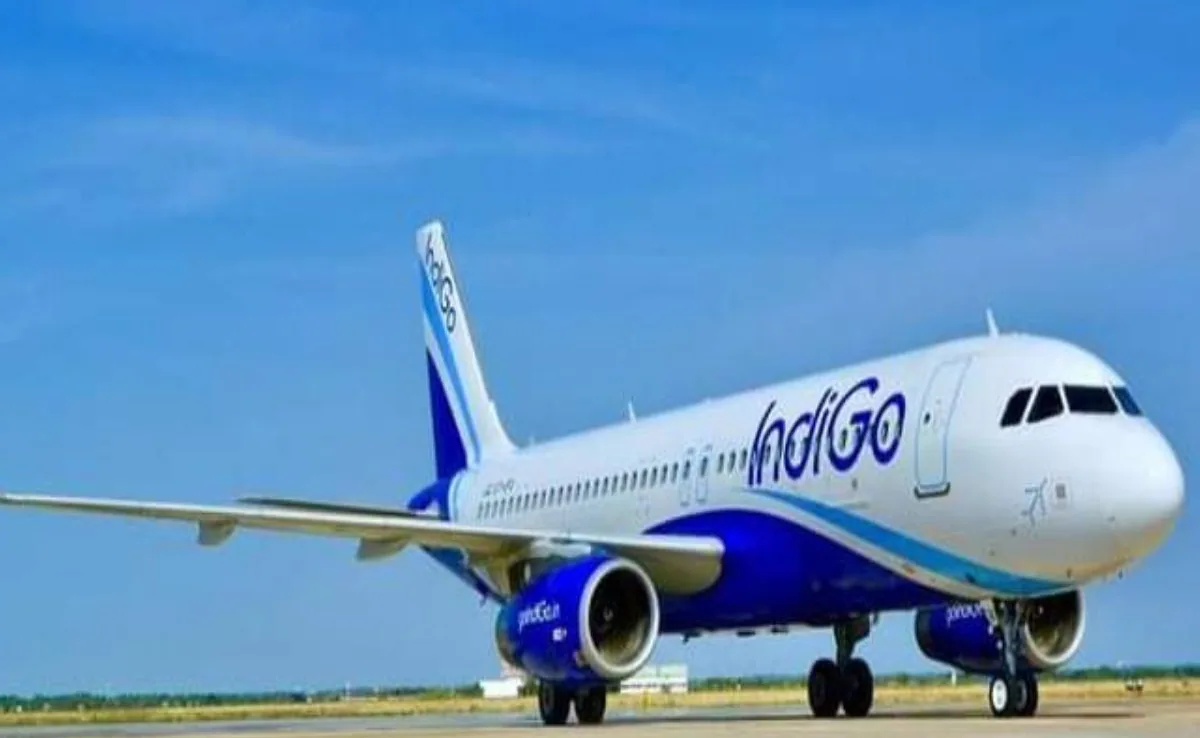
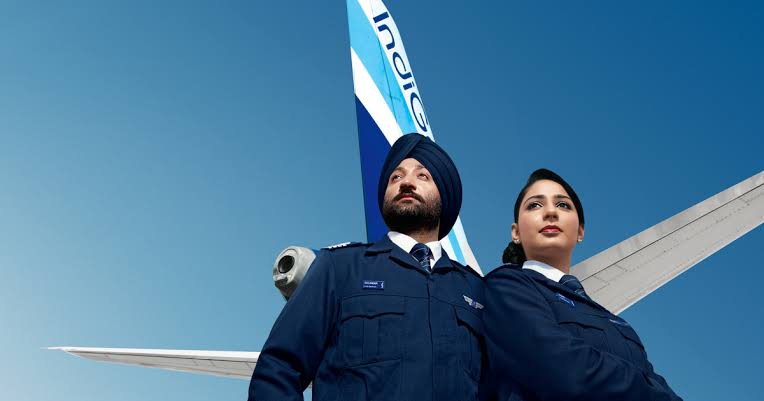
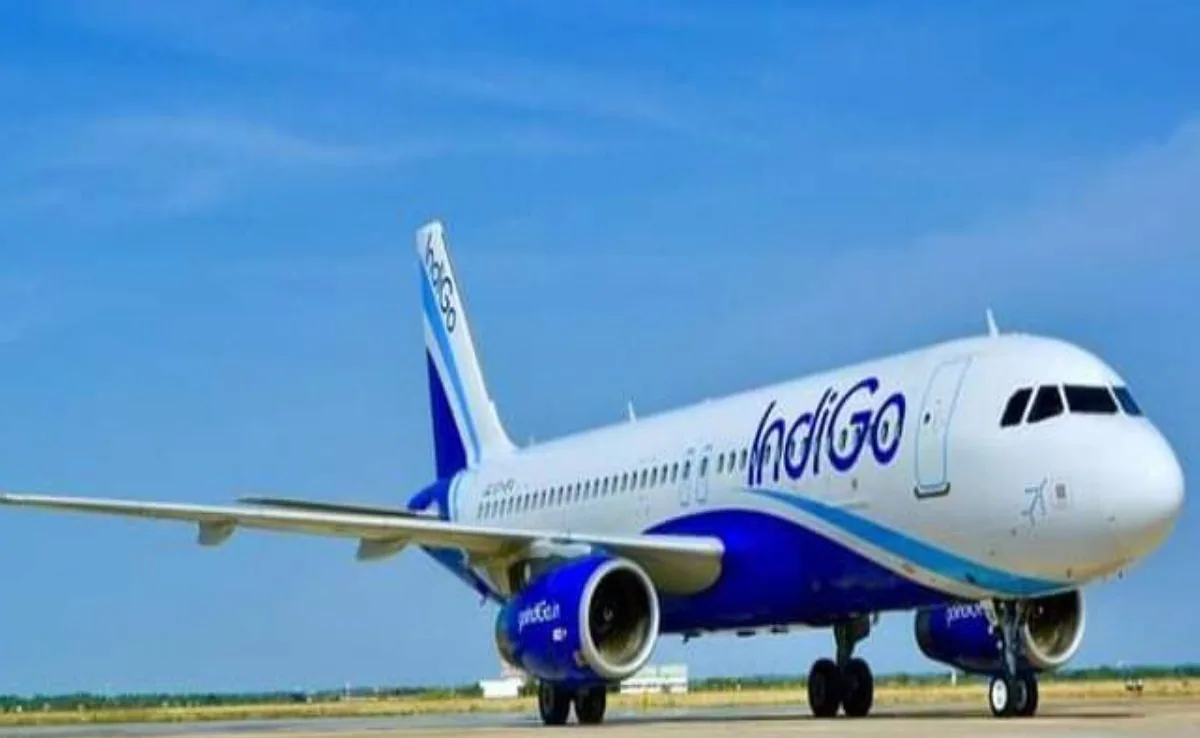
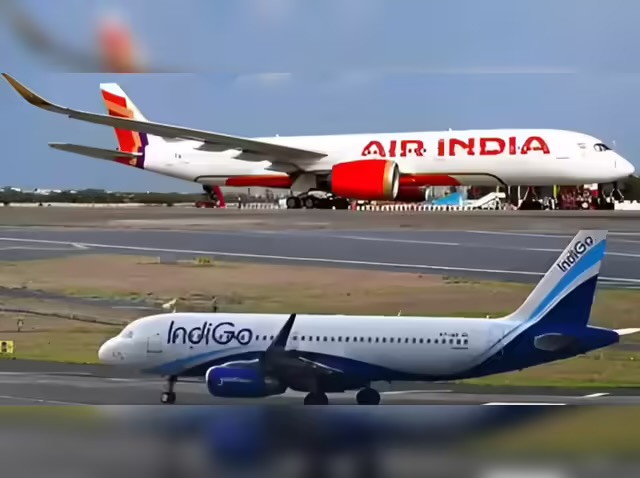
At IndiGo, women pilots account for around 14 percent of the airline’s pilot workforce, which is well above the global average of roughly 7 to 9 percent. The airline currently has more than 800 women pilots and expects the number to cross 1,000 as it continues expanding its fleet and operations.
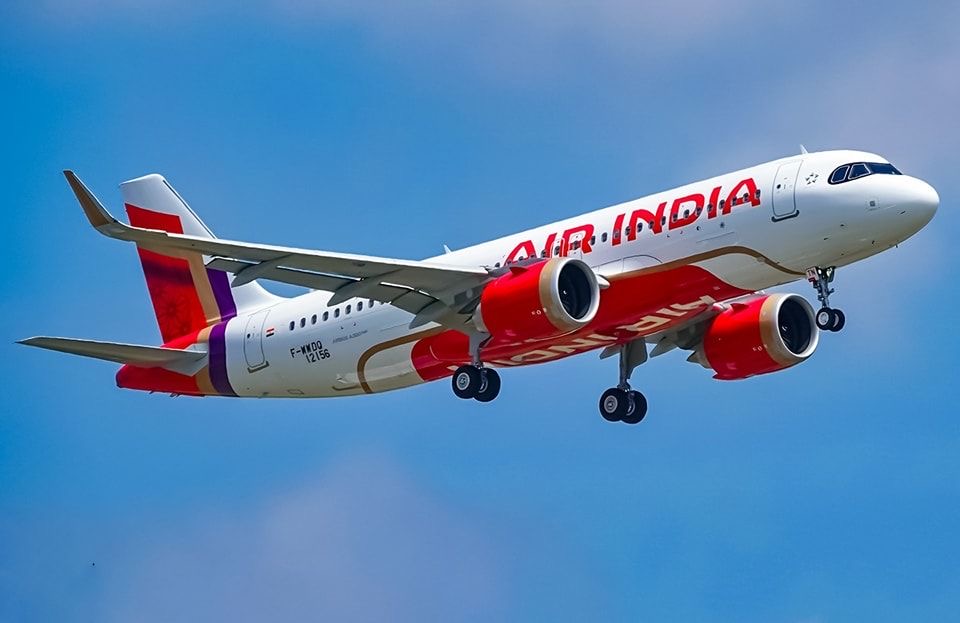
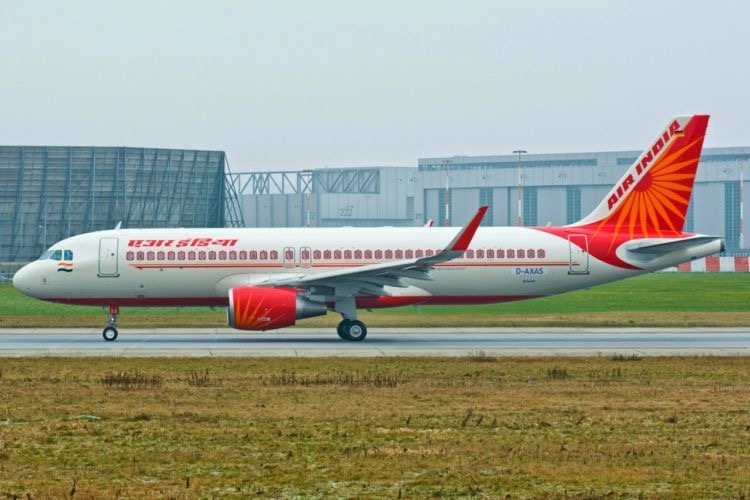
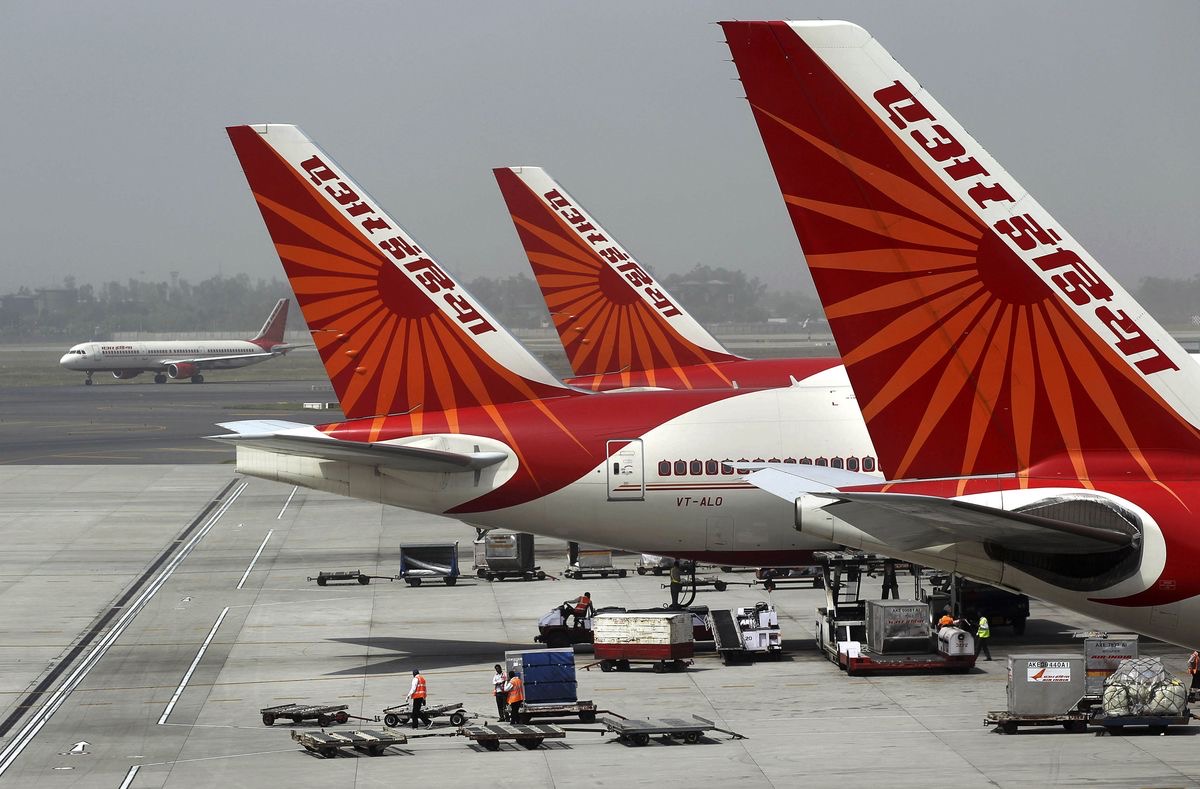
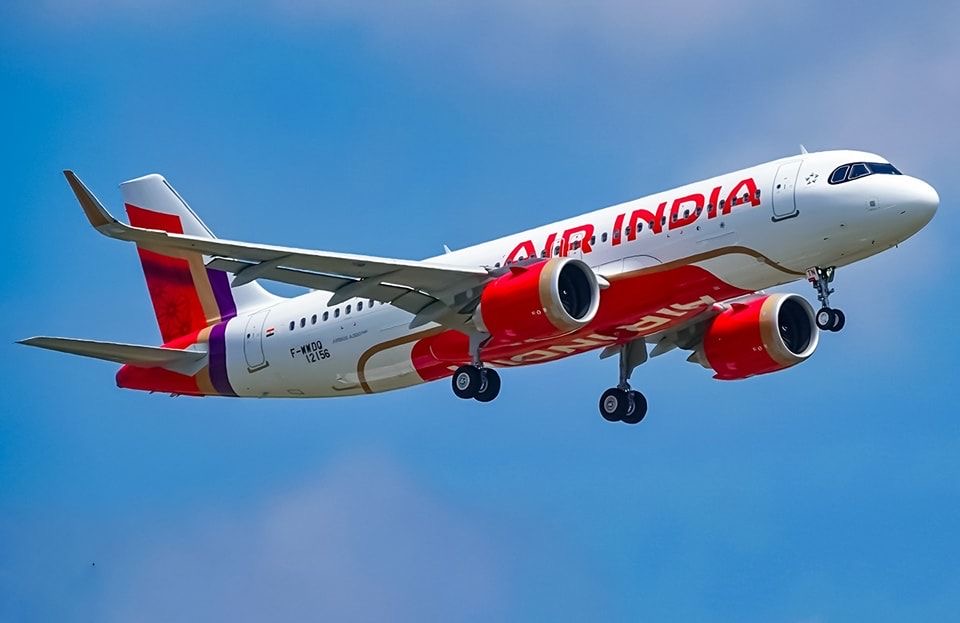
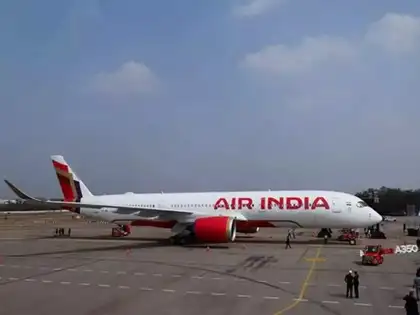
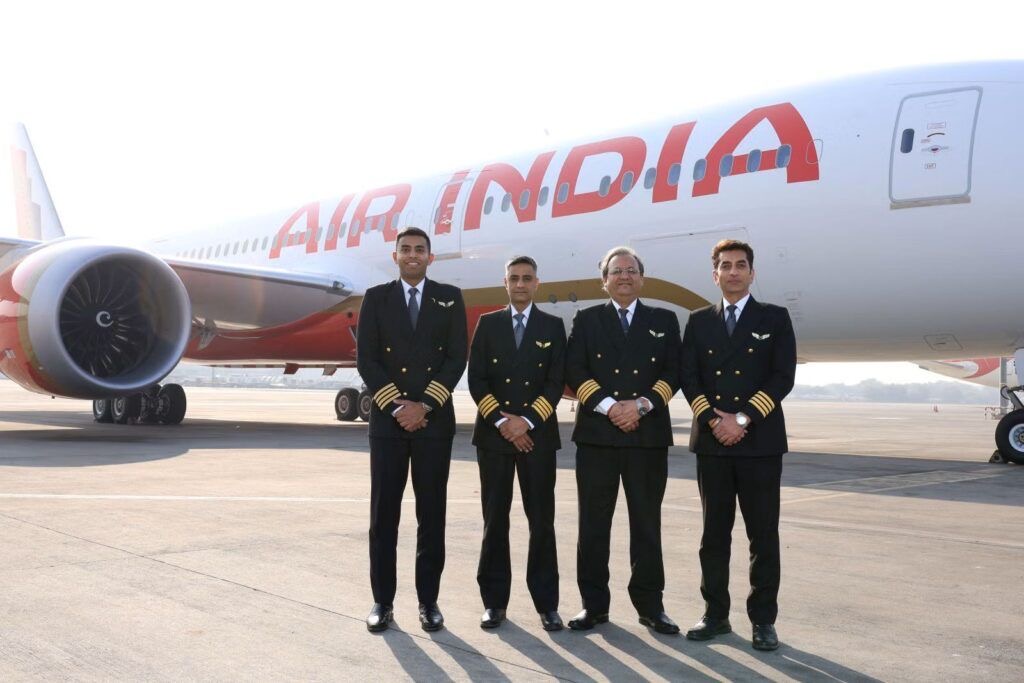
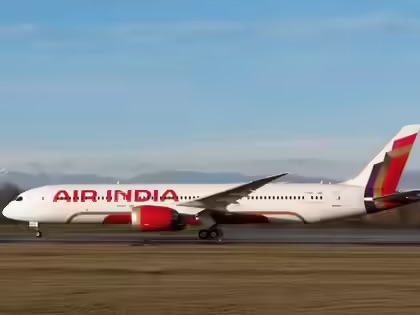
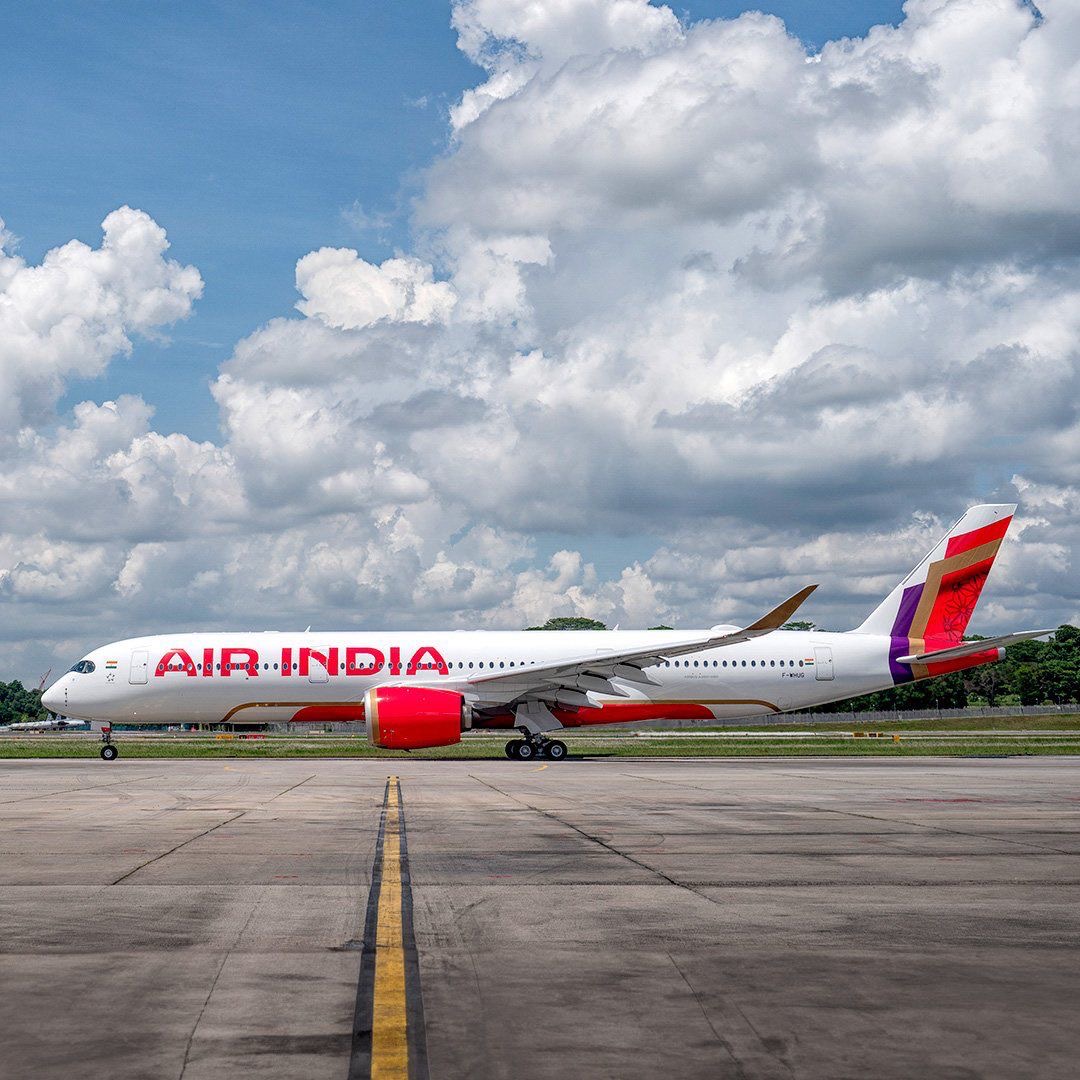
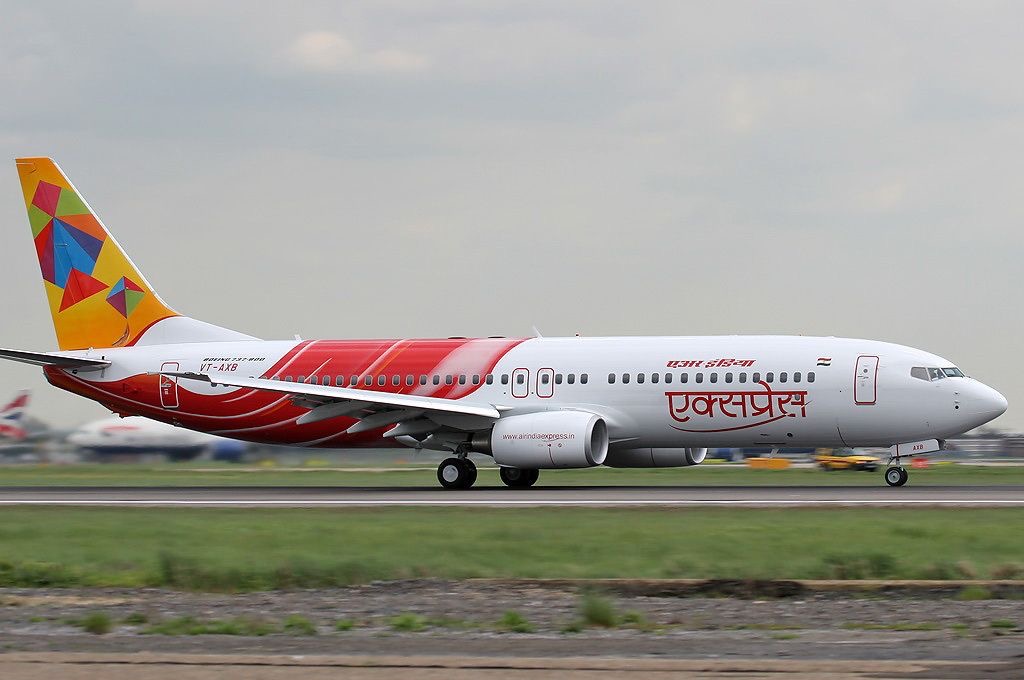
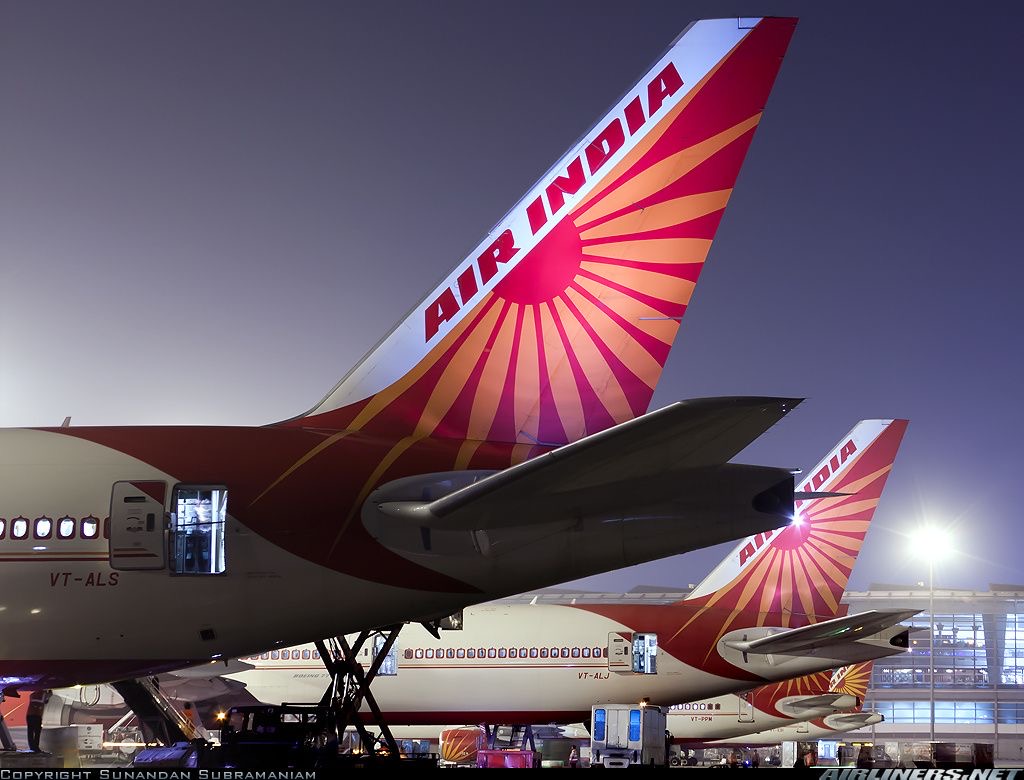
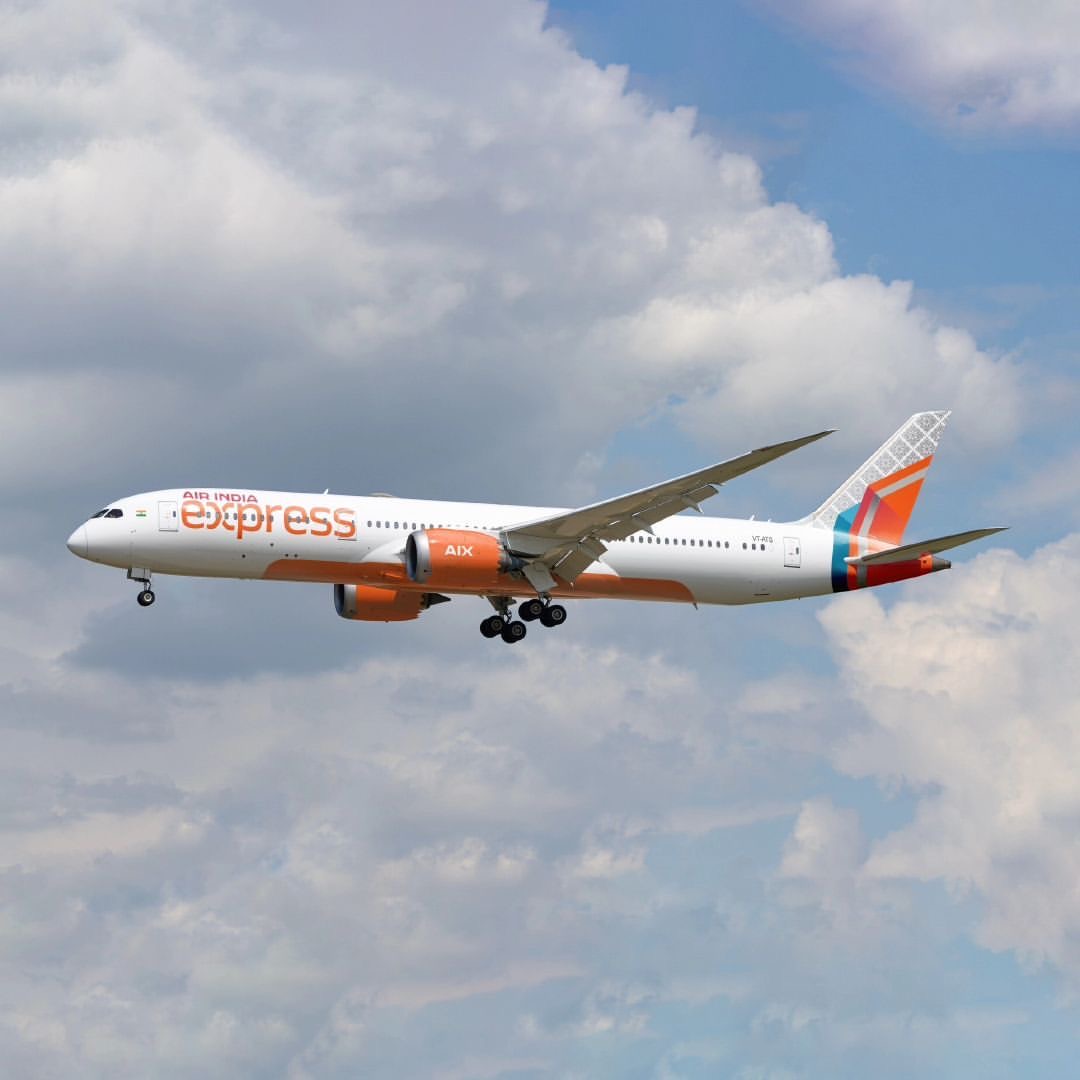
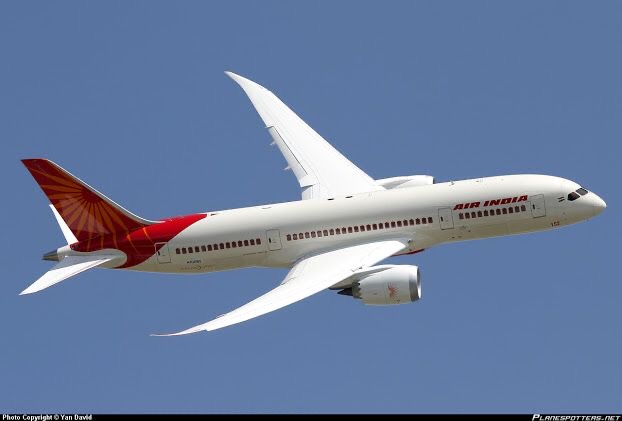
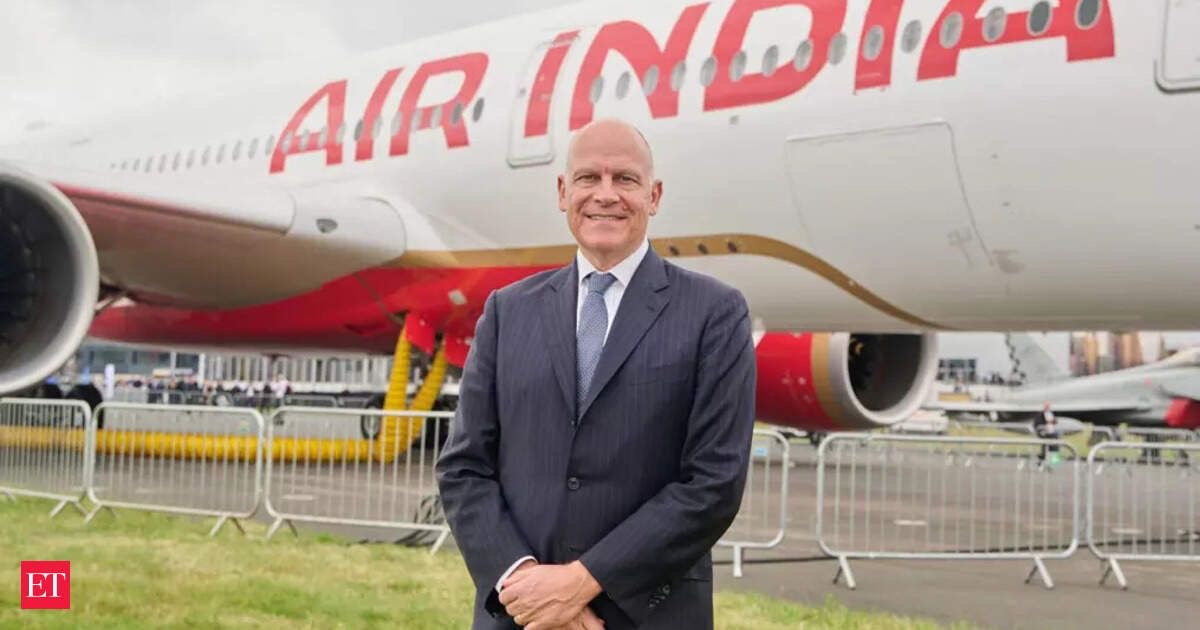
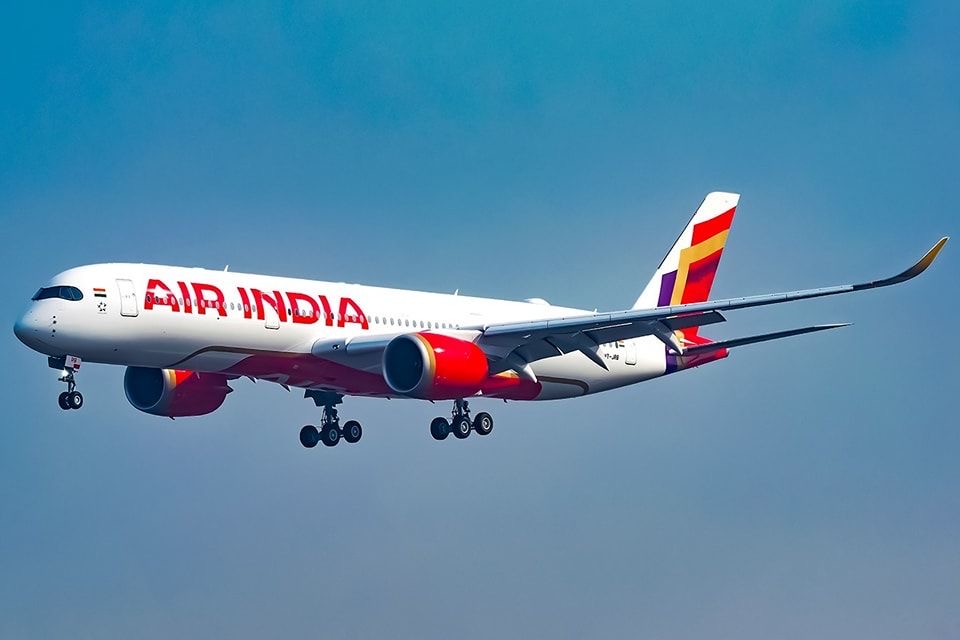
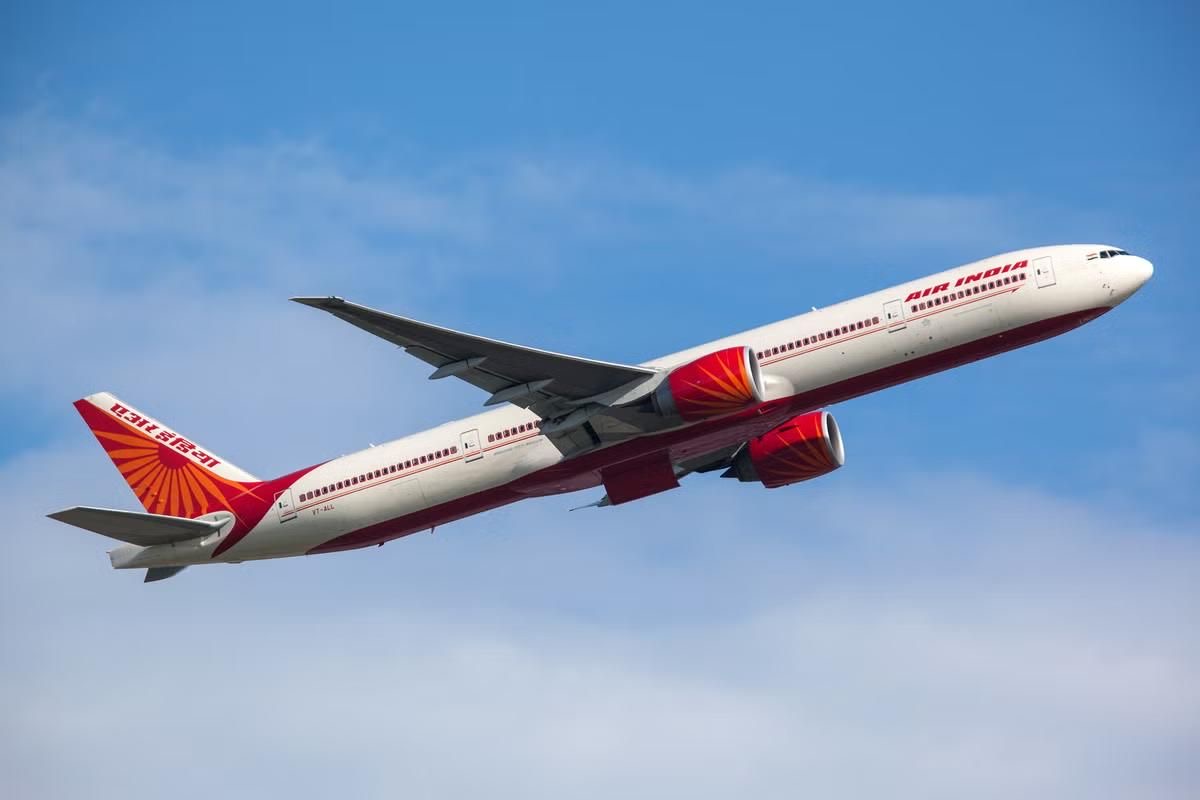
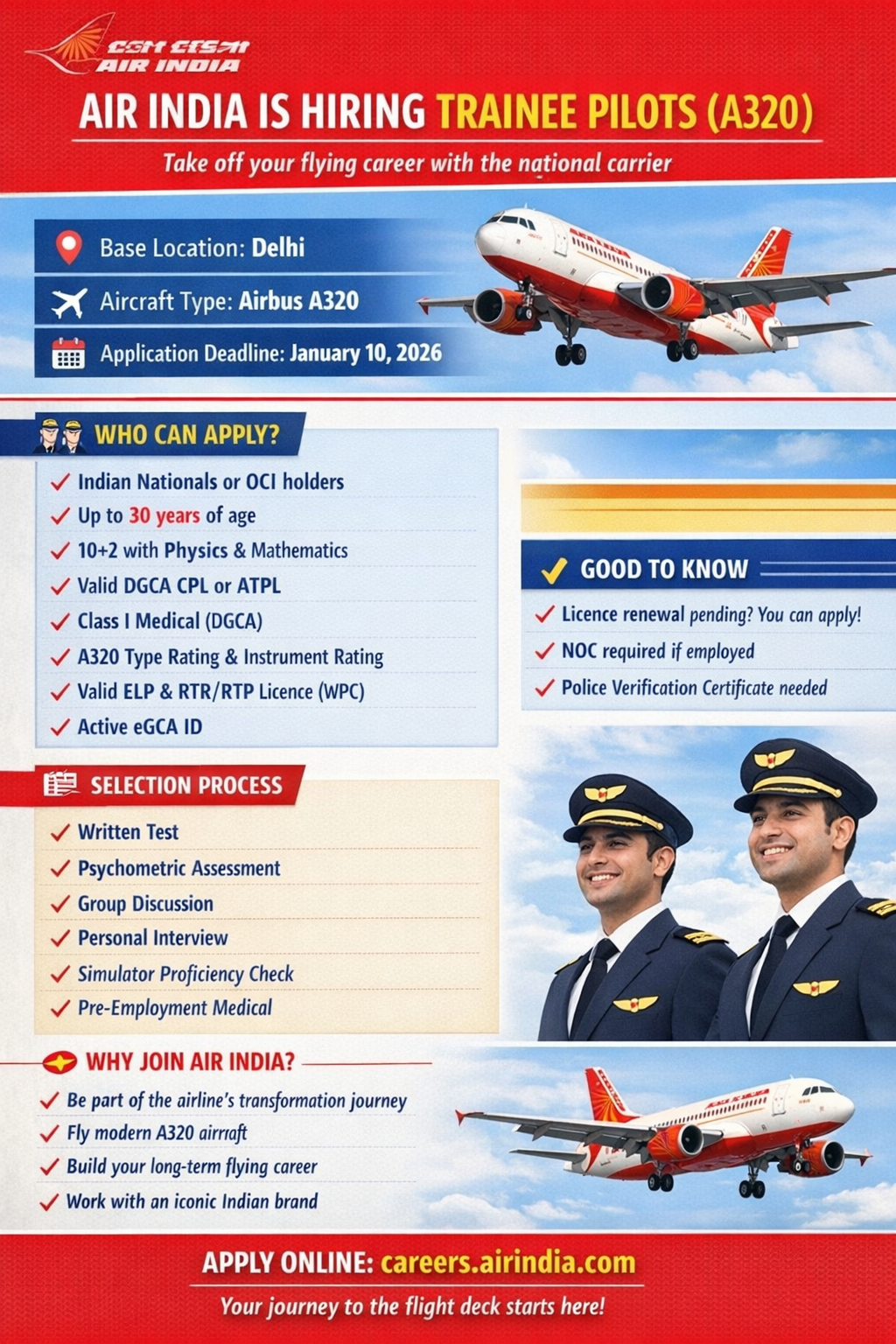
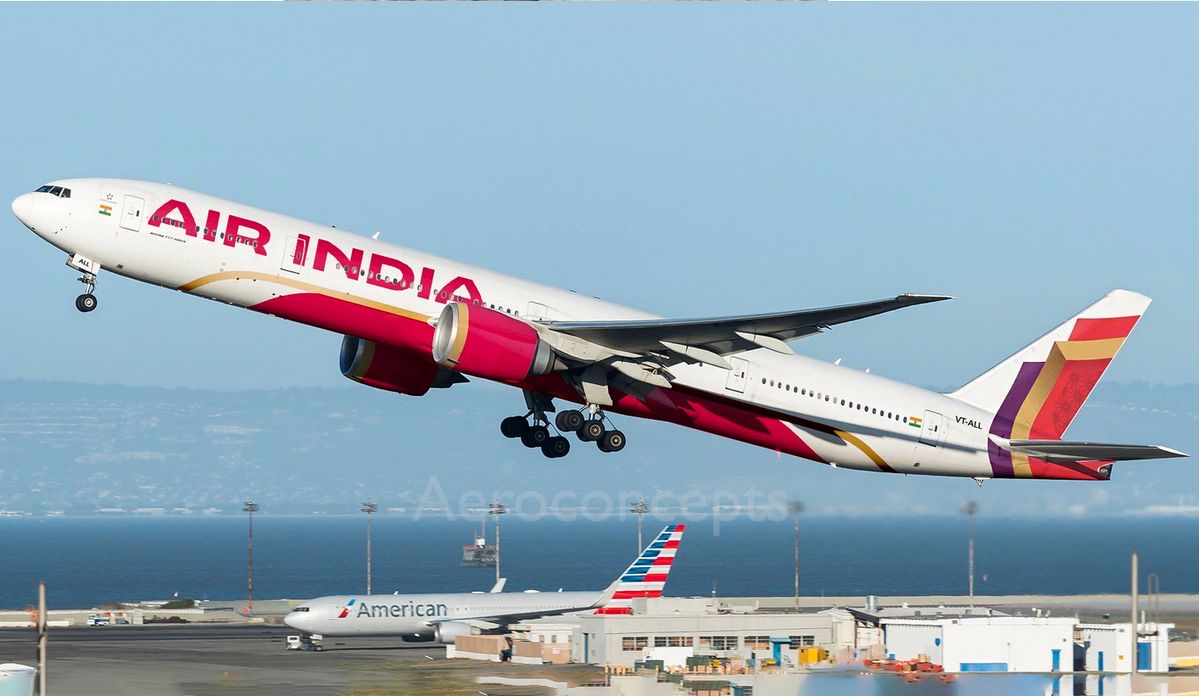
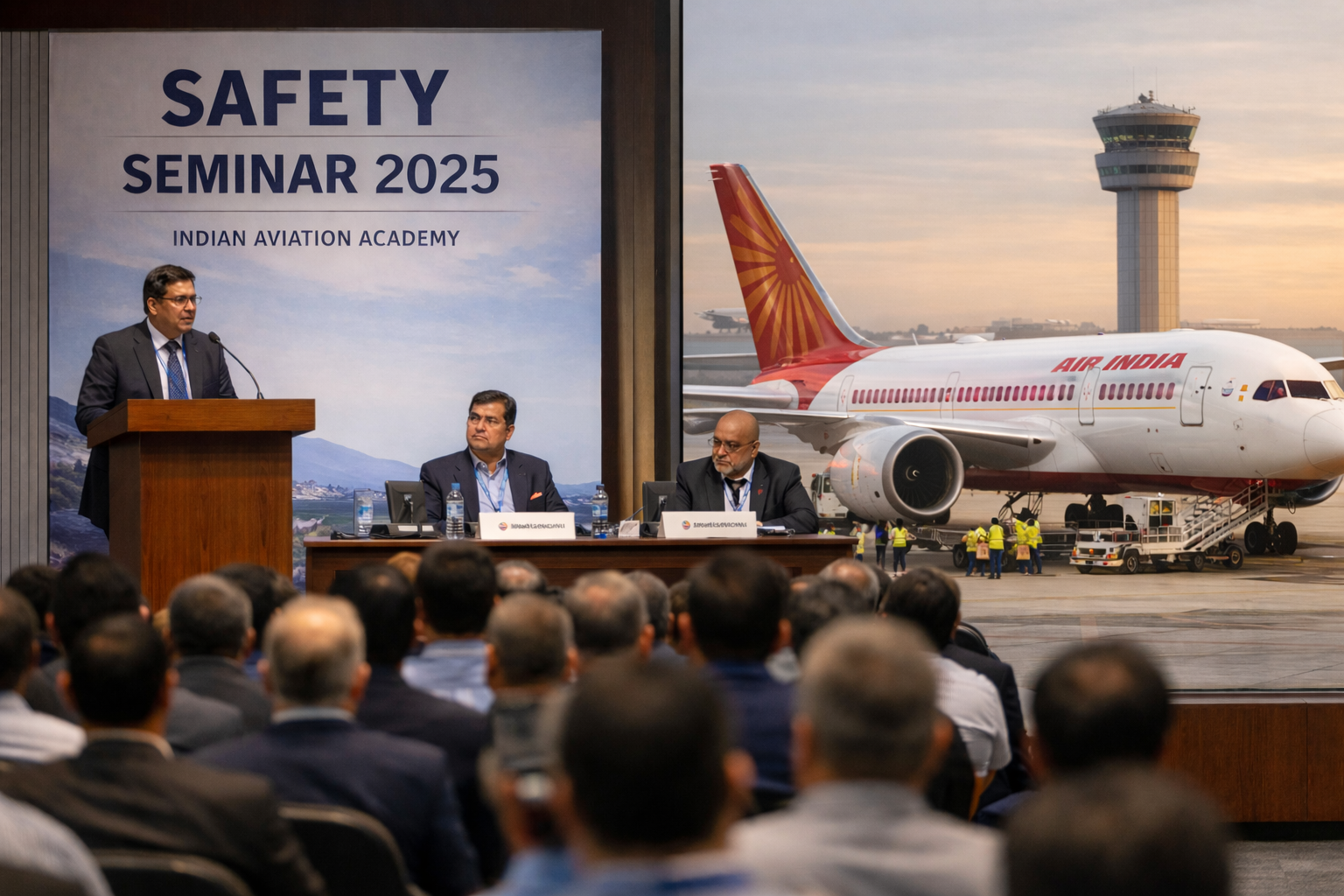
Air India has also reported strong representation of women in its cockpit crew. Around 15 percent of the airline’s pilots are women, making it one of the airlines with the highest number of female pilots globally. The airline has long been recognised for encouraging women in aviation roles and has frequently operated special flights staffed entirely by women crews to celebrate milestones such as International Women’s Day.
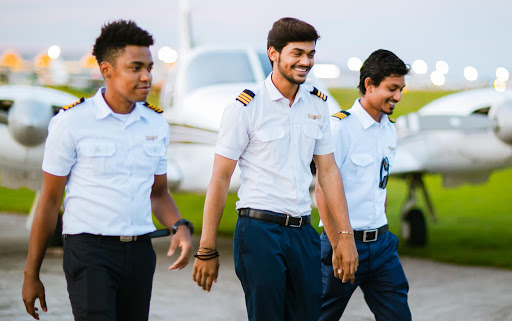
The progress seen at these airlines reflects a broader trend within India’s aviation sector. Across the country, women now account for roughly 15 percent of commercial pilots, which is nearly three times higher than the global average. This makes India one of the world leaders in female pilot participation, despite aviation historically being a male-dominated profession.
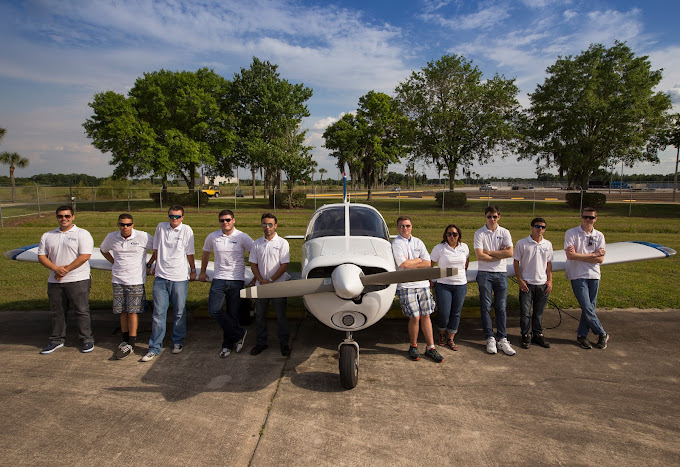
Several factors have contributed to this growth. India’s rapidly expanding aviation market has created a strong demand for pilots, opening opportunities for aspiring aviators regardless of gender. Additionally, airlines have increasingly introduced diversity initiatives aimed at encouraging women to pursue aviation careers. These initiatives include mentorship programmes, targeted recruitment efforts, and training support for aspiring female pilots.
Industry leaders say that visibility also plays a key role in inspiring the next generation. As more women take up command roles and become captains on commercial aircraft, young girls interested in aviation are increasingly able to see real examples of women succeeding in the field. This growing representation is helping change perceptions about aviation careers and encouraging more women to enter the profession.
The presence of women in aviation is not limited to cockpit roles alone. Airlines are also seeing increased participation of women in engineering, flight operations management, airport services, and leadership positions. Many aviation companies have adopted broader diversity and inclusion strategies aimed at ensuring equal opportunities across the workforce.
India’s aviation growth is expected to continue for decades as passenger demand rises and airlines expand their fleets. With thousands of new pilots likely to be required in the coming years, industry experts believe that women will play an increasingly important role in meeting this demand.
The strong representation of women pilots at airlines such as IndiGo and Air India demonstrates how the aviation sector in India is evolving. By fostering diversity and creating opportunities for women in highly technical roles, the industry is not only strengthening its talent pool but also setting an example for aviation markets around the world.