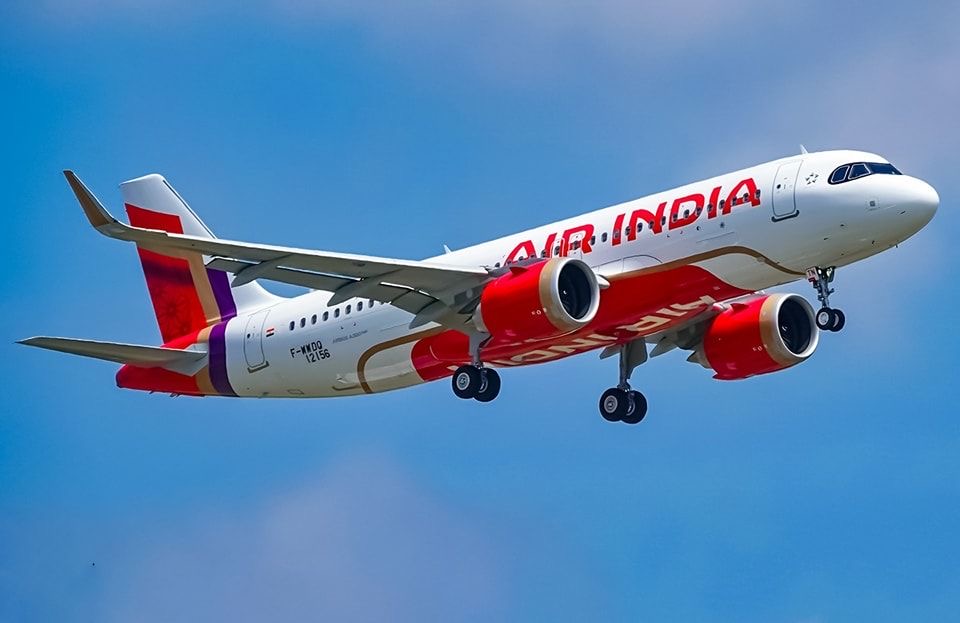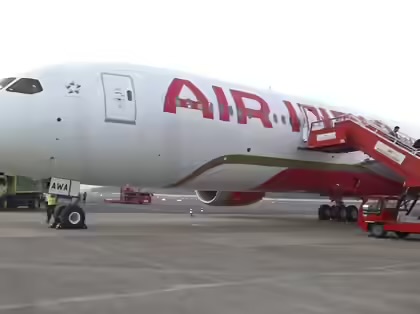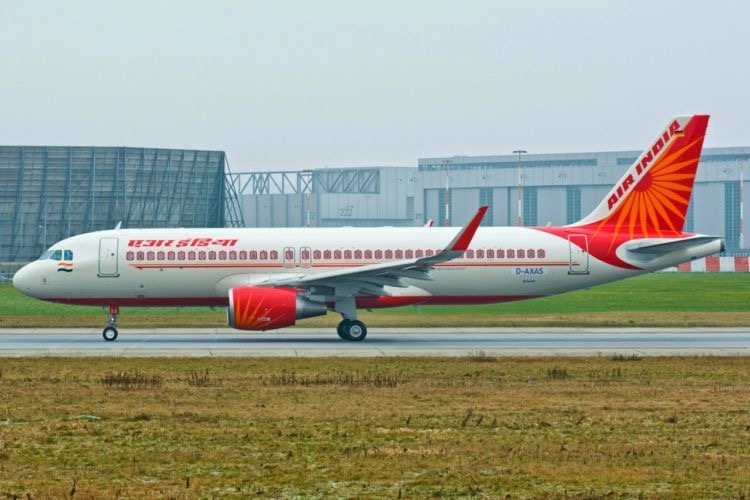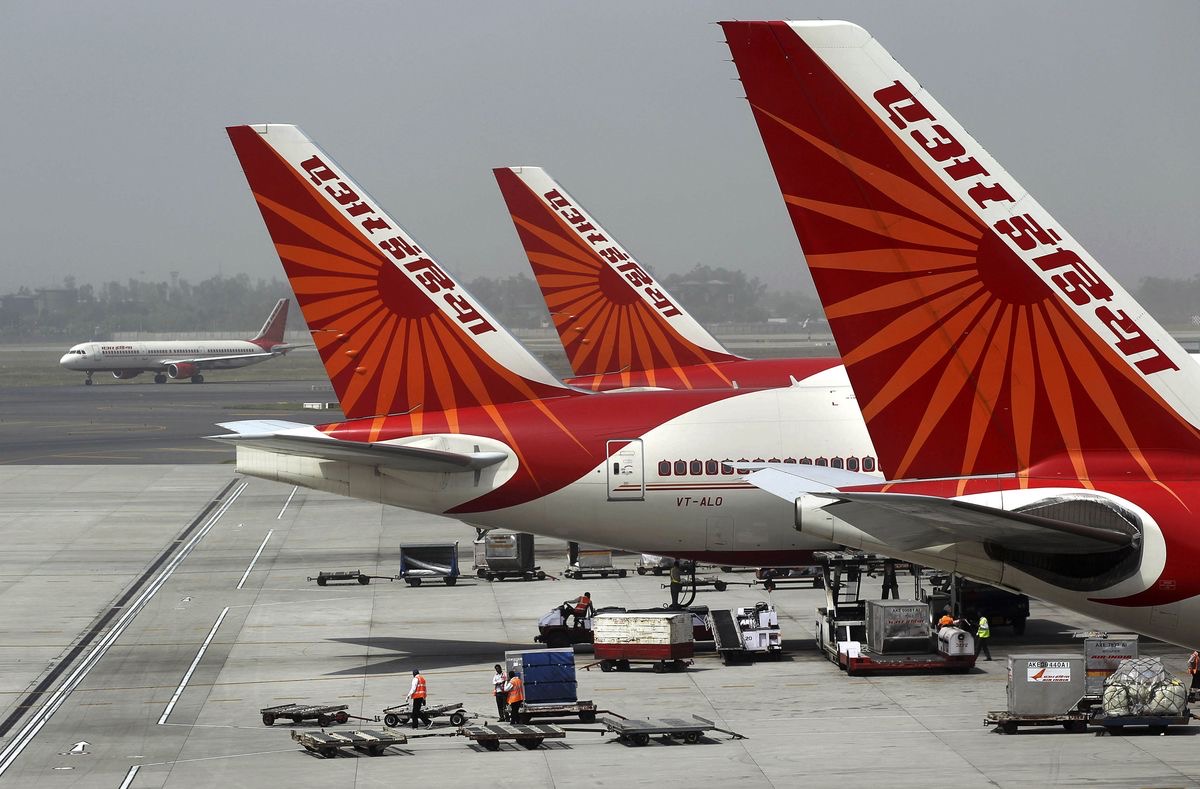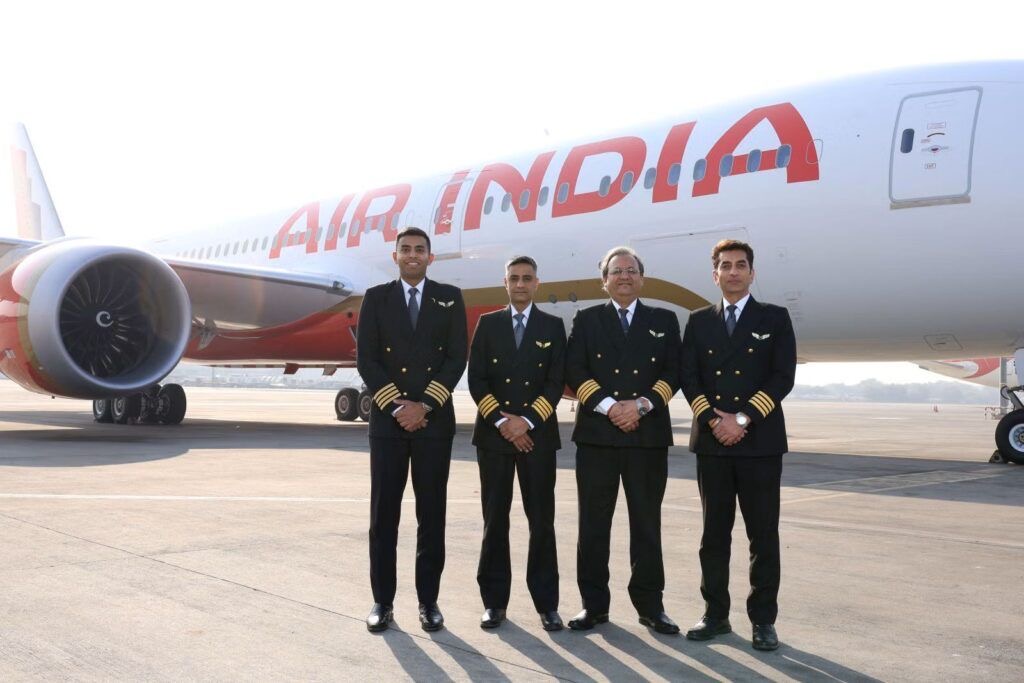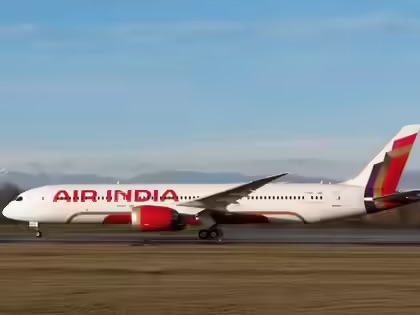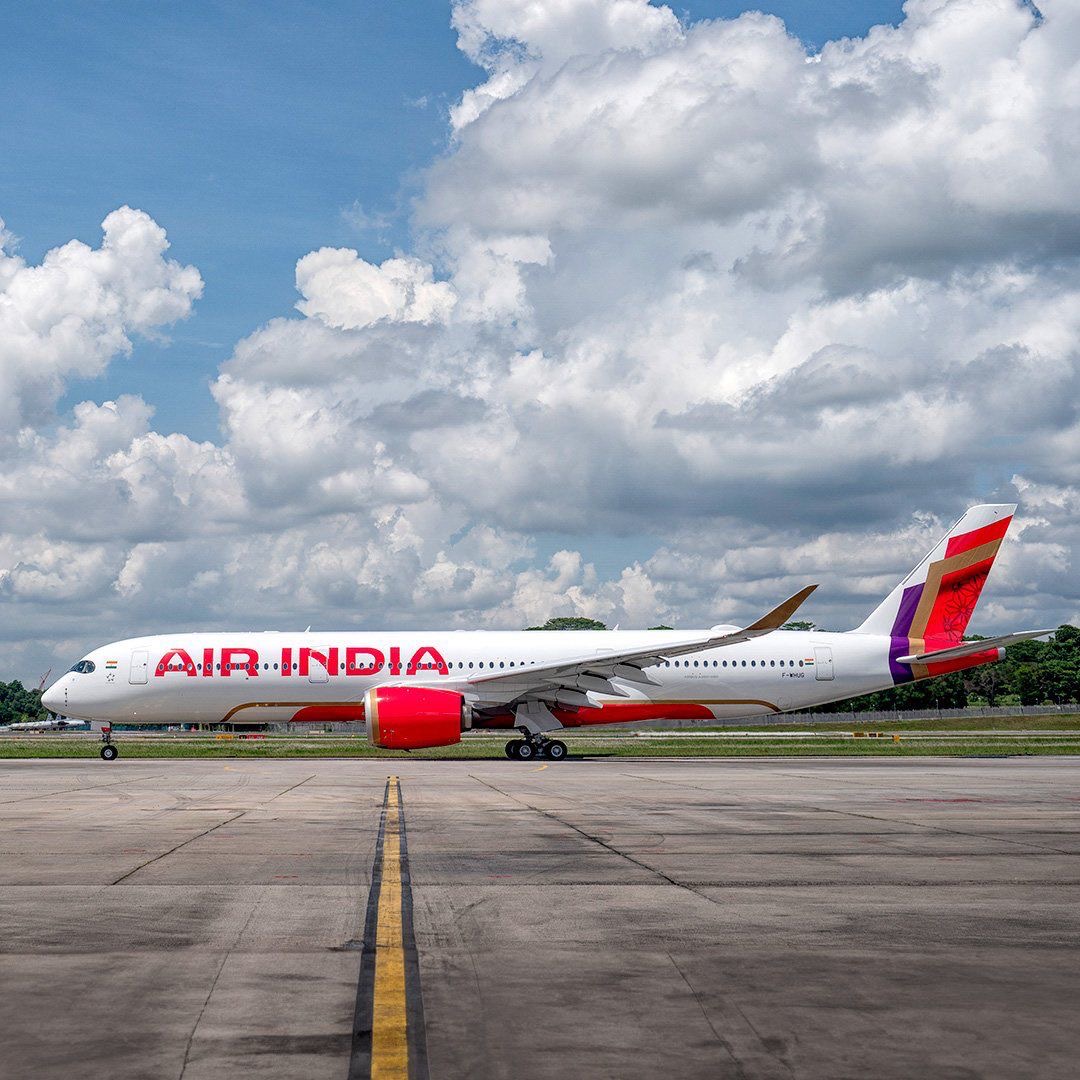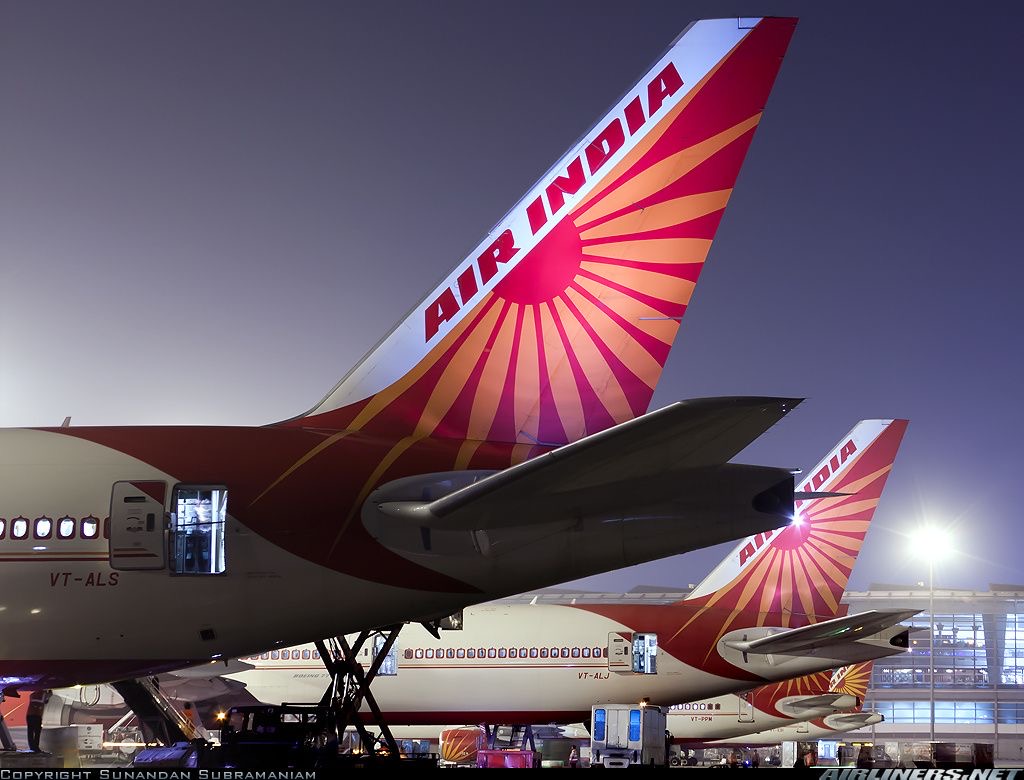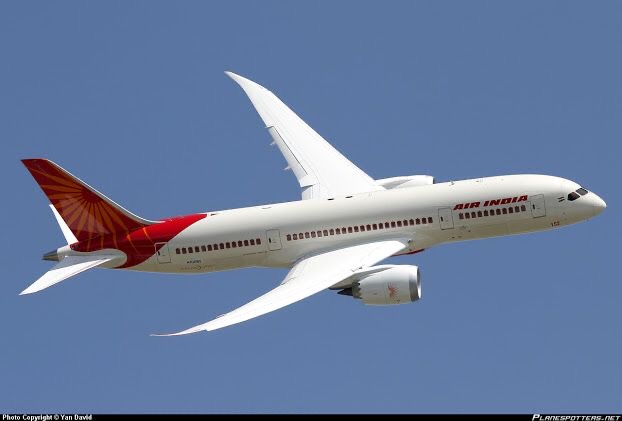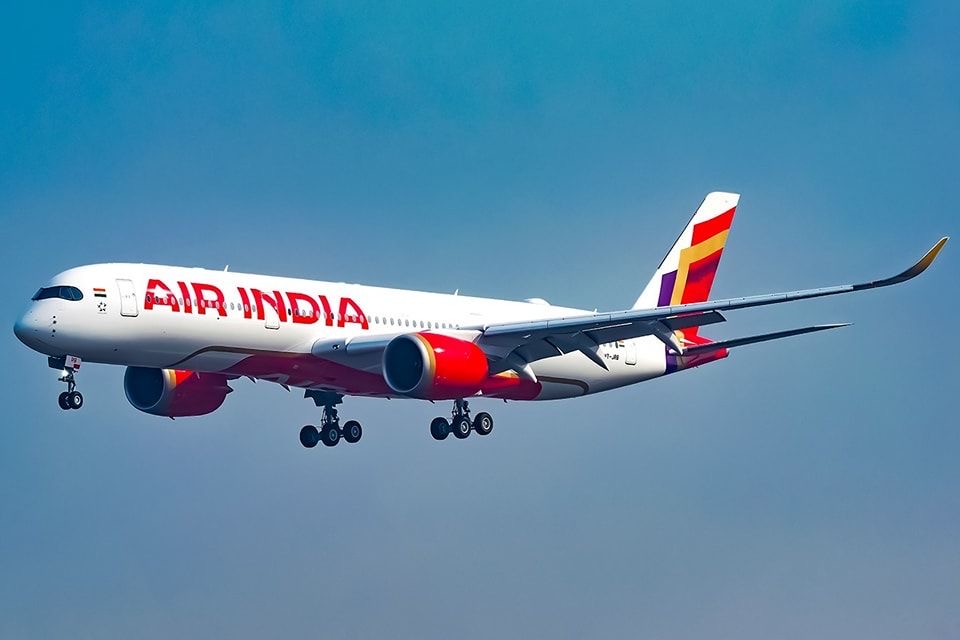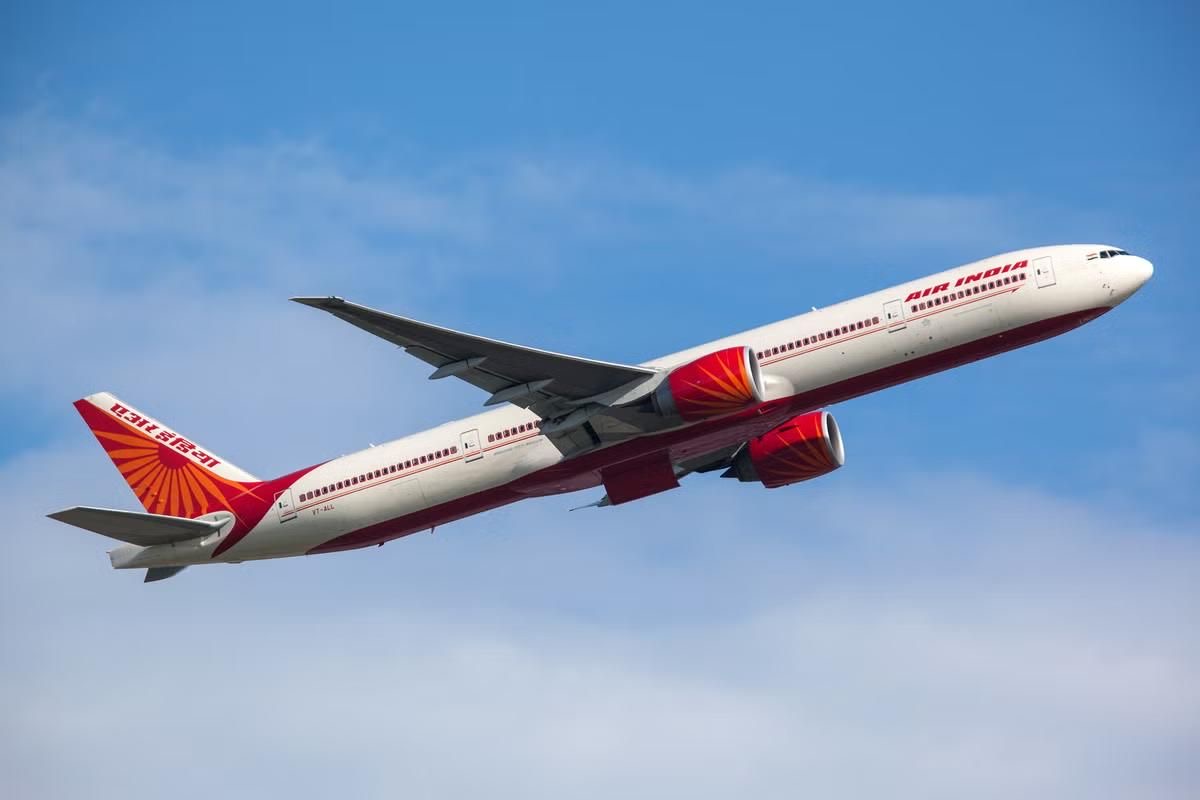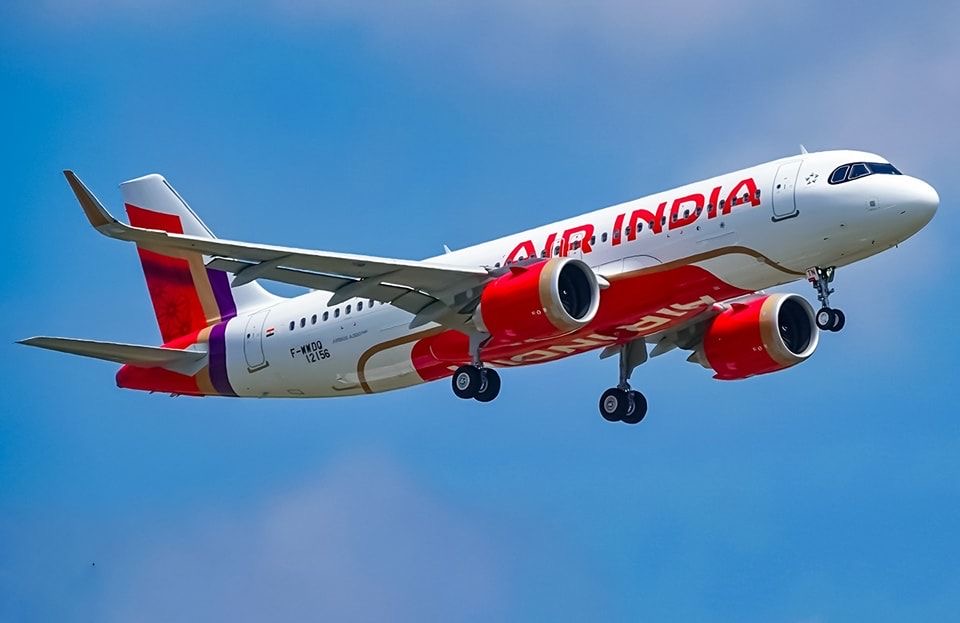
India’s civil aviation regulator, the Directorate General of Civil Aviation (DGCA), has determined that a recent fuel control switch issue on an Air India Boeing 787 Dreamliner was caused by incorrect handling during aircraft operation and not by a mechanical fault in the aircraft’s systems. The findings come from a detailed regulatory investigation into an earlier incident in which a pilot reported irregular fuel switch behaviour after a long-haul flight.
The DGCA’s report, issued after a technical review and data analysis, concluded that the Dreamliner’s fuel control switch a cockpit component used to manage fuel delivery to the engines was not operated in accordance with prescribed procedures, leading to the anomaly observed by the flight crew. The regulator examined aircraft maintenance records, flight data and crew statements before arriving at its conclusion, underlining that all mechanical checks and system tests showed the aircraft’s hardware and software were functioning properly.
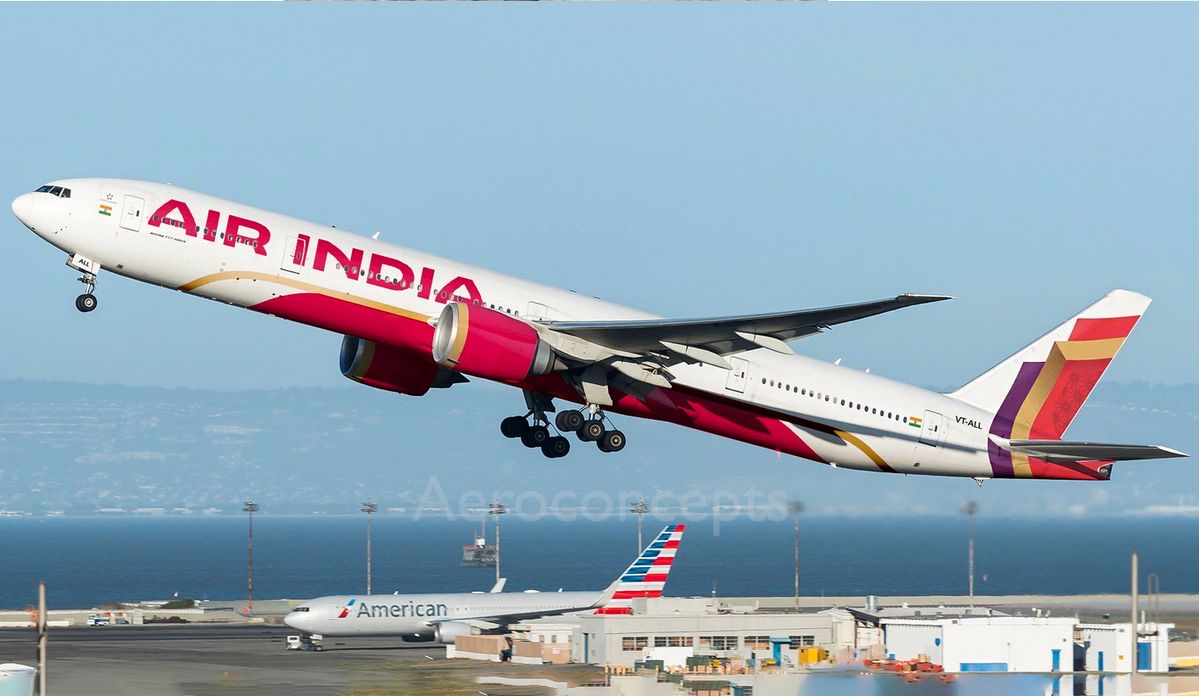
Air India had grounded the specific Boeing 787-8 involved in the earlier report as a precaution while further inspections were carried out. Other aircraft in its 787 fleet continued regular operations without disruption. Once the DGCA review indicated a procedural handling issue rather than a technical defect, the aircraft was cleared to return to service following normal maintenance checks.
Fuel control switches are critical for ensuring proper engine performance and are subject to strict operational protocols. Pilots receive specific training on how and when to use these controls, and the DGCA’s report pointed to a deviation from standard handling procedures as the trigger for the earlier alert reported by the crew. The regulator did not find evidence of any design flaw or manufacturing defect in the switch or in related aircraft systems.
While the event drew attention because of recent high-profile focus on fuel system monitoring and aviation safety more broadly, the DGCA’s findings suggest that pilot procedural adherence is central to preventing similar alerts. The regulator emphasised that routine training, periodic proficiency checks and adherence to flight operation manuals remain key to safe operations, even on advanced aircraft like the Boeing 787.
Air India welcomed the DGCA’s conclusion, noting that the airline had acted promptly to ground the aircraft, report the issue and cooperate fully with the investigation. Airline officials said they continue to prioritise safety and compliance, and that they will reinforce training on cockpit controls as part of ongoing skill development programmes for flight crews.
The regulator’s conclusion that there was no mechanical defect is likely to reassure passengers and industry partners alike, particularly given the level of scrutiny wide-body aircraft operations receive in the global aviation environment. The DGCA reaffirmed that it conducts such investigations impartially and with detailed technical rigour to ensure clarity on whether issues are system-related, procedural or human-factor in origin.
Safety analysts welcomed the DGCA report, saying that differentiating between mechanical and procedural causes is vital for effective aviation risk management. They noted that instances of incorrect switch handling, while uncommon, highlight the importance of continual emphasis on flight crew training and simulator exposure to a wide range of scenarios, including rare or unexpected alerts.
Air India also indicated that it would share the findings with its pilots and technical teams to reinforce correct operational practices and reduce the likelihood of similar occurrences in the future. The airline’s wider fleet was unaffected by the incident, and normal flight schedules continued without interruption as the DGCA completed its review.
In concluding, the regulator stressed that modern aircraft systems are complex and that thorough investigations are essential to distinguish between hardware malfunctions and human-factor issues. By identifying procedural handling as the root cause, the DGCA’s findings aim to contribute to safer, more informed operations across the aviation community.