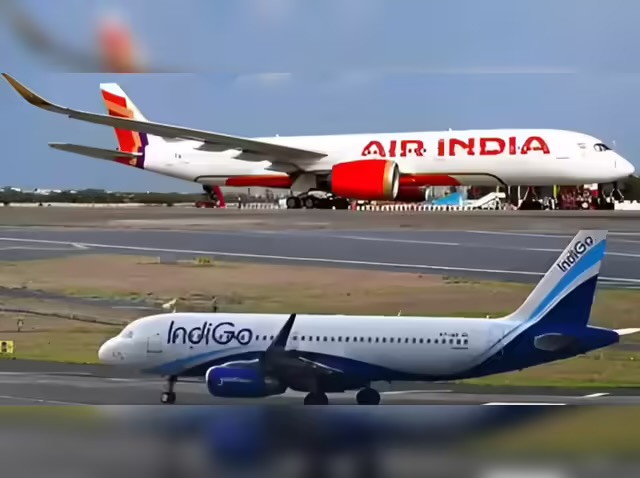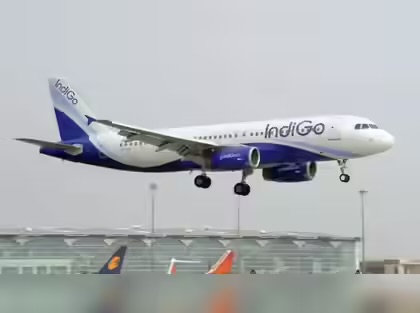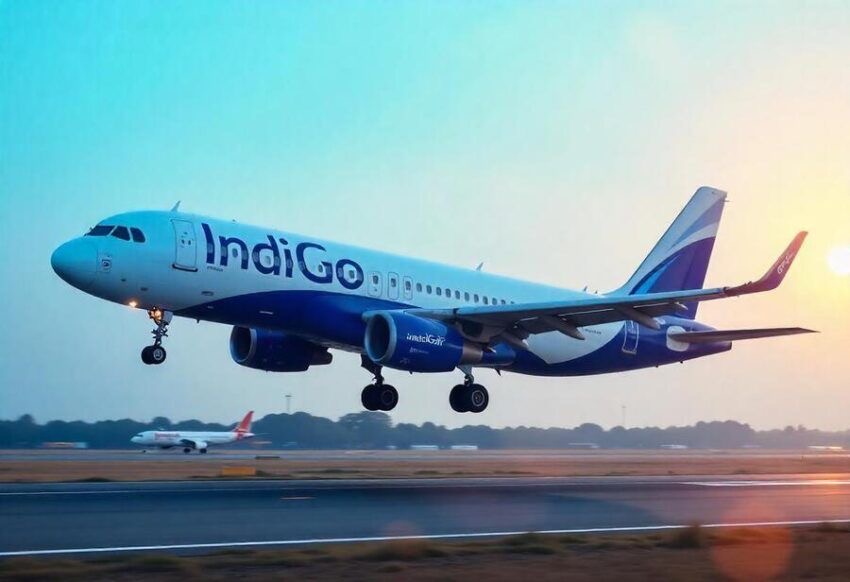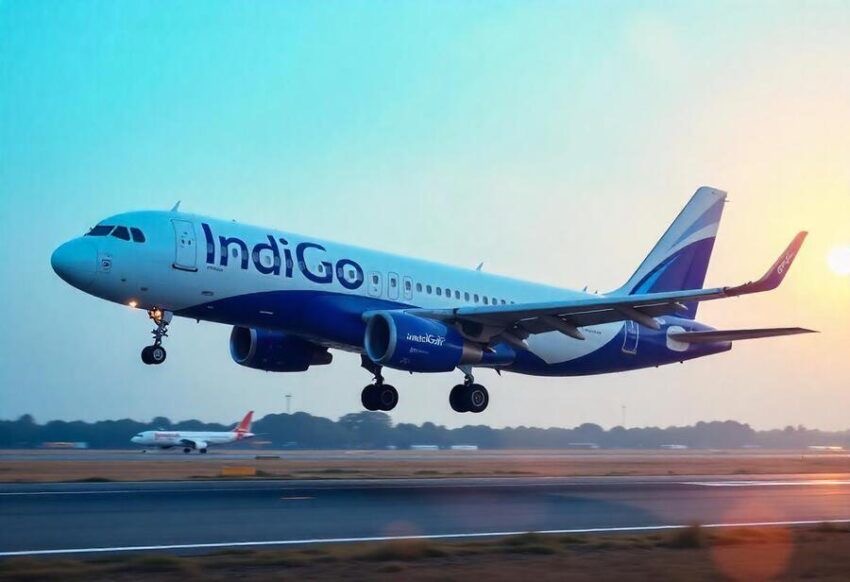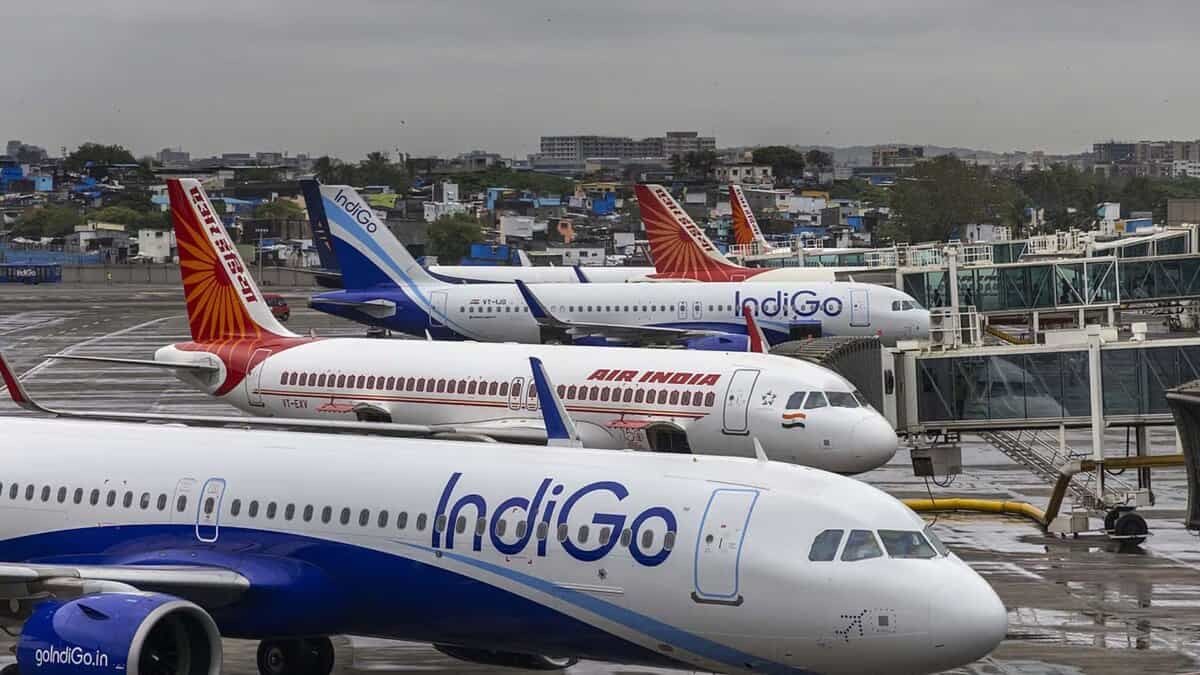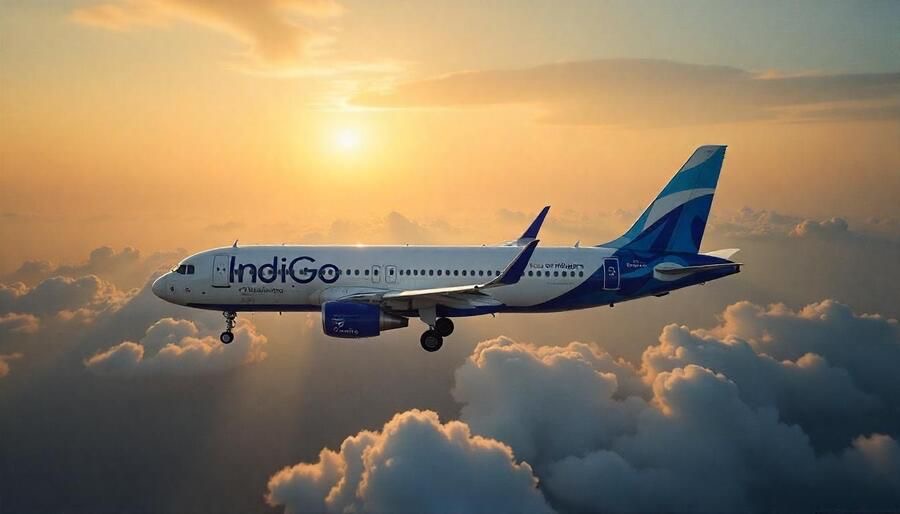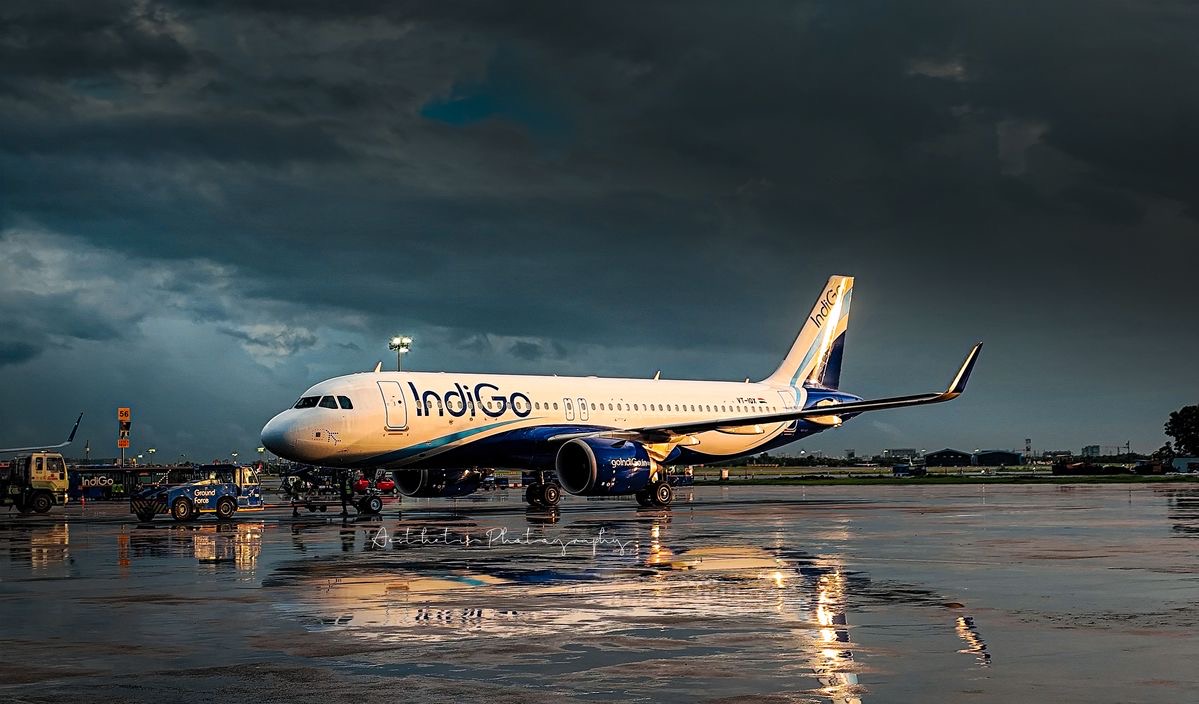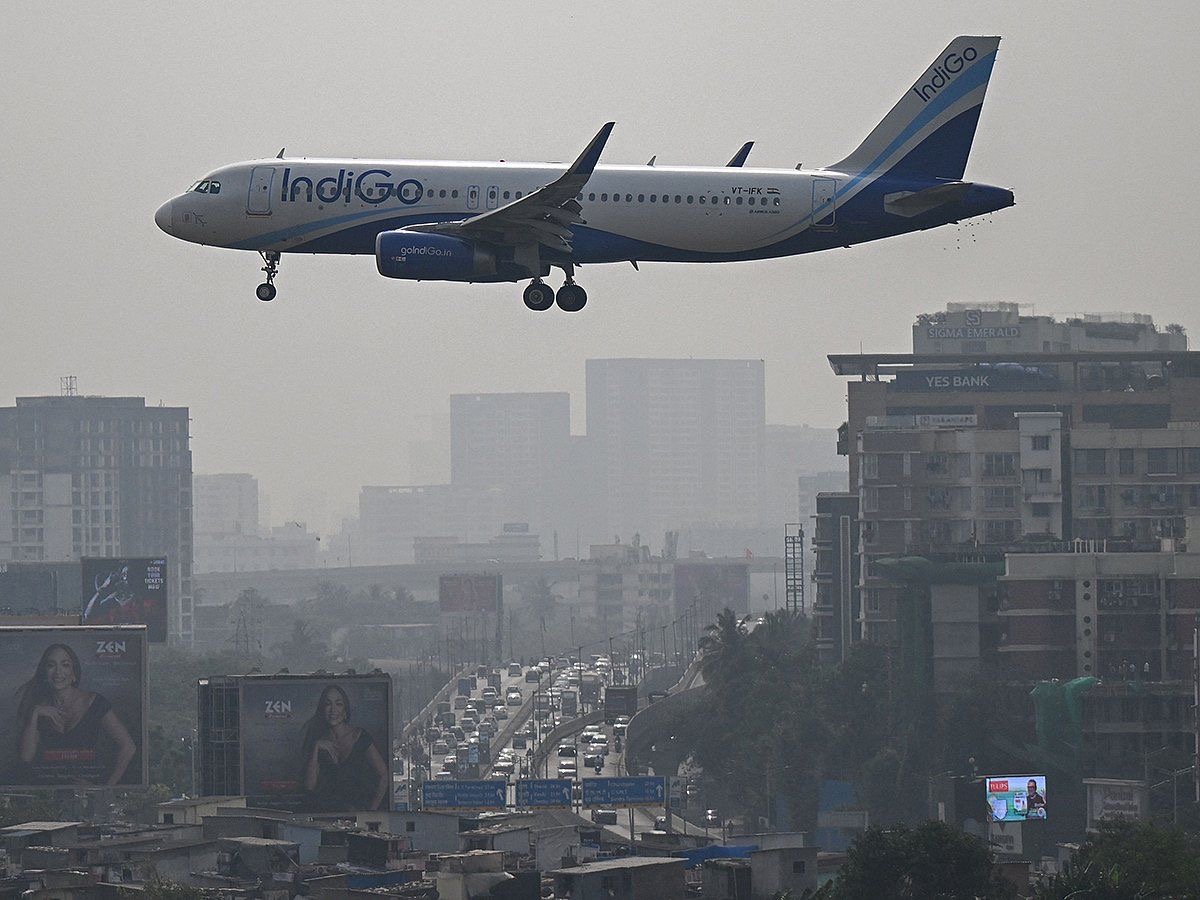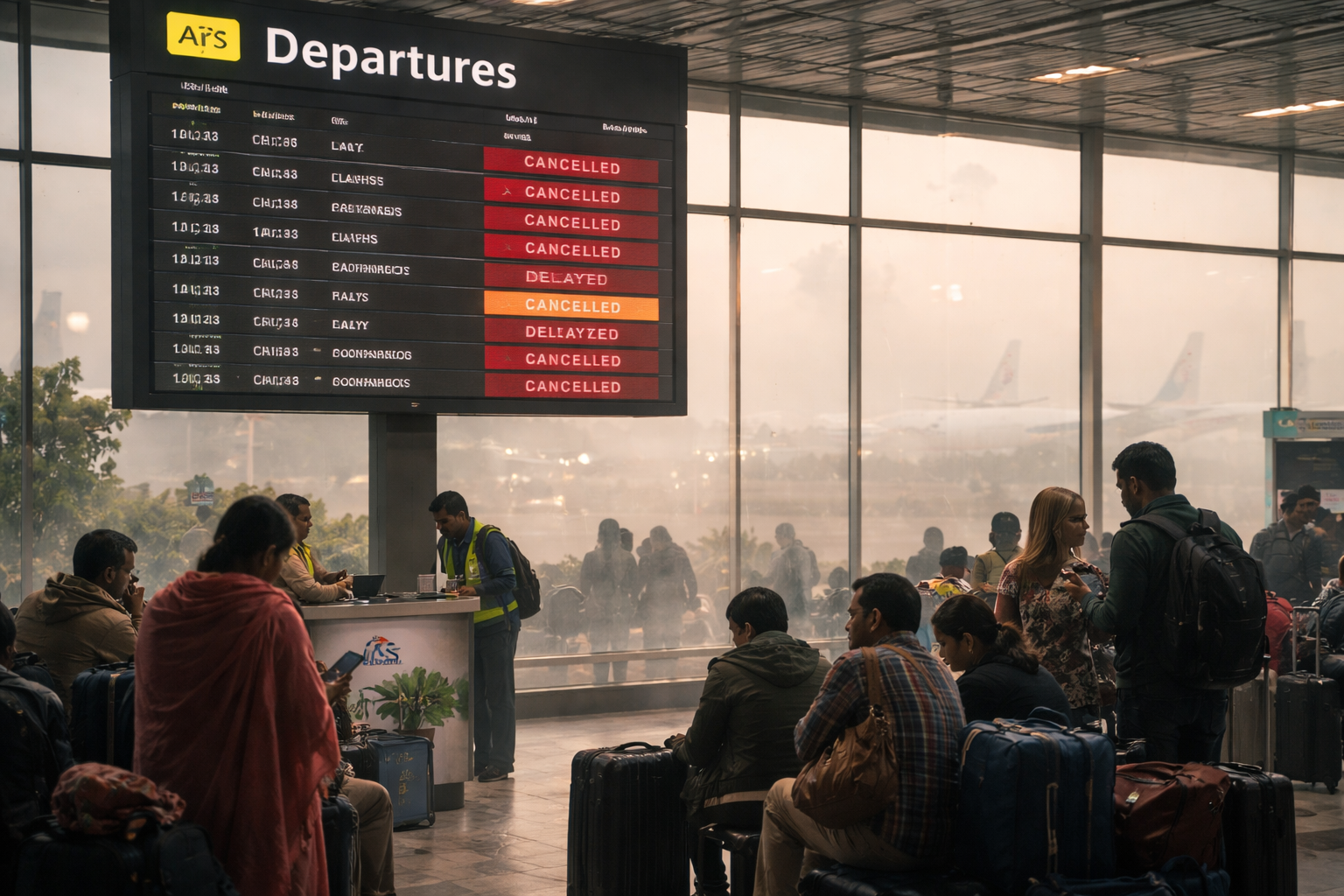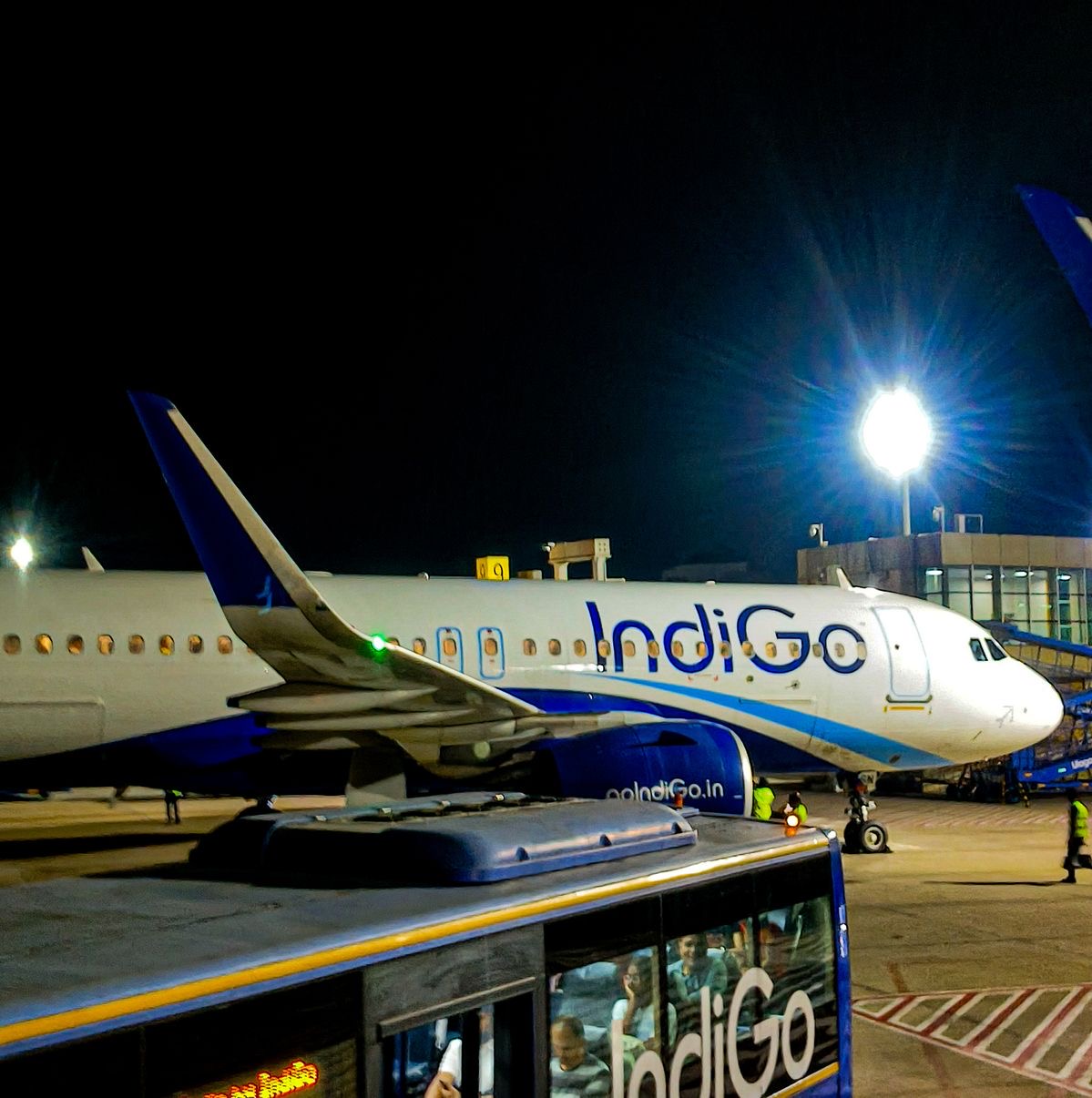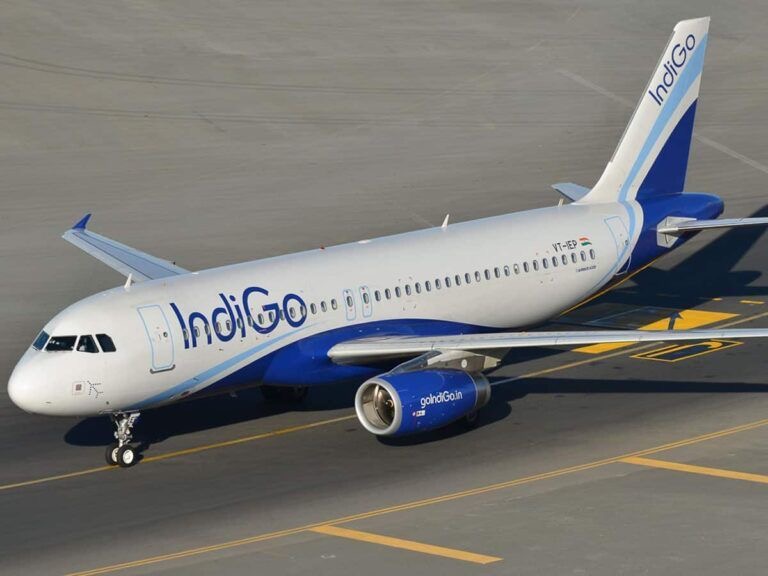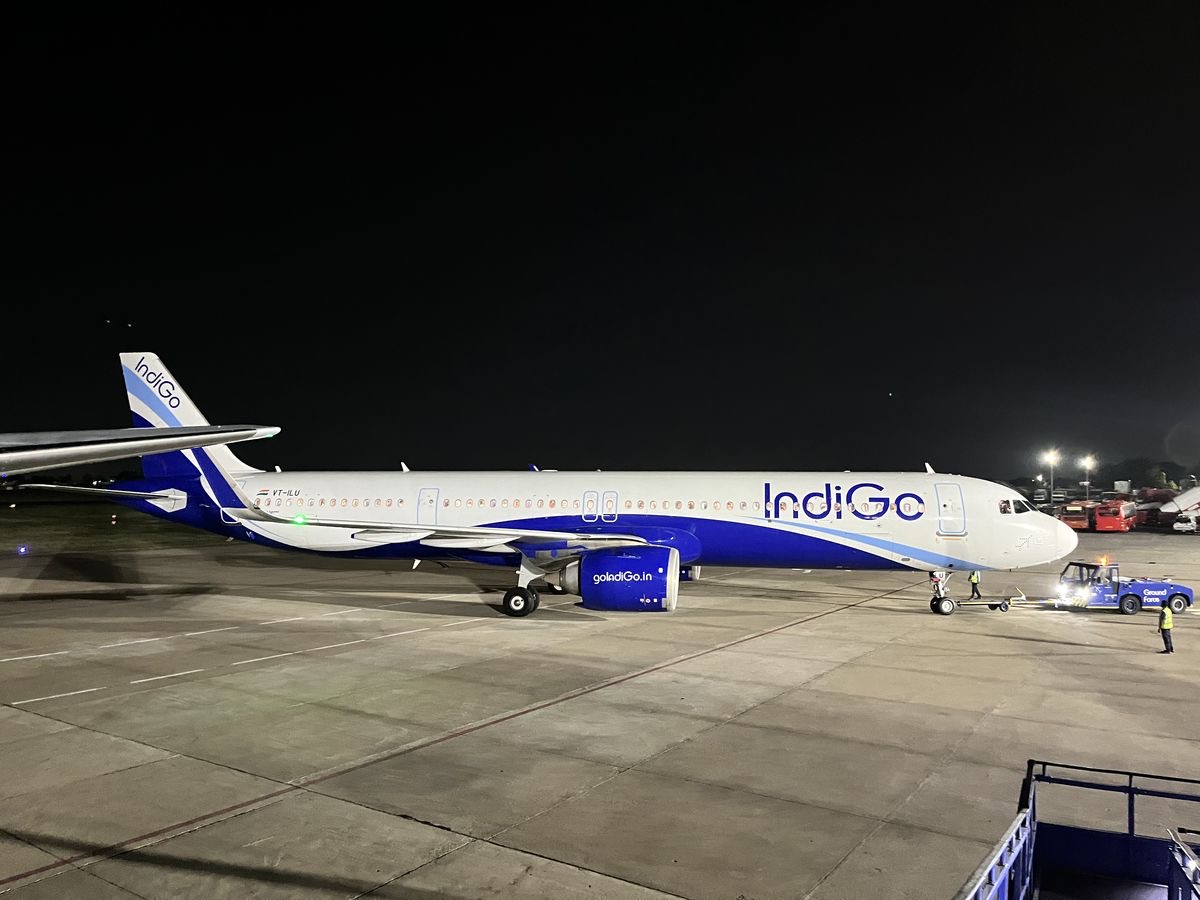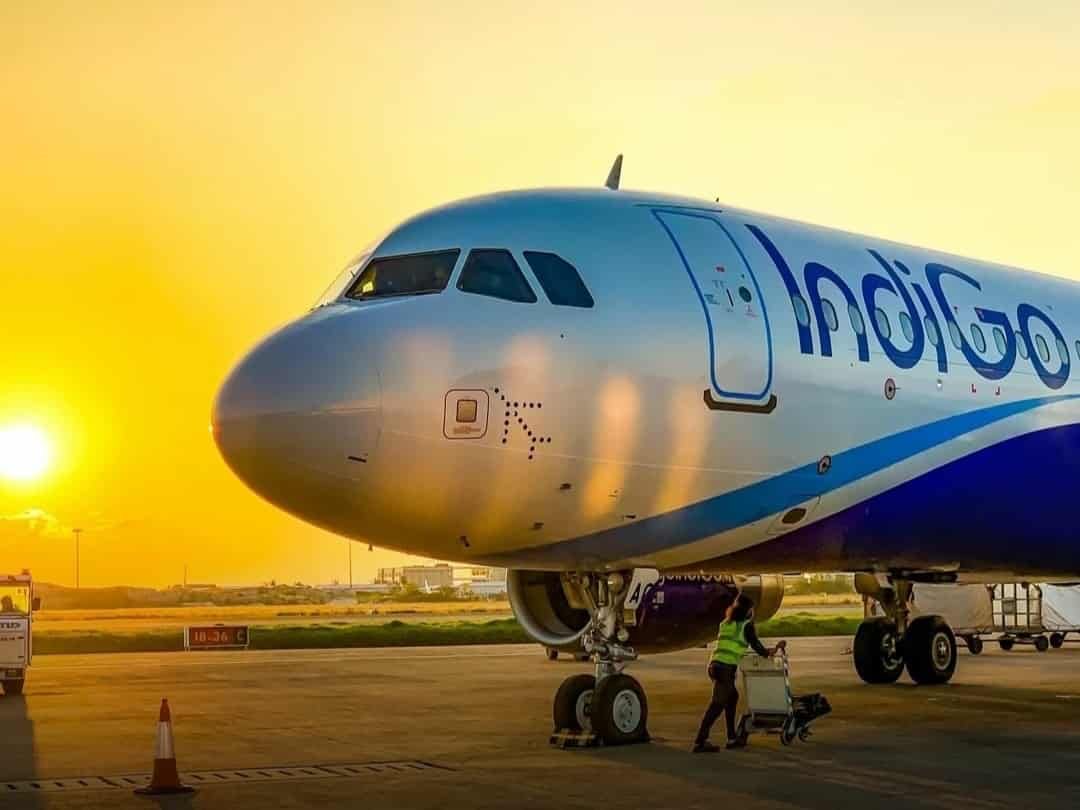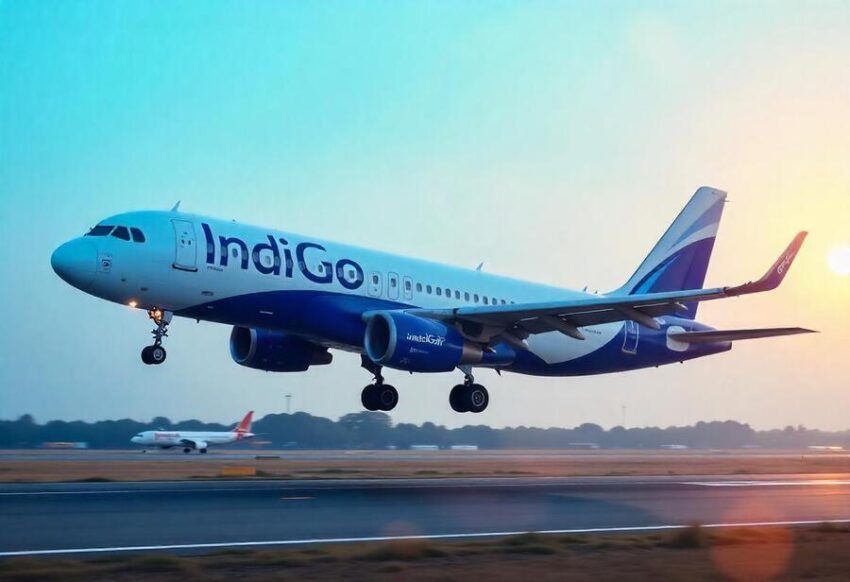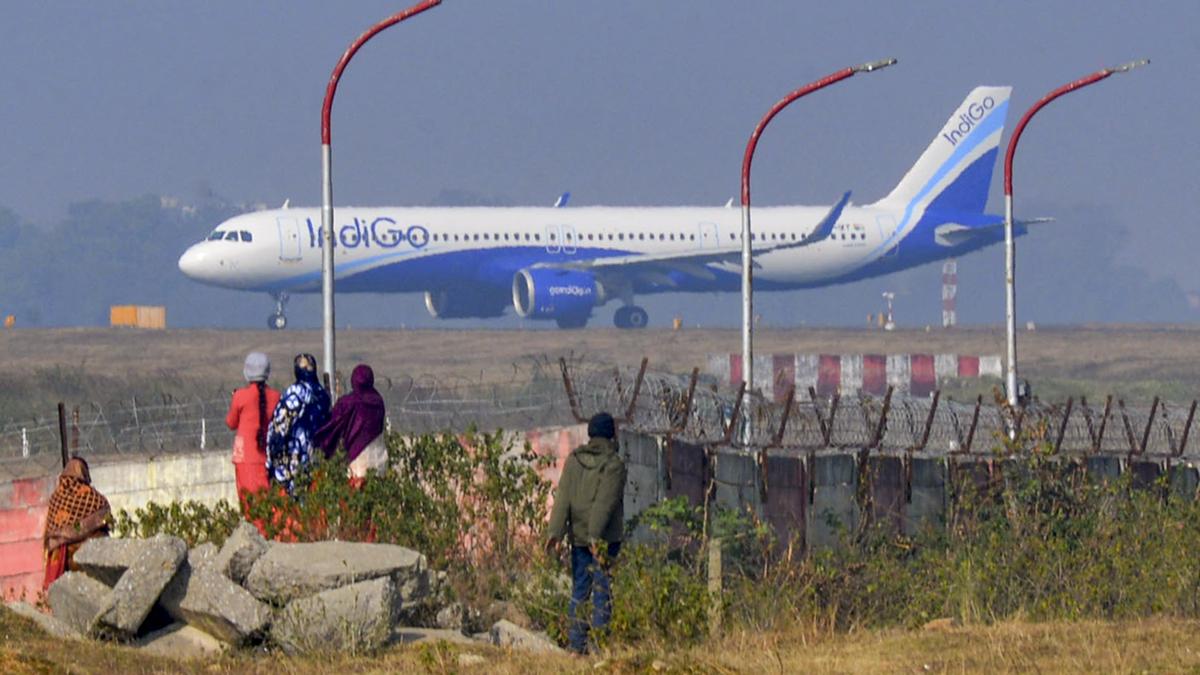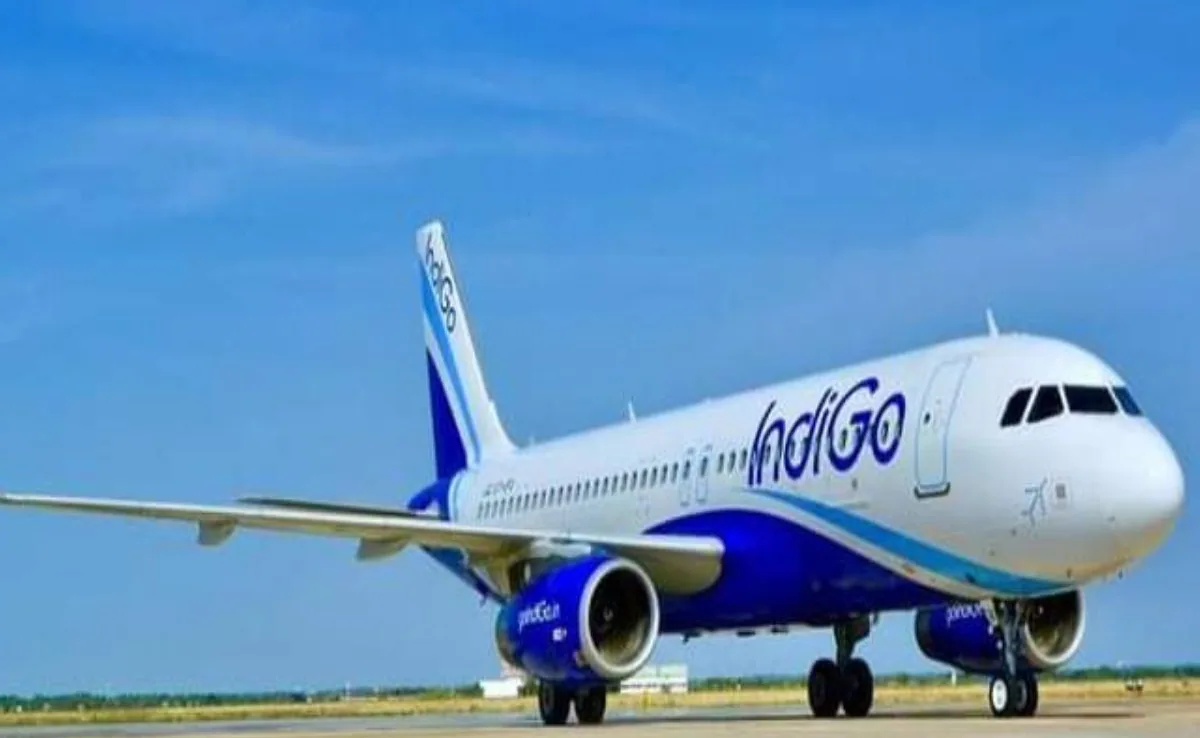
The Delhi High Court has taken a strong stance in an ongoing dispute between passengers and IndiGo over airline refunds and compensation following large-scale flight disruptions. The court has said that issuing refunds alone is not enough and has asked the airline to clearly spell out what additional forms of compensation it proposes to offer affected travellers, underscoring that passengers deserve fair and transparent treatment beyond just returning ticket money.
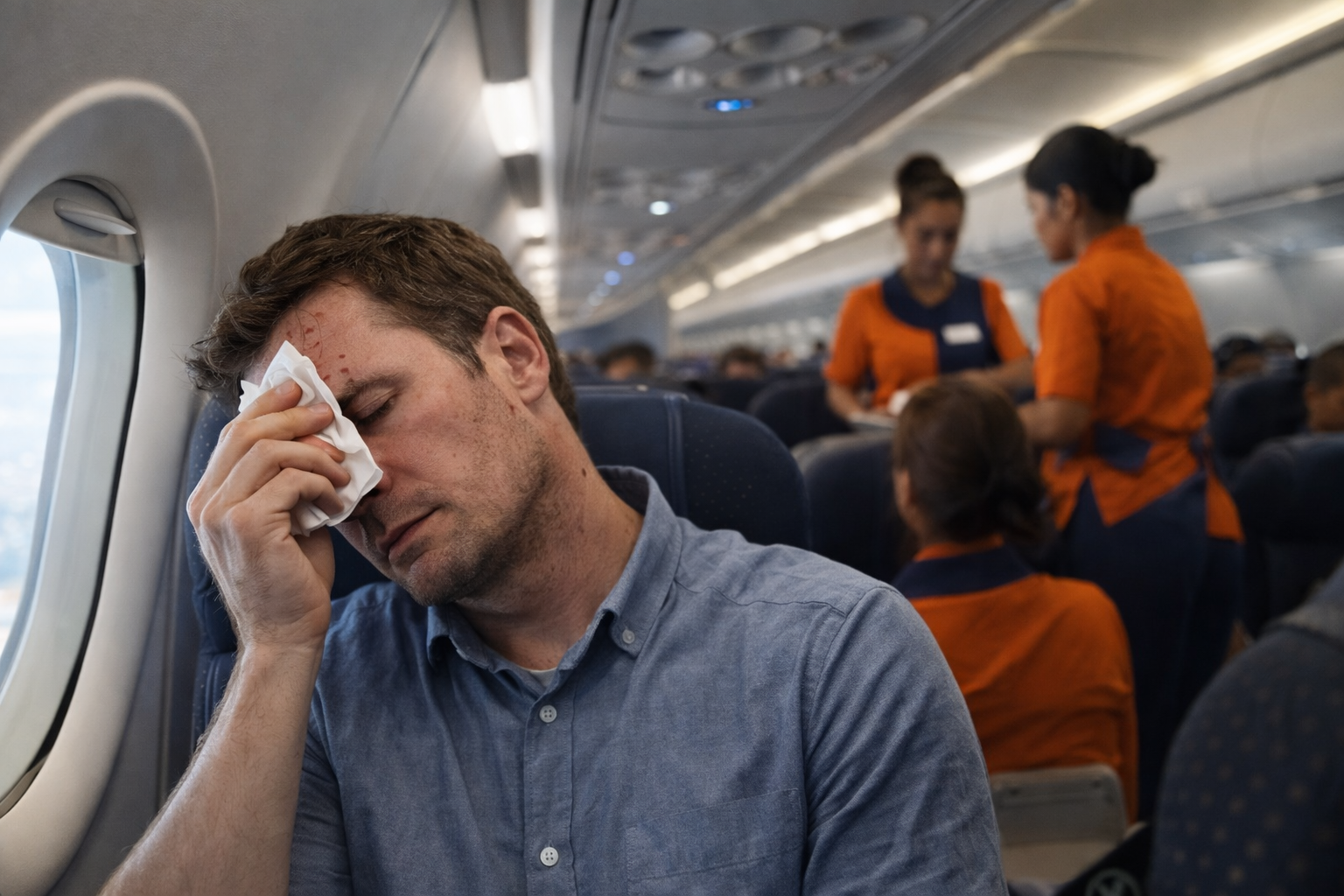
The case stems from operational disruptions that led to widespread cancellations and delays, leaving thousands of flyers frustrated and out of pocket. In the course of hearings, several passengers testified about the financial and emotional impact of sudden schedule changes, missed transfers, hotel costs and added travel expenses. While IndiGo had initiated refunds for cancelled services, the court observed that refunds do not fully address consequential losses experienced by travellers and sought fuller clarity on compensation mechanisms.
The Delhi High Court’s direction requires IndiGo to submit detailed written submissions specifying what forms of compensation it believes are appropriate in addition to refunds, and how those amounts or remedies should be calculated. The court’s comments come amid broader scrutiny of airlines’ responsibilities during periods of operational stress, with consumer rights and regulatory compliance being key themes.
Airlines generally have terms and conditions covering refund timelines and passenger rights, but there is less clarity in the legal framework about compensation for consequential losses such as accommodation costs, missed business engagements, or additional travel expenses resulting from disruptions. By pressing IndiGo for its position, the court is signalling that refunding the fare alone may not be seen as adequate redress in complex disruption cases.
IndiGo’s legal team is expected to respond with submissions outlining the airline’s interpretation of liability and passenger redress, including any existing policies on compensation, vouchers or goodwill gestures offered outside basic refunds. The court’s scrutiny of these positions could have broader implications for how airlines frame their customer care commitments during irregular operations.
Consumer advocates watching the case said the court’s remarks could help establish clearer expectations for airlines in future disputes, emphasising that passenger rights extend beyond fare reimbursement and that airlines must consider the totality of costs borne by travellers when disruptions occur.
Industry observers note that airline liabilities and compensation structures vary widely, often depending on individual carrier policies, regulatory mandates and the specific circumstances of a disruption. The Delhi High Court’s requirement for explicit clarification from IndiGo may prompt other carriers to review their own compensation terms to avoid ambiguity or legal challenge.
For passengers affected by major disruptions, the case highlights the importance of documenting all ancillary expenses and compensation requests, as courts and consumer fora may take a broader view of what constitutes fair compensation. IndiGo’s forthcoming submissions are likely to be closely followed by consumer groups, legal experts and other airlines.
The Delhi High Court’s direction does not immediately change the refund amounts already issued, but it sets the stage for a more detailed examination of passenger compensation potentially influencing future litigation and industry practice when regular flight schedules are upended and passengers seek more than just their money back.