A troubling passenger complaint involving Akasa Air has drawn attention after a traveller claimed to have developed a fungal infection that they believe was linked to conditions experienced during a recent flight. The incident has prompted the airline to launch an internal review while health and aviation authorities monitor the situation closely. The airline has said that passenger safety and comfort are its top priorities and that it takes all such reports seriously.
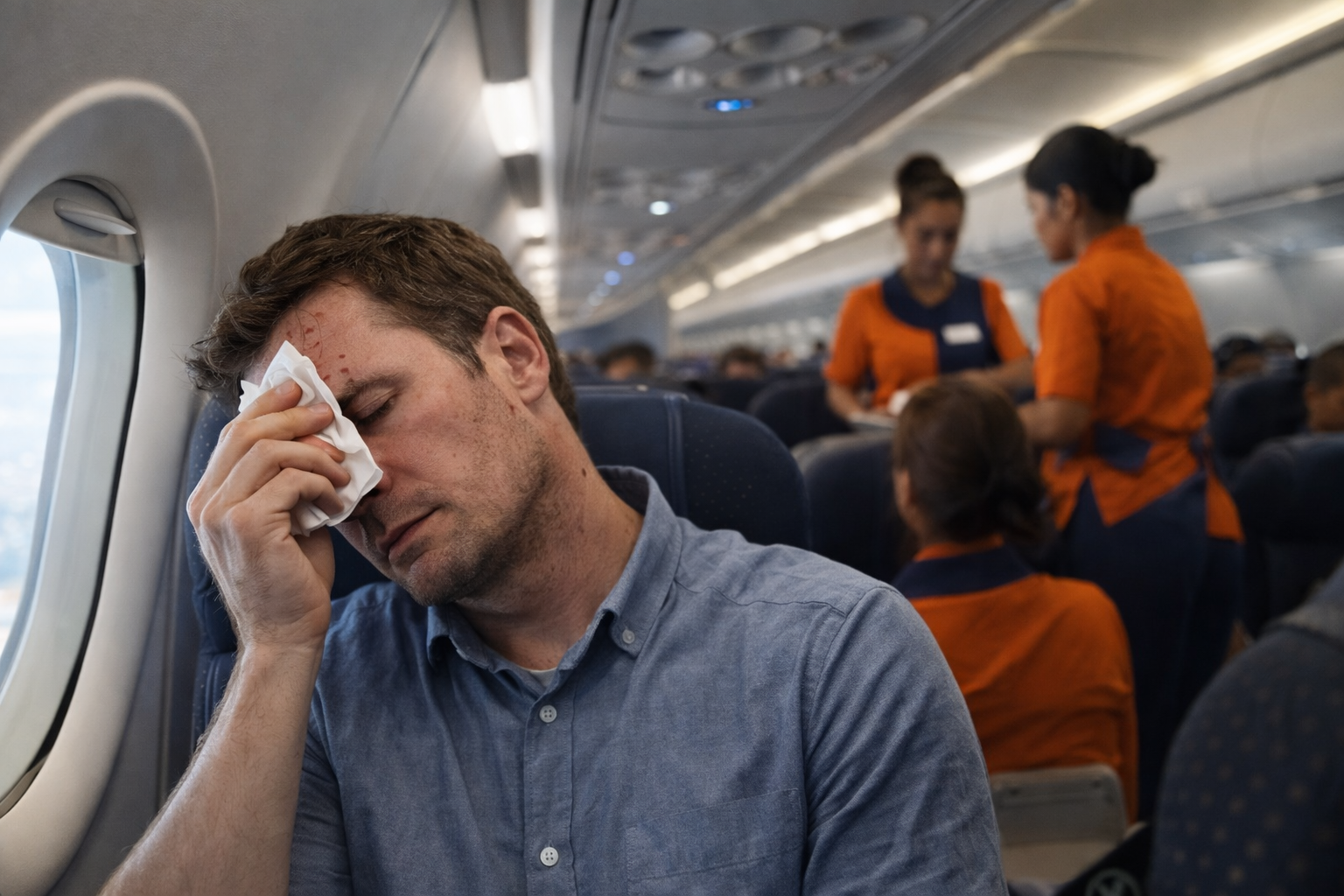
According to the complaint, the passenger began feeling unwell shortly after disembarking from an Akasa Air flight. The individual alleged symptoms consistent with a fungal infection, which they said was later medically diagnosed. The traveller has suggested that environmental factors aboard the aircraft may have contributed to the condition, raising concerns about cabin hygiene and air quality. The claim has resonated with other flyers who have raised questions about aircraft maintenance and cleanliness.
Akasa Air has issued a statement acknowledging that it received the complaint and that it is reviewing the matter thoroughly. Airline representatives said that they are in communication with the affected passenger to understand the sequence of events and assess any links between the flight experience and the medical claim. Officials emphasised that rigorous cleaning and disinfection protocols are standard practice across their fleet, and that aircraft cabins undergo regular maintenance.
Industry observers note that fungal infections can arise from a variety of sources and that proving a direct connection to an airline flight can be complex. Such infections are often associated with environmental exposure over time, and isolating a single factor in a busy travel itinerary can be medically and scientifically challenging. Medical experts caution against drawing immediate conclusions without detailed investigation, including laboratory testing and review of cabin environmental factors.
Passengers who have followed the story on social media and travel forums expressed mixed reactions. Some sympathised with the complainant, calling for stronger cabin sanitation checks and clearer health safeguards in the aviation industry. Others urged caution, reminding readers that aircraft cabins are highly regulated environments with stringent air filtration systems designed to minimise microbial contamination and maintain air quality.
In response to the claim, some frequent flyers shared their own experiences and tips for staying healthy during air travel. These included advice on personal hygiene, using hand sanitiser, maintaining hydration, and wearing protective gear when necessary. Traveller communities on social platforms also discussed broader issues such as air circulation systems on planes and the distinction between normal post-travel fatigue and genuine health concerns.
Health and aviation authorities have yet to release any formal findings on the claim, and it remains under review. Experts say that thorough analysis — including medical records, environmental assessments, and timeline review — will be needed to determine if there is any substantive link between the flight and the alleged infection. Until then, the case highlights the importance of clear communication between airlines, passengers, and healthcare professionals when health concerns arise.
Akasa Air has reiterated its commitment to passenger welfare and pledged to take appropriate action based on the outcome of its investigation. The airline said it will cooperate fully with relevant health authorities if additional scrutiny is requested, and that it continues to champion high standards of cabin cleanliness and operational hygiene. For now, the aviation community at large is watching closely as the situation unfolds.