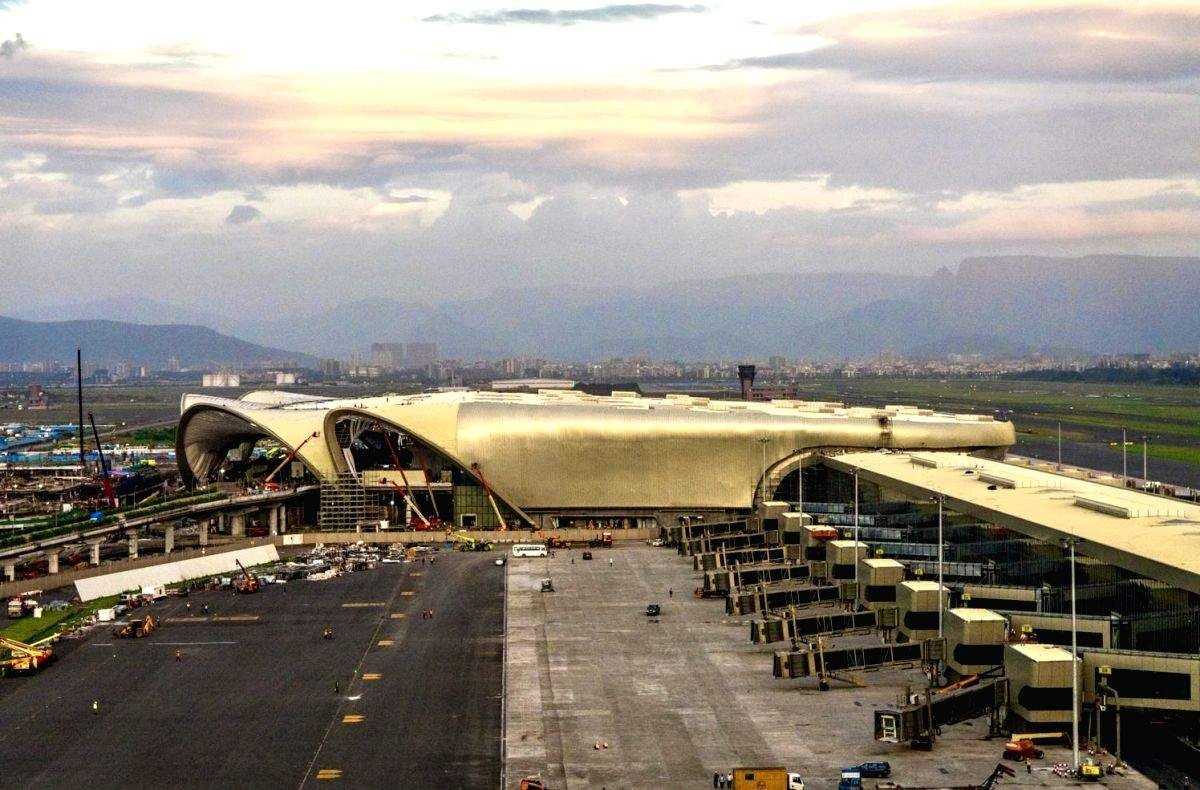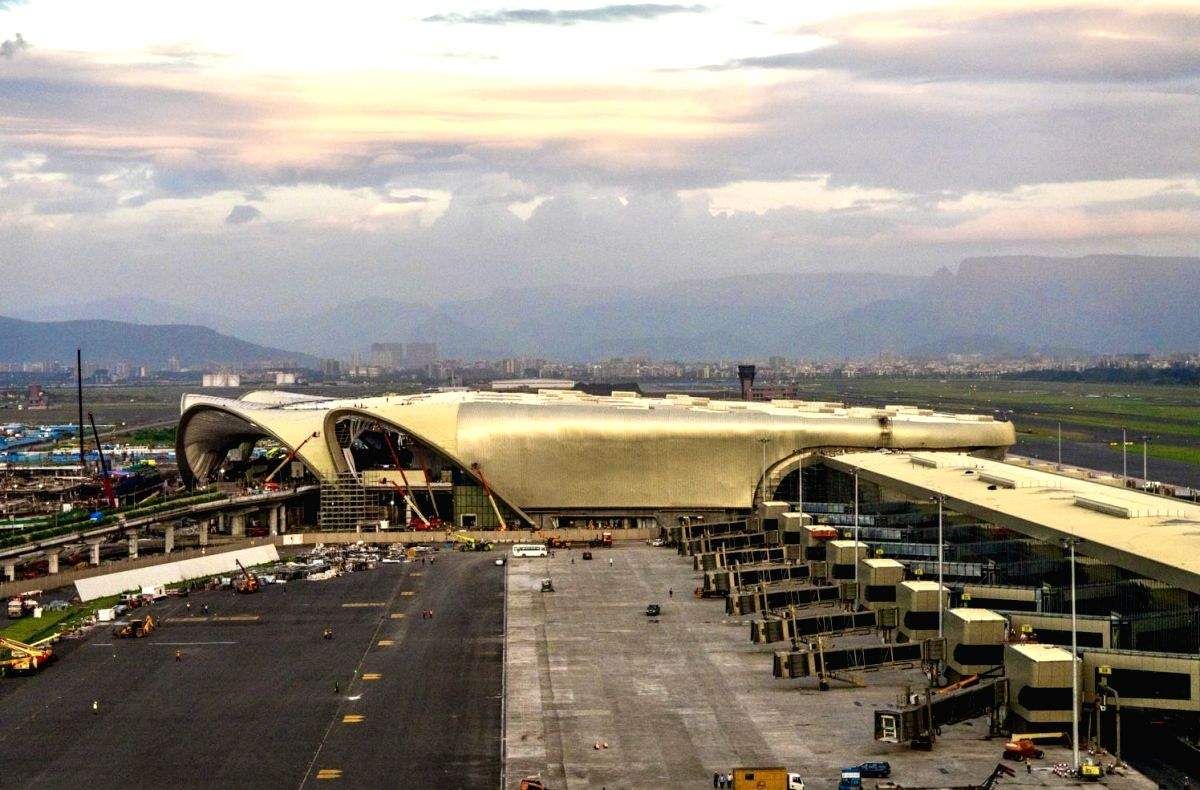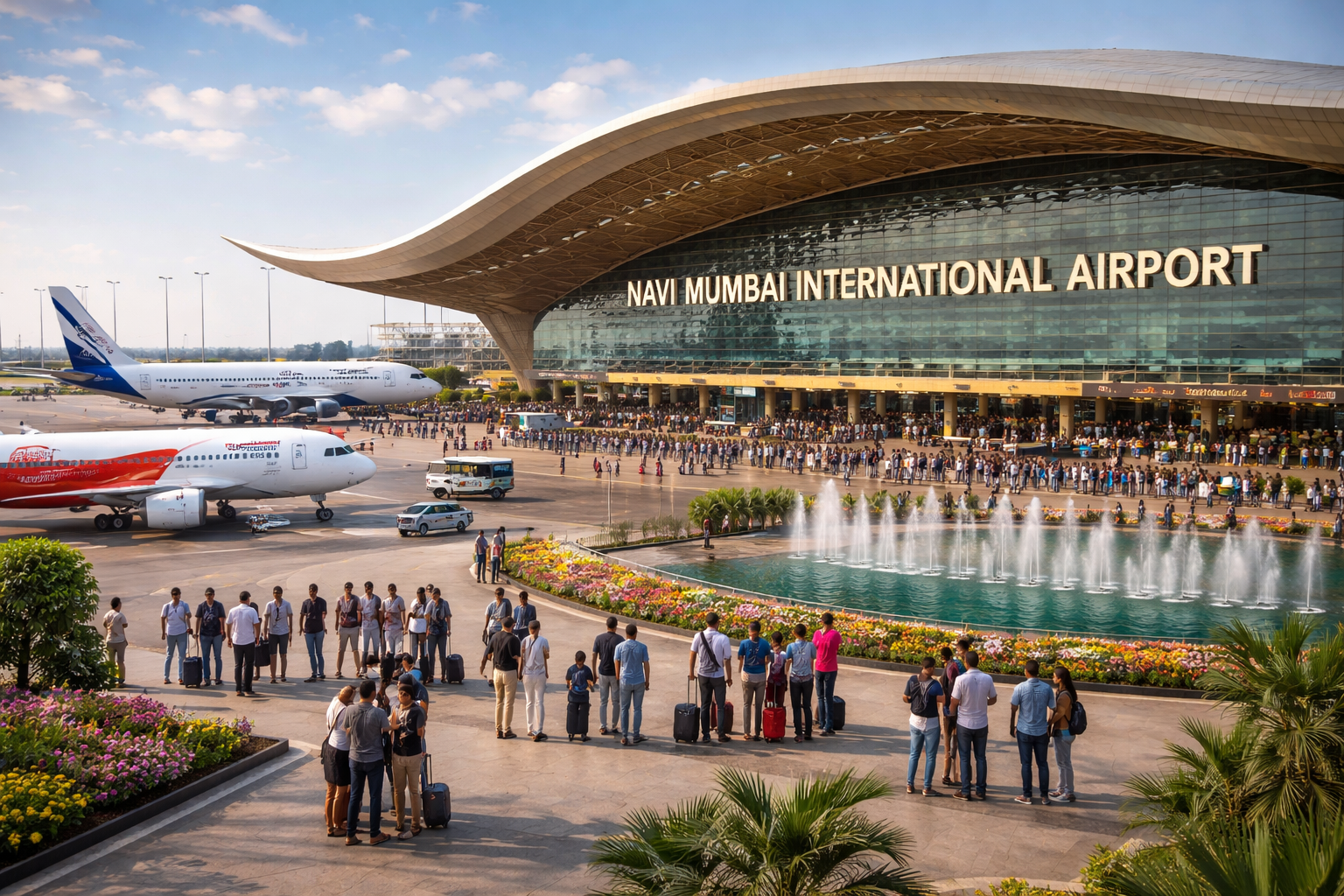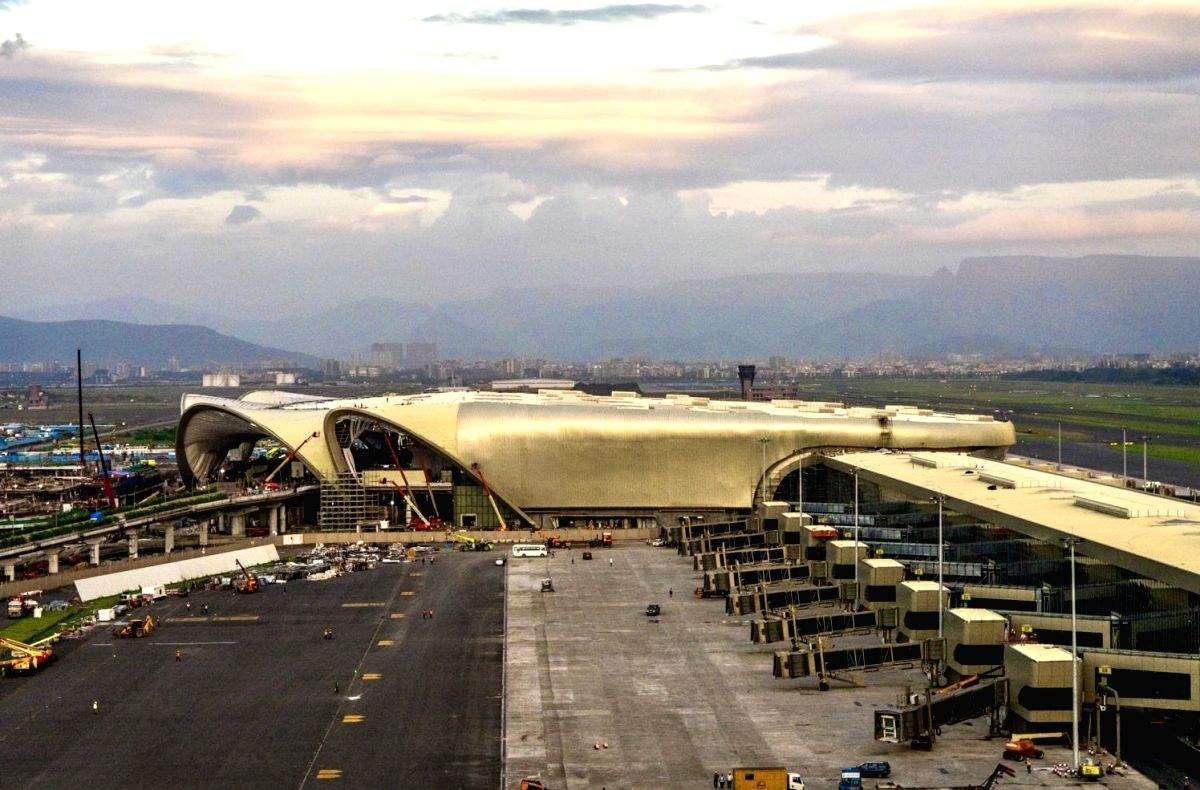
FedEx Express has formally broken ground on an automated air cargo hub at Navi Mumbai International Airport, signalling a major investment in India’s air freight infrastructure and a strategic expansion of its global logistics network. The new facility is designed to leverage advanced automation and handling technologies, positioning the company to meet rising demand for air cargo capacity, faster throughput and seamless international supply chain connectivity.
The hub’s design integrates modern automated sorting systems, robotics and digital tracking tools that can significantly speed up cargo processing while improving accuracy and operational efficiency. By combining these capabilities with expanded warehouse space and streamlined layouts, the facility is expected to handle a wide range of goods from express parcels to specialised freight with greater predictability and turnover times.
Officials said the decision to develop the cargo hub at Navi Mumbai reflects India’s growing role in global trade, rising e-commerce volumes and increasing demand from key sectors such as pharmaceuticals, technology and perishables that require reliable and rapid air freight services. The location near one of India’s fastest-developing aviation gateways offers year-round connectivity to international markets, and the expanded cargo capacity is expected to benefit both exporters and importers.
The new hub is also anticipated to generate employment across logistics, operations, technology and supply chain management, creating skilled jobs locally while strengthening the region’s position as a freight and distribution centre. FedEx executives have highlighted that advanced air cargo infrastructure is a critical component of modern trade ecosystems, enabling companies to scale operations and respond with agility to dynamic market requirements.
Construction of the automated hub is part of FedEx’s broader capital investment strategy in the Asia Pacific region, where air cargo volumes have been on an upward trajectory. Demand for cross-border freight services has grown as international trade flows recover and businesses increasingly rely on integrated logistics platforms to manage complex supply chains.
The facility’s automation technology also supports enhanced safety measures, reduced manual handling of goods and real-time visibility into cargo movements. This level of digital integration helps minimise errors and enhances service reliability — attributes that are especially important for time-sensitive shipments and for customers whose operations depend on precise delivery windows.
Industry experts say the development of advanced cargo hubs like the one at Navi Mumbai aligns with global trends in air freight, where automation and data analytics are becoming central to capacity planning and operational efficiency. Such investments can accelerate turnaround times at airports, create new air freight corridors and enable more competitive logistics services for local businesses engaged in export-oriented manufacturing and trade.
The expansion of air cargo infrastructure at Navi Mumbai is also expected to ease pressure on other metro city airports, which have been operating near capacity with mixed passenger and freight traffic. A dedicated, automated hub will allow carriers and logistics firms to move larger volumes of cargo without compromising passenger flight schedules or space availability.
FedEx’s investment in India reflects broader confidence in the country’s economic trajectory and its role in the global supply chain. With trade partnerships expanding and manufacturing sectors growing, the demand for robust, technologically advanced cargo facilities is seen as essential to sustaining long-term logistics growth.
Officials at the airport authority and government representatives welcomed the development, noting that the new hub will attract allied services, support industry clusters and enhance India’s competitiveness in international logistics. The facility’s eventual commissioning is expected to create new opportunities for small and medium enterprises, exporters and global brands that depend on consistent freight services.
As construction progresses, FedEx and its partners will focus on technology integration, workforce readiness and regulatory compliance to ensure that the cargo hub operates smoothly from day one. With completion planned in phases, the facility is expected to begin operations in tandem with the broader opening timelines of Navi Mumbai International Airport itself.
The ground-breaking marks a key milestone for India’s air cargo landscape and reflects how technological innovation, strategic investments and infrastructure expansion are shaping the future of freight movement in the region.