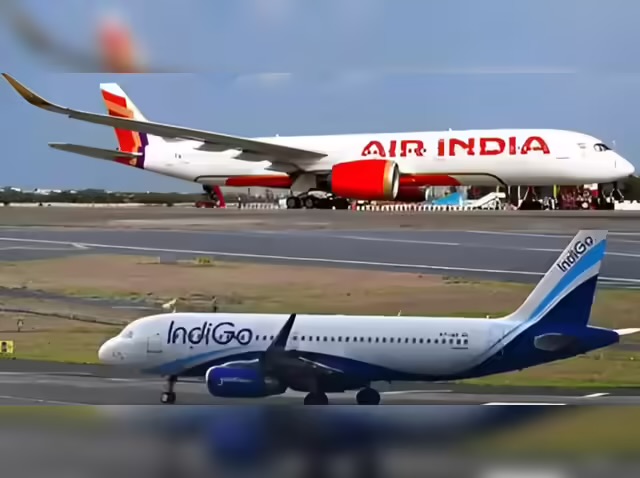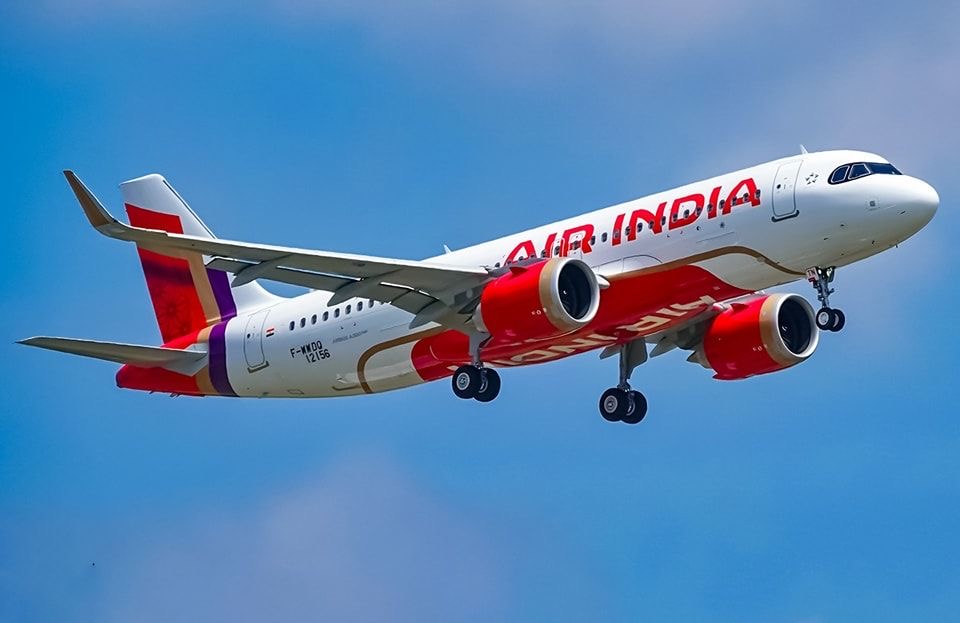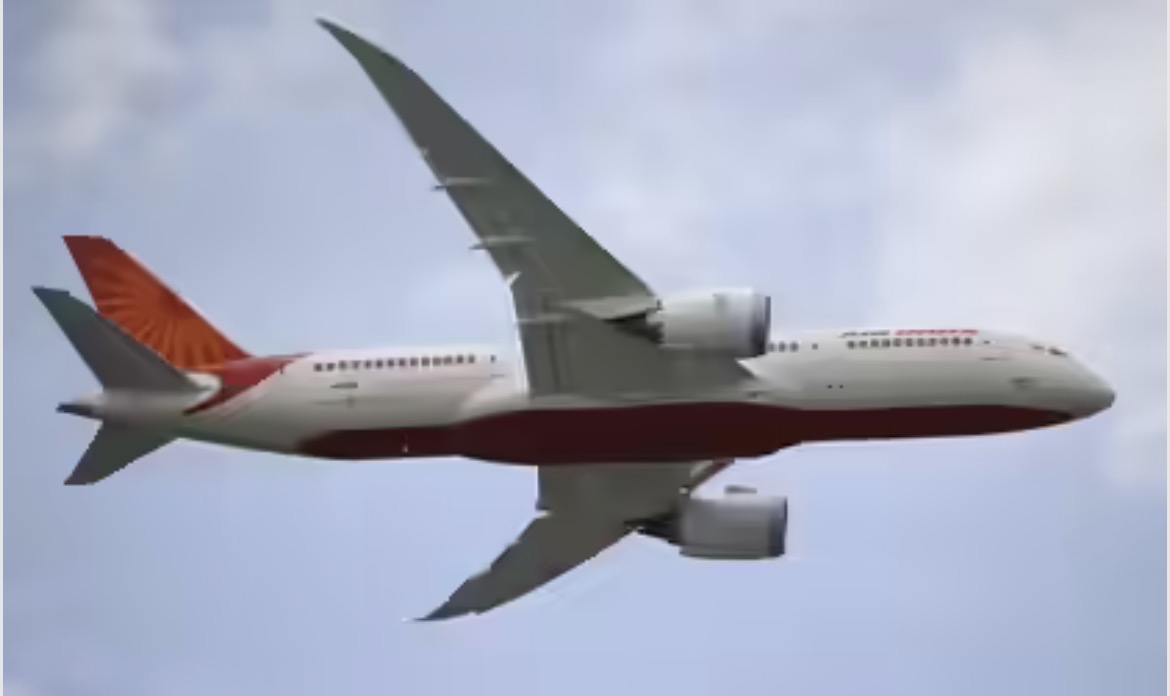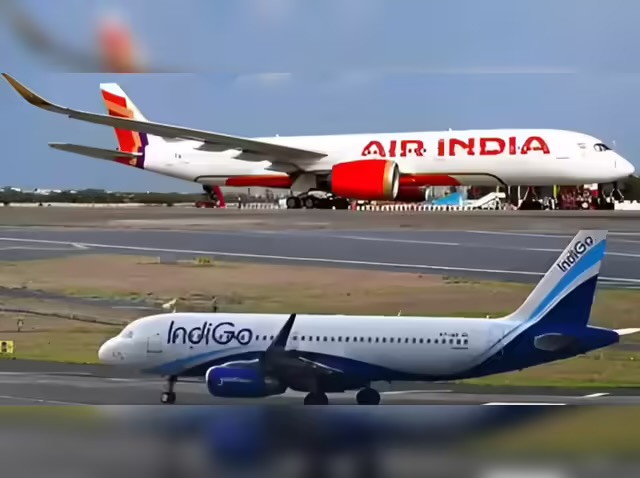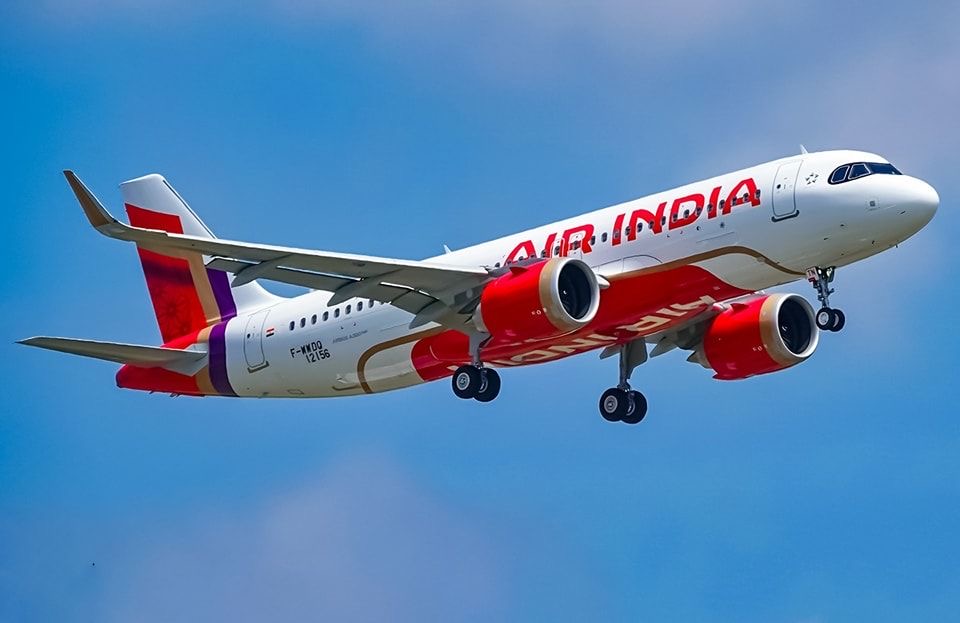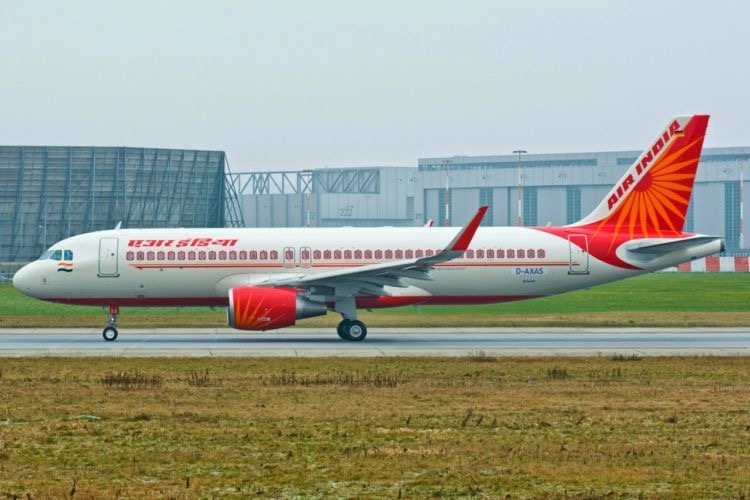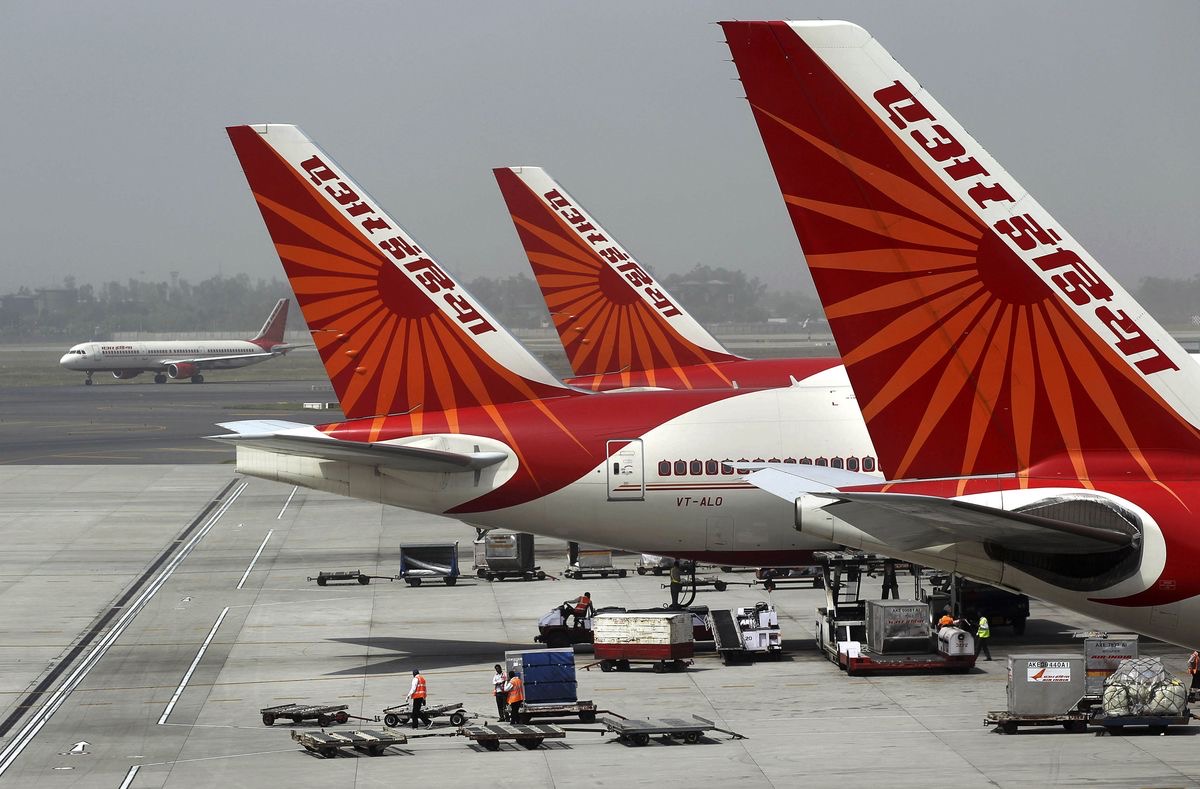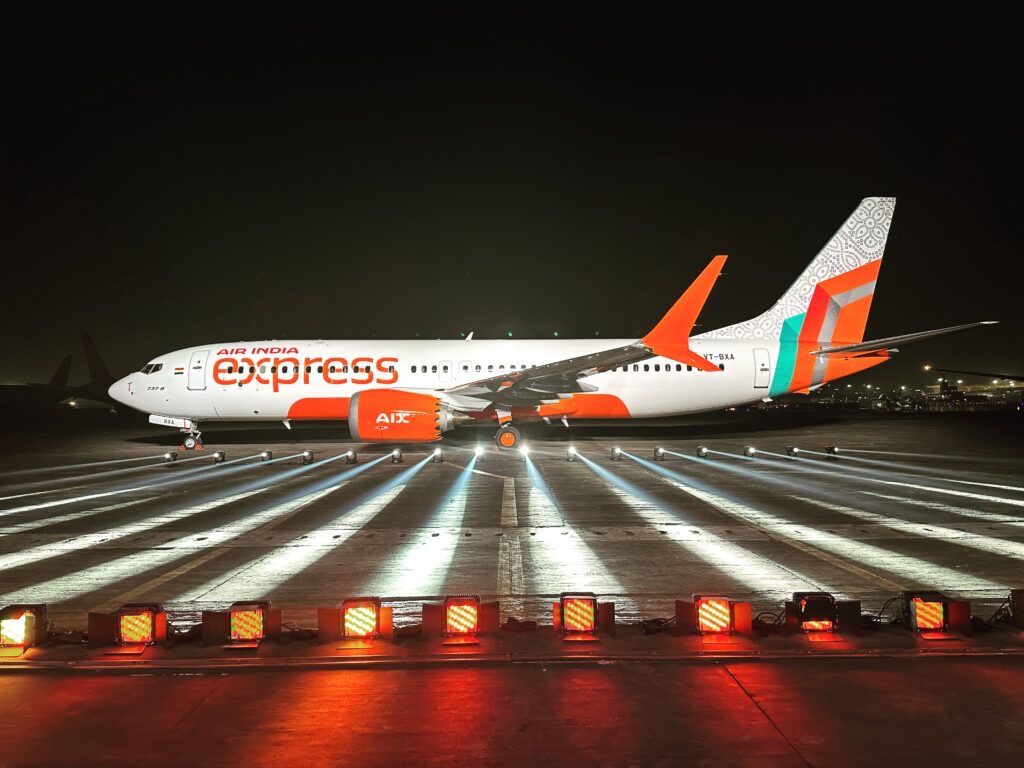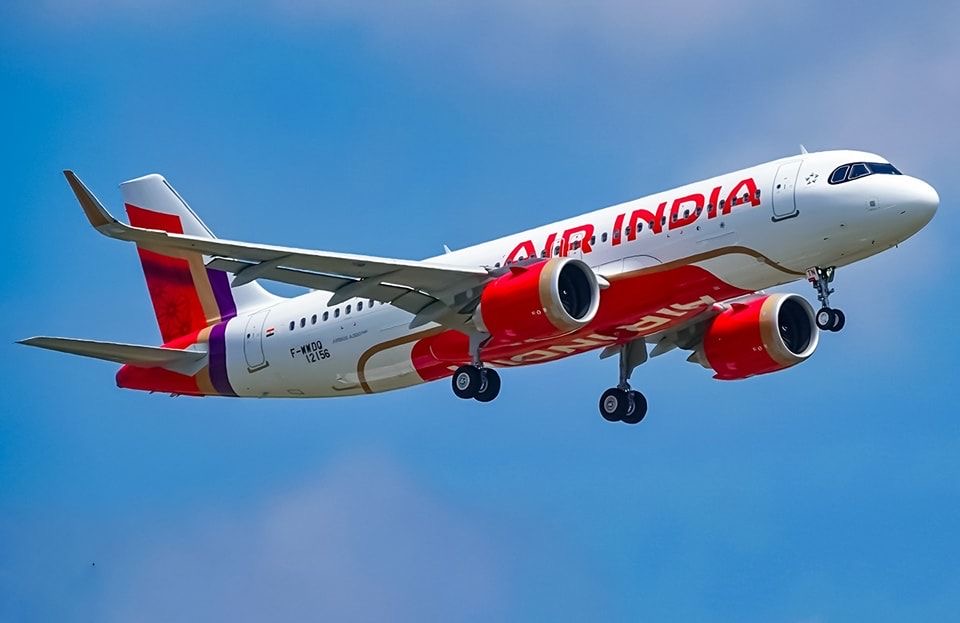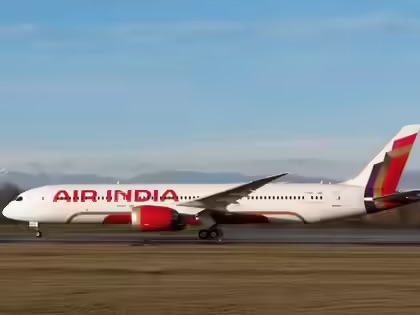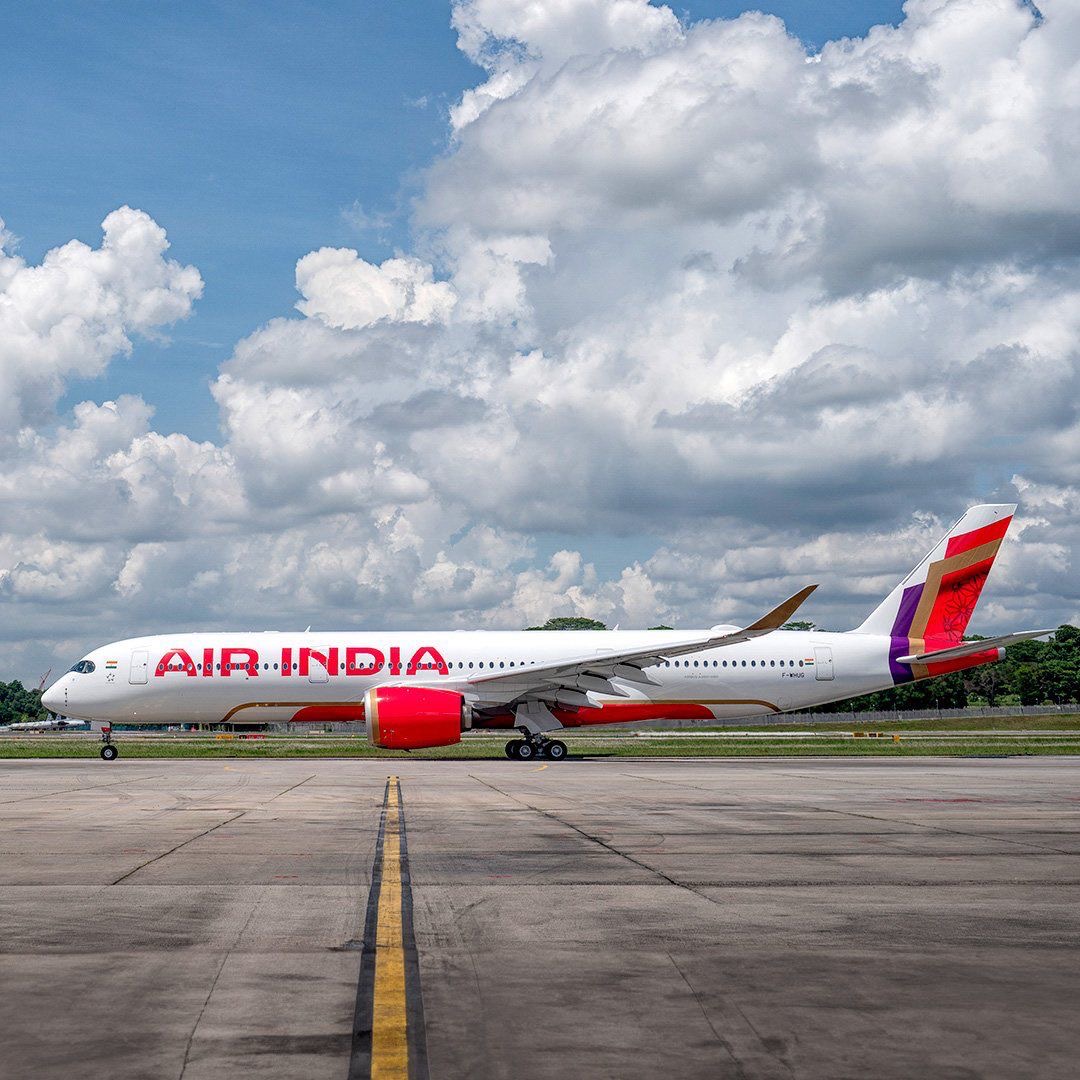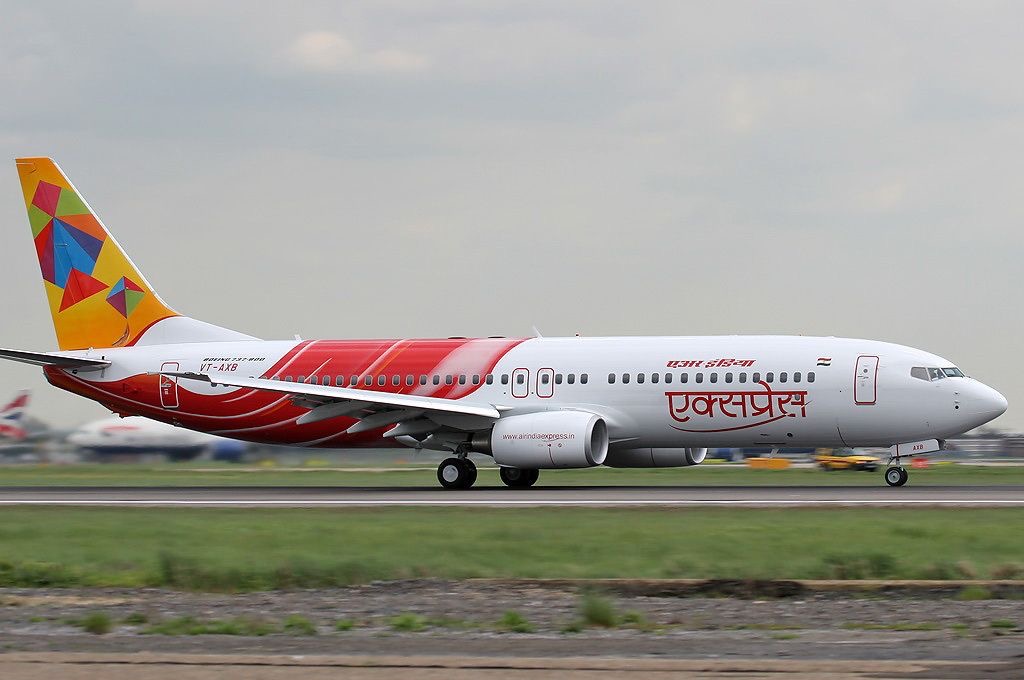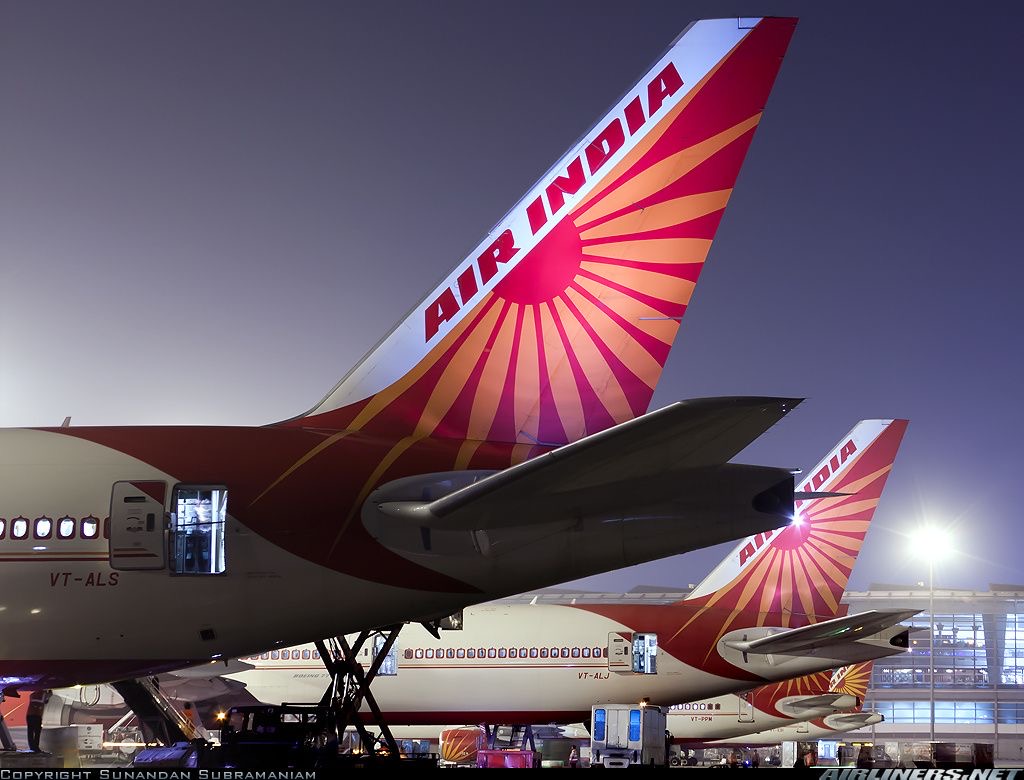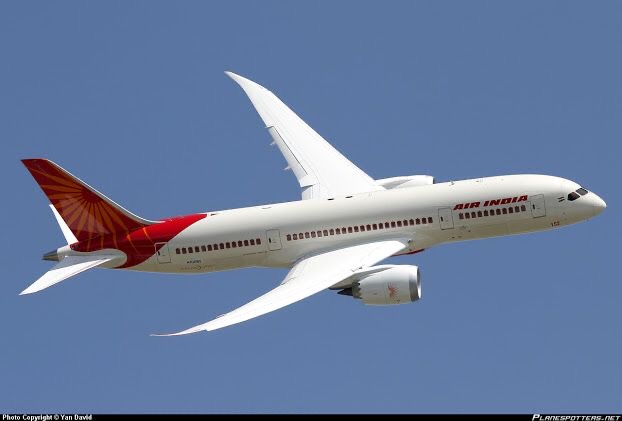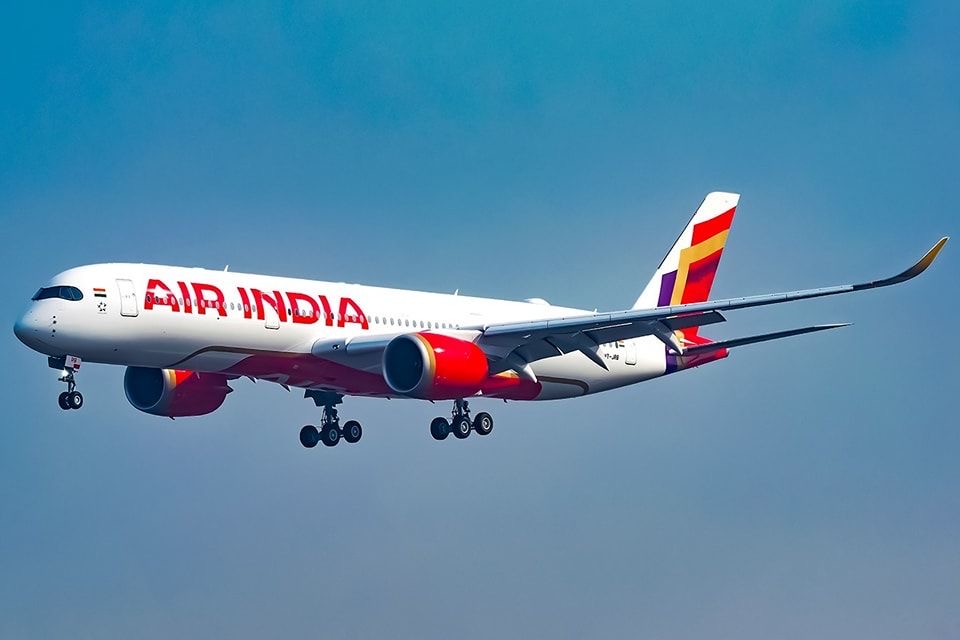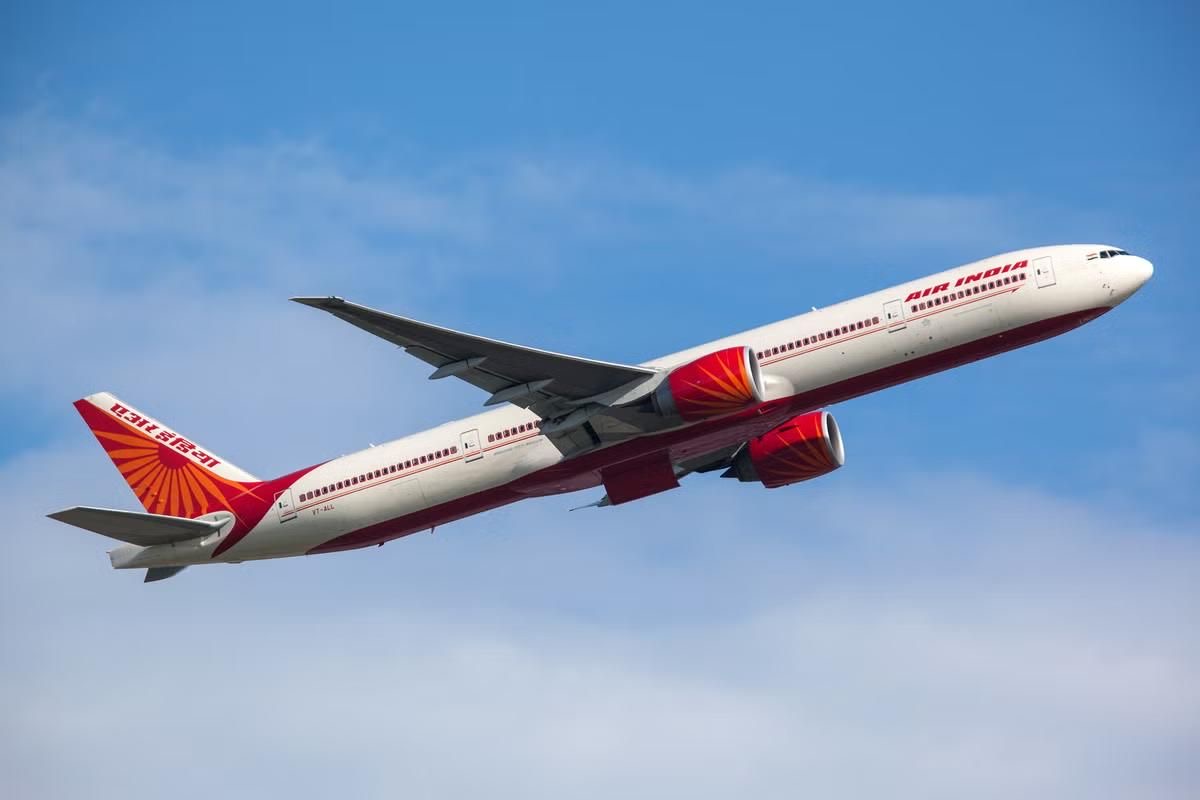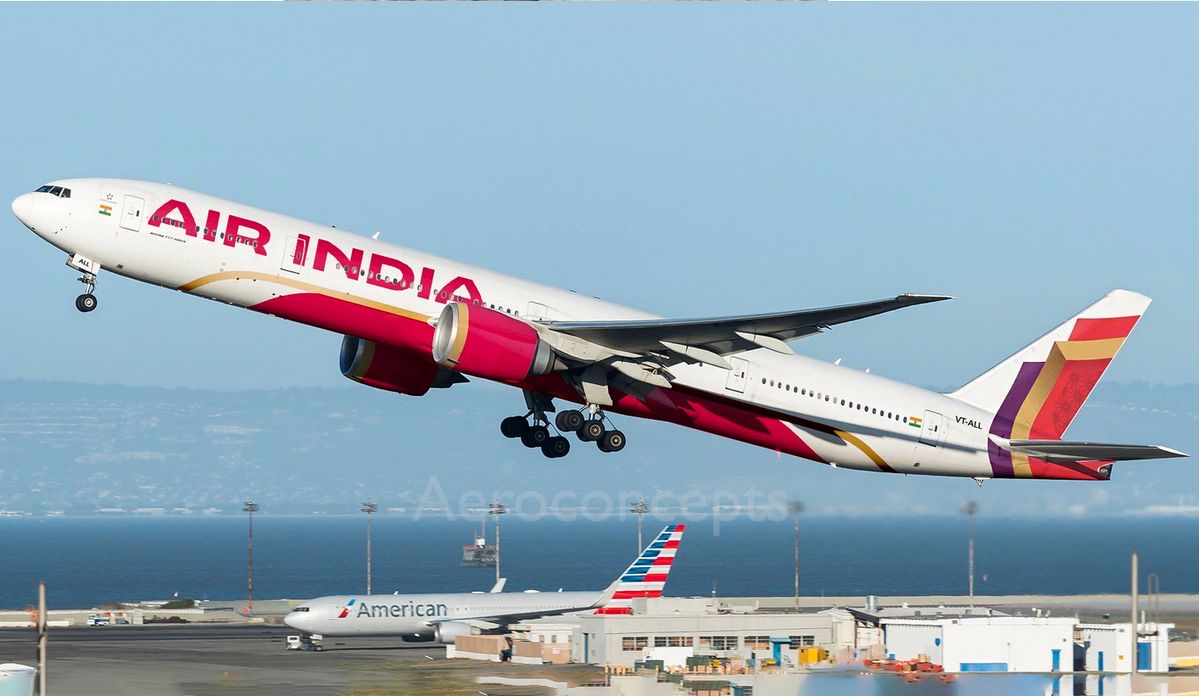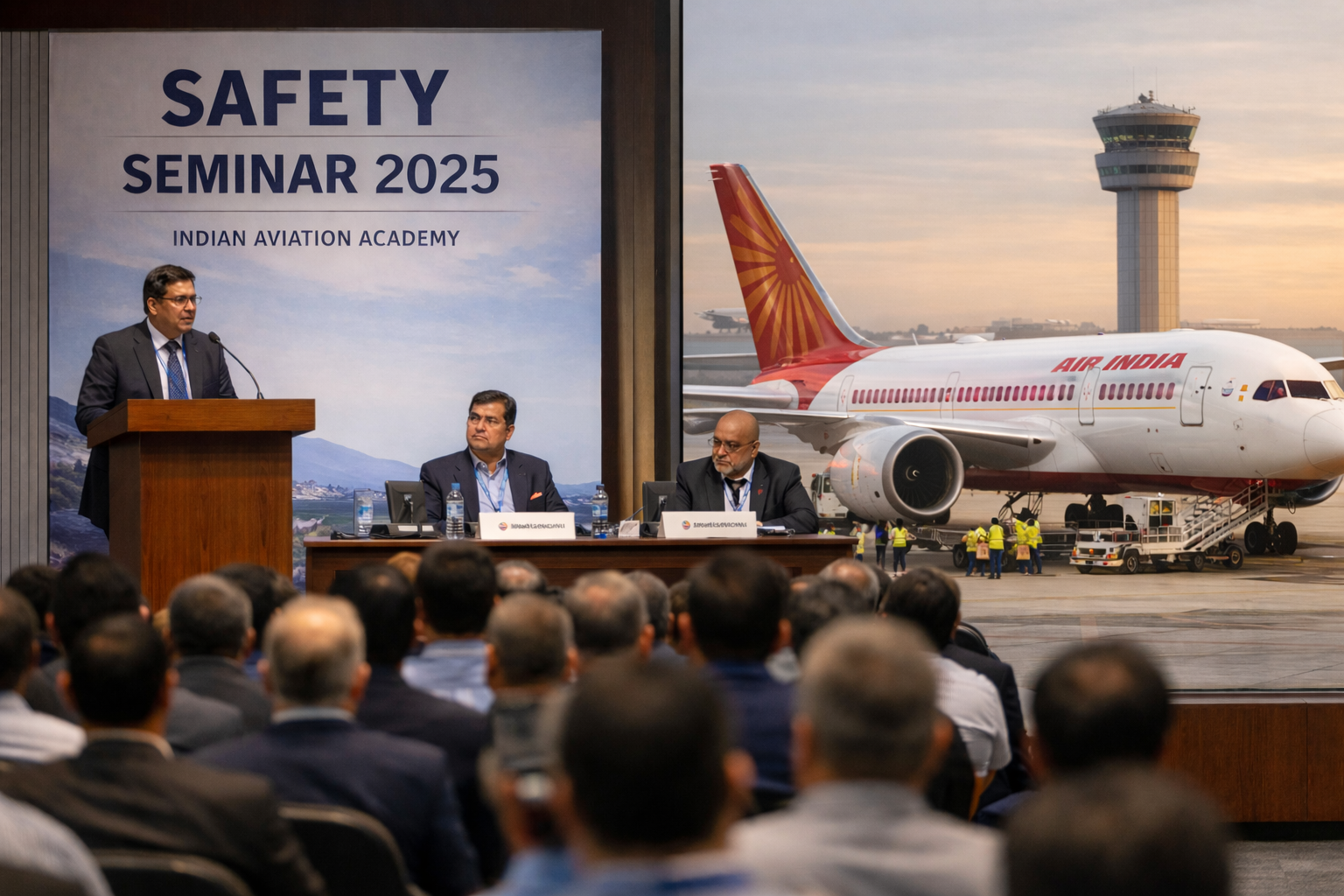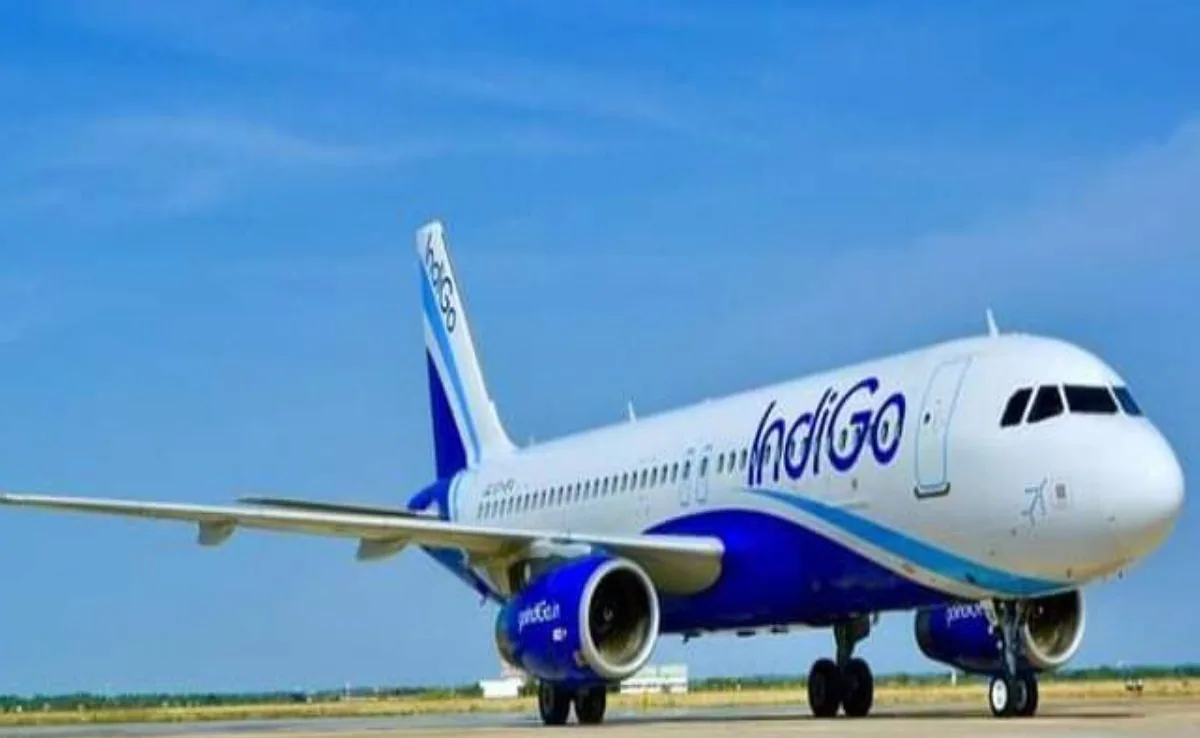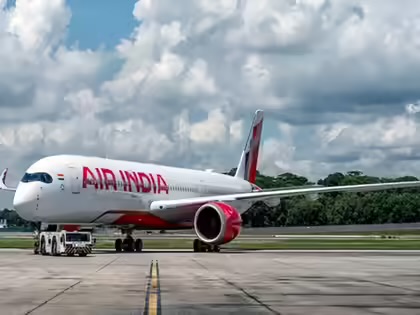
Air India has announced that it will introduce a fuel surcharge on all its flights starting March 12 as the airline grapples with a sharp increase in aviation turbine fuel (ATF) prices triggered by the ongoing geopolitical tensions in West Asia. The move is aimed at partially offsetting the sudden spike in operating costs that airlines across the world are currently facing due to volatile fuel markets.
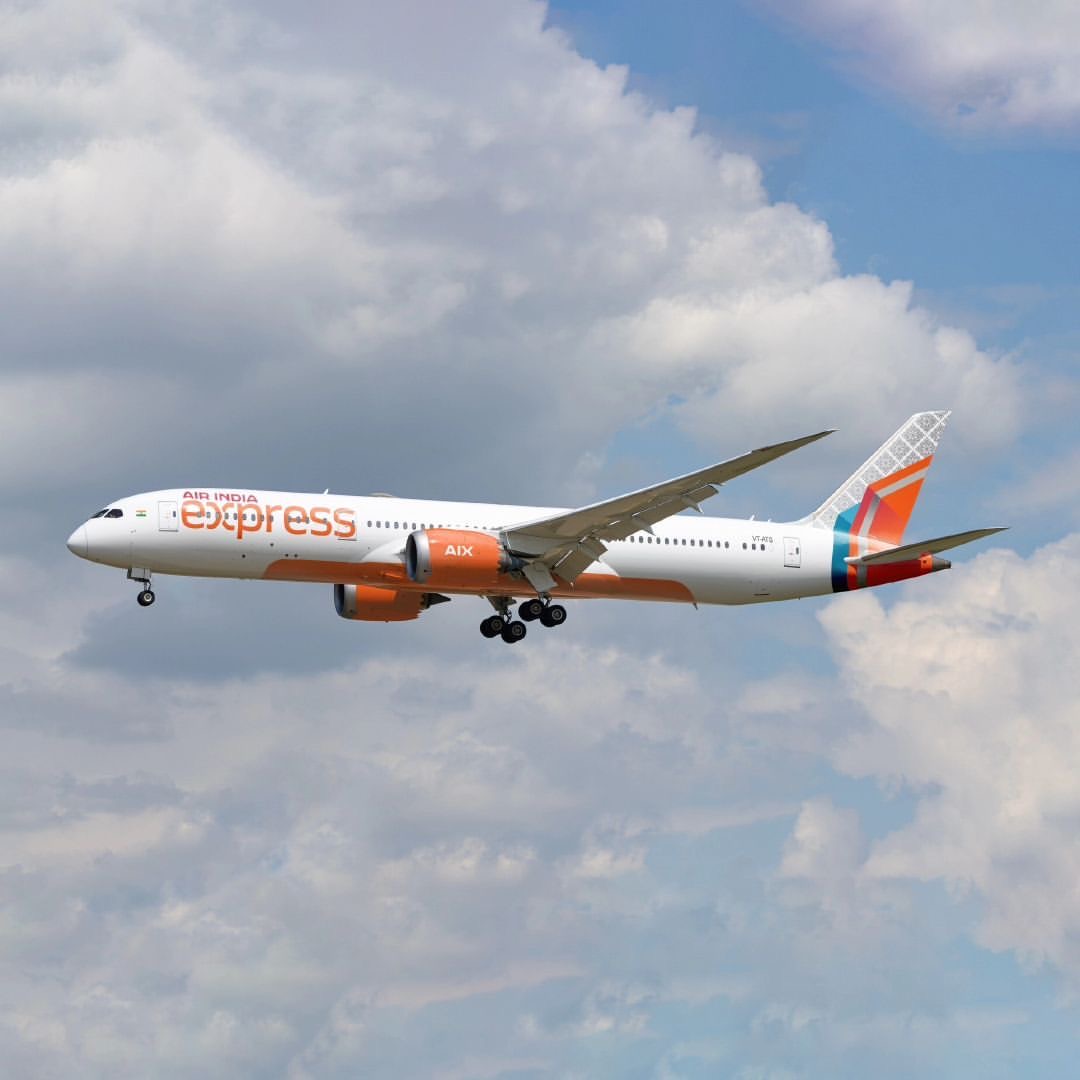
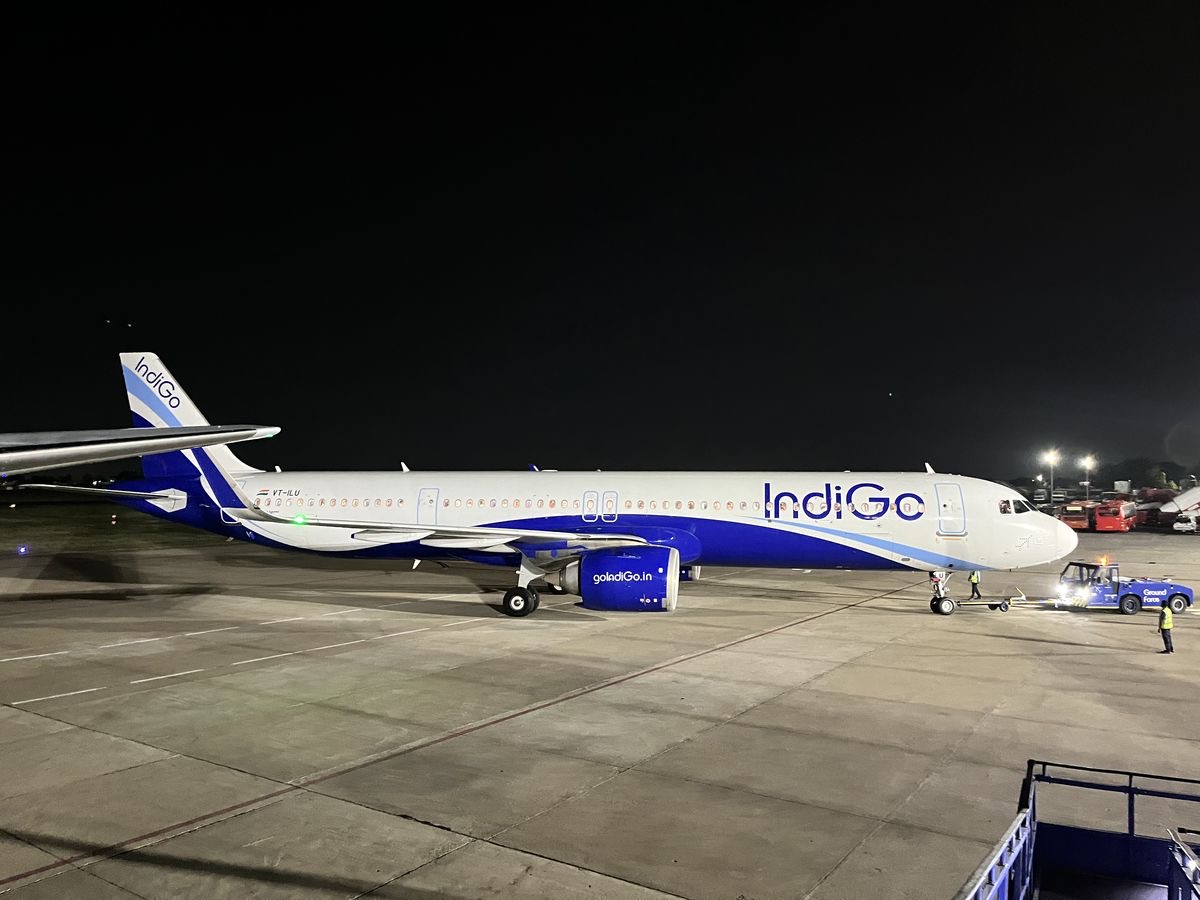
The surcharge will apply to both domestic and international flights operated by the Air India group, including services run by Air India Express. According to reports, passengers flying on domestic routes may see an additional fuel surcharge of around ₹399 per ticket, while international routes could also witness revised fuel charges depending on the sector and distance.
Airlines worldwide have been under significant financial pressure as the conflict in West Asia has disrupted global oil supply chains and pushed crude oil and jet fuel prices higher. Aviation turbine fuel is one of the largest cost components for airlines, accounting for a significant portion of total operating expenses. When fuel prices surge, carriers often introduce temporary surcharges to help stabilise finances and maintain operations.
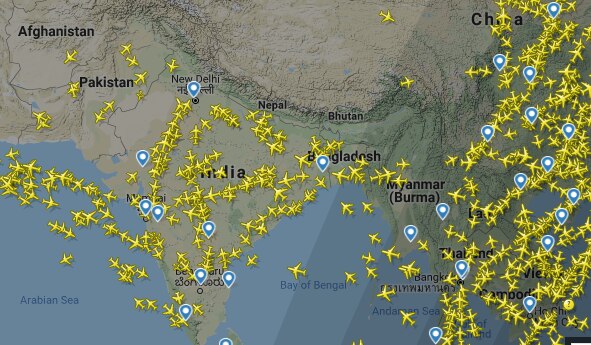
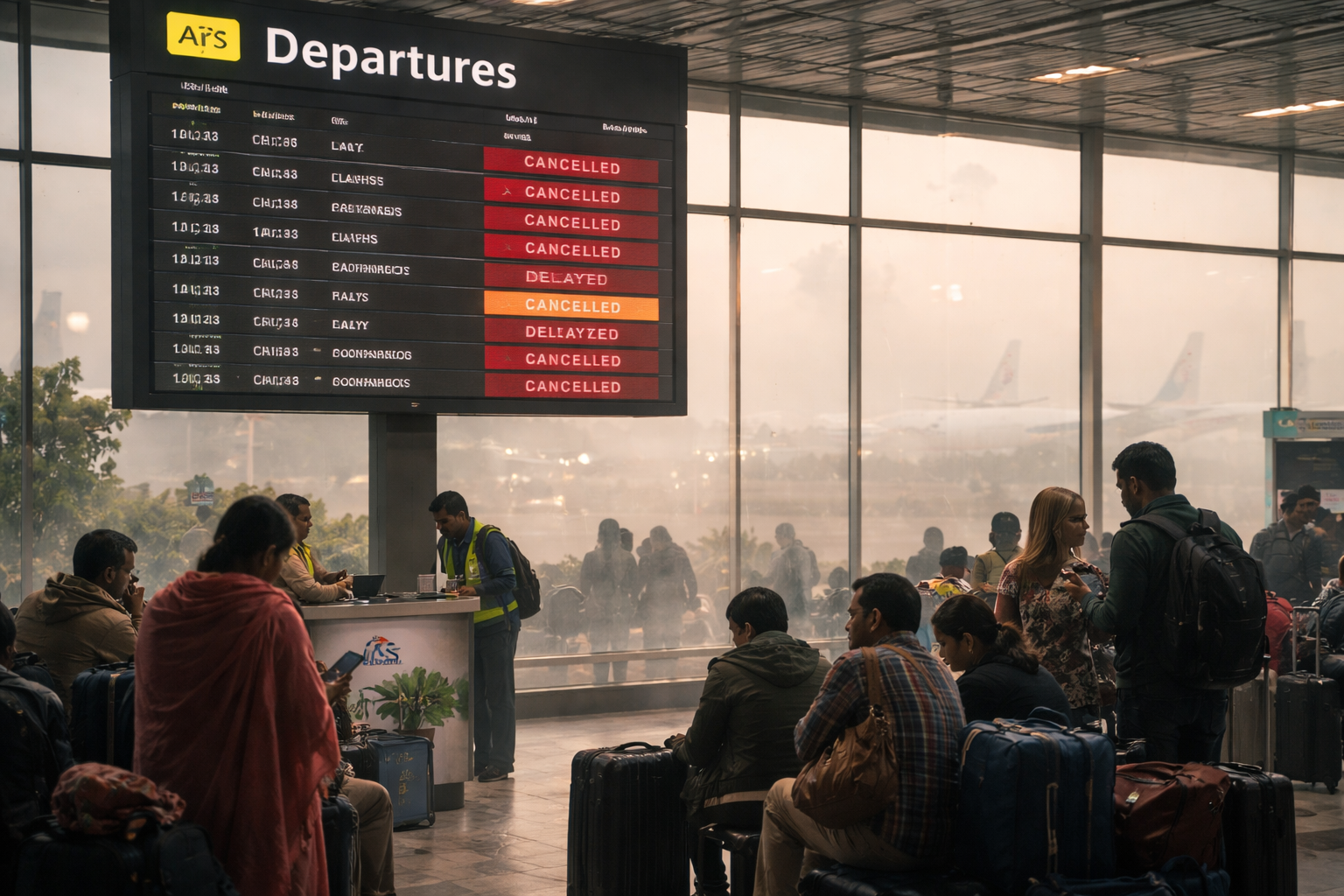
The ongoing geopolitical instability has also led to operational complications for airlines. Several airspaces in the Middle East region have become restricted or risky for commercial aviation, forcing carriers to take longer alternative routes. These detours increase fuel burn and operational time, further raising the cost of running flights. Combined with rising fuel prices, airlines are now facing one of the most challenging operating environments in recent years.
Industry experts say the fuel surcharge is likely to push ticket prices slightly higher for passengers. However, airlines argue that such measures are necessary to maintain financial stability and ensure continuity of services during periods of extreme fuel price volatility.
The aviation sector in India has already been dealing with multiple challenges including fluctuating demand, operational disruptions, and rising global costs. With geopolitical tensions continuing to influence global energy markets, airlines are closely monitoring fuel prices and may adjust fares or surcharges further depending on how the situation evolves.
For Air India, which is currently undergoing a major transformation and expansion under the Tata Group, managing costs while maintaining operational stability remains a key priority. The airline has been expanding its network, upgrading its fleet, and improving services as part of its long-term growth strategy.
The introduction of the fuel surcharge reflects how global geopolitical developments can directly impact aviation economics. As the situation in West Asia remains uncertain, airlines are expected to remain cautious and continue adjusting pricing strategies to cope with fluctuating fuel costs.