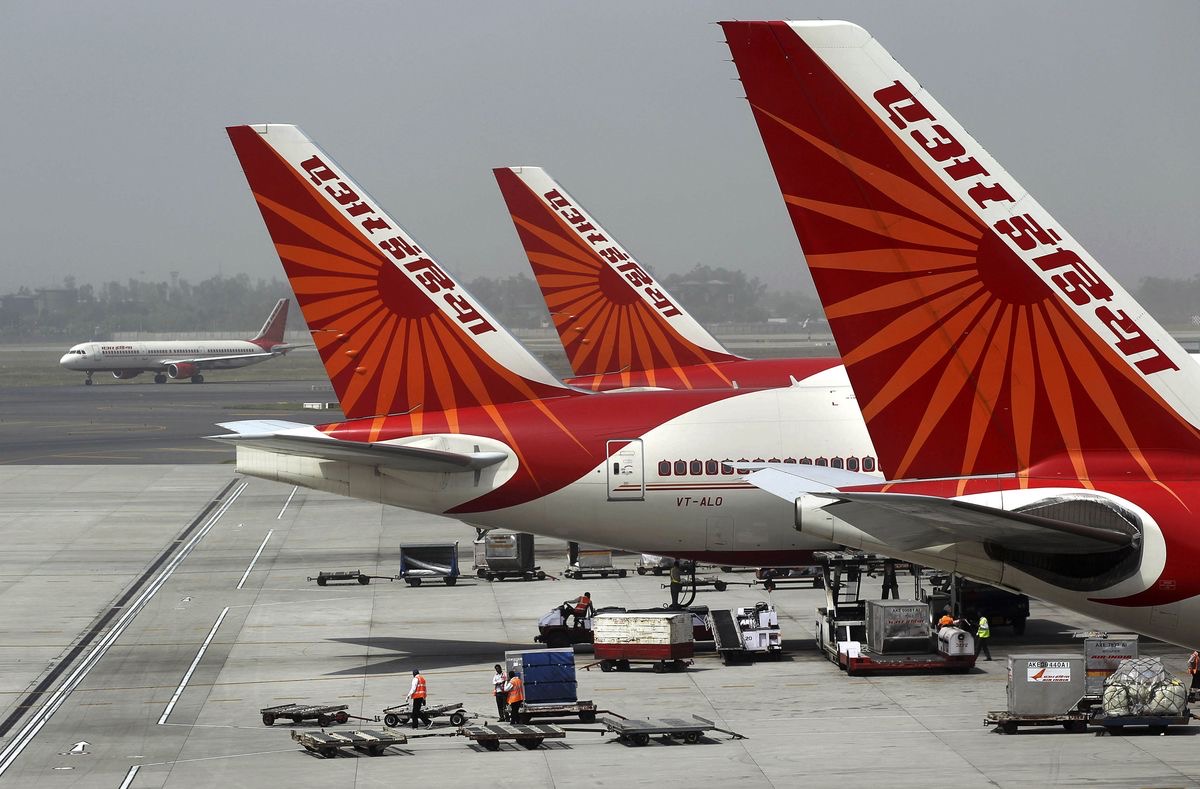
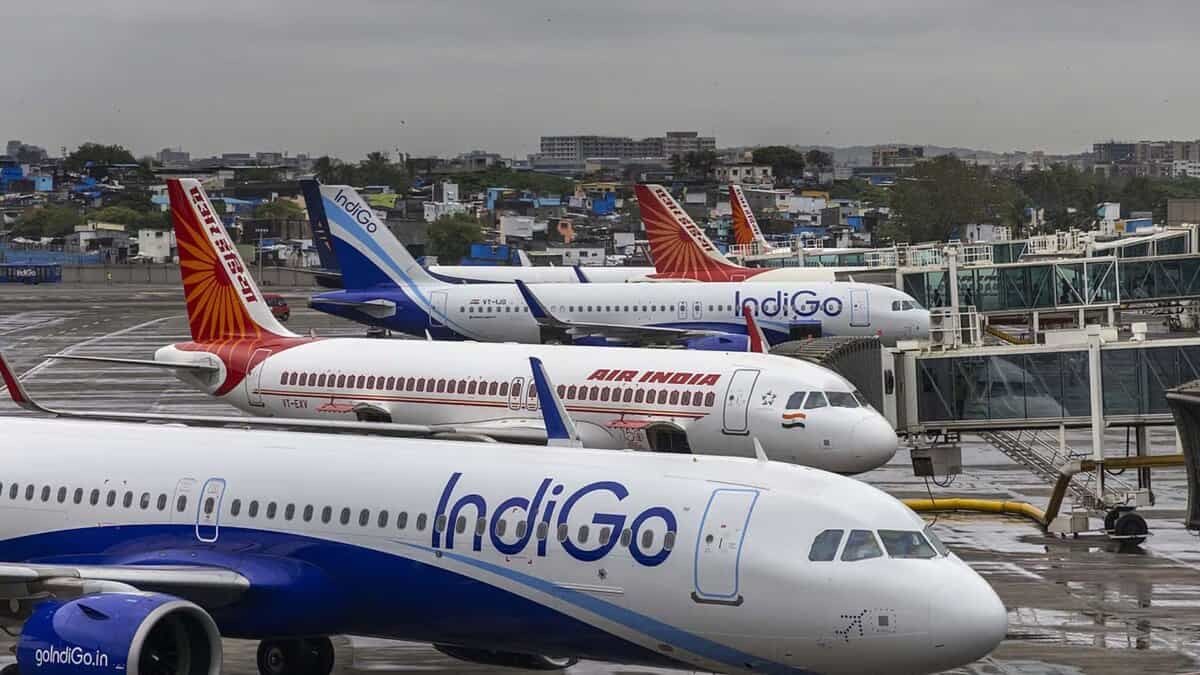
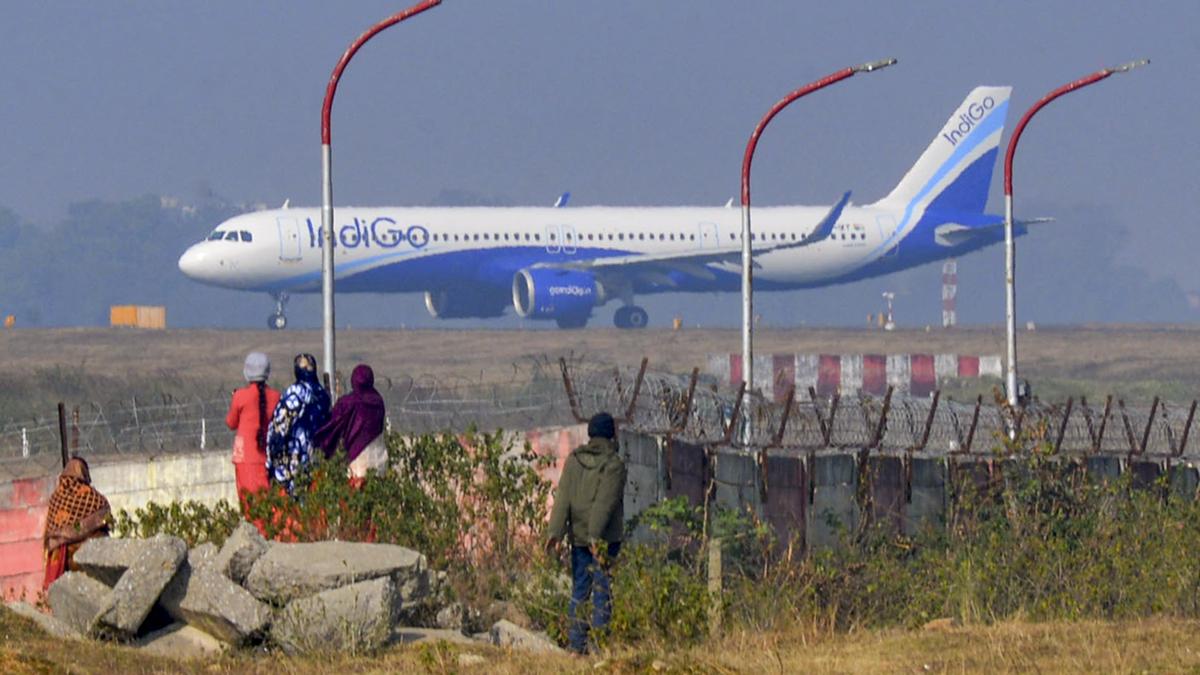
In response to the recent operational turmoil that affected one of India’s largest airlines, the Ministry of Civil Aviation has taken decisive action by setting up dedicated control rooms that operate around the clock. These facilities are designed to provide continuous monitoring of aviation activity, assist in resolving issues swiftly, and improve communication between passengers, airlines, and regulatory authorities. The move comes after weeks of widespread flight disruptions that drew intense public scrutiny and raised concerns about airline preparedness and customer service.
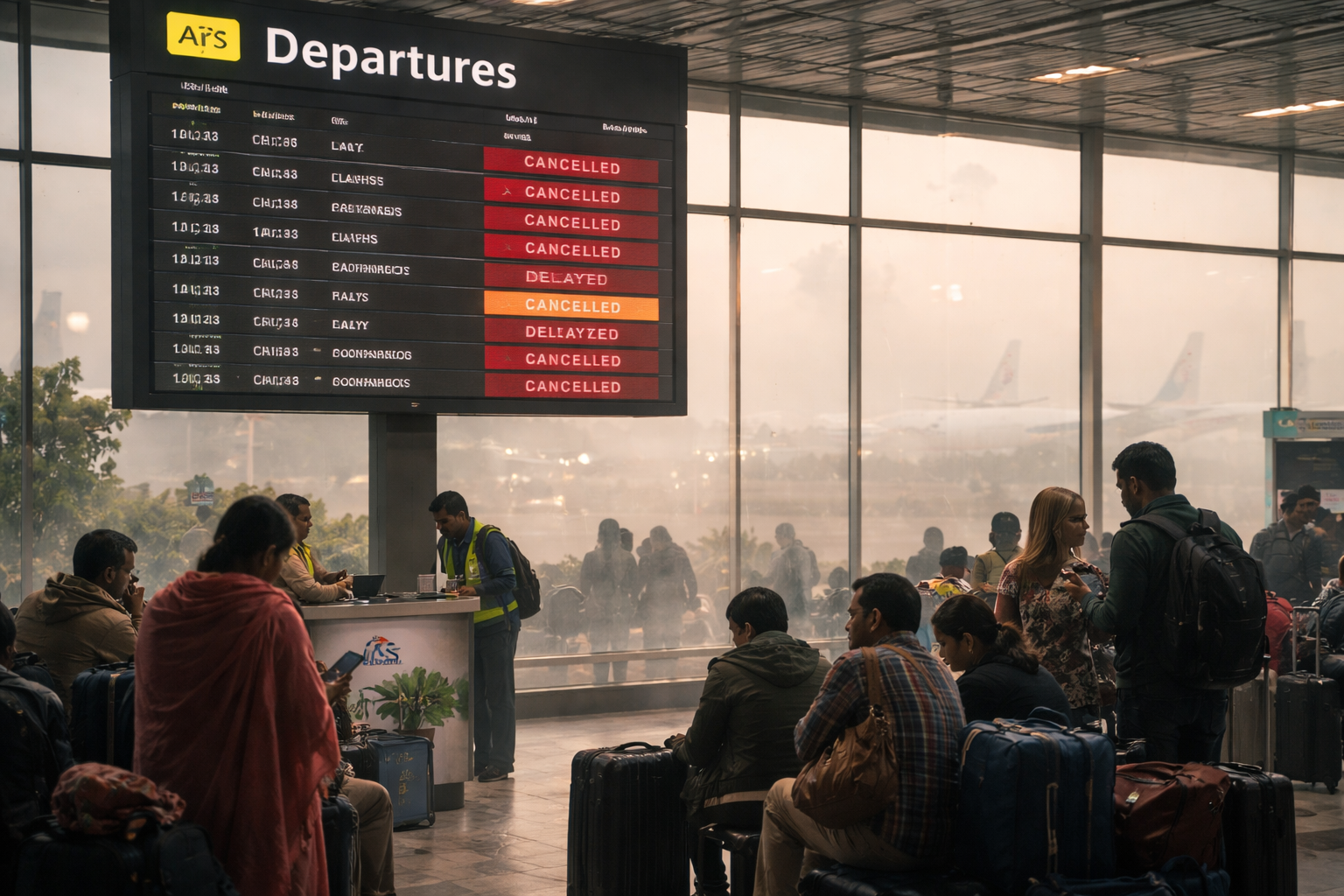
Officials within the ministry recognized the need for enhanced oversight following the series of disruptions that occurred earlier in December, during which thousands of flights were cancelled or delayed. The decision to establish 24/7 control rooms reflects an effort to ensure that any emerging problems are identified and addressed without delay. Personnel at the control rooms work in shifts to ensure that solutions can be coordinated at any hour, including late nights and weekends when travel demand remains high during the holiday season.
These control rooms integrate multiple communication channels so that passengers have several ways to register complaints or seek assistance. Traditional helpline numbers, the government’s AirSewa grievance platform, dedicated email support, and social media outreach have been brought together under one umbrella to streamline responses. By consolidating these resources, the ministry aims to reduce confusion and help travellers get accurate, timely information wherever they are in their journey.
In addition to centralised communication, the control rooms also coordinate with airline representatives and airport operators to resolve issues on the ground. Whether the challenge involves last-minute changes to flight schedules, baggage handling problems, or other service interruptions, having a unified response team allows for quicker action and better support for affected passengers. Staff working in the control rooms seek to provide immediate assistance while also tracking broader patterns that could indicate systemic problems requiring policy attention.
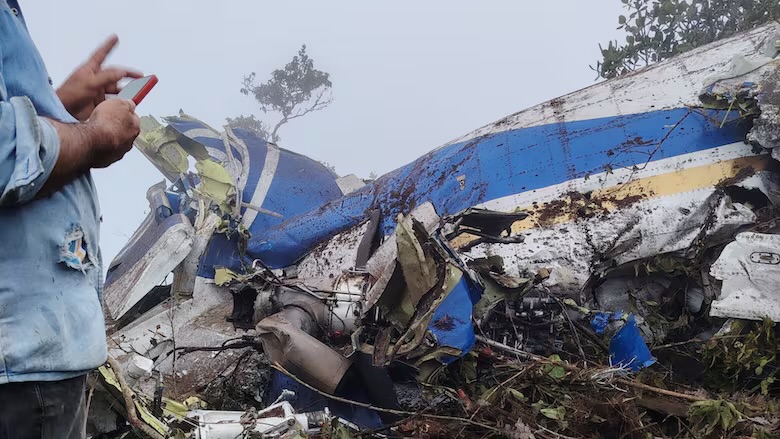
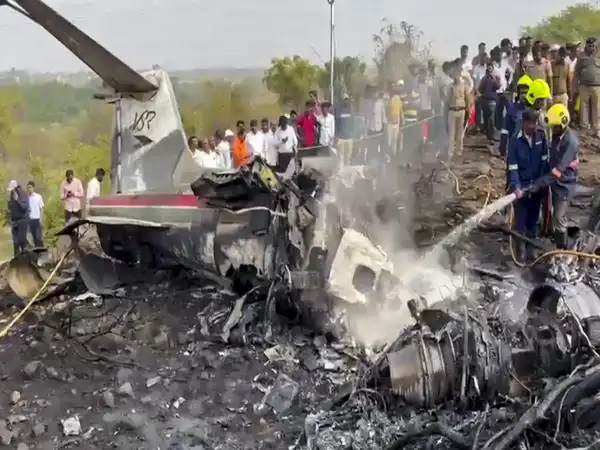
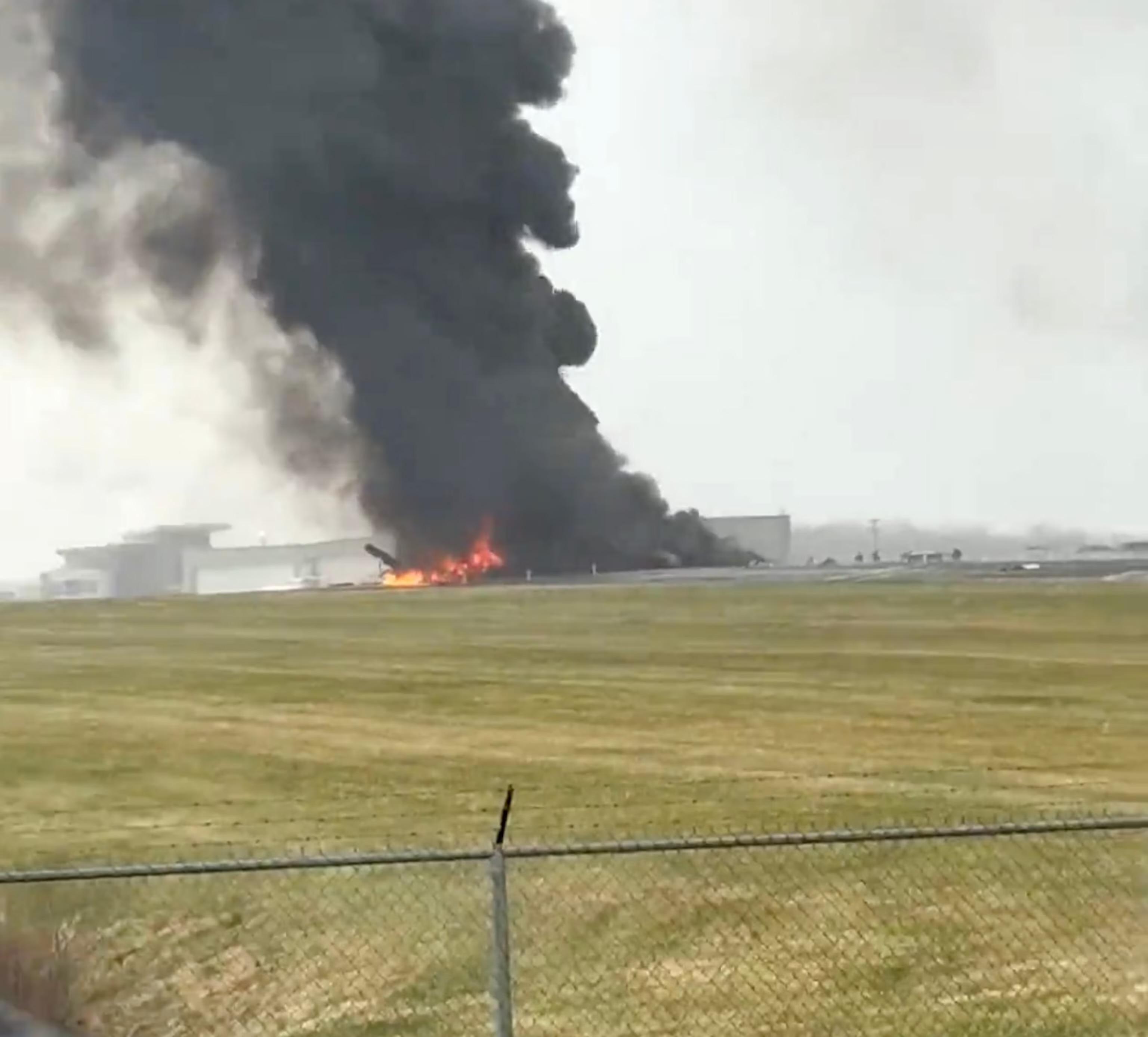
The establishment of these continuous monitoring centres also reflects lessons learned from other recent aviation incidents. Industry stakeholders have pointed out that effective crisis management requires both rapid responses to individual grievances and a broader view of operational trends. By bringing together expertise from regulatory, airline, and airport entities, the control rooms are expected to serve as nerve centres for both tactical problem-solving and strategic oversight.
Passengers have already begun to make use of these new services, with several reporting faster response times and more direct support in resolving travel concerns. Ministry officials say that feedback from travellers will be used to further refine the system, ensuring that the control rooms remain responsive and adaptive. Regular reporting and data analysis from control room operations are also planned so that policymakers and senior officials can review outcomes and identify areas for future improvement.
The aviation ministry’s initiative has been welcomed by many consumer advocates who have long called for better mechanisms to handle passenger grievances, especially during large-scale travel disruptions. With air travel volumes increasing sharply during peak holiday seasons, having a robust support infrastructure in place is seen as essential to maintaining passenger confidence and protecting traveller rights.
As it stands, the 24/7 control rooms represent a significant step in how aviation authorities are approaching the challenges of modern air travel management. By prioritising accessibility, responsiveness, and collaboration among all stakeholders, the ministry hopes to reduce the impact of future disruptions and ensure that passengers receive clear, consistent support whenever issues arise.