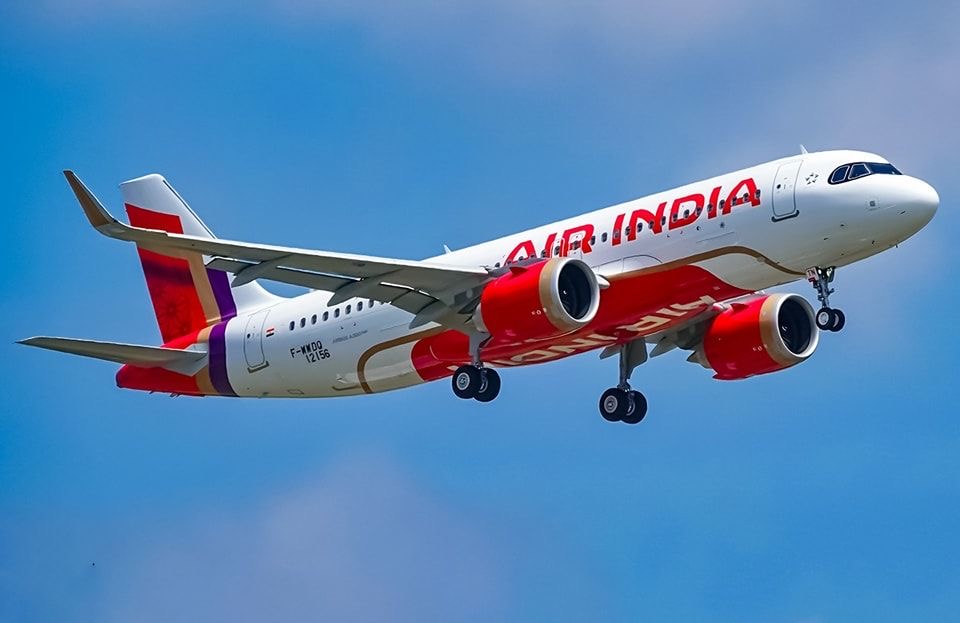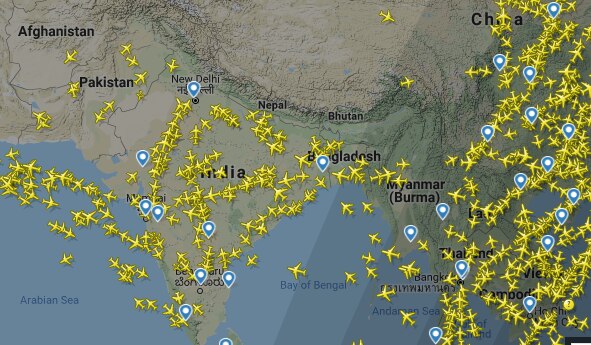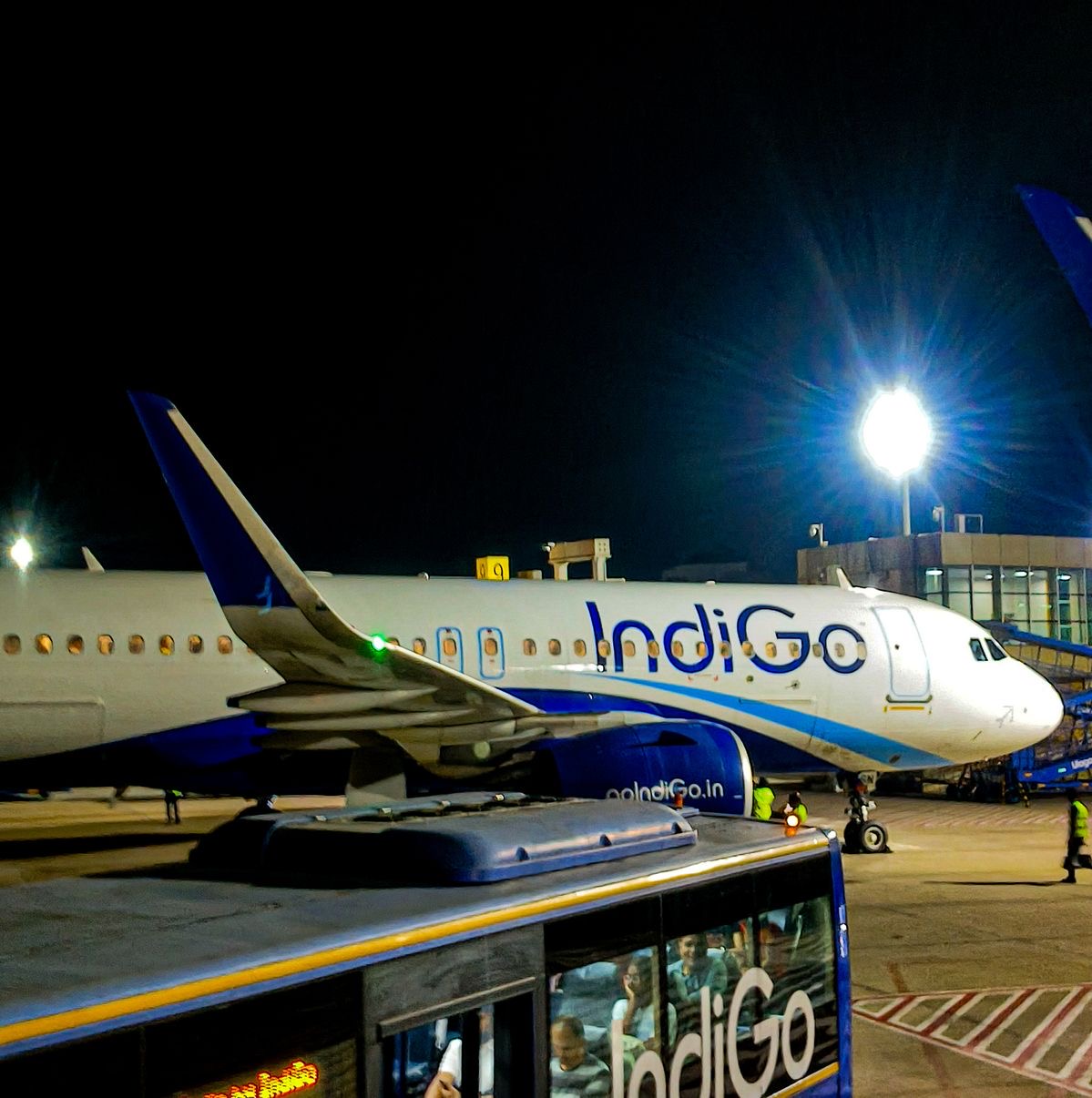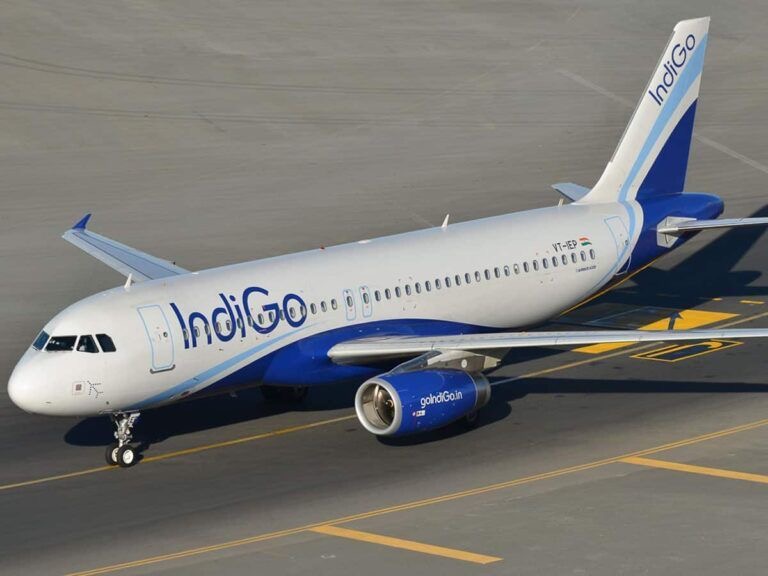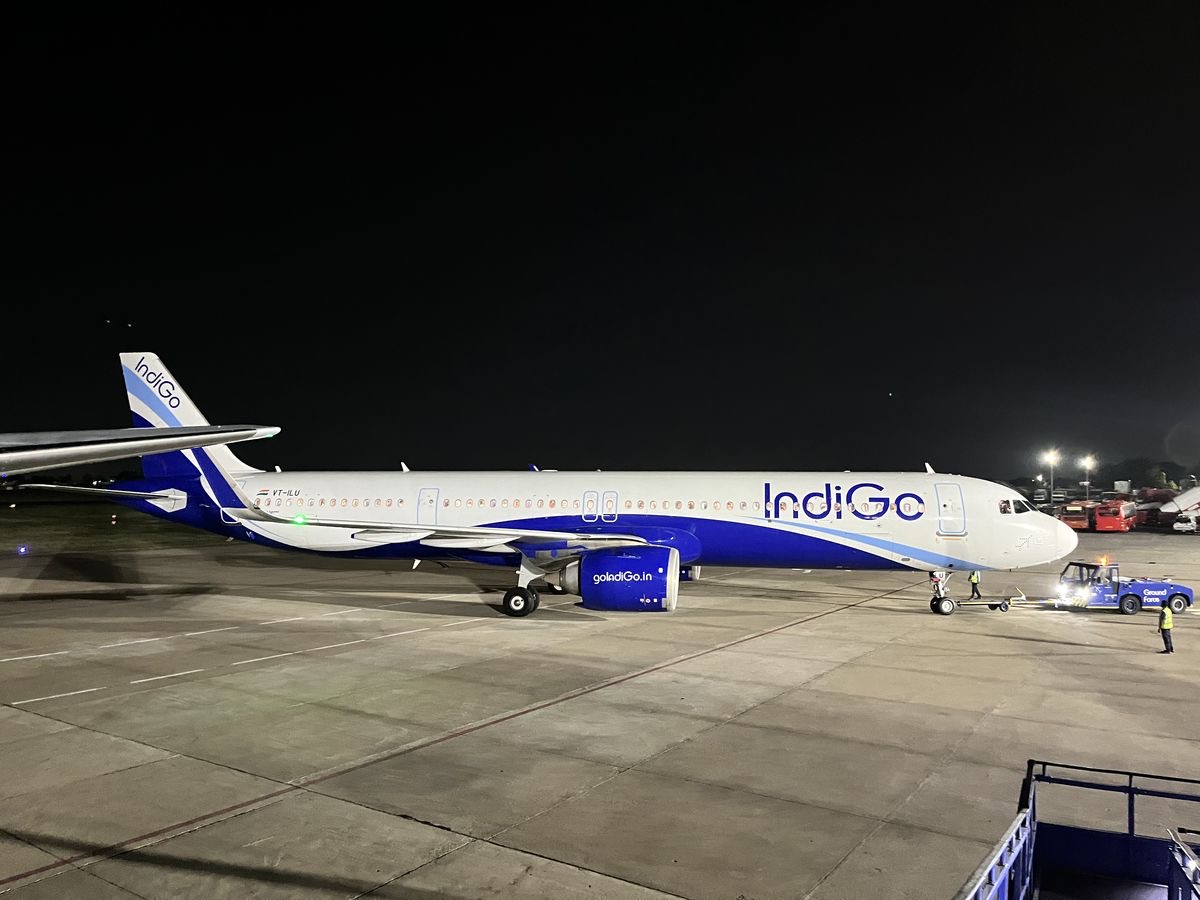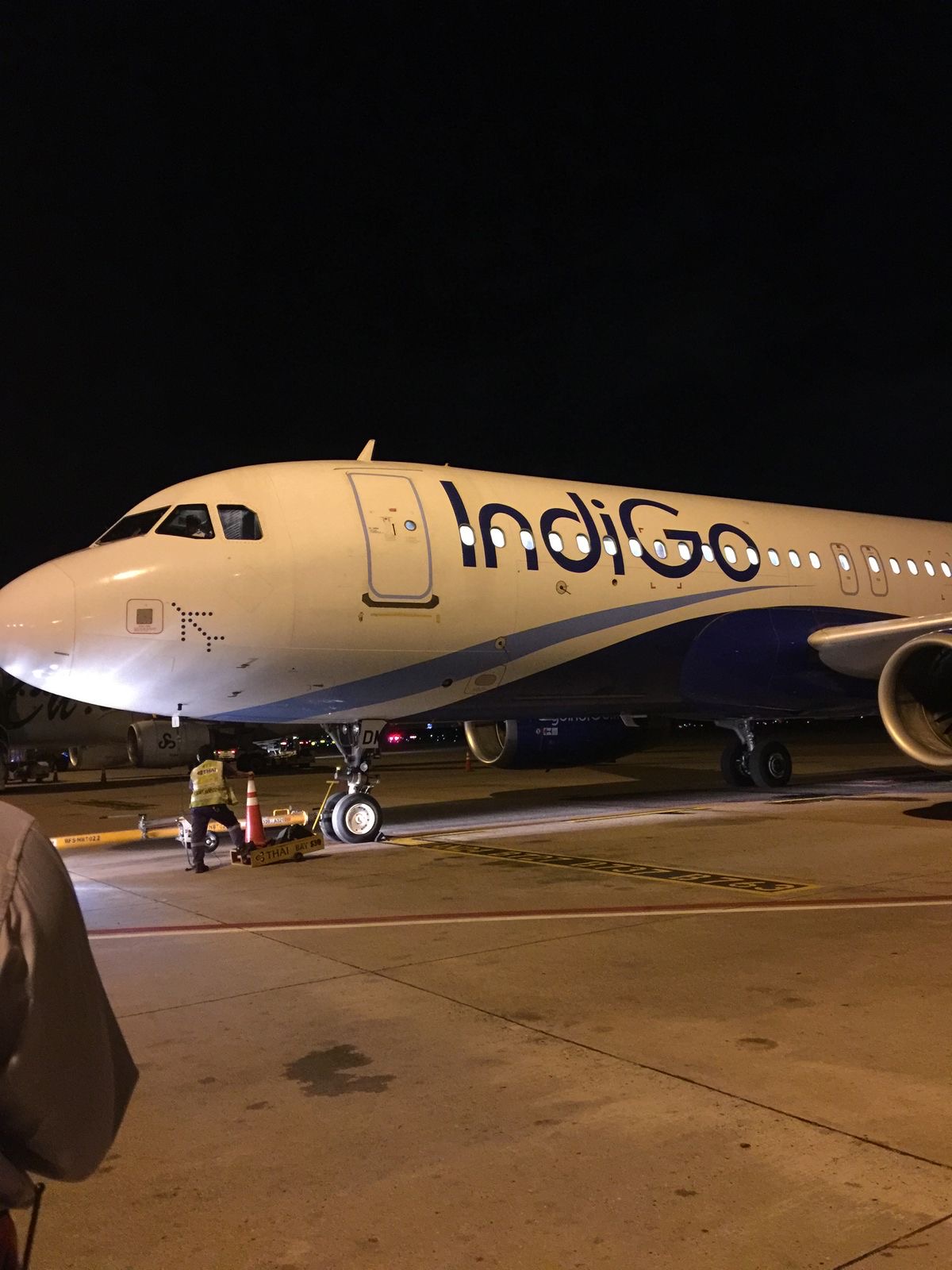
A major GPS spoofing crisis has gripped Indian aviation in November 2025, marking one of the most serious disruptions to civil and possibly military navigation systems in recent years. Hundreds of flights have been delayed, diverted, or forced to rely on backup navigation after aircraft suddenly received false location data, showing planes hundreds or even thousands of kilometers away from their actual positions.
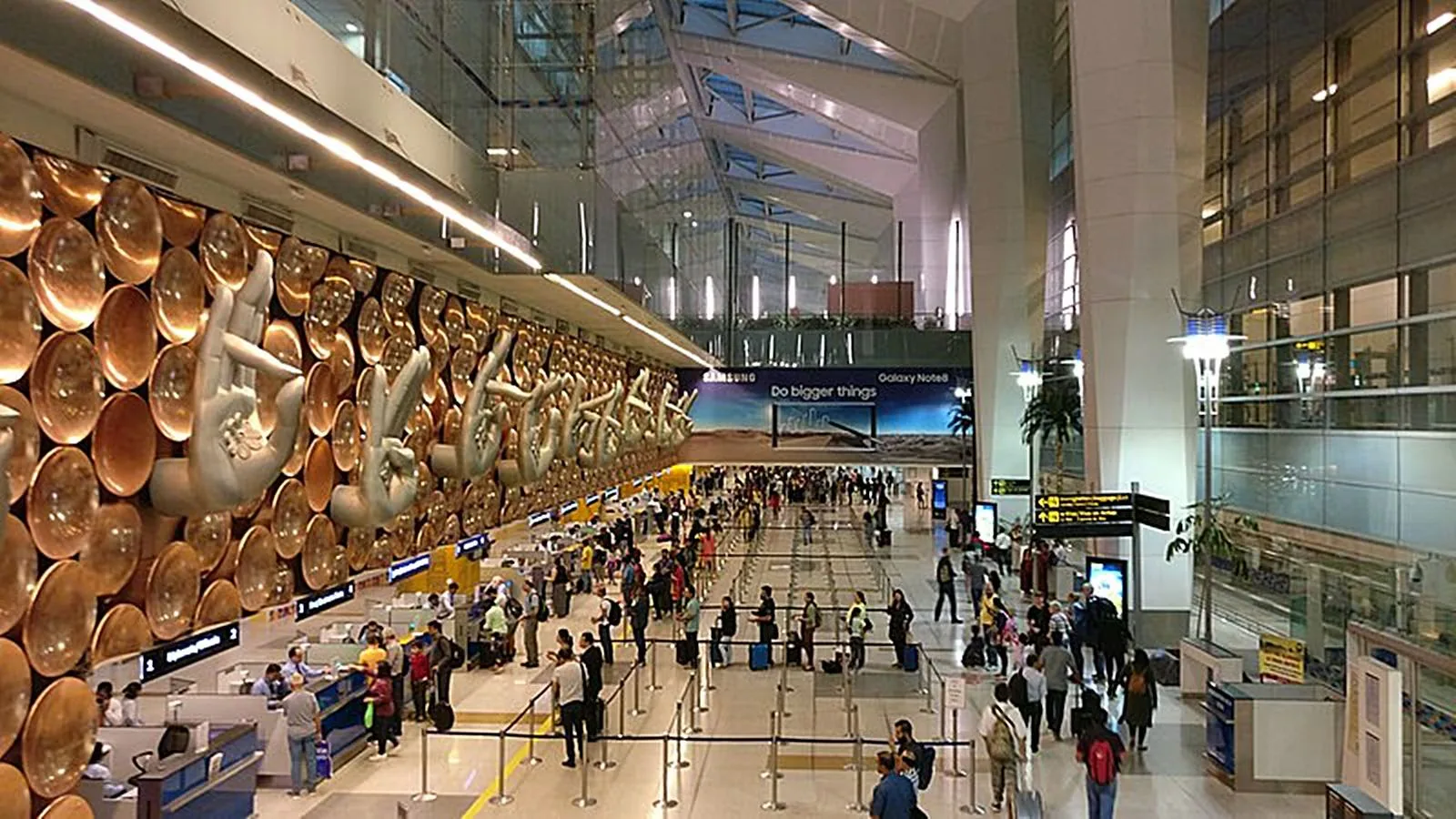
The crisis began on November 6 at Delhi’s Indira Gandhi International Airport when multiple aircraft reported severe GPS anomalies during approach and departure. Pilots saw their navigation displays falsely indicating they were flying over Pakistan, Central Asia, or even Europe. The spoofing triggered repeated false terrain warnings, forcing crews to disable automated systems and fly manually using older inertial navigation tools.
Within days, the attacks spread. Mumbai’s Chhatrapati Shivaji Maharaj International Airport reported similar incidents on November 12, followed by Kolkata and several northern Indian airports. By mid-November, more than 800 commercial flights had been affected across the country, causing widespread delays and forcing airlines to issue passenger advisories.
Unlike GPS jamming, which simply blocks signals and is easily detected, spoofing is far more dangerous because it feeds fake but believable data into aircraft systems. The false signals appear authentic, fooling both civilian and military receivers. Aviation experts describe it as “intelligent” or “adaptive” spoofing, capable of bypassing basic anti-spoofing filters currently installed on most aircraft.
India now ranks among the top global hotspots for GPS spoofing, alongside conflict zones in the Middle East and Eastern Europe. A significant number of incidents have been recorded near the Pakistan border, particularly around Amritsar and Jammu, fueling suspicions of state-linked electronic warfare operations. While no official accusation has been made, the pattern mirrors tactics used in other geopolitical flashpoints.
In response, India’s Directorate General of Civil Aviation (DGCA) issued an urgent directive on November 11 requiring all pilots and air traffic controllers to report any abnormal GPS behavior within 10 minutes of detection. Special Notices to Airmen (NOTAMs) were activated over affected regions, and airlines were instructed to prioritize ground-based navigation aids such as VOR and ILS where available.
A high-level investigation involving the Civil Aviation Ministry, CERT-In (India’s cybersecurity response team), and the National Security Council Secretariat is currently underway. Authorities are treating the incidents as a serious national security concern rather than a mere technical glitch.
Experts warn that reliance on foreign-controlled GPS constellations leaves India vulnerable. The government is accelerating integration of NavIC (Navigation with Indian Constellation), India’s indigenous satellite navigation system, into both civilian and military platforms. Anti-spoofing upgrades, multi-constellation receivers (using NavIC alongside GPS, Galileo, and GLONASS), and ground-based backup networks are being fast-tracked.
Beyond aviation, the attacks highlight risks to drones, precision agriculture, maritime navigation, and military operations. A successful spoofing campaign could misdirect missiles, confuse border surveillance, or paralyze logistics chains.
As India expands its airspace and embraces next-generation technologies like drones and urban air mobility, the November 2025 spoofing wave serves as a stark reminder: the sky is no longer just a physical domain; it has become a contested battlespace where invisible signals can ground a nation without a single shot being fired.
The incidents appear to have subsided by late November, but aviation and defense officials remain on high alert.